

Victorian Wine Stand
A victorian wine stand is a compact occasional table designed to hold a single bottle and glass near a chair.
Victorian Wine Stand
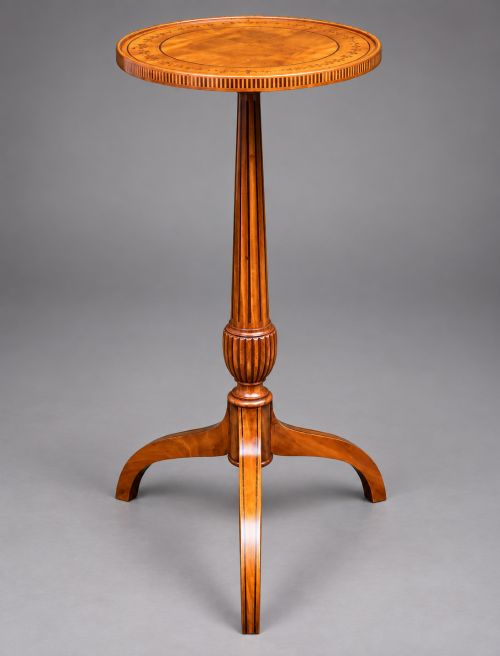
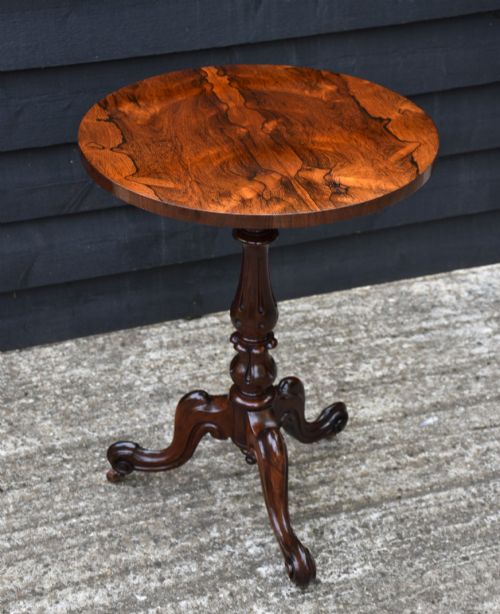
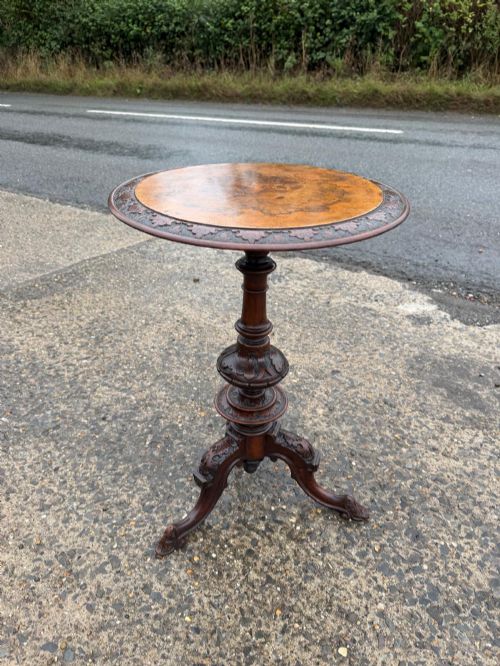
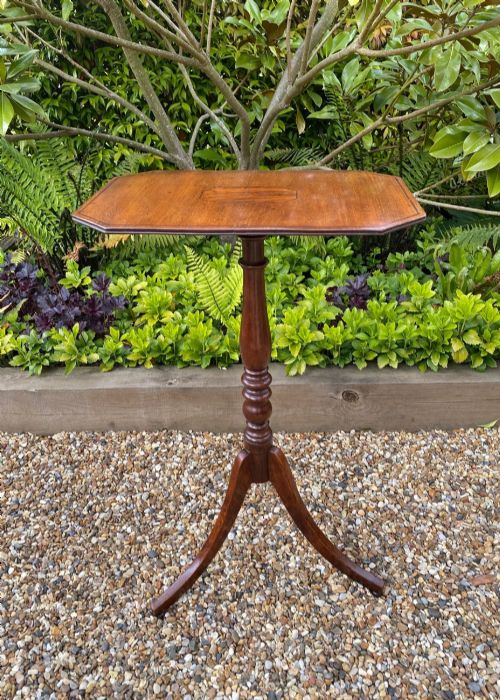
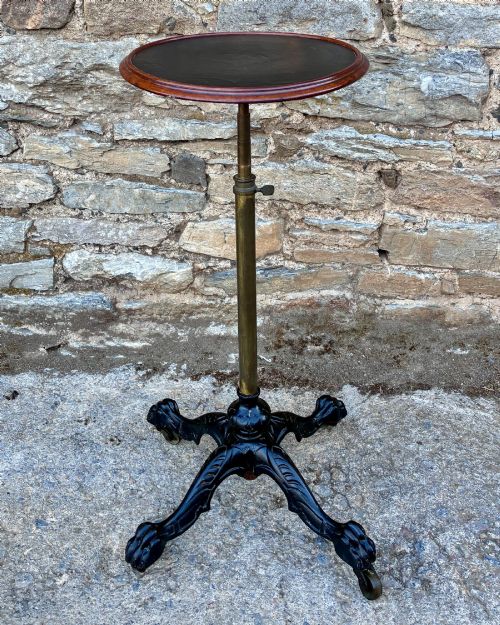
A victorian wine stand encompasses small pedestal tables, tripod designs, and low stands intended for holding drinks or glassware in the nineteenth century. The listings show these pieces frequently crossing paths with lamp tables, occasional tables, and compact side tables due to their versatile small scale.
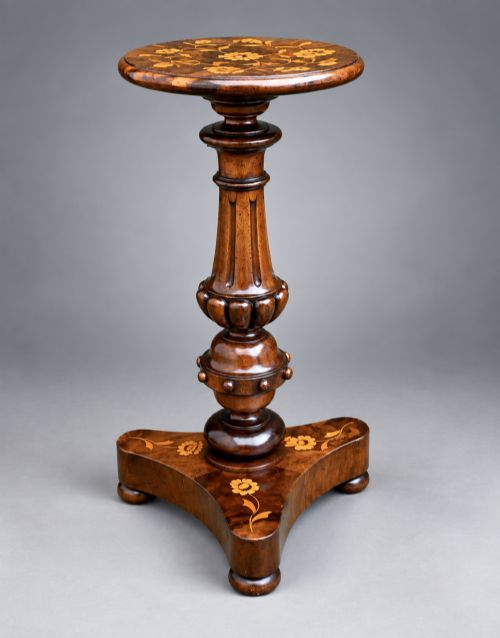
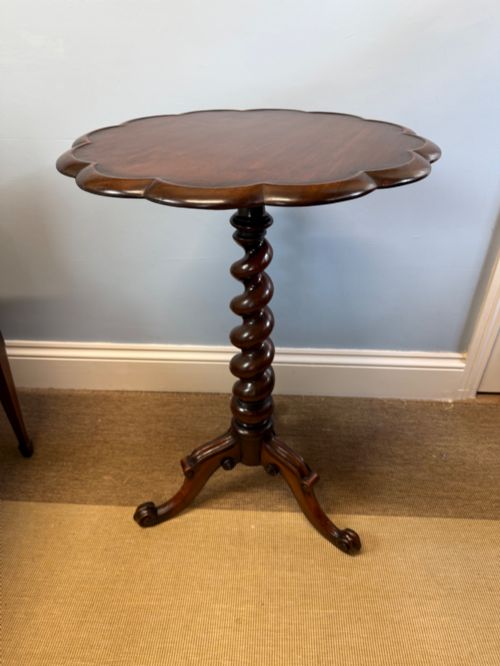
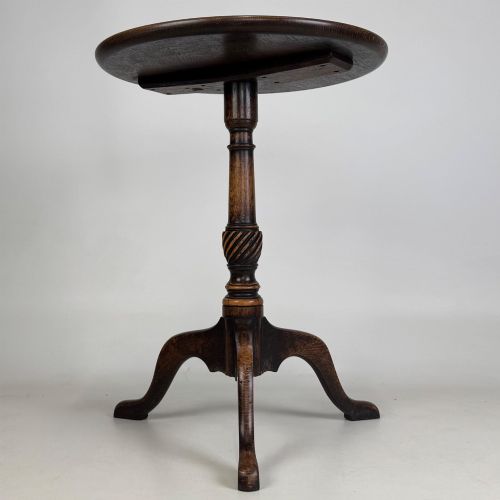
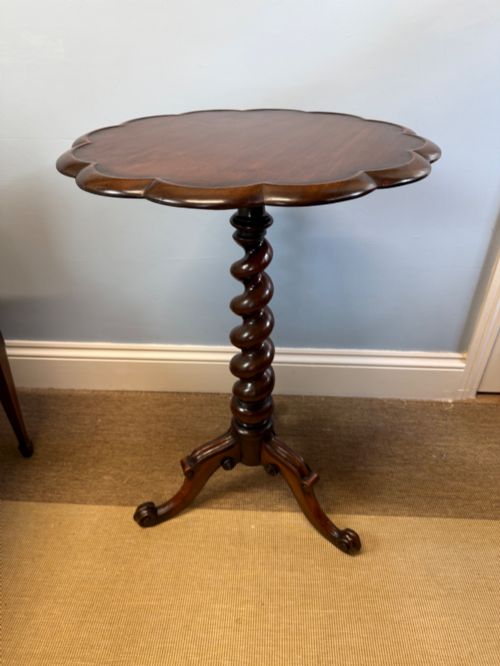
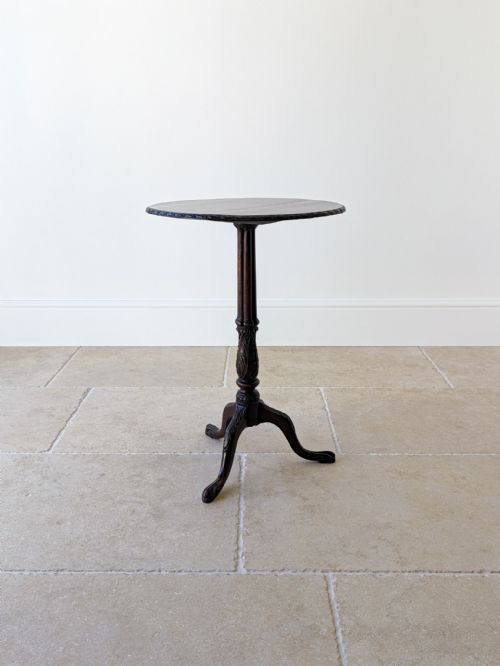
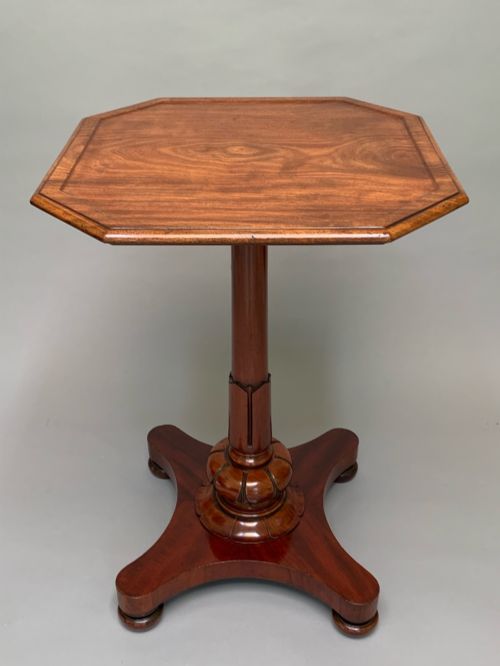
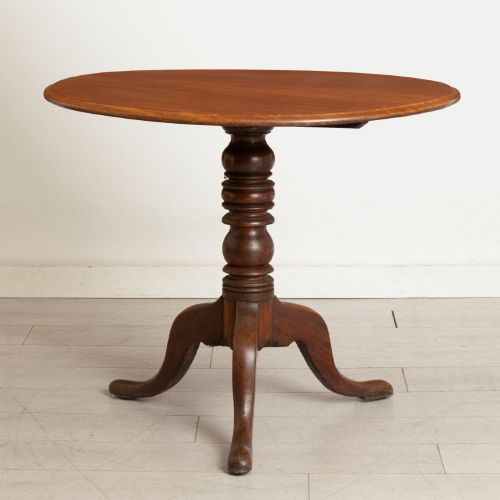
Most examples found here date from the nineteenth century, spanning Victorian periods alongside earlier Regency and William IV survivals. Forms vary from simple circular timber tops on three-legged tripods to more elaborate tilt-top mechanisms and pedestal stands with carved columns.
Buyers will also encounter larger wine coolers, jardiniere stands, and decanter holders under this heading, though circular occasional tables dominate the selection. Woods range from rich dark timbers like mahogany and rosewood to lighter burr walnut and satinwood.
Materials and Construction
Cabinet makers relied heavily on solid hardwoods and decorative veneers, turning to mahogany, walnut, and rosewood for the structural frames and table tops. Burr wood and satinwood surfaces often provided striking figured patterns, sometimes enhanced by hand painting, inlay, or delicate beadwork.
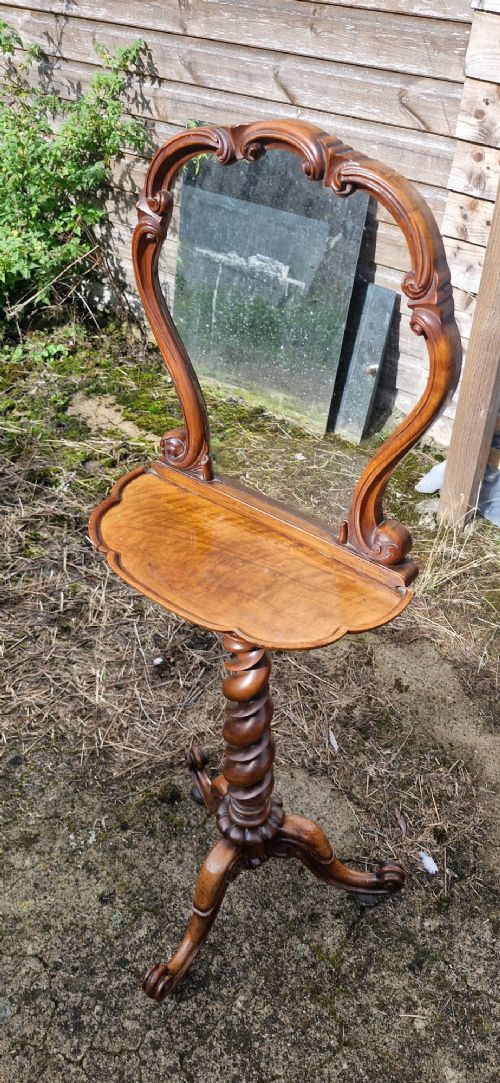
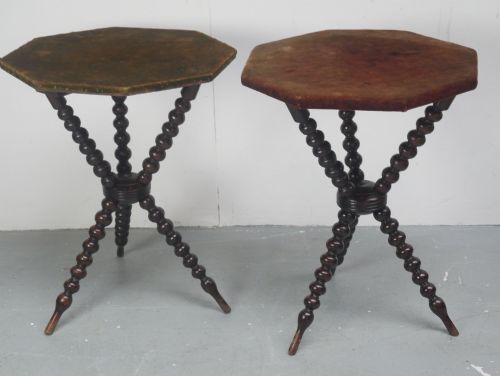
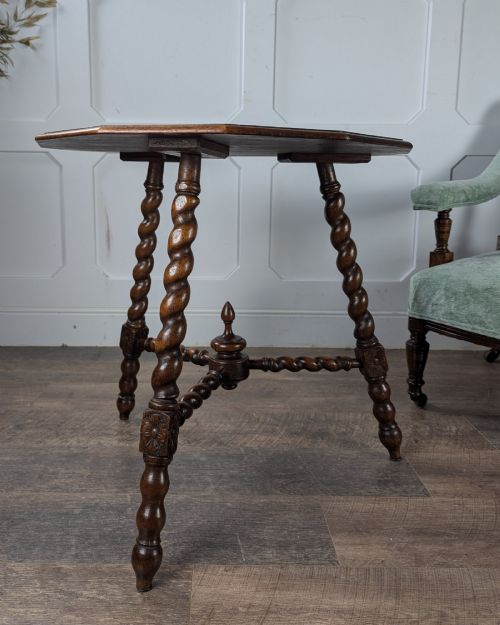
Tripod bases were joined to central pedestals using sturdy turned joints, while tilt-top variants employed brass catches and hinges to allow the table top to fold flat when not in use. Turning techniques produced barley twist columns and bobbin galleries, alongside carved oak details characteristic of nineteenth-century workshops.
Listings feature woods including mahogany, rosewood, walnut, oak, satinwood, and fruitwood alongside brass hardware.
Assessing the Craftsmanship
The distinction between standard utility items and finer examples rests on the selection of timber veneers and the crispness of the turned and carved details. Pieces featuring burr walnut, intricate marquetry inlay, or secondary woods like satinwood indicate higher workshop production standards.
Stability and mechanism operation also define the grade of a piece, particularly in tripod tables and tilt-top designs where tight joints and original brass hardware matter. A well-balanced pedestal base and smooth tilting action reflect superior original joinery.
Gillows·Martin Hall And Co·Elkington
The Victorian Wine Stand Glossary
- Tripod table
- A small circular table supported by three legs radiating from a central pillar. This form allowed the table to stand stably on uneven nineteenth-century carpets.
- Tilt-top
- A table top mounted on a hinge mechanism that pivots vertically. This clever design saved floor space when the furniture was pushed against a drawing room wall.
- Barley twist
- A spiral turning resembling a twisted rope found on table pedestals and legs. Cabinet makers shaped this pattern on a lathe during the Victorian period.
- Occasional table
- A light, movable piece of furniture designed for specific, intermittent uses such as holding drinks or books. They were easily carried to different corners of a Victorian parlour.
- Veneer
- A thin layer of finely figured wood applied to a stable secondary timber base. This technique displayed expensive grains like burr walnut without the risk of heavy solid wood warping.
Victorian Wine Stand: Frequently Asked Questions
What was a victorian wine stand used for?
These compact tables served as convenient surfaces for holding a single bottle of wine, decanters, or drinking glasses during evening gatherings in the drawing room.
Their small footprint allowed them to sit right beside an armchair or sofa, keeping refreshments within easy reach without crowding the room.
How do I tell a wine table from a lamp table?
Historically, wine tables often featured tilt-top mechanisms so the surface could be folded away when the wine was finished, whereas lamp tables remained rigid.
In modern usage the terms overlap considerably because both describe small circular occasional tables of similar height and scale.
Can I use a wine stand as a bedside table?
Their compact circular tops and modest heights make them ideal for modern bedside settings, offering just enough space for a reading lamp and a glass of water.
Many antique examples fit neatly into smaller bedrooms where standard bedside cabinets would overwhelm the floor space.
How do I clean a antique wooden table top?
Dust the surface regularly with a soft, dry cloth and avoid using modern spray polishes that can build up a cloudy silicone residue over the antique finish.
Feed the wood periodically with a traditional beeswax to nourish the timber and maintain a soft, protective sheen.