






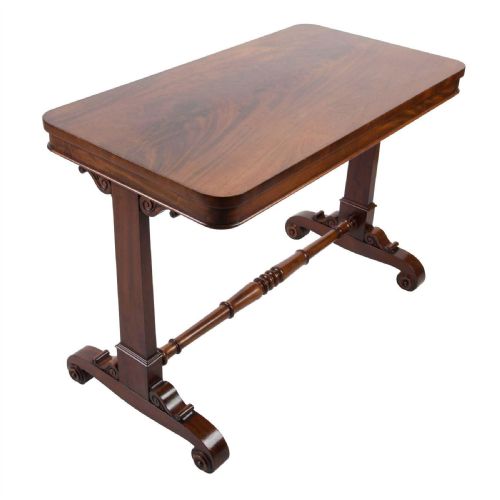
Scrolled Feet Occasional Table
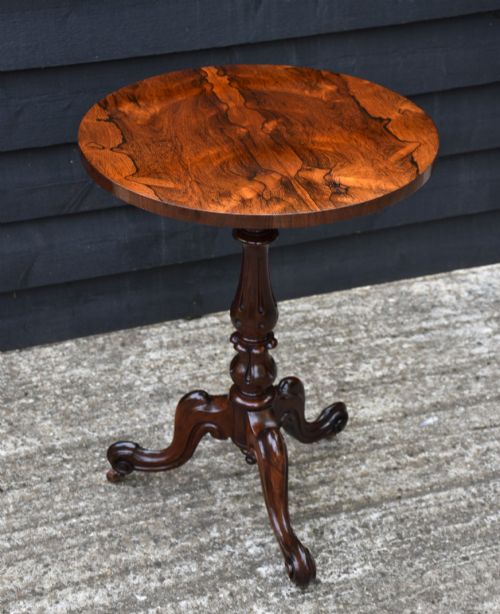
A scrolled feet occasional table brings solid nineteenth-century timber and distinctive carved supports into a sitting room.
Scrolled Feet Occasional Table
A scrolled feet occasional table combines compact proportions with decorative base carving, designed to sit beside seating or in a corner for lamps and display. These pieces appear most frequently in nineteenth-century forms, spanning the Victorian era and the Regency period.
The selection on this page centres on side tables, lamp tables, wine tables, and tripod tables. Buyers encounter diverse timbers and styles, ranging from simple mahogany surfaces to elaborately carved oak and rosewood designs.
How these tables were constructed
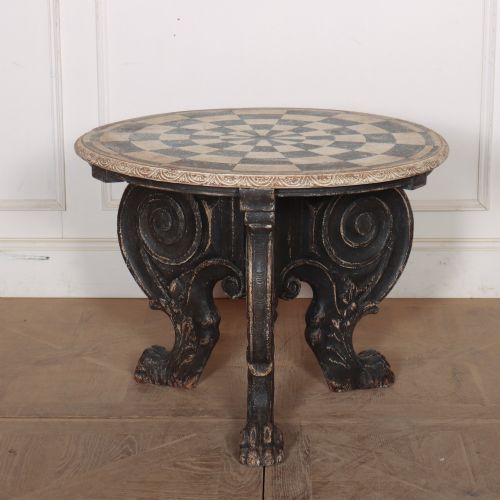
Cabinetmakers utilised dense hardwoods such as mahogany, rosewood, walnut, and oak to build sturdy frames capable of supporting turned or carved pedestals. Burr walnut and specimen wood tops appear in more decorative examples, showcasing complex veneering and contrasting natural grains.
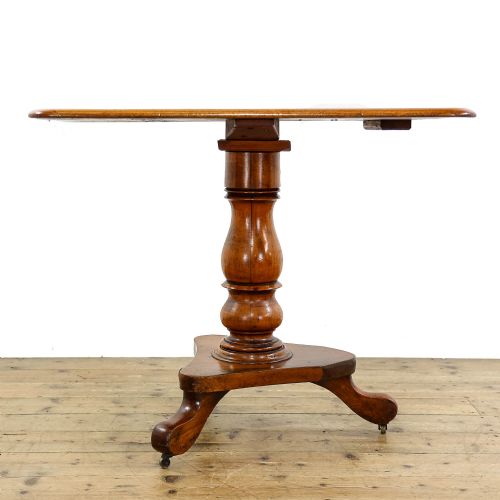
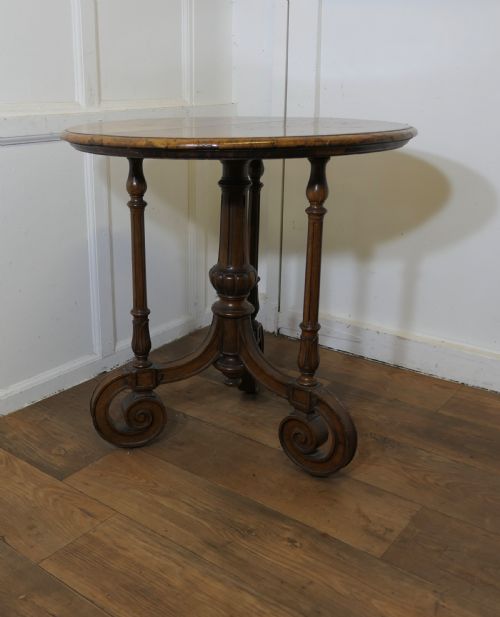
Makers shaped the supports through hand carving and turning, finishing certain pieces with gilded highlights or brass details. Tripod bases and central pillars dominate the construction, terminating in the characteristic scrolled feet.
Scrolled Feet Occasional Table Retail Price Guide 2026
Typical asking prices for scrolled feet occasional table among the pieces listed under this phrase on Sellingantiques today, from the lower quarter to the upper quarter. They describe what is for sale here now, not the wider market.
Mahogany and rosewood dominate the nineteenth-century listings, alongside rarer examples in burr walnut and specimen wood.
What separates the best pieces
Quality rests upon the crispness of the timber carving and the selection of figured veneers on the tabletop. Superior examples display balanced proportions between the top, the central column, and the scrolled base.
The choice of secondary timbers and the precision of the joinery distinguish workshops of high skill from standard production items. Grain matching across specimen wood tops also indicates a more thoughtful fabrication process.
Whytock and Reid
The Scrolled Feet Occasional Table Glossary
- Occasional table
- A small movable table intended for versatile placement around a room rather than a fixed dining position. These surfaces often hold lamps, books, or decorative objects.
- Tripod table
- A piece supported by a central pillar resting on three feet, allowing stability on uneven historic flooring. This format suits smaller occasional and wine tables.
- Specimen wood
- A tabletop constructed from various contrasting timber species arranged in geometric patterns or mosaic designs. Makers used this technique to demonstrate advanced woodworking skill.
- Burr walnut
- Timber taken from the abnormal growth of a walnut tree, yielding highly figured and swirling grain patterns. Cabinetmakers prized this material for high-status tabletops.
- Regency
- A stylistic period spanning the early nineteenth century characterised by classical revival motifs and refined furniture lines. Pieces from this era often feature dark timbers and restrained ornamentation.
Scrolled Feet Occasional Table: Frequently Asked Questions
What is an occasional table used for?
These compact tables provide a convenient surface for placing drinks, books, or small lamps beside seating areas.
Their portable nature allows owners to move them easily around a room as daily needs require.
How do I identify a Victorian table?
Victorian pieces often feature rich dark hardwoods like mahogany and walnut, combined with substantial carved details.
Makers of this era frequently drew inspiration from earlier styles, resulting in robust proportions and decorative bases.
Are these tables sturdy enough for daily use?
Nineteenth-century hardwood construction makes these tables durable for holding everyday objects like lamps and decorative items.
Care should be taken with delicate specimen wood or burr walnut surfaces to avoid moisture and scratching.
What timber is most common?
Mahogany appears frequently across the available selection, alongside rosewood, walnut, and oak.
Cabinets makers favoured these dense woods for their strength and ability to hold fine carved details on the legs.