




Traditional Parlour Table
These traditional parlour table options and associated gaming pieces bring period hospitality into modern rooms.
Traditional Parlour Table
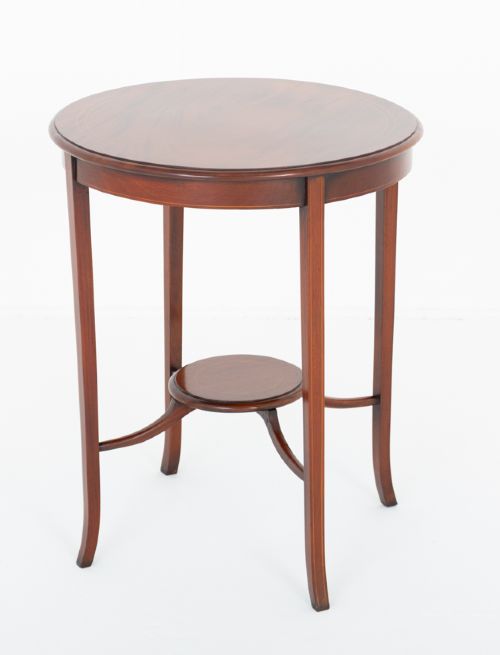
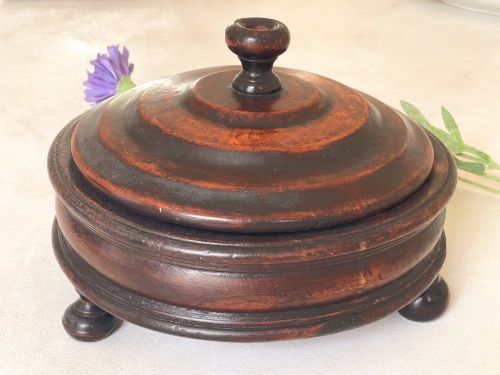
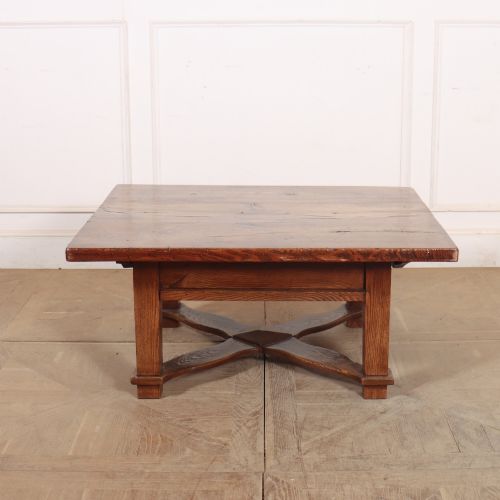
A traditional parlour table brings together social furniture and gaming items designed for domestic entertainment during the nineteenth and early twentieth centuries. These pieces encompass centre tables, occasional tables, and coffee tables alongside specialised game sets.
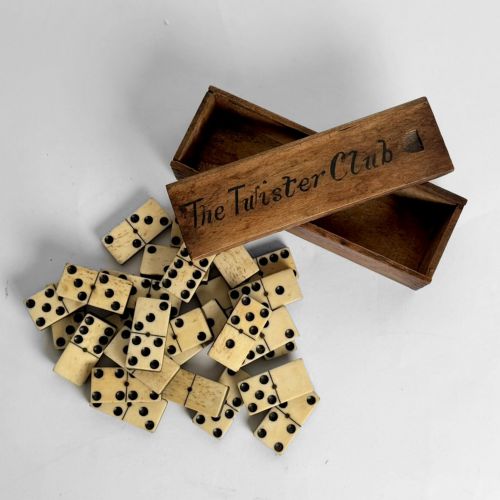
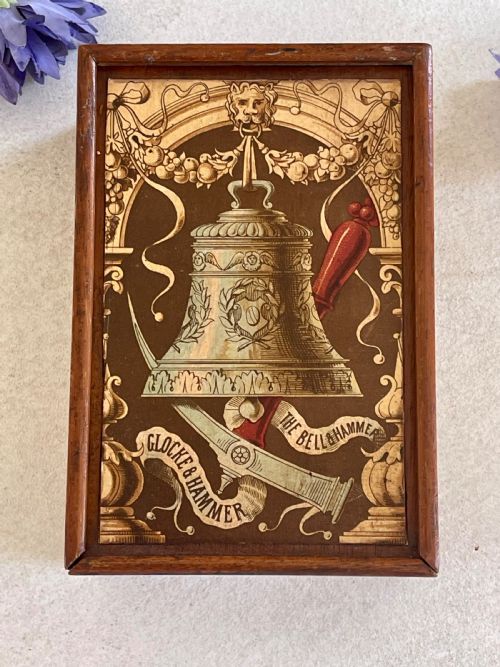
The selection on this page relies heavily on nineteenth century items, featuring occasional and centre tables constructed from rich timbers like rosewood and mahogany. Alongside standard tables, the grouping includes distinct pastimes such as boxed dominoes, roulette, and chess boards.
Buyers frequently encounter Victorian examples that reflect the era's taste for social gatherings and fireside amusement. These items served practical uses while providing a centrepiece for family entertainment.
Materials and construction methods
Craftsmen utilised dense hardwoods such as rosewood, mahogany, walnut, and oak to build durable tables and game components. Inlays of bone and contrasting woods often decorated the surfaces of chess boards and tables.
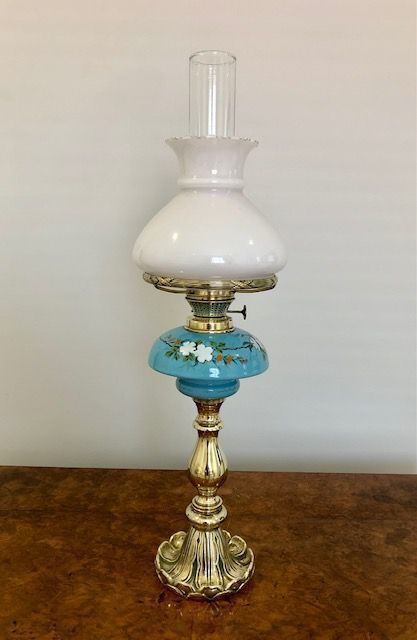
Workshops employed traditional joinery techniques to create freestanding tables, nests of tables, and folding game boards. Metal elements like brass appeared on lamps and hardware to complement the timber frames.
Traditional Parlour Table Retail Price Guide 2026
Typical asking prices for traditional parlour table among the pieces listed under this phrase on Sellingantiques today, from the lower quarter to the upper quarter. They describe what is for sale here now, not the wider market.
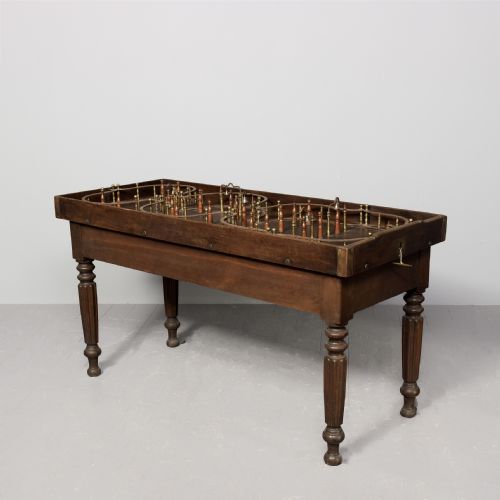
Several pieces include surviving instructions for games like squails and skittles, proving that parlour rules caused just as much debate then as they do now.
Judging quality in parlour pieces
The standard of a traditional parlour table rests on the selection of figured timber and the precision of any inlay work. Superior examples display careful matching of grain and robust structural integrity across the frame.
Completeness dictates value among the associated games and sets, where original boxes, instructions, and playing pieces remain intact. Finer items exhibit refined turning and balanced proportions that elevate them above utility pieces.
Gillows of Lancaster
The Traditional Parlour Table Glossary
- Centre table
- A freestanding table designed to stand away from walls in the middle of a room. These pieces feature finished detail on all sides.
- Occasional table
- A small, movable table utilised for specific tasks such as holding lamps or drinks. They appear frequently in nineteenth century interiors.
- Inlay
- A decorative technique where contrasting materials like bone or lighter woods are inserted into depressions in the base timber. This method creates geometric patterns on game boards and tabletops.
- Nest of tables
- A set of graduated tables designed to fit neatly one beneath another. They provide flexible surface space in compact parlour settings.
- Squails
- A traditional indoor table game played by sliding wooden discs across a surface towards a target. The equipment typically includes specialised markers and rules.
Traditional Parlour Table: Frequently Asked Questions
What is a traditional parlour table?
A traditional parlour table is a piece of nineteenth century furniture designed for the main reception room of a home. These items often doubled as surfaces for games, lamps, or tea service.
They reflect the social habits of the period, providing both practical utility and a focal point for family entertainment.
How were these tables used?
These tables supported domestic pastimes, holding chess boards, domino sets, and other social games during evening gatherings. They also accommodated oil lamps to light the room.
Their movable nature allowed occupants to rearrange the parlour depending on whether guests were visiting or family members were amusing themselves.
How do I care for rosewood?
Rosewood surfaces benefit from regular dusting with a soft, dry cloth to prevent the accumulation of grit. Avoid placing these antique timbers near direct heat sources or strong sunlight.
Applying occasional appropriate wax preserves the sheen of the wood without sealing it in modern synthetic finishes.
Are these items suitable for modern rooms?
These compact tables and game sets adapt well to contemporary interiors as occasional furniture or coffee tables. Their rich timber tones add warmth and historic character to modern spaces.
Using them daily allows owners to appreciate the practical craftsmanship of the nineteenth century in a contemporary setting.