


Floral Inlaid Occasional Table
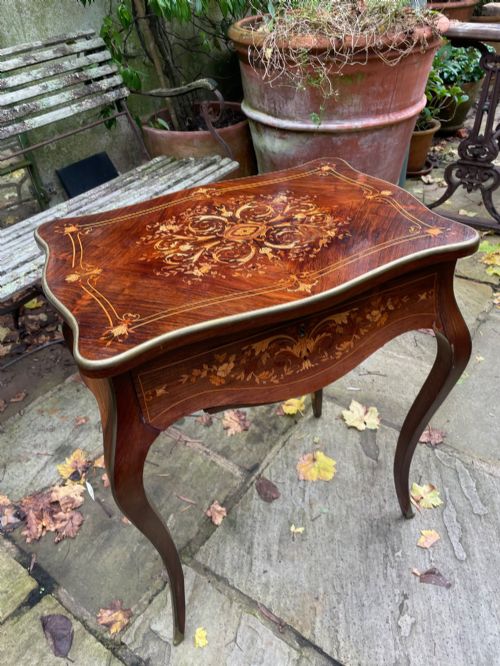
A floral inlaid occasional table brings pattern and small-scale surface utility into a room, usually arriving in the form of a walnut, rosewood, or mahogany piece.
Floral Inlaid Occasional Table
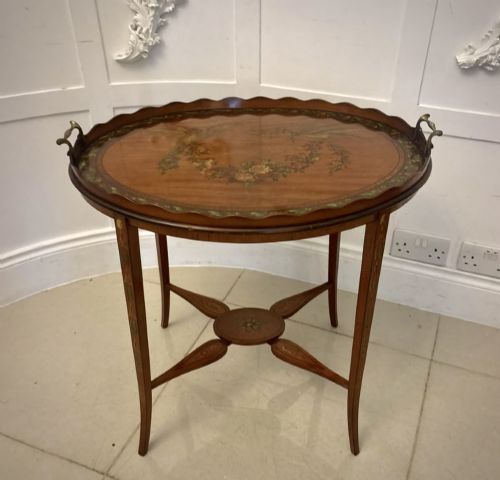
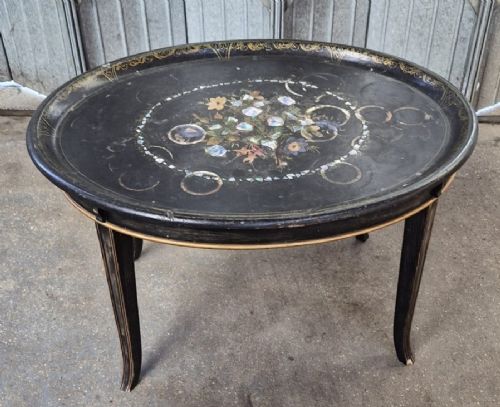
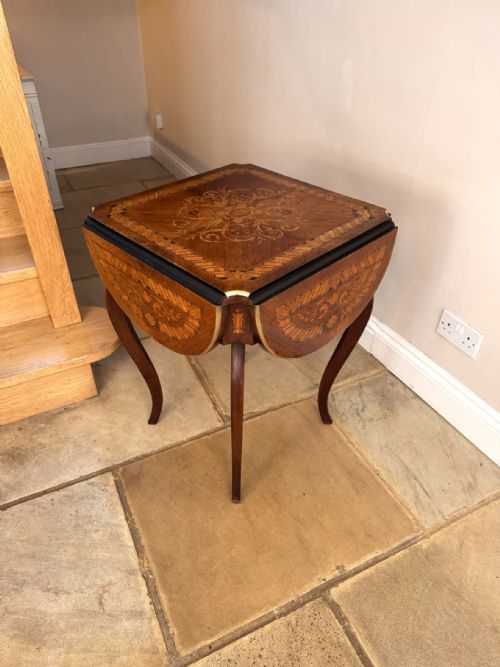
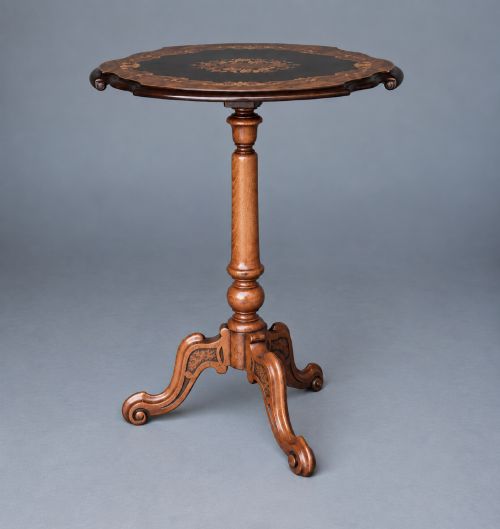
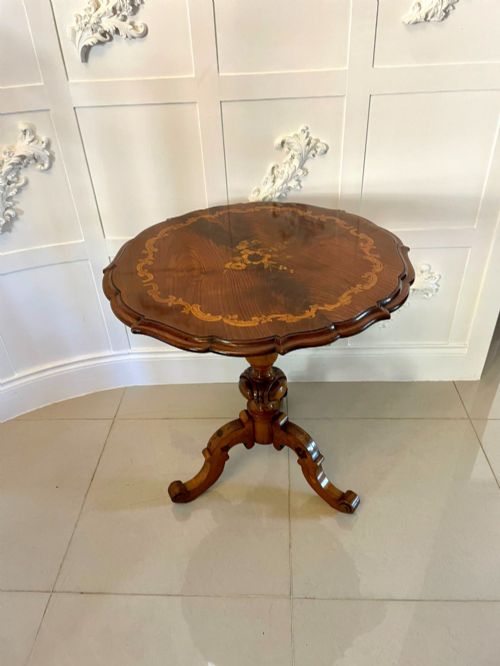
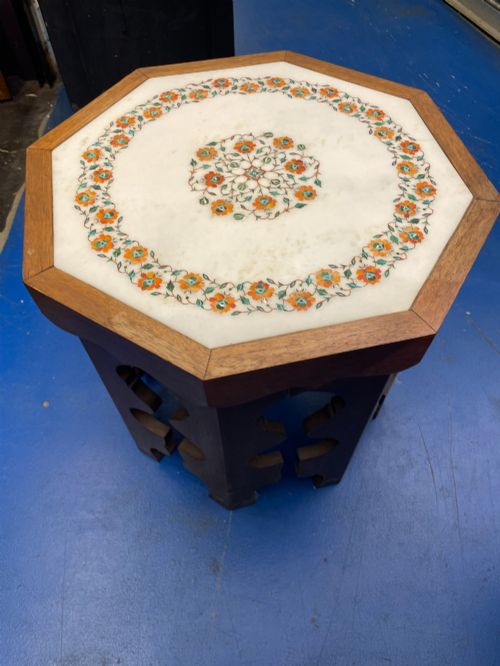
A floral inlaid occasional table is a small, moveable surface designed for lamps, wine, or sewing, frequently encountered as a Victorian or late nineteenth-century example. These pieces appear in numerous formats across this selection, including centre tables, etageres, wine tables, and nests of tables.
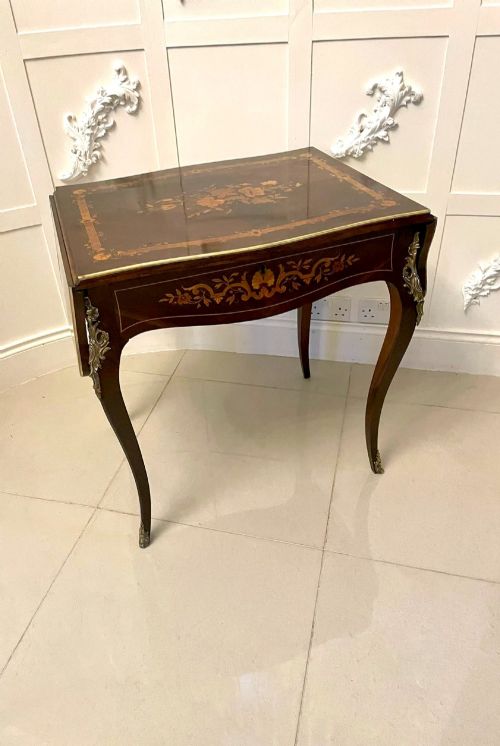
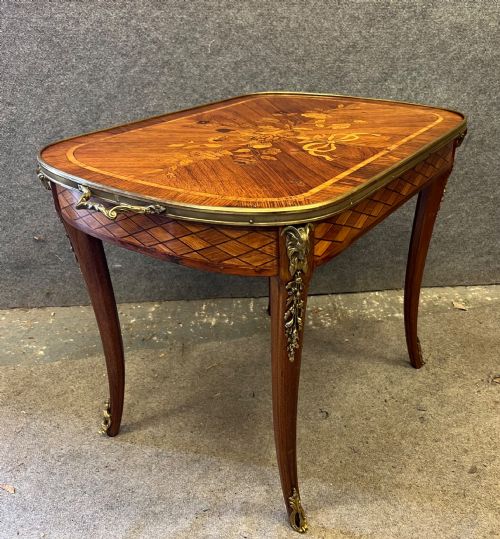
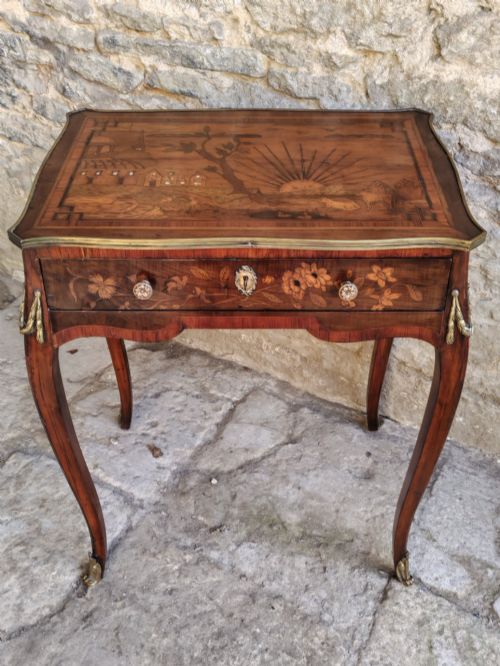
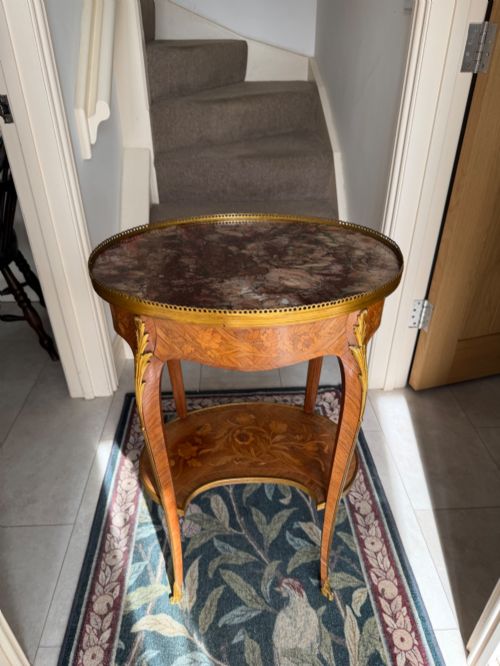
The decorative focus rests on the top, where floral and foliate marquetry sets the visual tone. French and Dutch workshops dominate the stylistic range, bringing Louis XV revival curves and dense marquetry panels to walnut and kingwood carcases.
Materials and construction methods
Cabinetmakers built these tables using dense timbers like walnut, rosewood, and kingwood, often applying burr walnut or burr veneers to ground woods. Ormolu mounts and brass details frequently accent the corners and edges of French examples.
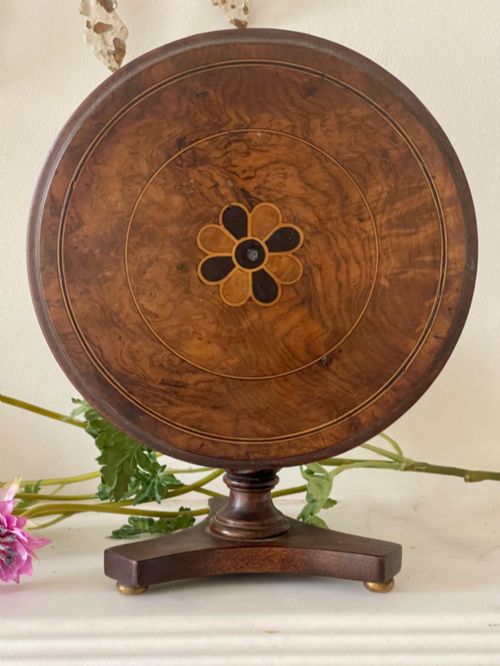
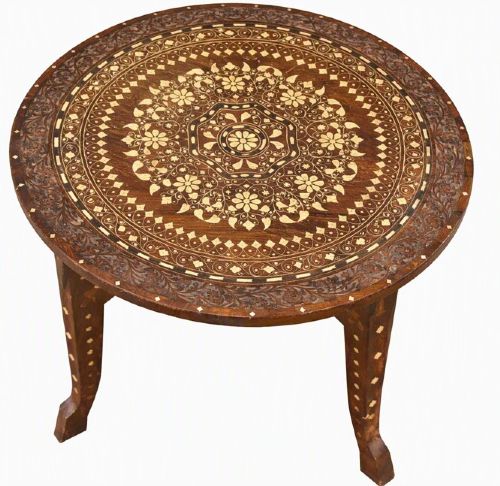
Marquetry panels utilise contrasting wood veneers, fruitwoods, and occasionally bone inlay to form floral motifs. The veneers are hand-cut and laid onto the carcase before polishing.
Floral Inlaid Occasional Table Retail Price Guide 2026
Typical asking prices for floral inlaid occasional table among the pieces listed under this phrase on Sellingantiques today, from the lower quarter to the upper quarter. They describe what is for sale here now, not the wider market.
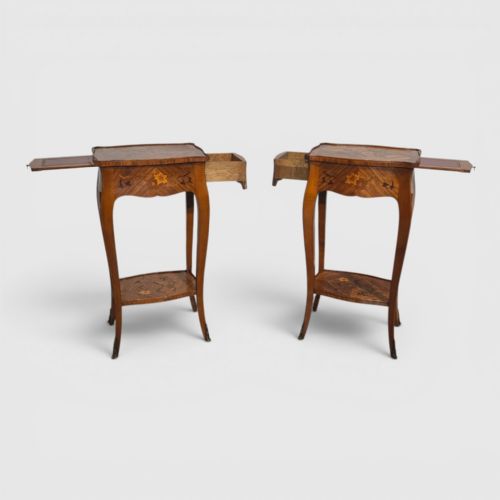
Some tables double as sewing boxes, reminding us that Victorian needlework required a dedicated stage for thread and fabric.
Judging quality in marquetry tables
Quality separates simple production pieces from exceptional ones through the precision of the veneer work and the depth of the timber figuring. Superior examples display crisp, intricate floral marquetry with minimal reliance on painted surface details.
The choice of primary and secondary woods also dictates standing, with solid kingwood or burr walnut framing marking out the more ambitious pieces. Structural integrity in the legs and aprons, alongside refined brass or ormolu fittings, completes the higher tier.
Edwards & Roberts·Liberty & Co
The Floral Inlaid Occasional Table Glossary
- Marquetry
- Decorative veneer work forming pictures or patterns, composed of thin pieces of wood applied to a structure. This technique defines the floral tops seen across nineteenth-century examples.
- Kingwood
- A dense, heavy South American timber with dark purple-brown figuring, utilised extensively in fine French furniture. It provides a rich ground for floral inlay.
- Ormolu
- Gilded bronze used for mounts and decorative trims on nineteenth-century furniture. It accents the corners and legs of revival tables.
- Etagere
- A small open shelving unit or tiered side table used for display. These pieces often feature marquetry tops and slender supports.
- Poudreuse
- A dressing or work table fitted with compartments and a mirror under the lid. French examples frequently incorporate floral marquetry on the outer surfaces.
Floral Inlaid Occasional Table: Frequently Asked Questions
What is a floral inlaid occasional table used for?
These tables served various domestic functions in nineteenth-century interiors, holding lamps, sewing materials, or decorative objects. Their small scale allowed them to move easily between rooms as needed.
Today, they function well beside armchairs or sofas as lamp tables or display surfaces. Their patterned tops bring visual interest to otherwise plain corners.
How do you identify French styles on these tables?
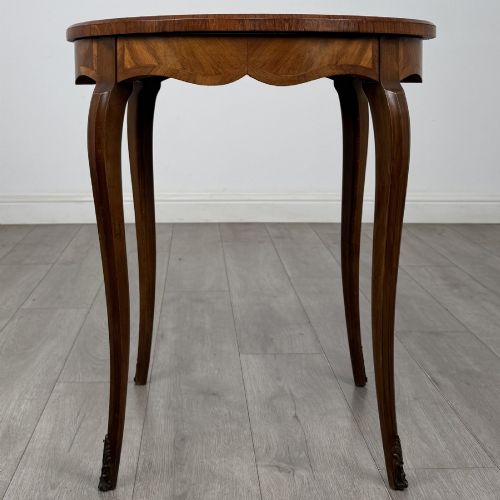
French pieces often display curved cabriole legs, ormolu mounts, and complex floral marquetry reflecting Louis XV or Napoleon III taste. Kingwood and rosewood are frequent choices for the carcase timbers in these workshops.
English interpretations tend towards straightforward geometric frames with mahogany or walnut veneers, though Victorian makers embraced continental revival styles fully.
How should I care for a veneered table top?
Polished wood surfaces require protection from direct sunlight and excessive moisture to prevent veneer lifting or fading. Periodic waxing maintains the sheen of the timber and nourishes the old polish.
Using coasters and avoiding placement near heat sources keeps the marquetry stable. Gentle dusting with a dry cloth preserves the fine detail of the inlay.