

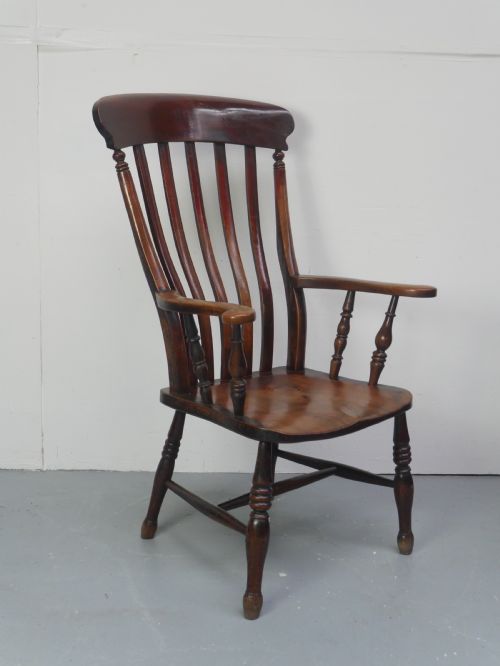
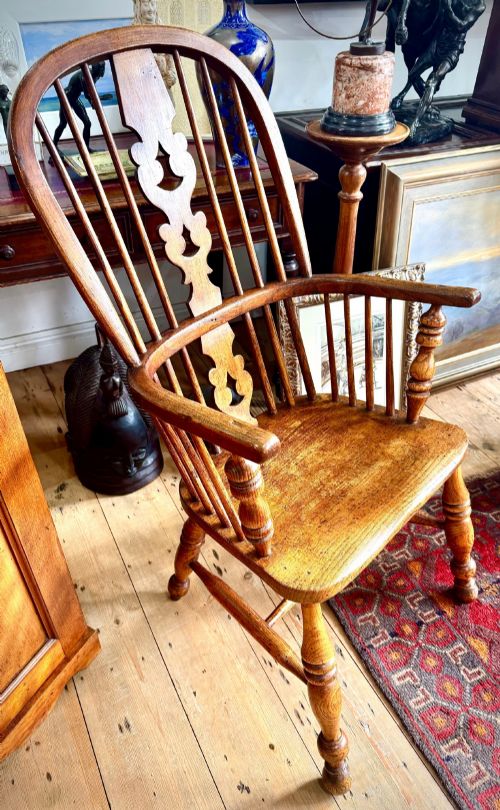


Victorian Windsor High Chair
These pieces combine domestic practicality with traditional rural craft, offering sturdy seating designed for the Victorian nursery or kitchen.
Victorian Windsor High Chair
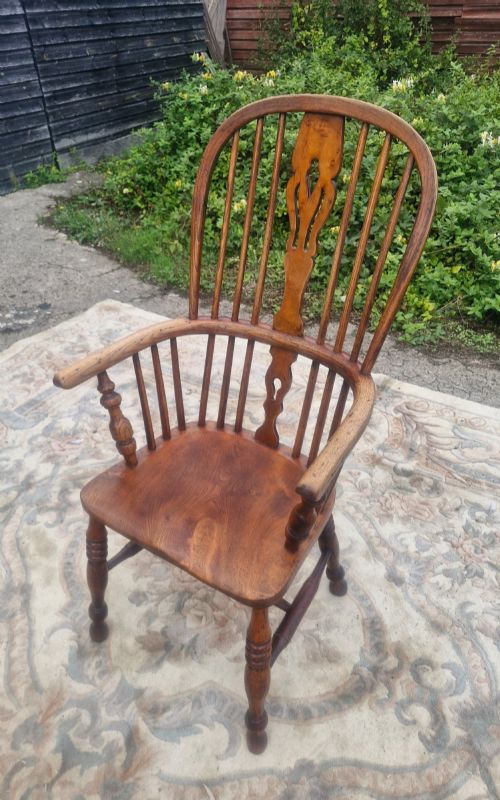
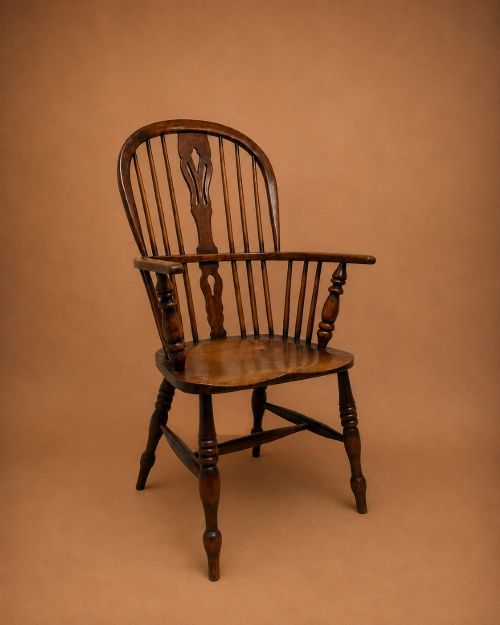
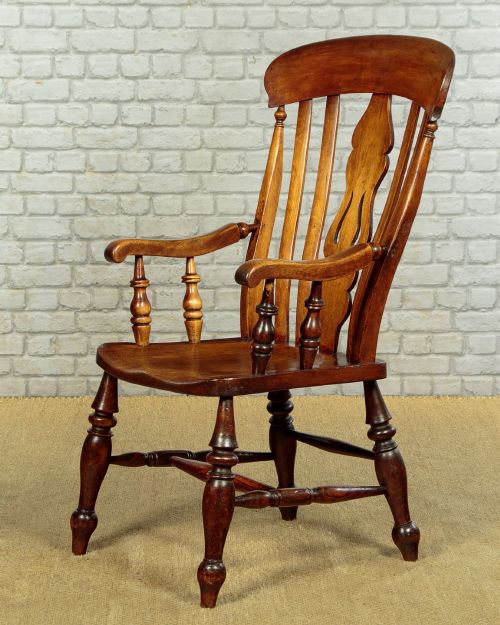
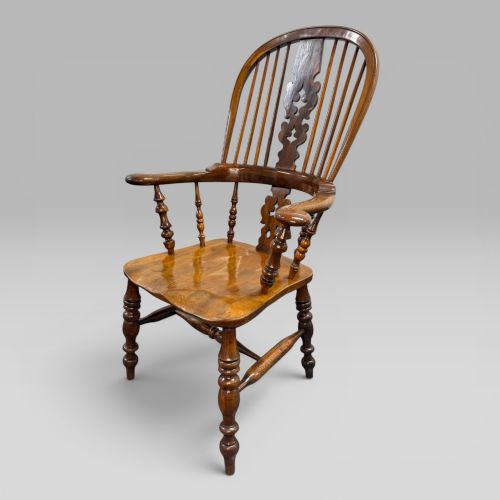
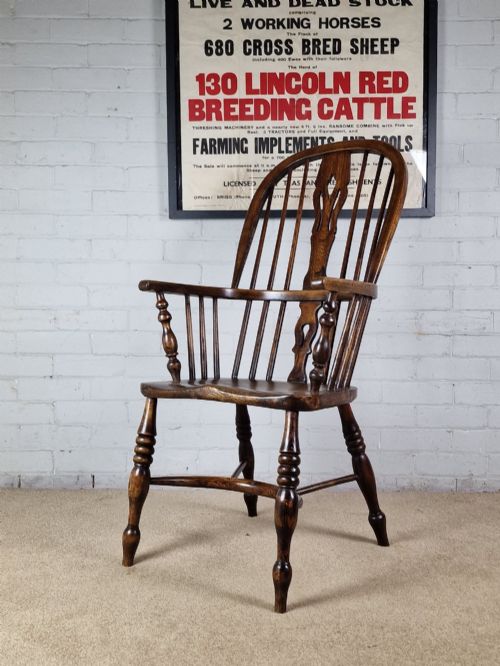
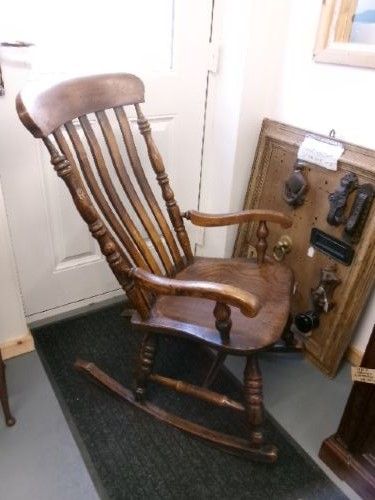
A victorian windsor high chair serves as elevated children's seating built upon traditional rustic frames, frequently adopting the high backboards and spindle arrangements typical of adult vernacular seating of the period. Buyers find these items appearing across nineteenth-century provincial workshops, spanning decades from eighteen-forty through to the end of the century.
Most examples encountered on this page combine ash and elm, utilising solid timber seats carved into deep saddles paired with bentwood hoops or comb backs. These domestic pieces reflect regional British country styles, particularly those originating from traditional manufacturing hubs in High Wycombe and northern rural workshops.
Construction and Materials
The construction relies on stick-back framing where turned spindles and uprights are wedged directly into thick solid elm seats. Elm provides the tough, interlocked grain necessary for resisting splits in the heavy saddle seat, while ash or beech supplies the flexible strength required for steam-bent hoops and slender spindles.
Joinery is achieved primarily through wedged tenons passing straight through the seat plank, creating robust connections without complex metal fasteners. Makers selected contrasting timbers deliberately, pairing pale ash frameworks with darker elm seat bases to balance resilience with visual contrast.
Evaluating Quality
Quality rests upon the crispness of the spindle turnings and the depth of the sculpted saddle seat, where finer pieces exhibit careful hand-shaping rather than flat utilitarian boards. The thickness and integrity of the steam-bent back rail also distinguish superior examples from standard workshop output.
Proportion and stance dictate the visual success of the piece, with better high chairs maintaining balanced heights and well-integrated footrests without heavy replacement timbers. Original surface patination, showing genuine wear through generations of domestic use, separates untouched specimens from heavily restored items.
The Victorian Windsor High Chair Glossary
- Comb back
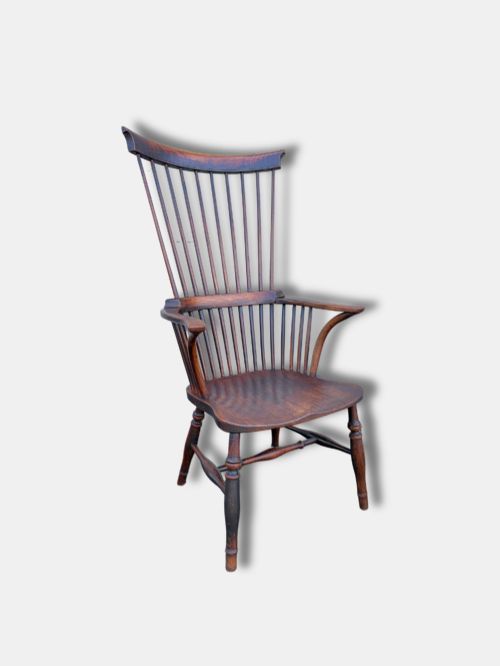
- A Windsor chair style featuring a horizontal crest rail supported by vertical spindles, resembling the teeth of a comb. This upper section is often pegged directly into the arms or the main seat frame.
- Saddle seat
- A thick wooden seat base sculpted with hollows and contours for comfort. Elm was frequently chosen for this component due to its resistance to splitting under pressure.
- Stretcher
- A horizontal wooden rod connecting the legs of a chair to provide structural rigidity. In country chairs, these are commonly turned and fitted into the underframe.
- Hoop back
- A continuous bentwood rail forming the upper back and arm support of a Windsor chair. Steam is utilised to bend the green timber into a curved profile.
Victorian Windsor High Chair: Frequently Asked Questions
How were children's high chairs used in Victorian homes?
These elevated seats allowed young children to join the family at dining tables during daily meals. They served practical domestic roles in busy kitchens and nurseries.
Their robust timber construction ensured stability while small occupants sat above floor level. The attached footrests provided support for dangling legs during extended sitting periods.
What woods are typical for these chairs?
Elm appears consistently as the primary material for solid saddle seats because of its tough, interlocking grain. Ash, beech, and fruitwood are utilised for the spindles, legs, and bentwood hoops.
This combination of native hardwoods ensured each part of the frame utilised the specific mechanical properties best suited to its structural function.
How do you date a nineteenth-century Windsor chair?
Dating relies on examining the turning styles of the legs and spindles alongside construction methods and wear patterns. Earlier pieces often display bolder turnings and deeper saddle seats.
Regional variations and workshop characteristics also help place the furniture within specific decades of the Victorian era. Tool marks left by drawknives and adzes provide further clues to the manufacturing date.
How should I care for antique elm and ash?
Maintain the timber by keeping pieces away from direct heat sources and sudden temperature fluctuations. Regular dusting with a dry cloth prevents grime accumulation on the surface.
Application of traditional wax polish helps nourish the wood and preserve the natural patination built up over generations. Avoid modern liquid cleaners that can strip the historic finish.