





Country Oak High Chair
A country oak high chair seats a small child with the rustic solidity of a vernacular farmhouse seating tradition.
Country Oak High Chair
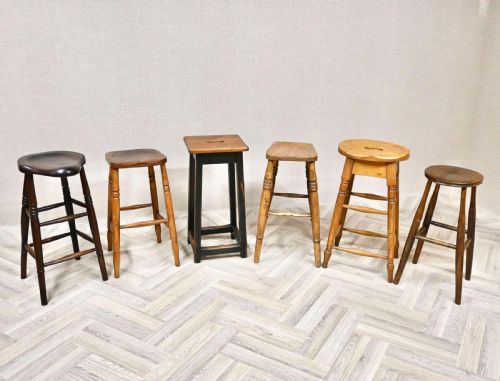
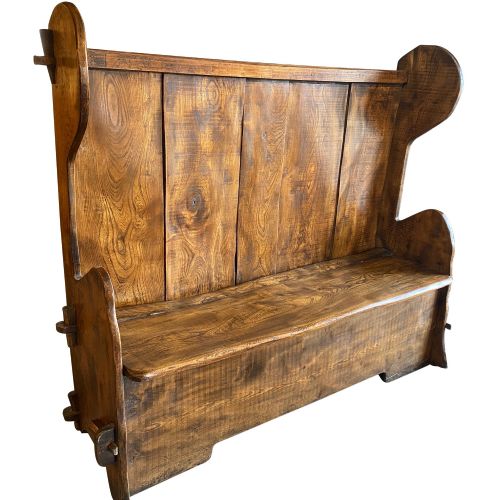
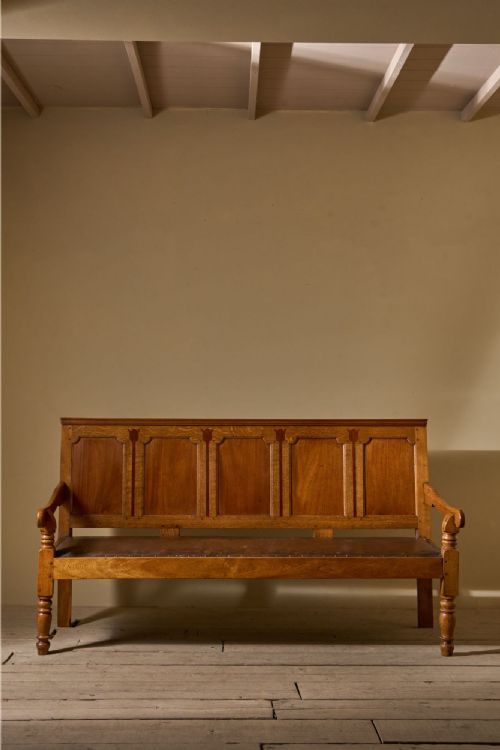
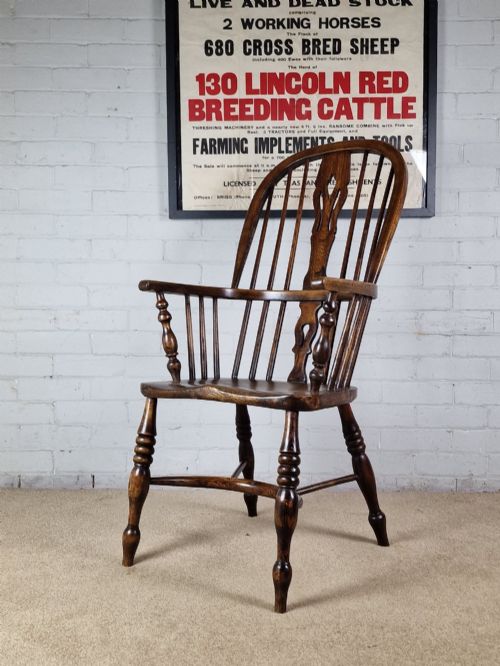
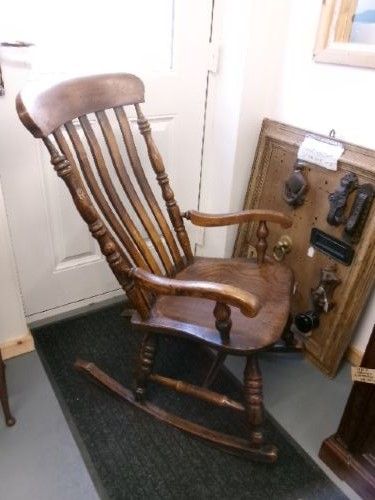
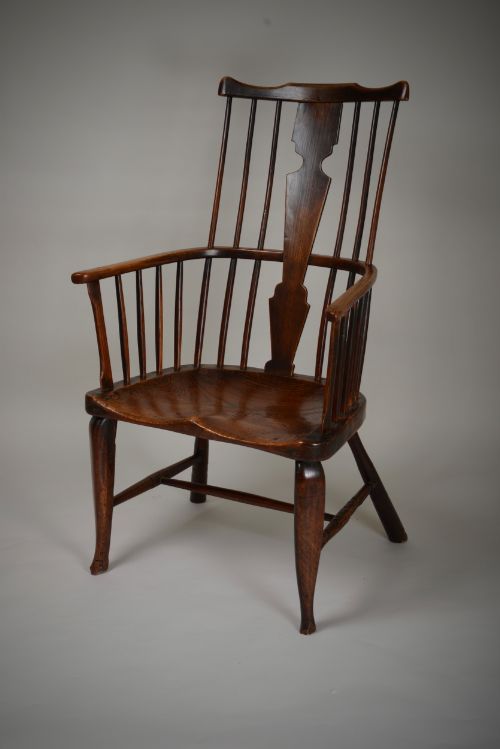
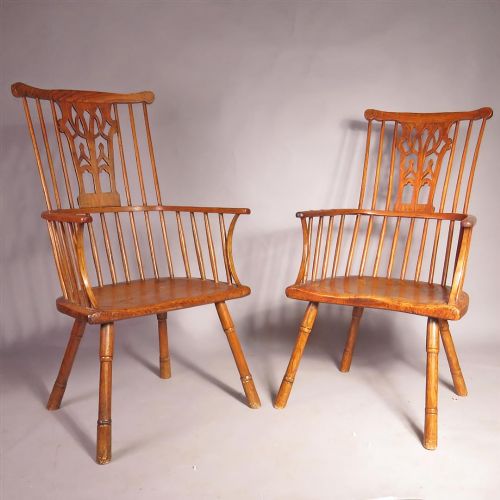
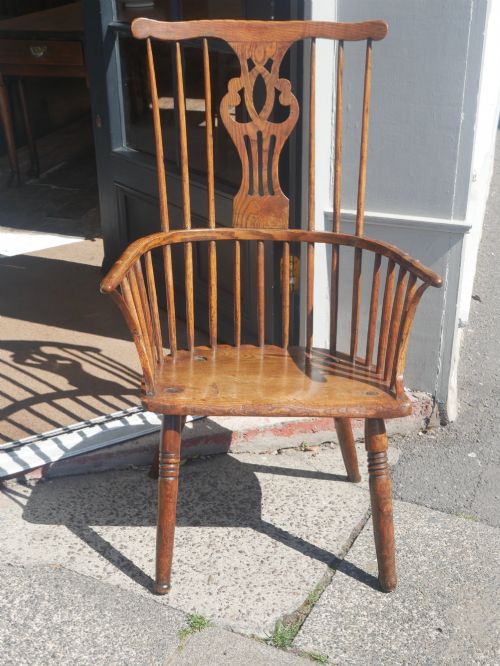
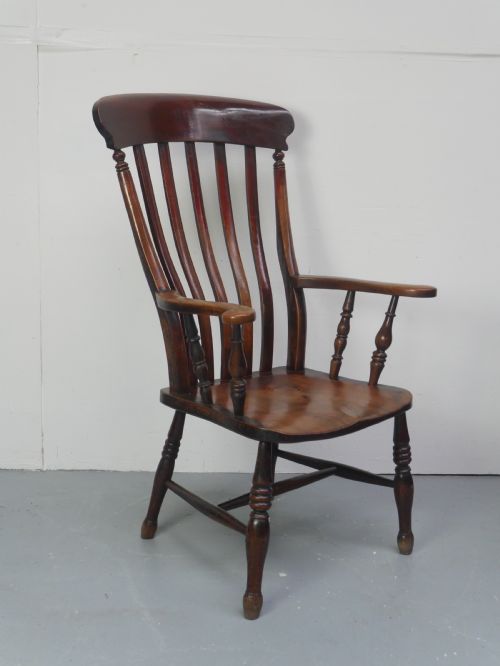
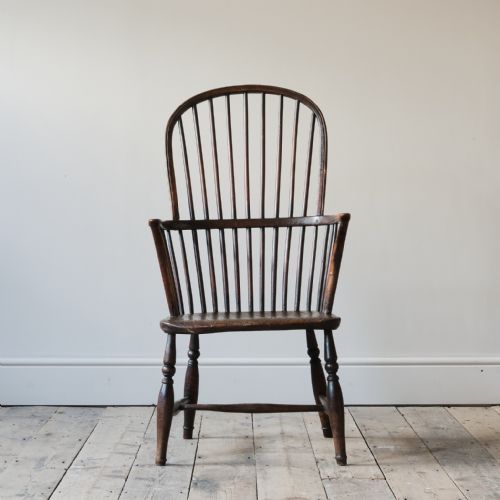
A country oak high chair provides elevated seating for children, drawing on centuries of vernacular furniture design found in homes and farmhouses. These pieces sit alongside related child forms such as low Windsor chairs and rush-seated ladderback high chairs, reflecting domestic life across various periods.
The examples seen here date from the eighteenth and nineteenth centuries up to the early twentieth century, spanning Georgian, Victorian, and Edwardian eras. They share robust timber construction intended for daily household use rather than formal display.
What varies in quality
The calibre of a country oak high chair depends on the integrity of its timber, the skill of the turning on spindles and legs, and the retention of original surface patination. Pieces that maintain their structural joins and authentic materials command greater interest.
Proportion and regional variations also distinguish individual items, as vernacular pieces often display local building traditions that affect their overall visual balance.
Listings feature timbers such as oak, elm, ash, and beech across nineteenth-century and earlier forms.
Duncan McKellar of Fenwick
The Country Oak High Chair Glossary
- Vernacular
- Everyday furniture made by regional tradesmen rather than urban cabinet makers. These pieces prioritise practical utility and local material availability.
- Windsor
- A chair style characterised by turned legs and spindles inserted into a solid wooden seat. Back designs often incorporate hoops, combs, or high profiles.
- Stretcher
- A horizontal timber connecting the legs of a chair to provide rigidity and support. Crinoline stretchers form a curved loop between the legs.
- Spindle
- A slender, turned wooden rod used to form the back or supports of a chair. These elements are shaped on a lathe to create symmetrical profiles.
Country Oak High Chair: Frequently Asked Questions
How old is my high chair?
Dating relies on observing construction methods, timber choice, and style markers typical of periods from the eighteenth to the early twentieth century.
Examining tool marks, wear patterns, and joinery helps narrow down the manufacturing era of vernacular children's seating.
Are these chairs safe for children?
While historic high chairs were built for daily domestic use, modern safety standards differ significantly from past centuries.
Many buyers choose to display these pieces as decorative antiques rather than for active daily seating.
What woods were used?
Makers selected sturdy hardwoods and local timbers capable of withstanding robust daily wear in busy households.
Oak provides the main structural framework in many pieces, often combined with elm, ash, or beech for turned components.
How do I clean the wood?
Maintenance requires gentle dusting with a soft cloth to protect the historic surface finish and accumulated patina.
Avoiding harsh chemical cleaners preserves the natural timber and the character developed over centuries of use.