


Victorian Watch Holder
A Victorian watch holder keeps a pocket watch safe by the bed or desk, offering a tactile piece of nineteenth-century domestic life.
Victorian Watch Holder
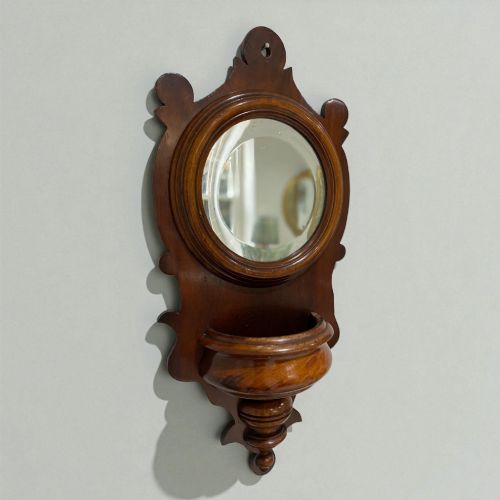
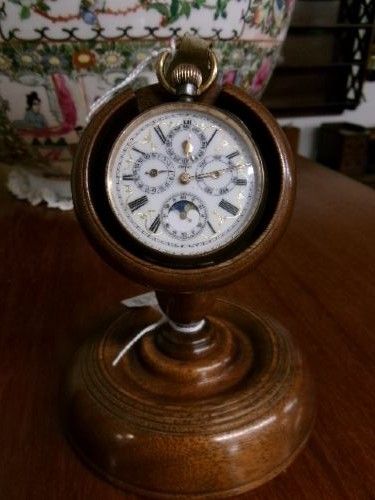
When you search for a Victorian watch holder, you are looking at small domestic stands and bedside accessories designed to hold pocket watches securely when not being worn. These pieces range from ceramic figures to metal stands and desk clocks.
On this page, the version you are most likely to meet is the Staffordshire pottery watch holder, often modelled as figural groups or architectural facades with a small central hook. These ceramic pieces date from the nineteenth century, notably around 1880.
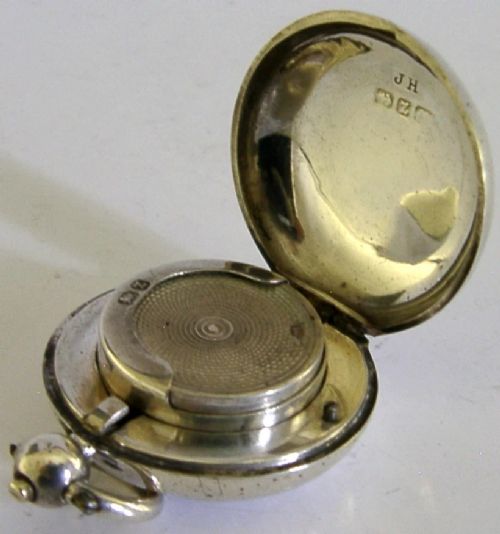
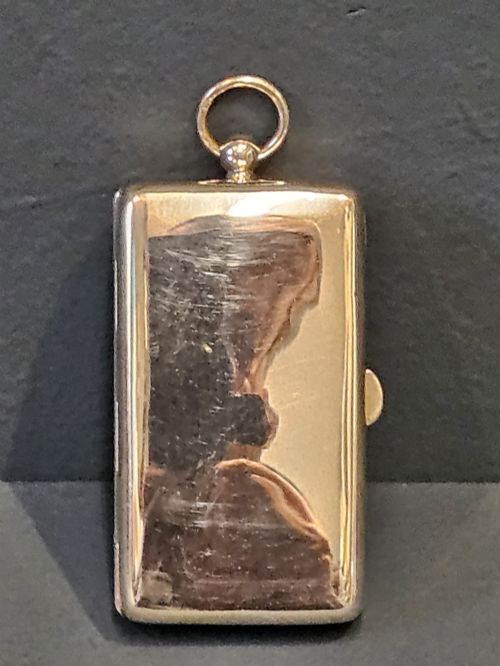
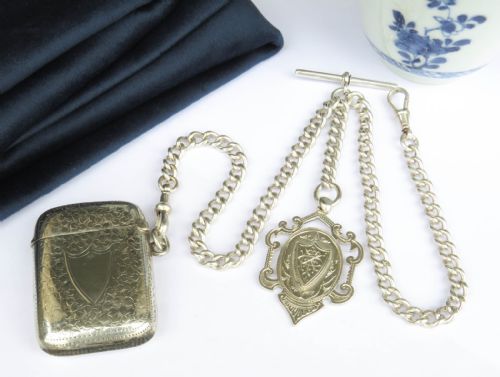
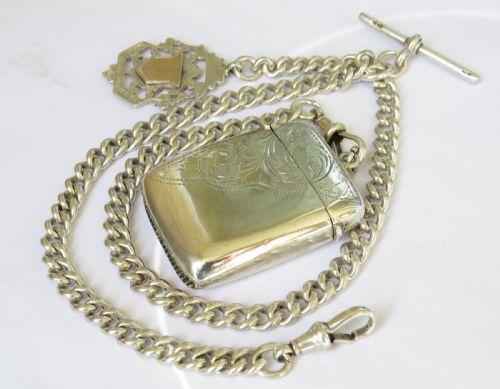
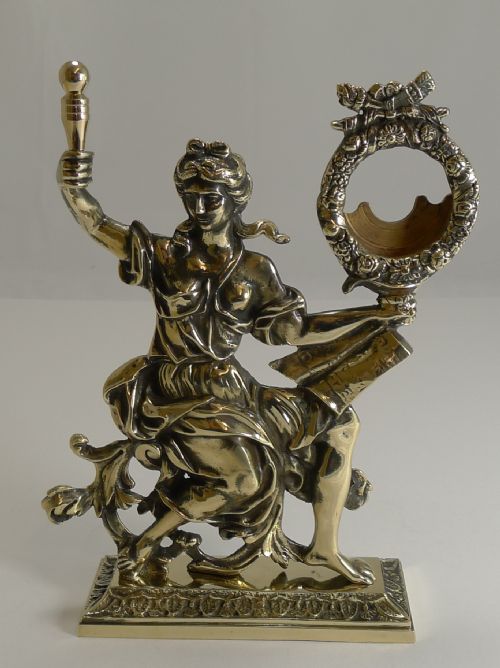
Alongside pottery stands, the evidence shows metal examples including cast brass figural stands and gilt bronze designs with enamel work. Pocket watch chains, vesta cases and sovereign cases also appear frequently alongside the main holders.
Materials and construction
Pottery watch holders are formed from earthenware and glazed ceramic, often featuring hand-painted details and gilt accents. Staffordshire potteries shaped these figures to serve a dual purpose as ornamental chimney pieces and practical bedside stands.
Metal pieces utilise cast brass, gunmetal and sterling silver, sometimes combined with champleve enamel or gilt bronze. These materials provide the rigidity and weight needed to support pocket watches and small desk clocks safely.
The Three Graces quietly oversee ticking timepieces from their ceramic perch.
Judging quality
In metal stands, the distinction lies in the precision of the casting and the execution of surface decoration such as enamel work. Pieces signed by makers or bearing clear hallmarks demonstrate superior workshop standards.
The Victorian Watch Holder Glossary
- Staffordshire pottery
- Earthenware produced in the Potteries region of Staffordshire. These factories turned out numerous figural groups and chimney ornaments during the nineteenth century.
- Vesta case
- A small pocket container designed to hold matches. They are frequently made of sterling silver and match the pocket watch chains common in this period.
- Sovereign case
- A small circular container used to carry gold sovereign coins. These pieces often share silver construction and hallmarks with watch chains.
- Champleve enamel
- An enamelling technique where troughs are carved into a metal surface and filled with vitreous paste before firing. This method adds rich colour to bronze desk items.
Victorian Watch Holder: Frequently Asked Questions
What is a Victorian watch holder?
A Victorian watch holder is a small decorative stand or figural group designed to hold a pocket watch when it is not being worn. They were typically placed on bedside tables, mantelpieces or desks.
These pieces keep the watch accessible and safe from damage. They reflect the domestic habits of the nineteenth century when pocket watches required a dedicated resting place at night.
How were watch holders used?
Owners hung their pocket watches by the loop onto a small hook projecting from the front of the stand. This allowed the watch face to remain visible for checking the time.
In addition to holding watches, some ceramic examples served purely as decorative mantel ornaments. Metal desk versions often combined the watch stand with small calendars or timepieces.
What materials are they made from?
The evidence shows watch holders made from glazed earthenware and Staffordshire pottery. These ceramic pieces often feature hand-painted details and gold accents.
Other versions are constructed from cast brass, gilt bronze and gunmetal. Some metal pieces incorporate champleve enamel for decorative effect alongside sterling silver components.
How do I date a watch holder?
Dating relies on stylistic clues, ceramic bodies and hallmarked metal components. Pieces in the evidence point to the nineteenth century, specifically around 1880 to 1900.
Staffordshire figural groups and cast brass stands share design traits with other domestic objects of the period. Silver parts often carry hallmarks that identify the exact year of manufacture and assay office.