
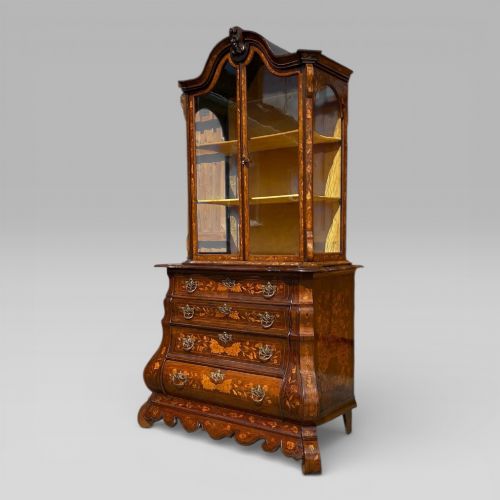


Victorian Walnut Vitrine
A victorian walnut vitrine brings glass-fronted display and figured timber together, offering a stately home for collections.
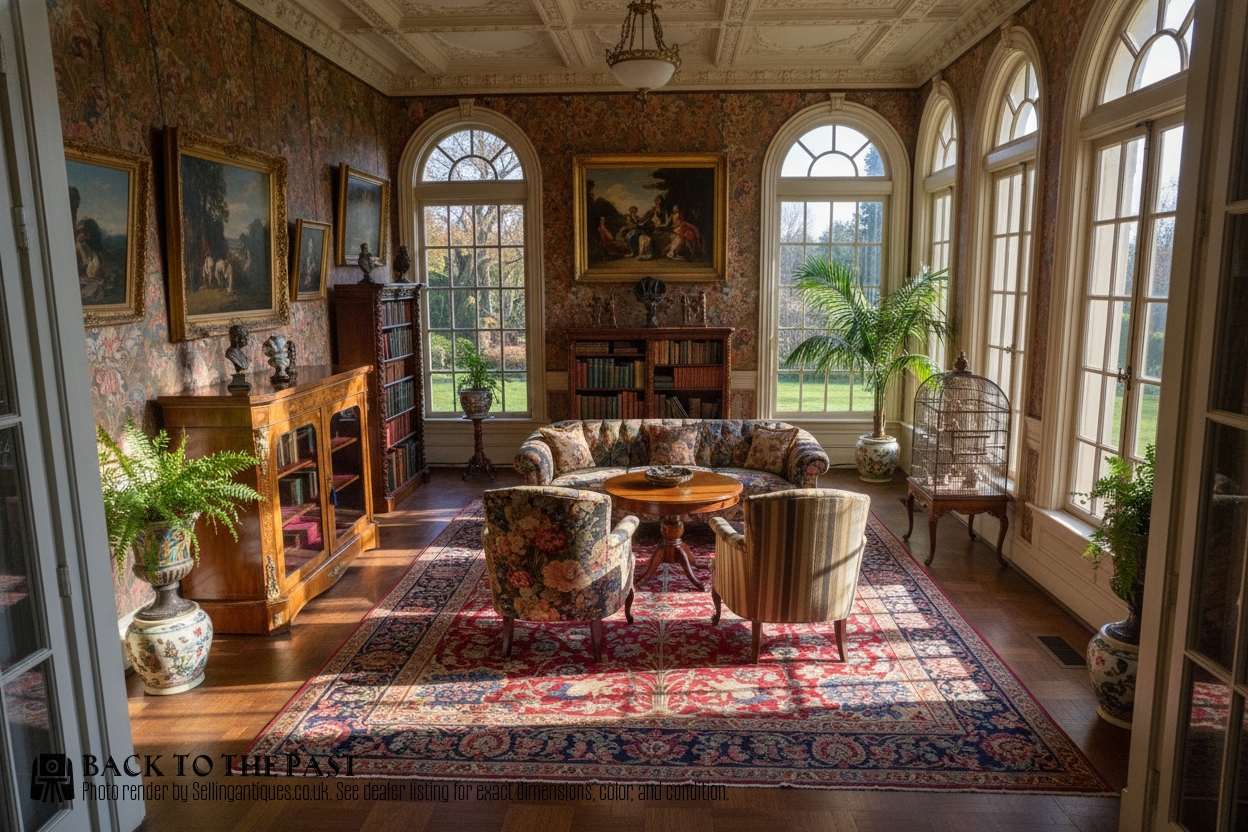
Victorian Walnut Vitrine
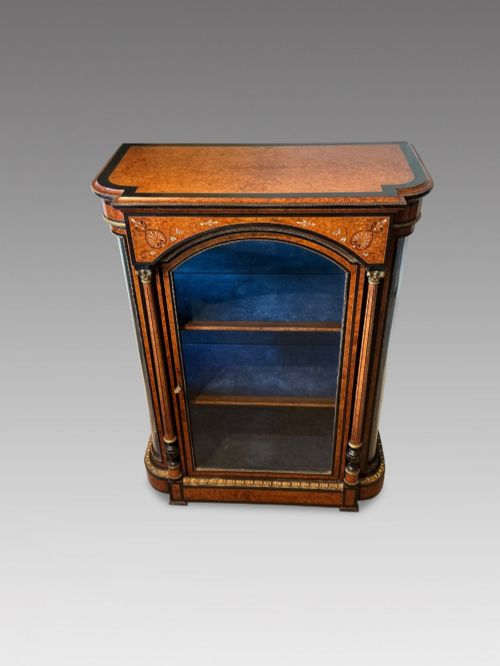
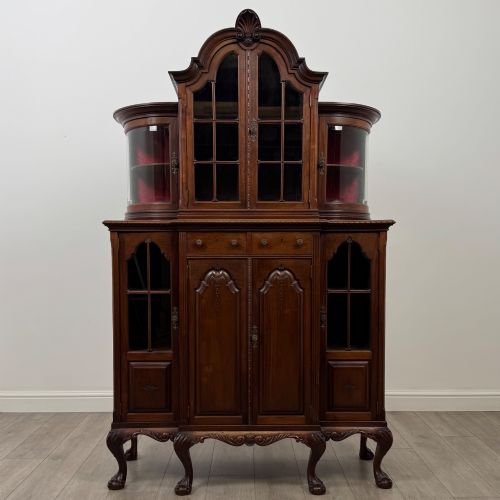
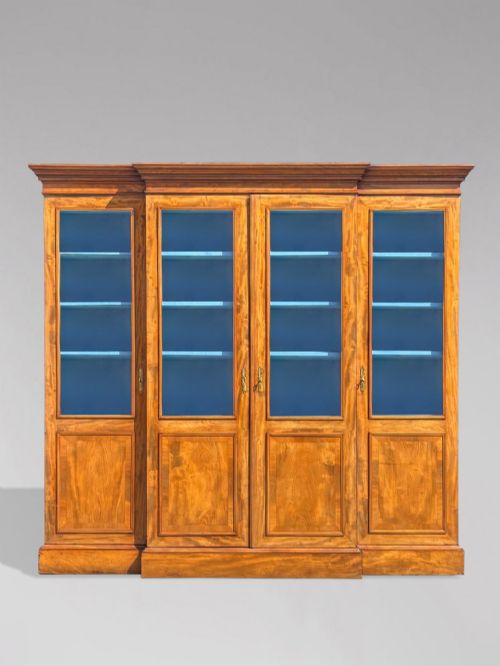
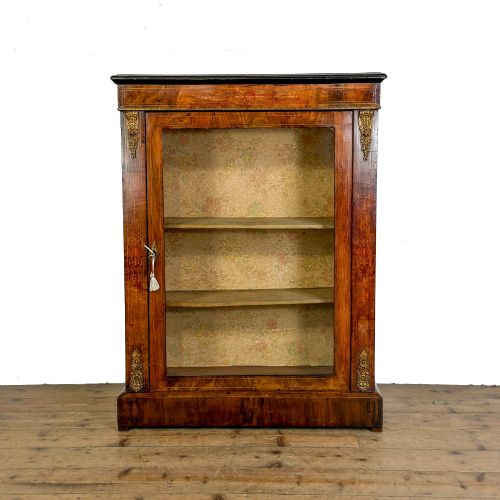
A victorian walnut vitrine is primarily encountered as a pier cabinet, a slim glazed display piece designed to sit against a wall between windows or architectural openings. These cabinets often appear alongside related display furniture, including corner cabinets, bookcases, and low vitrines.
The objects stem predominantly from the nineteenth century, spanning Victorian production alongside occasional examples from the Edwardian and Regency periods, as well as continental movements like Louis Philippe and Dutch Baroque Revival.
Materials and Construction
Makers utilised walnut and burr walnut as the primary timbers, frequently selecting figured veneers to create patterned wooden surfaces across doors and panels. These surfaces are often enhanced with contrasting boxwood inlay or marquetry.
Metal mounts in ormolu and brass accent the corners, cornices, and doors, while glass panels provide visibility for the interior shelves. Interiors are sometimes lined with velvet to cushion displayed objects.
Some nineteenth-century display cabinets managed to squeeze multiple display zones into a single narrow pier footprint.
Evaluating the Pieces
The quality of a cabinet rests on the selection of the timber veneer and the precision of the marquetry inlay. Pieces exhibiting intricate boxwood work or well-matched burr walnut grain sit at the upper end of the range.
Mounting hardware also dictates standard, with cast and chased ormolu details marking out finer productions against simpler brass fittings. The integration of glazed doors with sound framing completes the measure of a piece.
Edwards and Roberts
The Victorian Walnut Vitrine Glossary
- Vitrine
- A glass-fronted cabinet designed for the display of fine objects or porcelain. These cases protect items from dust while providing maximum visibility.
- Pier cabinet
- A narrow cabinet specifically built to fit the wall space between windows. They typically feature a single glazed door and flat sides.
- Ormolu
- Gilded bronze mounts applied to furniture for decoration. The technique gives a rich metallic contrast against dark walnut timber.
- Marquetry
- Decorative patterns formed by inserting pieces of wood veneer into a background panel. Makers utilised this to create floral or geometric designs.
- Burr walnut
- Timber taken from the warted growths of walnut trees, yielding highly swirled grain patterns. It forms the decorative surface on many high-status cabinets.
Victorian Walnut Vitrine: Frequently Asked Questions
What is a pier cabinet?
A pier cabinet is a narrow display piece designed to occupy the wall space, known as the pier, between two windows. They provide vertical storage with glass doors.
These cabinets typically stand on low feet and match the height of adjacent window sills, serving a dual purpose of display and architectural balance.
How do I clean the wood?
Maintenance requires soft cloths and periodic application of traditional wax polish to nourish the walnut grain. Avoid modern silicon sprays.
Keep wooden cabinets away from direct sunlight and heating vents to prevent the timber from drying out or the veneer from lifting.
Were these used for books?
Many glazed cabinets served as bookcases or repositories for prized volumes alongside decorative ornaments. The adjustable shelving accommodated various sizes.
Display cabinets with locking doors often housed delicate ceramics, glassware, and collections of natural curiosities rather than everyday reading material.
What is burr walnut?
Burr walnut is timber harvested from a tree growth that produces highly distorted, swirling grain patterns. It was prized for luxury furniture.
Cabinet makers sliced this figured wood into thin veneers to wrap the exterior surfaces of display pieces, creating striking visual symmetry.