
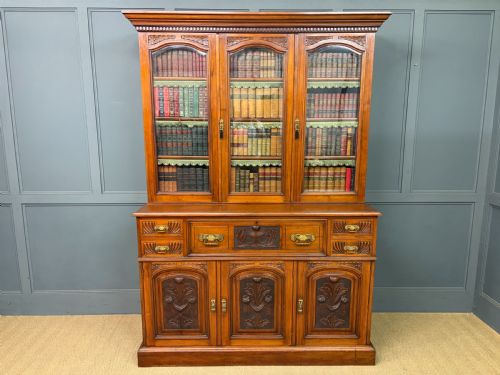


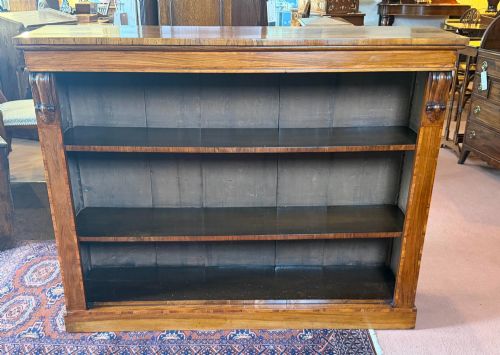
Victorian Walnut Display Cabinet
When choosing a victorian walnut display cabinet, look for figured burr veneers, fine marquetry and gilt brass mounts that define mid nineteenth century drawing room furniture.

Victorian Walnut Display Cabinet
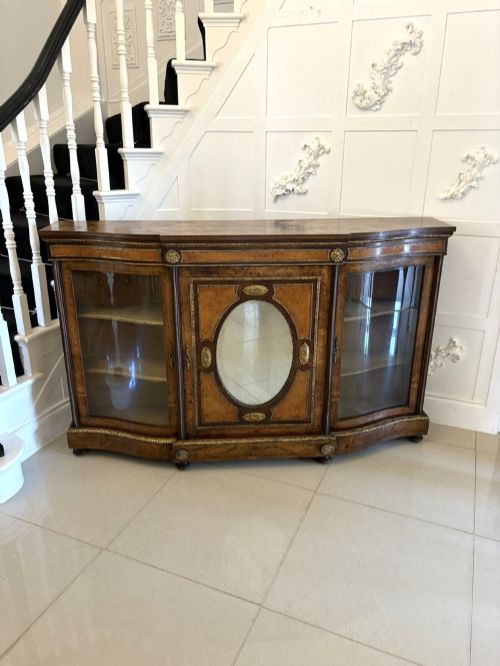
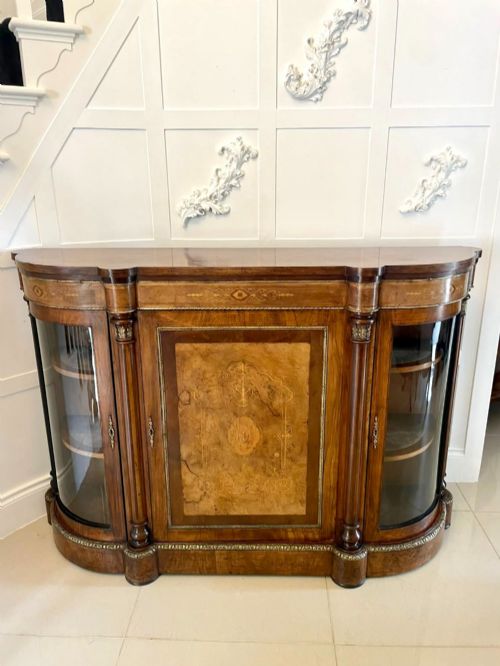
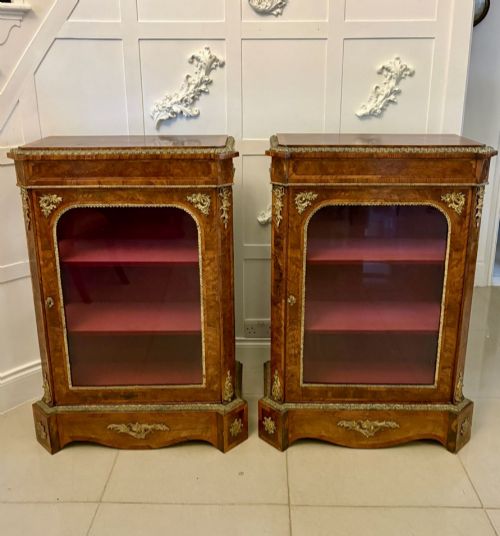
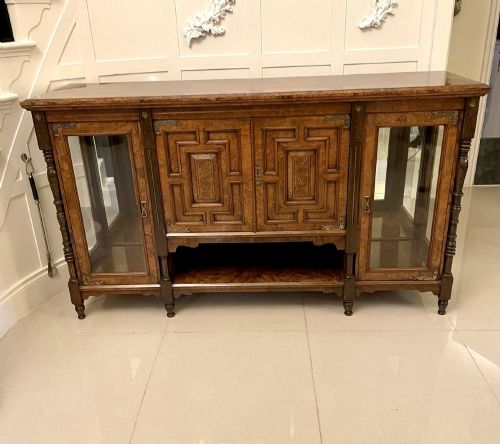
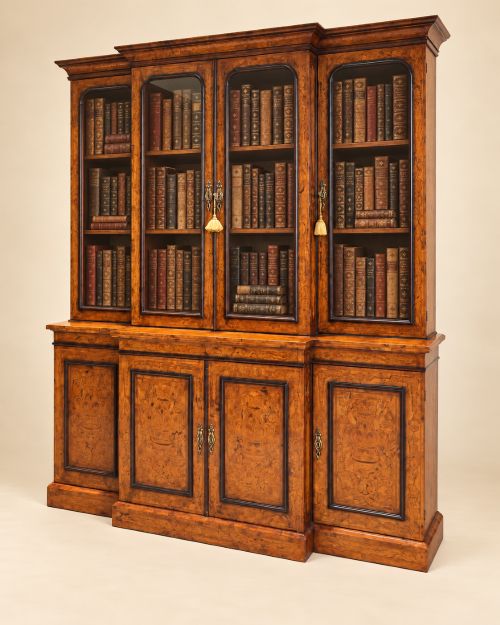
A victorian walnut display cabinet typically takes the form of a glazed pier cabinet, a low credenza designed for a drawing room, or a taller bookcase made to showcase porcelain and collected objects. These pieces originate predominantly from the nineteenth century, spanning decades from eighteen fifty to eighteen eighty, alongside occasional continental examples and revivals in the Queen Anne style.
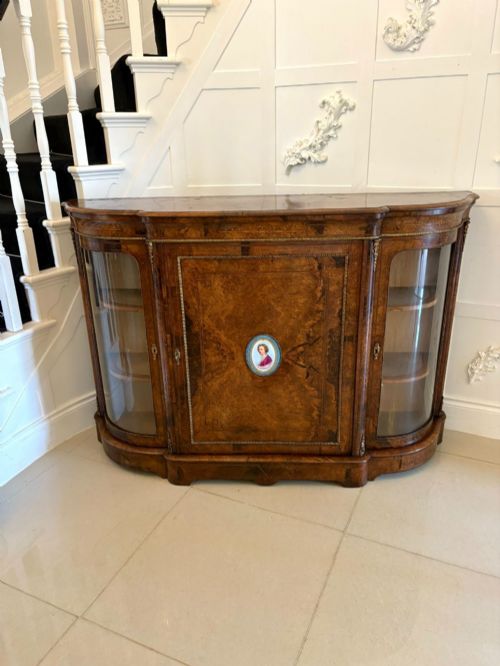
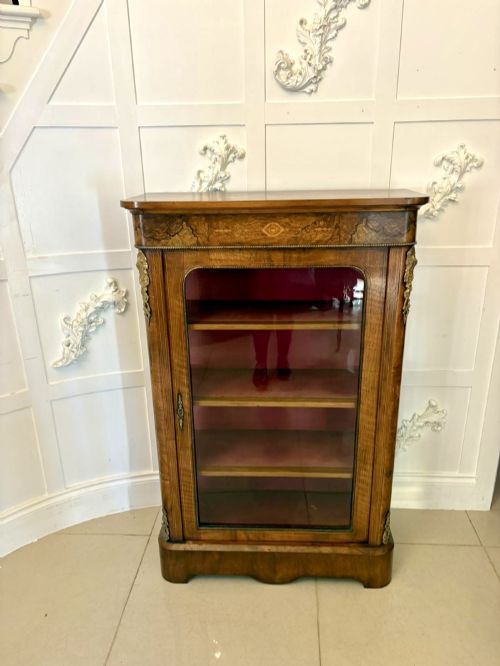
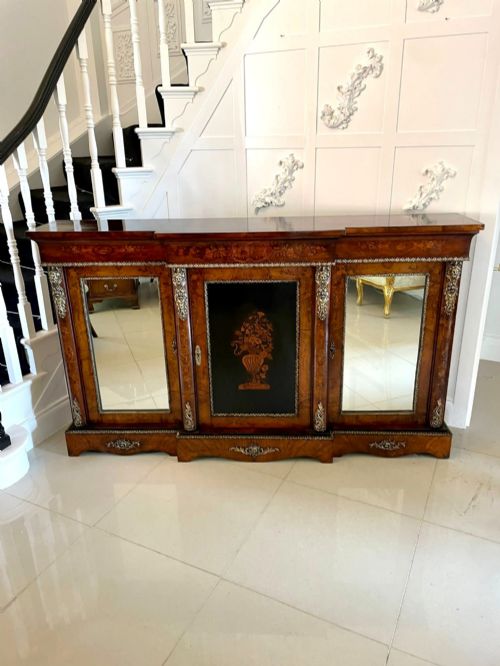
The most common version met on this page is the single door pier cabinet or the multi section credenza, veneered in rich burr walnut and finished with glass panels to protect the interior shelves. Makers of the period utilised these formats to display ceramics and books, combining storage with decorative presence in formal reception rooms.
Materials and construction
Carpenters constructed these cabinets using a structural carcass of pine or mahogany, onto which they applied highly figured burr walnut veneers to achieve complex, repeating grain patterns across the primary surfaces. Wood inlay, often incorporating satinwood and other contrasting timbers, creates delicate floral marquetry panels on the friezes and doors.
Gilt bronze or ormolu mounts edge the glazed doors, pilasters and feet, while brass stringing outlines individual panels. Interiors are frequently lined with velvet behind glass doors fitted with secure brass locks.
Victorian Walnut Display Cabinet Retail Price Guide 2026
Typical asking prices for victorian walnut display cabinet among the pieces listed under this phrase on Sellingantiques today, from the lower quarter to the upper quarter. They describe what is for sale here now, not the wider market.
Listings feature eighteenth century and nineteenth century periods, utilising burr walnut, glass, brass, ormolu, velvet, wood inlay, and ebonised wood across various cabinet forms.
Distinctions in quality
Quality in a victorian walnut display cabinet rests upon the selection and matching of the burr walnut veneer, where symmetrical grain alignment across the doors indicates superior cabinet making. The depth and precision of the floral marquetry inlay, together with the weight and chasing of the ormolu mounts, separate standard workshop output from exceptional pieces.
Structural refinement shows in the thickness of the glass, the quality of the brass fittings, and whether shelves remain fully adjustable without warping over time.
Gabriel Viardot·Lamb of Manchester·Maison Gagneau·Gillows
The Victorian Walnut Display Cabinet Glossary
- Burr walnut
- A figured wood veneer harvested from walnut tree growths, prized for its swirling, highly decorative grain patterns. It forms the primary visual surface on the best nineteenth century cabinets.
- Credenza
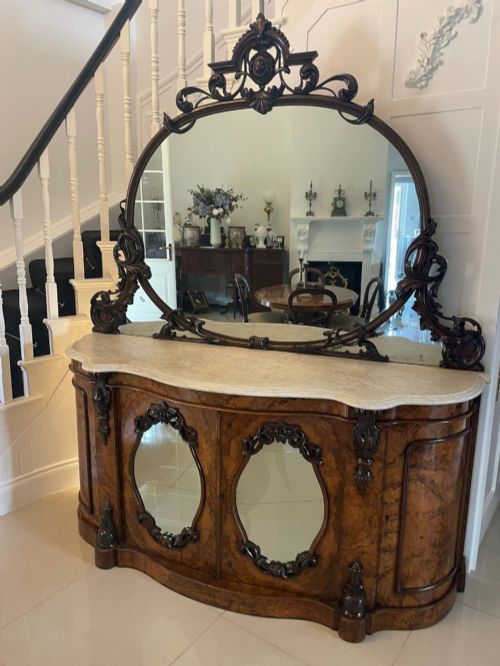
- A low cabinet or sideboard designed for formal reception rooms, frequently featuring glazed central doors flanked by curved side compartments. These pieces often incorporate mirrored backs and elaborate marquetry.
- Pier cabinet
- A narrow display cabinet built specifically to stand against the wall space between windows. They typically feature a single glazed door and flat sides.
- Ormolu
- Gilt bronze mounts applied to furniture for decorative accent, cast and chased with ornamental detail. It frames doors and highlights corners on high status pieces.
- Marquetry
- Decorative patterns formed by fitting together contrasting veneer slices into wooden surfaces. Floral motifs and geometric banding are common on nineteenth century examples.
Victorian Walnut Display Cabinet: Frequently Asked Questions
What is a pier cabinet used for?
A pier cabinet was designed to occupy the narrow wall space between drawing room windows. It provided a secure, glass fronted space to exhibit prized porcelain and decorative objects.
Inside, adjustable wooden shelves allowed owners to arrange collections of varying heights. The glass protected delicate items from dust and soot in coal heated Victorian homes.
How do I care for burr walnut?
Burr walnut veneer requires stable room humidity and protection from direct sunlight to prevent the thin wood from drying and splitting. Regular dusting with a soft, dry cloth maintains the polished finish.
Avoid placing these cabinets near heat sources or damp exterior walls. Occasional application of appropriate wax polish nourishes the timber without building up heavy residue.
What distinguishes a credenza from a cabinet?
A credenza is typically a long, low piece of furniture featuring a central cupboard flanked by curved glass doors or open display compartments. They were built specifically for formal drawing rooms to display decorative ceramics.
Standard display cabinets are often taller and narrower, such as pier cabinets or bookcases, designed to fit restricted wall spaces while offering vertical storage.
How are different periods identified?
Mid nineteenth century pieces from eighteen fifty to eighteen eighty often display rich burr walnut veneers combined with cast ormolu mounts and floral marquetry. Earlier examples tend to rely on simpler architectural lines and heavier solid timbers.
Later Victorian and Aesthetic Movement pieces introduce ebonised elements, lighter satinwood inlay, and influences from Japanese design following international exhibitions.