

Victorian Walnut Desk Chair
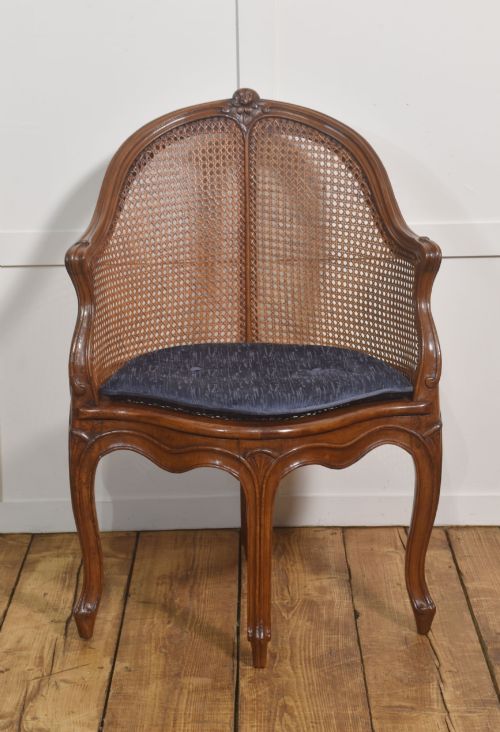
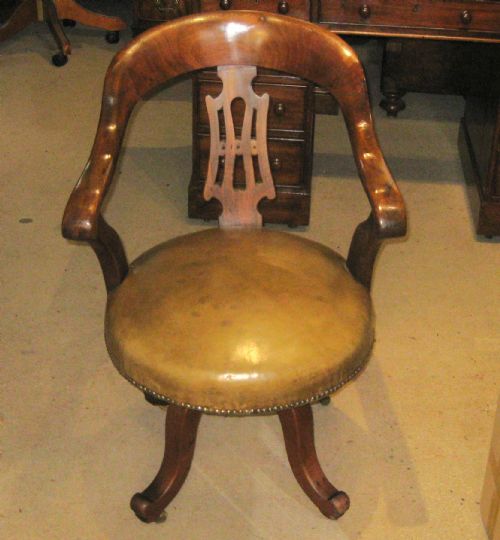
A victorian walnut desk chair combines rich, dark timbers with practical swivelling mechanisms and supportive upholstery for study or office work.
Victorian Walnut Desk Chair
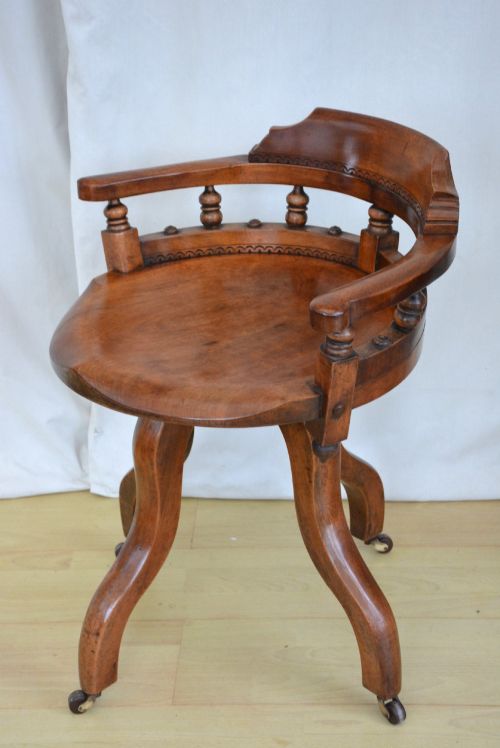
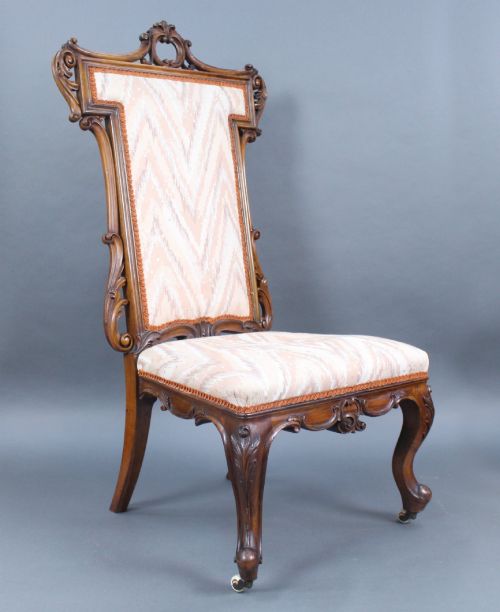
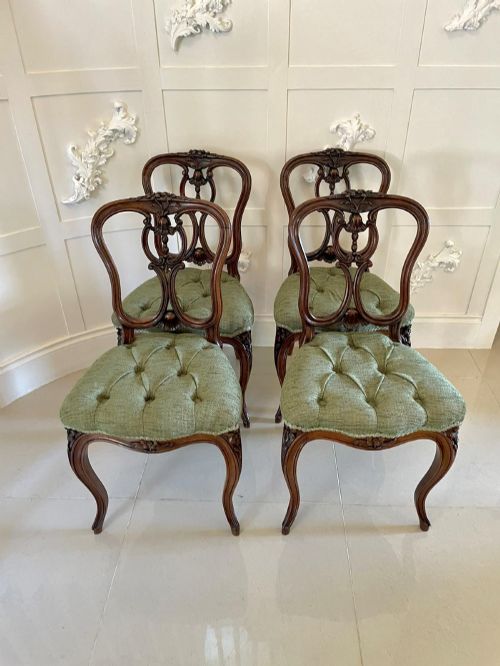
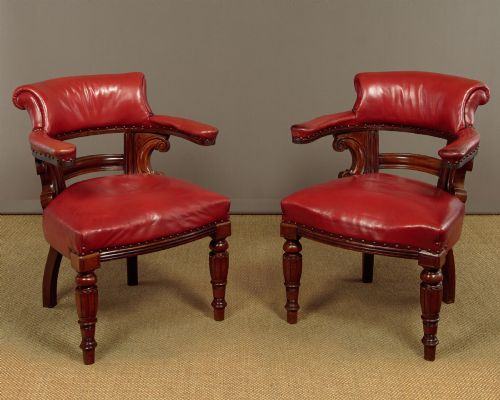
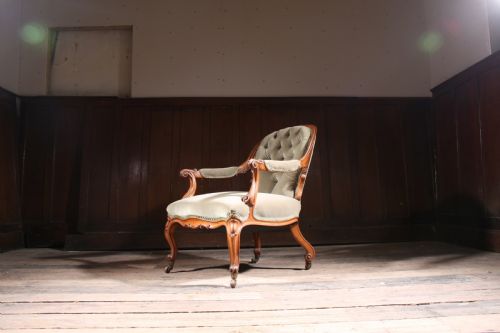
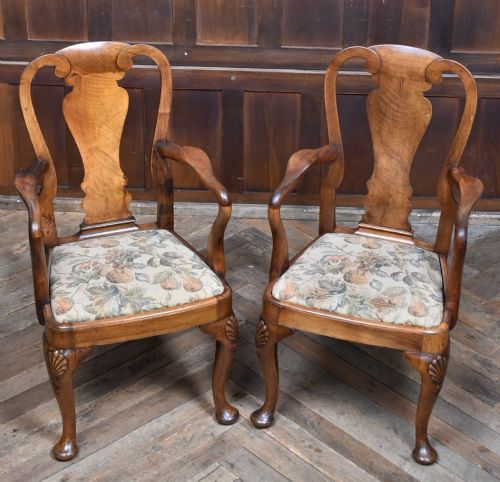
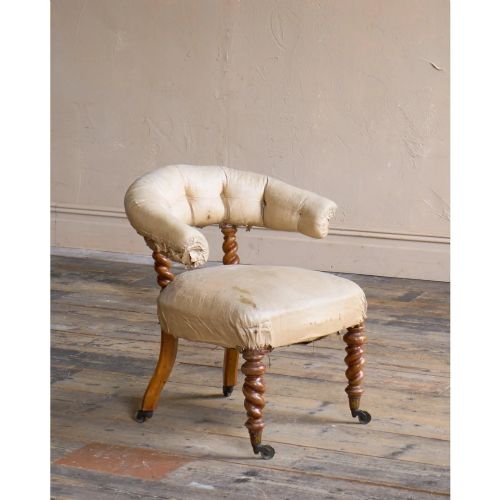
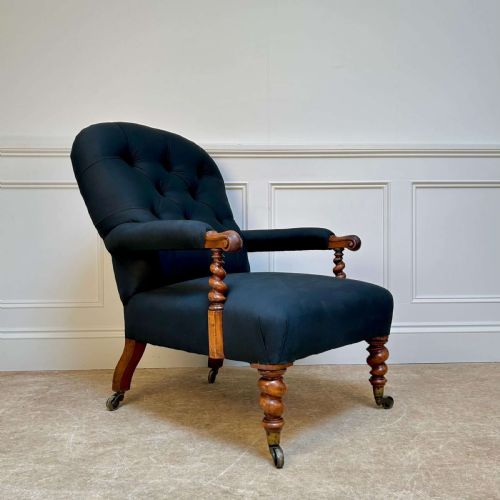
A victorian walnut desk chair serves as a functional seating option found across study spaces and libraries from the nineteenth century. These pieces emerge in various forms, including revolving office chairs, stationary armchairs, and tub chairs designed for daily seating.
The pieces present distinct regional and stylistic traits originating from the nineteenth century, spanning decades such as eighteen eighty and eighteen ninety. Buyers encounter swivel mechanisms, cabriole legs, and upholstered backs reflecting the tastes of the period.
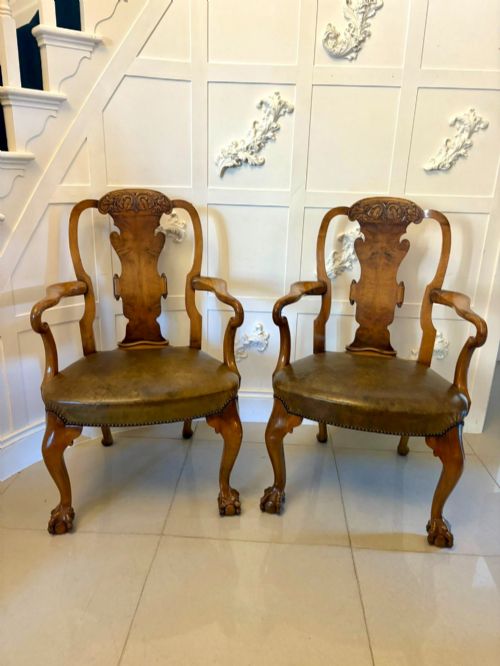
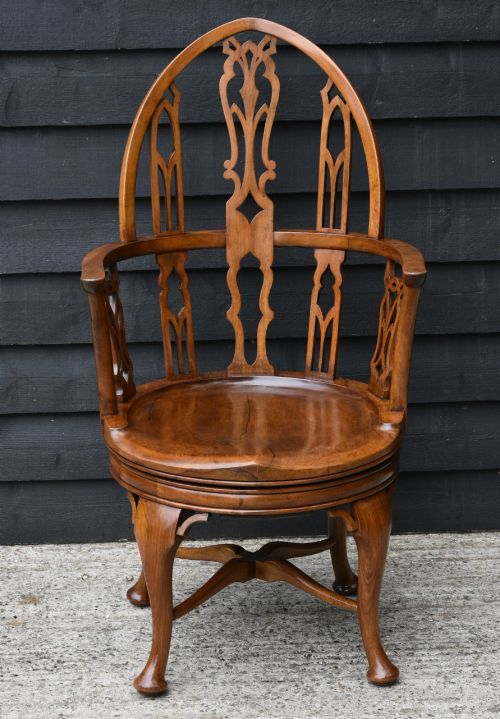
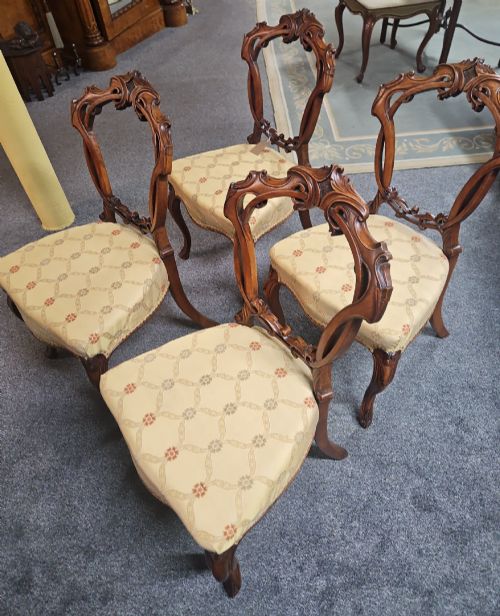
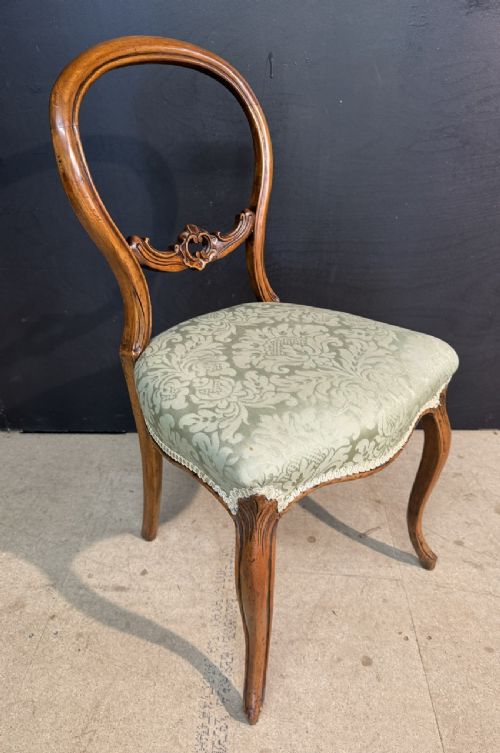
The selection ranges from simple side chairs to heavy library armchairs upholstered in leather or velvet. Many examples incorporate stylistic revivals such as Gothic, Queen Anne, or Aesthetic Movement details into their wooden frames.
Materials and Construction
Makers utilised solid walnut and burr walnut veneers to construct the main frames, providing a dense structure with pronounced grain patterns. Brass components frequently appear in swivel mechanisms, castors, and decorative hardware supporting the wooden framework.
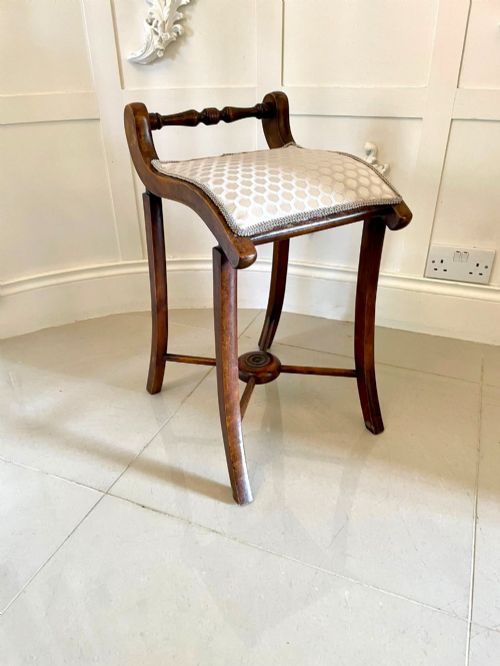
Upholstery materials such as leather, velvet, and various woven textiles cover the seats and backrests. Craftsmen secured these coverings using traditional tacks, often pairing them with buttoned detailing or hand-carved wooden flourishes.
Listings feature nineteen-century pieces constructed from walnut, brass, leather, and velvet, spanning specific decades from eighteen fifty to nineteen hundred.
Craftsmanship and Proportion
The standard of carving defines the distinction between standard production items and exceptional commissions. Crisp hand-carving on the crest rails and cabriole legs indicates superior workshop output.
The complexity of the mechanical parts also marks the grade of the piece. Smoothly functioning swivel systems and robust underframes demonstrate higher initial manufacturing standards compared to basic fixed seats.
C. Hindley & Sons·J. & T. Scott, Edinburgh·Boston Chair Company·Heal & Son·Gillows
The Victorian Walnut Desk Chair Glossary
- Walnut
- A dense, hard timber prized for its rich dark brown colour and varied grain patterns. It served as the primary framing material for finer Victorian seating.
- Burr Walnut
- A figured wood veneer taken from the excrescences of the tree, displaying intricate swirling patterns. It was applied to prominent surfaces for decorative effect.
- Cabriole Leg
- A furniture leg that curves outward and then tapers inward with a pad or scroll foot. This shape derives from classical animal forms adapted during revival periods.
- Tub Chair
- An upholstered seating form where the back and arms form a single continuous, curved enclosure. These pieces provide a cocoon-like support.
- Revolving Mechanism
- An internal iron or brass pivot assembly allowing the seat to rotate. This hardware enables movement for office and desk use.
Victorian Walnut Desk Chair: Frequently Asked Questions
Are these chairs comfortable for daily use?
Many examples feature generous upholstered seats and supportive curved backrests designed for extended periods of sitting at a desk.
Revolving mechanisms and adjustable heights on specific models add ergonomic adaptability for modern workspaces.
How do I identify a swivel desk chair?
A swivel model rests on an iron or wooden spider base, often fitted with brass castors to allow movement across the floor.
The seat box conceals the central iron spindle that permits the upper portion of the chair to rotate independently.
What is burr walnut?
Burr walnut is a specialised wood veneer cut from growths on the tree where the grain grew in a deformed, swirling manner.
Cabinet makers applied these highly figured sheets to the most visible parts of the chair frame for visual impact.
Did these chairs always have leather seats?
While leather remains a common surviving material due to its durability in studies and offices, original upholstery also included velvet and heavy textiles.
Many pieces have undergone re-upholstering over the decades to maintain their usable condition in modern homes.