

Victorian Library Desk Chair
A victorian library desk chair brings solid timber and leather into a study, offering sturdy support for long hours of reading and writing.
Victorian Library Desk Chair
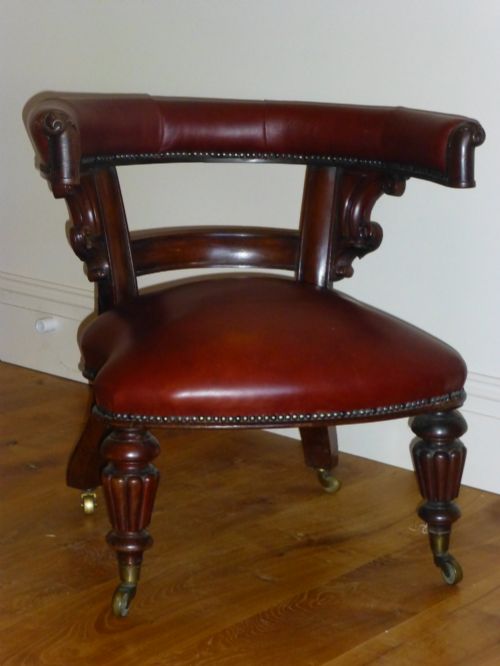
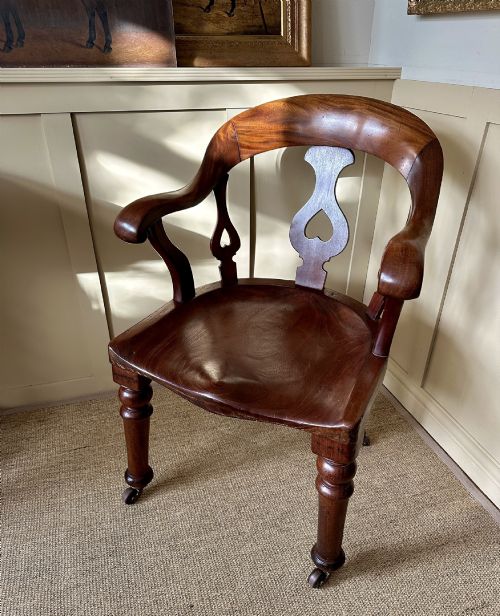
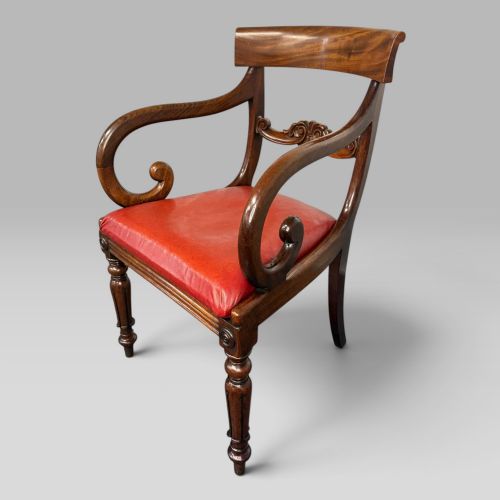
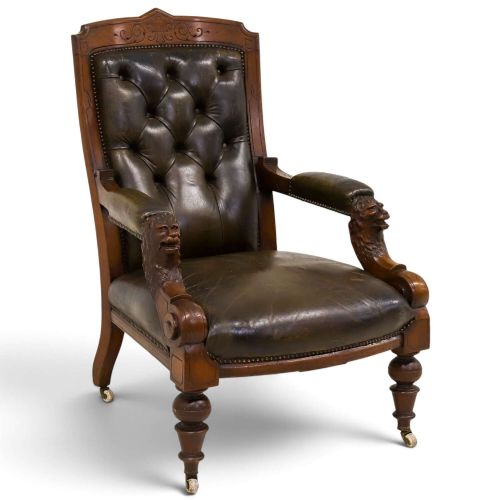
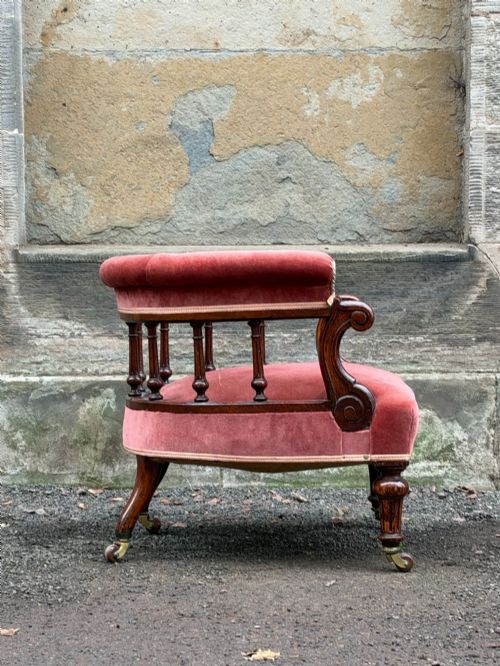
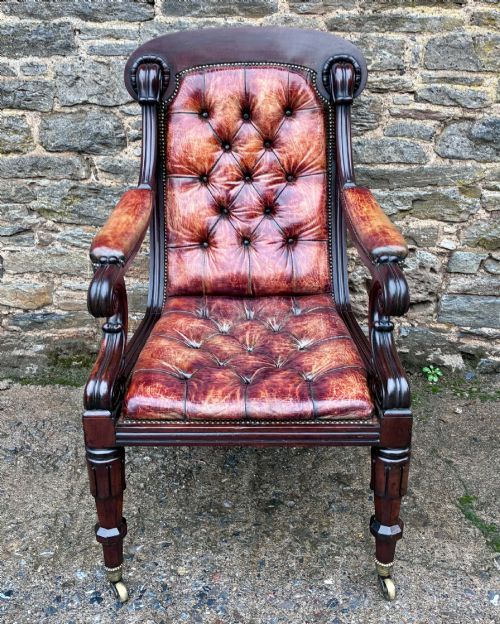
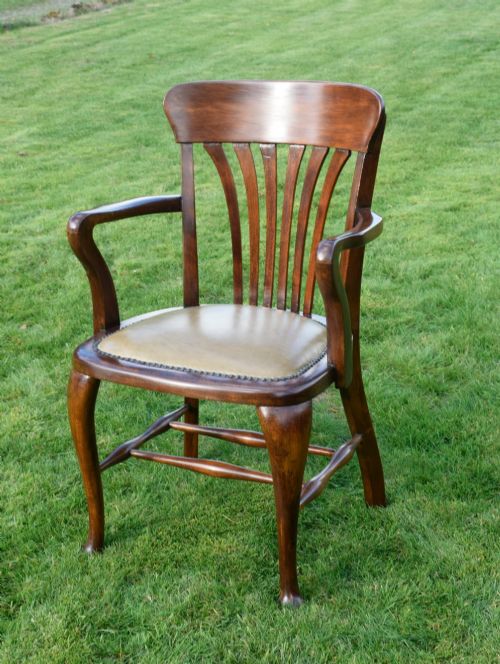
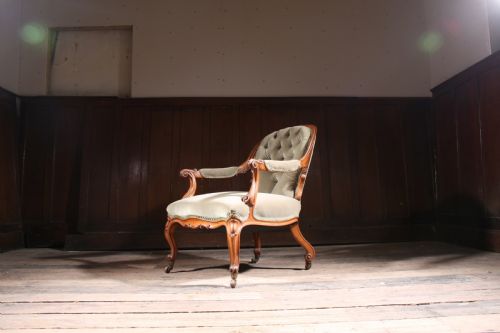
A victorian library desk chair bridges the gap between domestic comfort and study function, appearing most often as a mahogany or oak armchair framed for daily use. These pieces emerge primarily from the nineteenth century, taking forms such as revolving office seats, reading chairs with integrated stands, and heavy upholstered armchairs.
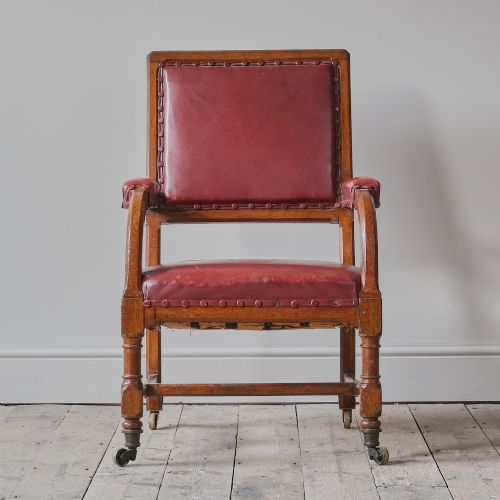
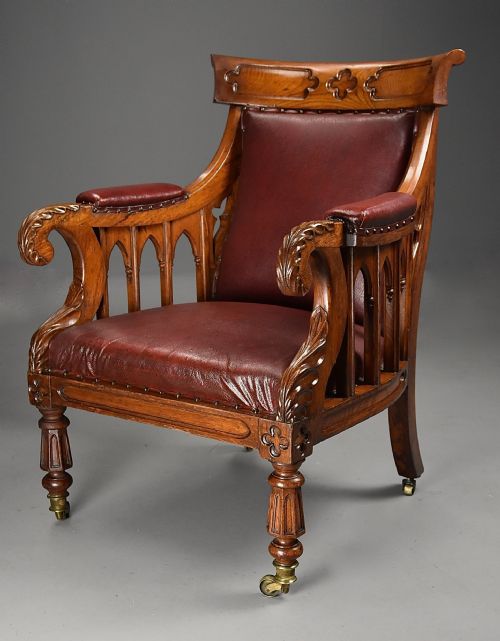
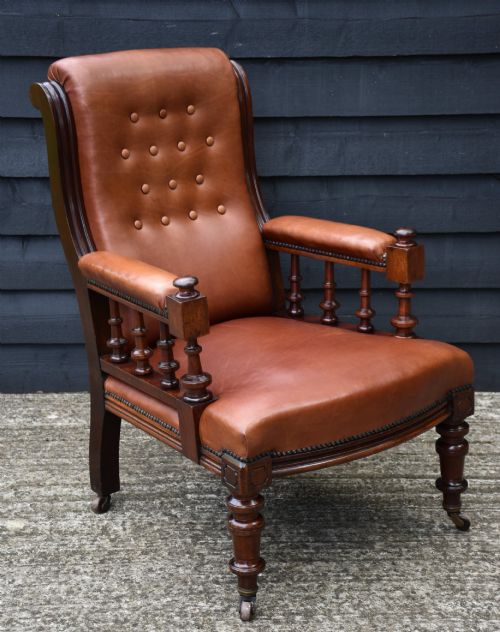
Makers designed these seats for serious work, pairing substantial wooden frames with padded seats and backs. The inventory shows variations from simple spindle backs to revolving models and Gothic revival armchairs, reflecting the diverse needs of nineteenth-century studies.
Buyers encounter numerous variations labelled as library chairs, desk armchairs, and reading chairs. Mahogany and walnut dominate the selection, frequently paired with leather or fabric upholstery suited to a scholar's room.
Materials and Construction
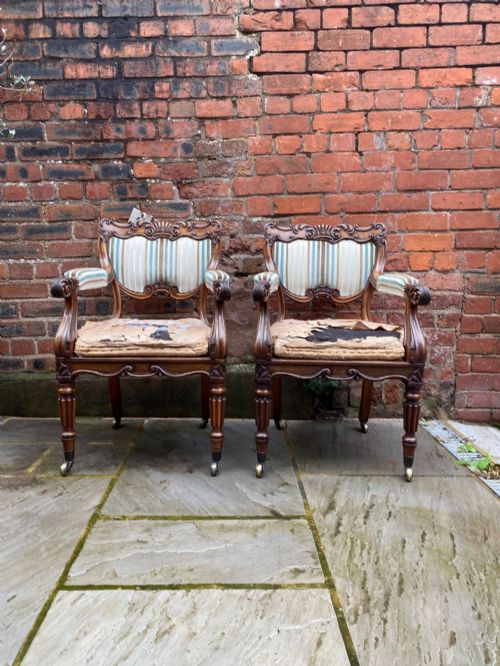
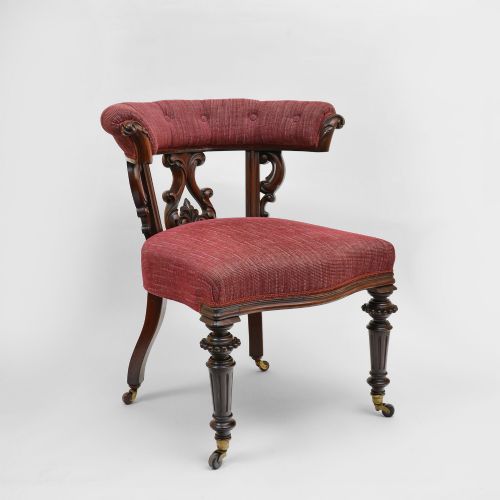
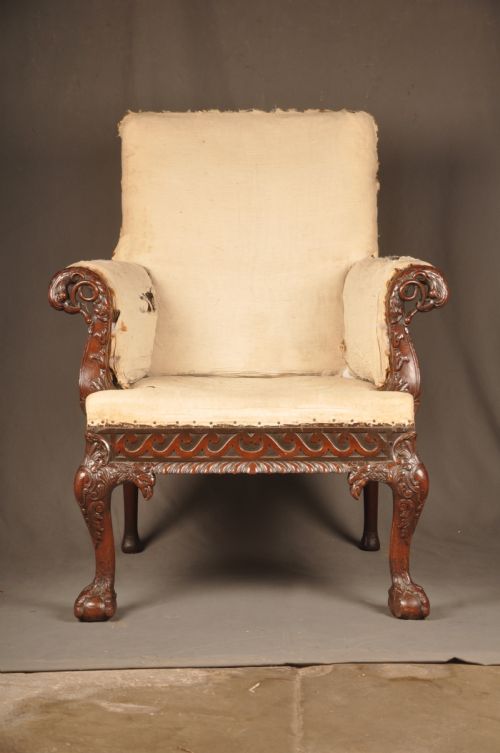
Cabinet makers built these chairs using hardwoods like mahogany, oak, walnut, and ash, selecting timber for strength and grain pattern. Frames often feature carved details, reeded legs, or turned spindles depending on whether the piece follows a Chippendale revival or Gothic style.
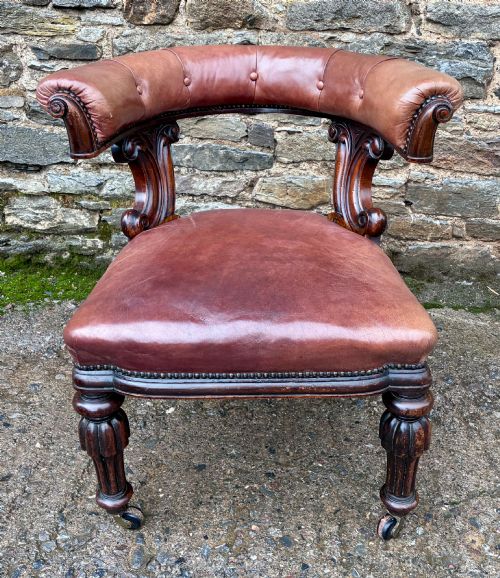
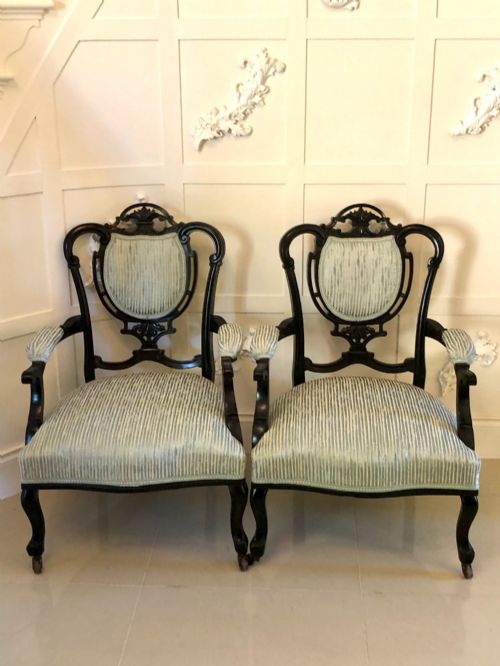
Upholstery forms a core part of the construction, utilising leather, velvet, and various fabrics stretched over padded seats and backrests. Brass accents appear on castors and revolving mechanisms, while black lacquer or ebonised finishes alter the appearance of certain hardwood frames.
Victorian Library Desk Chair Retail Price Guide 2026
Typical asking prices for victorian library desk chair among the pieces listed under this phrase on Sellingantiques today, from the lower quarter to the upper quarter. They describe what is for sale here now, not the wider market.
The inventory spans the nineteenth century, incorporating Regency survivals and later revival styles.
Judging Quality and Craftsmanship
The distinction between standard workshop output and superior craftsmanship rests in the depth of timber carving and the integrity of the frame joints. Outstanding examples display crisp architectural details in oak or finely figured mahogany alongside robust revolving mechanisms that turn smoothly.
Upholstery choices and secondary timbers also divide the range, with top-tier pieces utilising full grain leather and solid secondary woods. Finer chairs incorporate specialised reading attachments or attribution to known firms, marking them apart from basic utility seating.
Gillows·Bruce James Talbert·C. Hindley & Sons
The Victorian Library Desk Chair Glossary
- Revolving chair
- A seat fitted with a central pivot mechanism allowing rotation around a vertical axis. These often include mechanical height adjustments or heavy castors for office use.
- Gothic Revival
- A nineteenth-century design movement drawing inspiration from medieval architecture. Pieces in this style display pointed arches, heavy tracery, and solid oak construction.
- Bürgermeister chair
- A distinct type of heavily carved, high-backed armchair originating in continental Europe and adopted into nineteenth-century British libraries.
- Reading chair
- An upholstered armchair designed with an adjustable bookrest or writing surface attached to the arm. They support long periods of study without requiring a separate table.
Victorian Library Desk Chair: Frequently Asked Questions
How do I identify a Victorian desk chair?
Identification relies on observing nineteenth-century timber choices such as mahogany, walnut, and oak, alongside traditional joinery methods. Stylistic cues often point to Gothic revival or Chippendale revival motifs.
Makers frequently utilised turned legs, brass castors, and buttoned leather upholstery characteristic of the period.
Were these chairs used for writing?
These seats served scholars, clerks, and professionals working at large partners desks or bureau tables throughout the nineteenth century. Their sturdy construction accommodated long hours of administrative work.
Some variants included specialised reading arms to hold folios and newspapers close to the user.
What woods were commonly used?
Mahogany and oak remain the most prevalent timbers found across these nineteenth-century seating pieces, offering both durability and rich grain. Walnut and ash appear with regularity in specific regional designs.
Cabinet makers occasionally used ebonised finishes or black lacquer to alter the natural tone of the wood.