



Victorian Walnut Commode
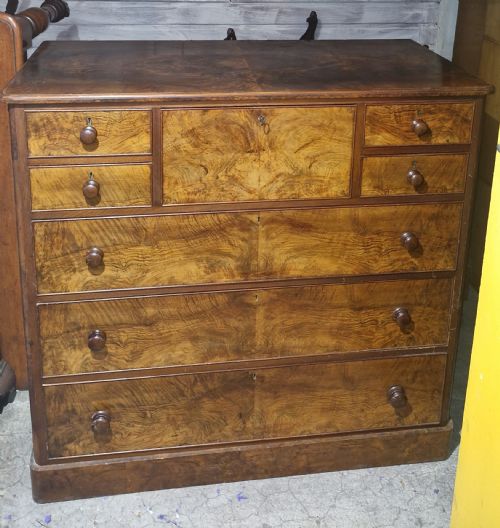
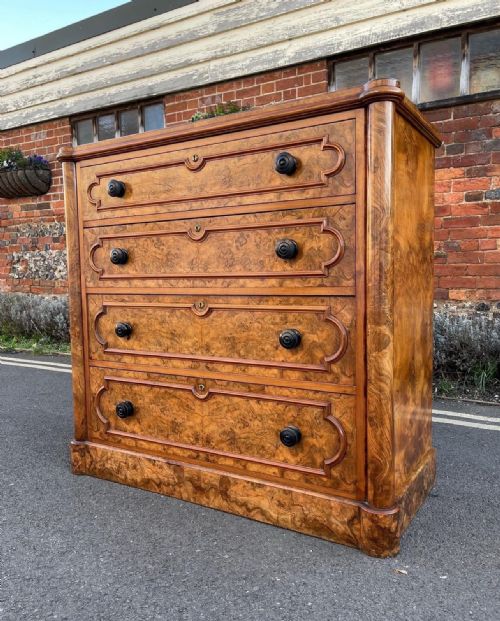
A victorian walnut commode brings rich timber grain and solid nineteenth-century presence to a bedroom or reception room.
Victorian Walnut Commode
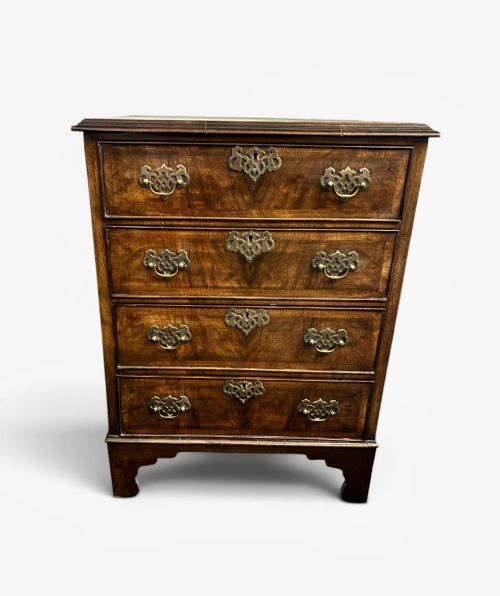
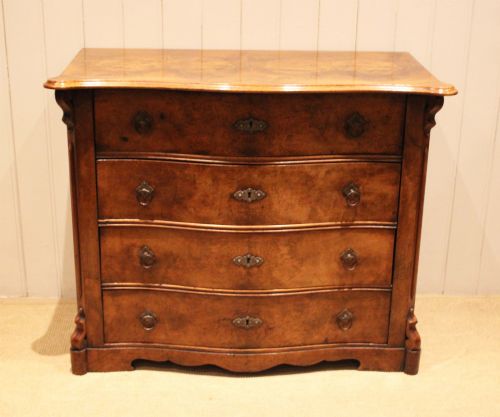
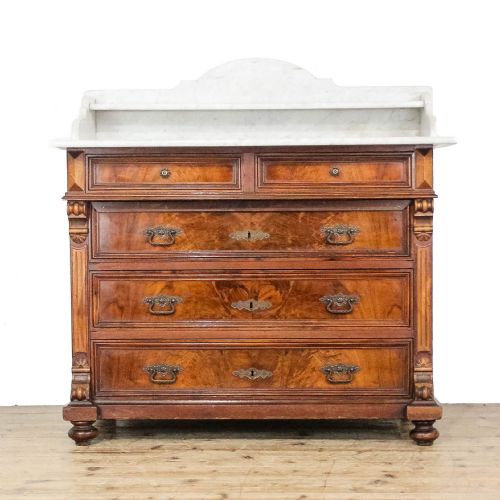
When you search for a victorian walnut commode, you encounter a variety of practical timber storage forms dating from the nineteenth century. These pieces encompass everything from standard chests of drawers and tallboys to bedside cabinets, washstands, and occasional miniature apprentice pieces.
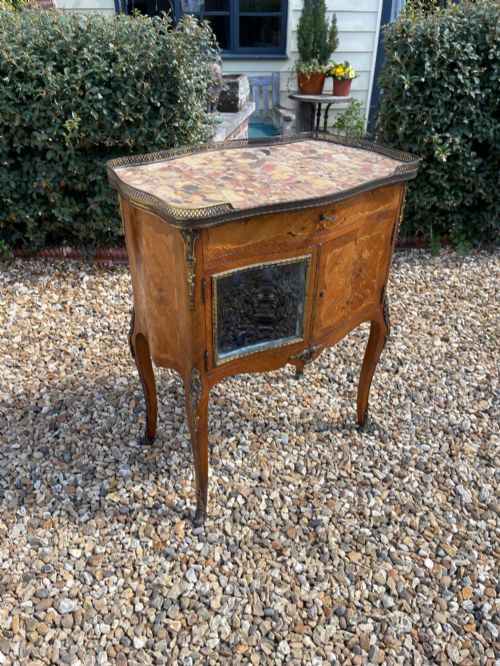
The version you are most likely to meet on this page is a chest of drawers or a marble-topped cabinet rendered in rich walnut or burr walnut. Many pieces reflect revival influences such as French Rococo or Louis XVI styles, alongside solid English and continental country house designs.
Materials and Construction
Cabinet makers utilised solid walnut, pine, and mahogany as foundational timbers, often applying highly figured burr walnut veneers to primary surfaces. This technique created striking patterns across drawer fronts and top panels while maintaining structural stability.
Finer examples integrate heavy marble tops, brass hardware, and gilt bronze or ormolu mounts. Secondary woods like pine appear inside drawer carcases, while glass and metal components complete functional elements.
Victorian Walnut Commode Retail Price Guide 2026
Typical asking prices for victorian walnut commode among the pieces listed under this phrase on Sellingantiques today, from the lower quarter to the upper quarter. They describe what is for sale here now, not the wider market.
Apprentice chests were made small enough to carry under one arm, serving as a portable CV for a young woodworker seeking employment.
Quality and Craftsmanship
The depth of figure in the walnut veneer and the precision of its matching across drawer fronts separate standard items from exceptional ones. Top-tier pieces display symmetrical grain patterns that flow seamlessly from top to bottom.
Hardware choice and secondary detailing also dictate standing. The presence of heavy original brass handles, crisp ormolu mounts, and thick slab marble tops elevates a piece well above simpler utilitarian storage.
WC Burt
The Victorian Walnut Commode Glossary
- Burr walnut
- A wood harvested from the abnormal growth of a walnut tree, yielding intricate, swirling grain patterns. It was sliced into thin veneers for decorative furniture faces.
- Ormolu
- Gilded bronze mounts applied to furniture edges and corners. This decorative finish is typical of French-influenced nineteenth-century pieces.
- Tallboy
- A tall chest of drawers standing one above another, often split into two distinct stacked sections. These provide substantial vertical storage capacity.
- Commode
- A low chest of drawers or cabinet. In nineteenth-century contexts, the term often describes decorative marble-topped storage units.
Victorian Walnut Commode: Frequently Asked Questions
How do I clean a walnut commode?
Dust the timber regularly with a soft, dry cloth to prevent grit accumulation on the polished surface.
Apply a quality beeswax periodically to nourish the walnut and maintain its natural sheen, avoiding modern silicone sprays.
Can I place a marble top commode in a bathroom?
Marble provides a durable and water-resistant surface that historically suited washstands and dressing areas.
Keep the timber base away from excessive moisture and direct splashes to protect the wood and veneer from warping.
What is the difference between a commode and a chest of drawers?
A chest of drawers is generally a taller, utilitarian storage unit designed strictly for clothing.
A commode tends to be lower and more decorative, frequently featuring a marble top and French revival styling.
How do I identify burr walnut?
Look for dense, swirling knot formations and chaotic yet symmetrical patterns across the wooden surface.
These decorative veneers were carefully matched and applied to the primary display areas of finer Victorian cabinets.