


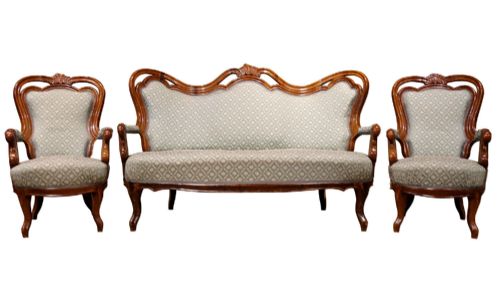
Victorian Walnut Chair
When you handle a victorian walnut chair, you touch a dense timber that held its dark polish and crisp carving through decades of parlour life.
Victorian Walnut Chair
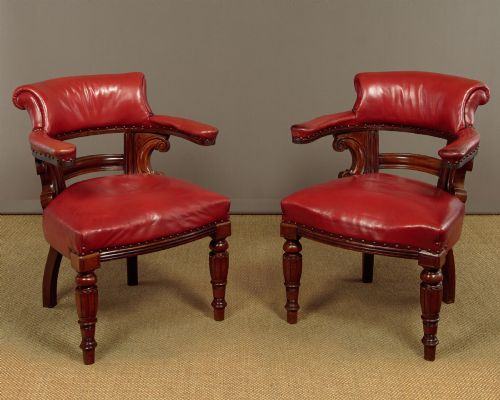
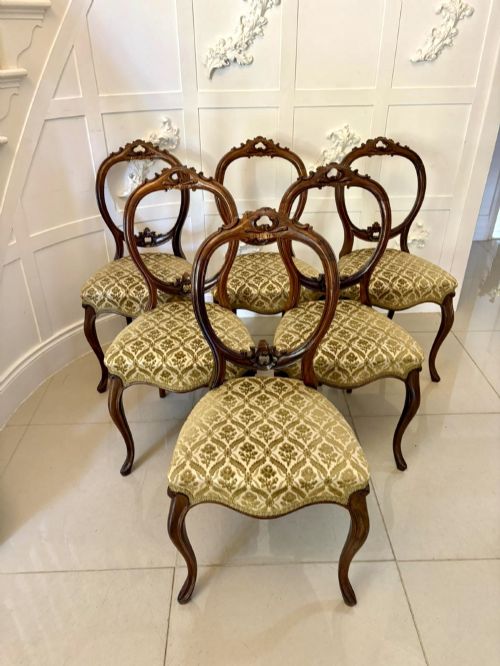
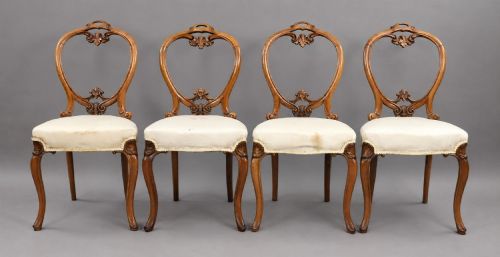
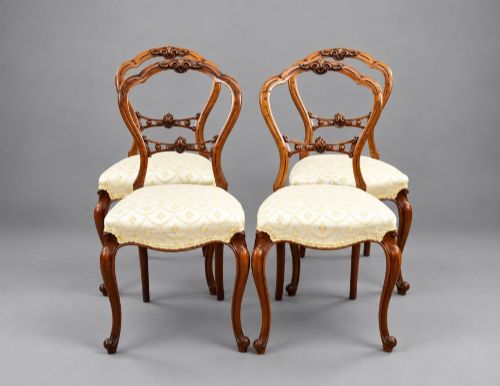
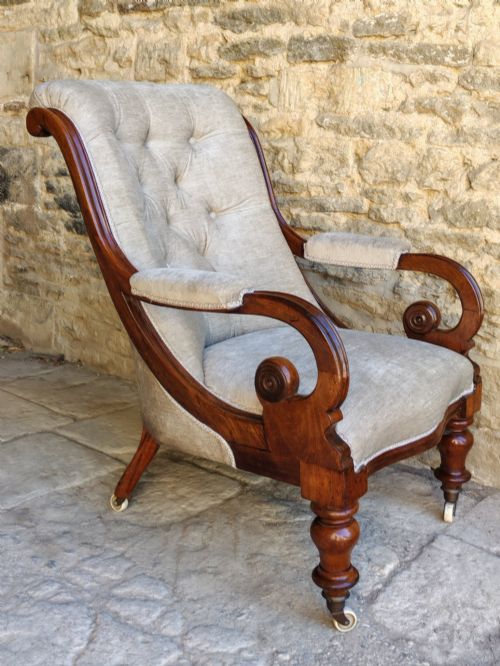
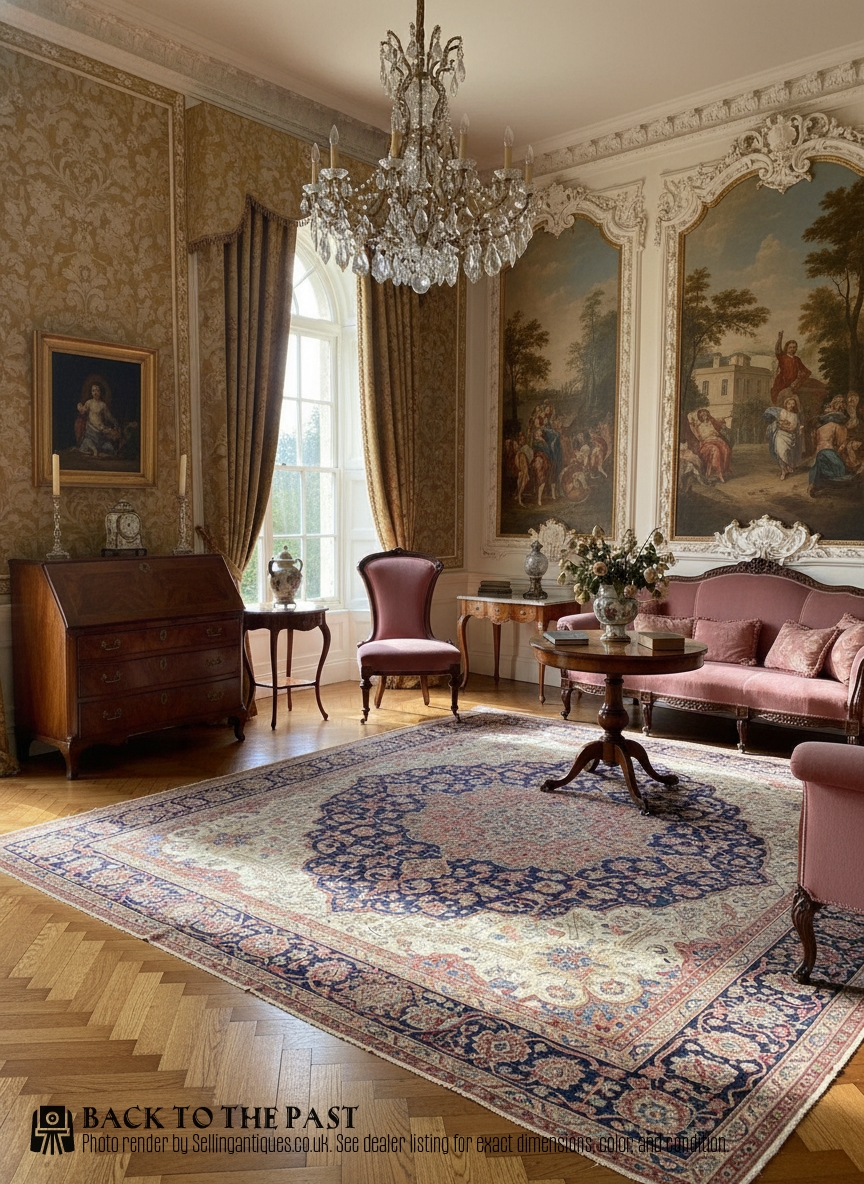
A buyer examining a victorian walnut chair encounters a broad spectrum of domestic seating, from low nursing chairs and balloon back dining seats to revolving desk chairs and upholstered armchairs. The mid-nineteenth century brought a distinct preference for dark woods in formal and informal rooms alike.
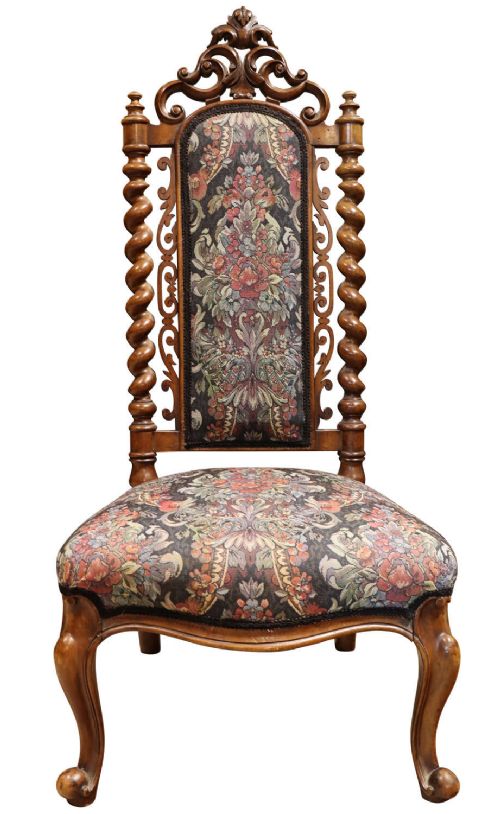
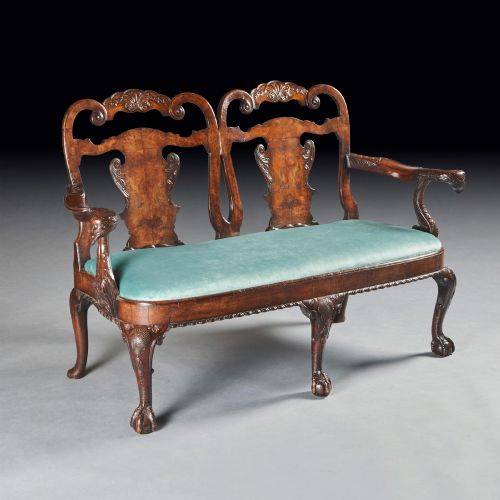
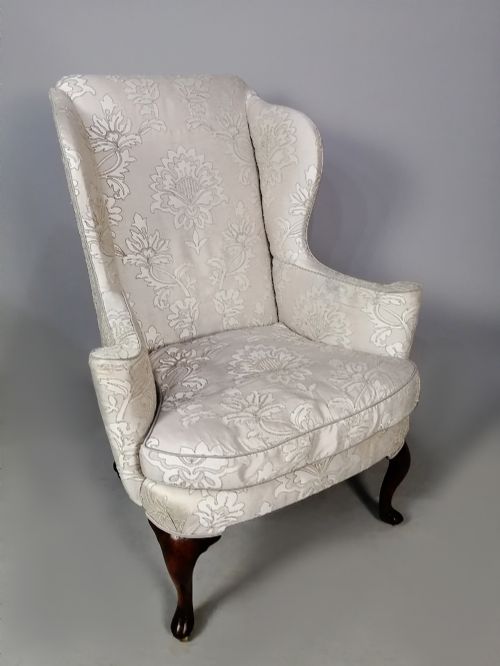
The most common formats found in these listings are dining sets with carved walnut frames and smaller salon or parlour chairs designed for occasional use. Many reflect revival movements, displaying Rococo curves or Queen Anne cabriole legs alongside simpler vernacular forms.
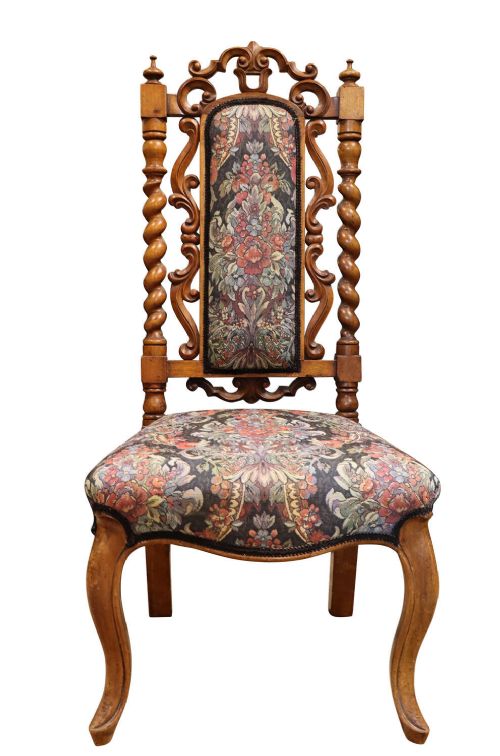
Makers of this era also produced specific variants like low bedroom chairs, slipper chairs, and adjustable piano stools, adapting the timber to specialised domestic functions.
Timbers and upholstery techniques
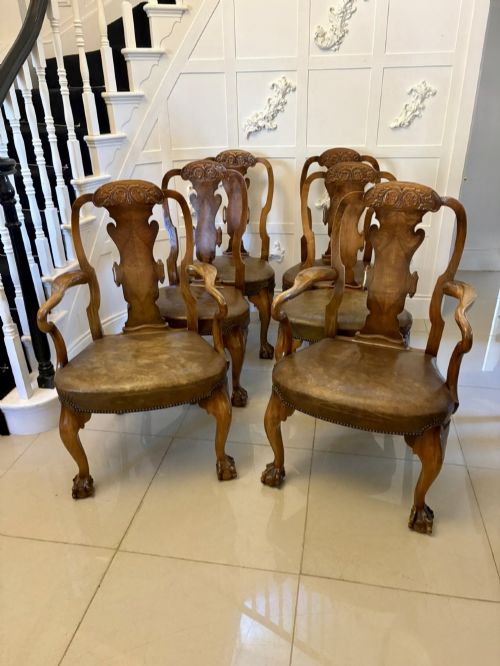
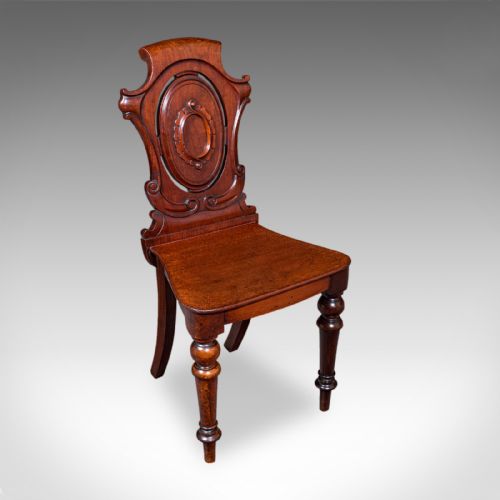
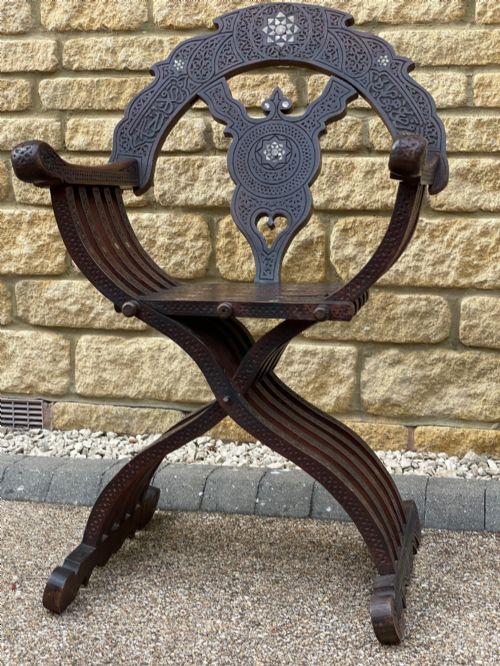
Makers constructed these frames using solid walnut and burr walnut veneers, often applying hand-carved ornamentation to crest rails, cabriole legs, and knuckle arms. The grain of the timber provided visual depth, which workshops accentuated through polishing rather than heavy staining.
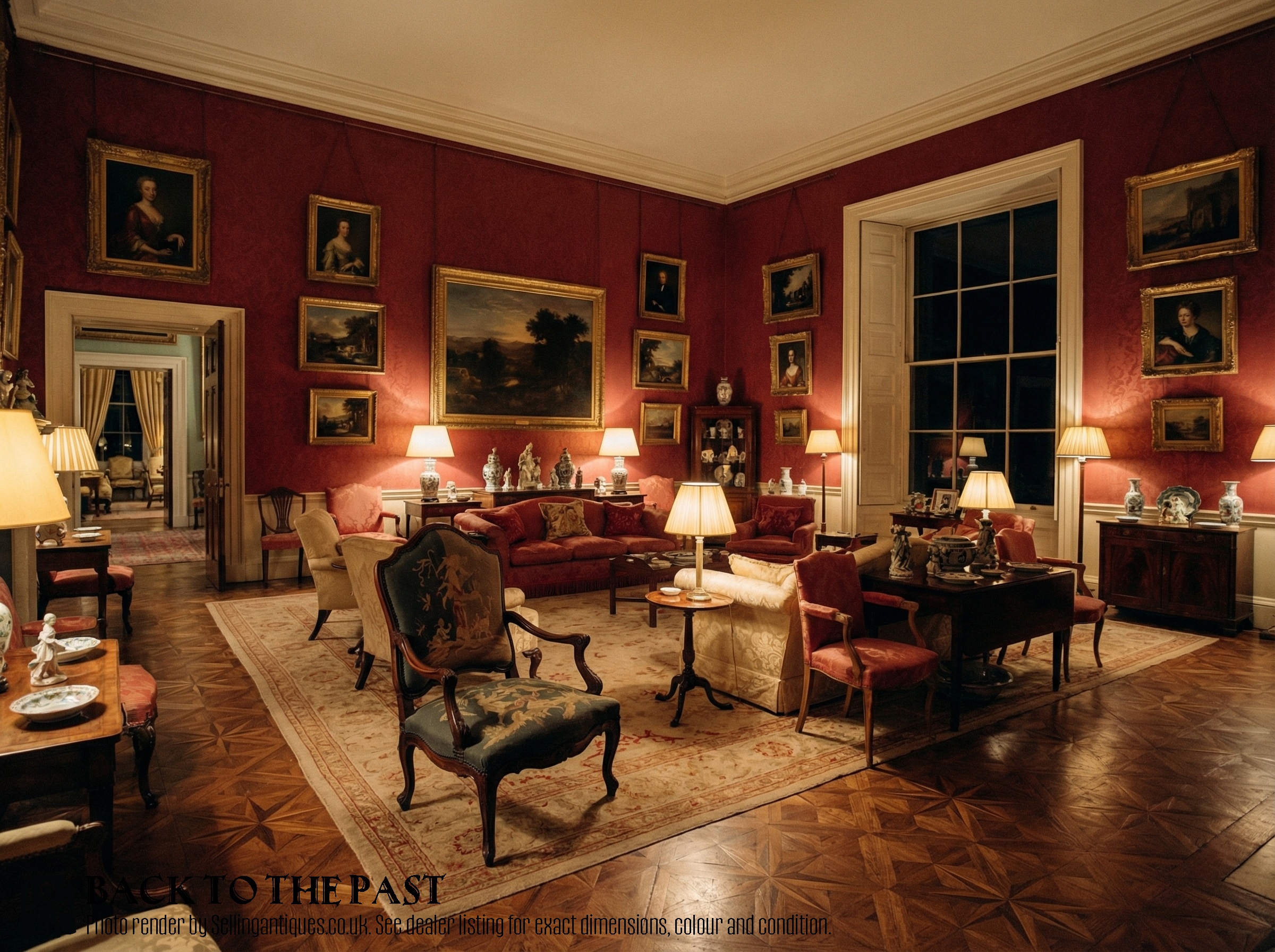
Upholstery methods relied on traditional stuffing materials layered over hessian webs and textile foundations, secured with brass tacks or finished with decorative gimp. Many pieces incorporated tapestry, needlework, velvet, or leather, while others utilised cane panels for lighter tub and side chair designs.
Victorian Walnut Chair Retail Price Guide 2026
Typical asking prices for victorian walnut chair among the pieces listed under this phrase on Sellingantiques today, from the lower quarter to the upper quarter. They describe what is for sale here now, not the wider market.
Secret swivel mechanisms let Victorian desk workers spin in circles while pondering ledger books.
Assessing construction and carving
The standard of a victorian walnut chair rests on the crispness of the timber carving and the structural integrity of the frame joints. Superior examples exhibit deep, hand-chiseled relief work on the crest rail and legs rather than shallow machine-cut profiling.
Proportion and wood selection also dictate the grade of the piece, with figured burr walnut veneers reserved for high-status parlour and dining sets. Frames that remain tight at the dowel joints without excessive movement indicate careful historical upkeep and durable underlying joinery.
Howard and Sons·SF Cullen·Shoolbred
The Victorian Walnut Chair Glossary
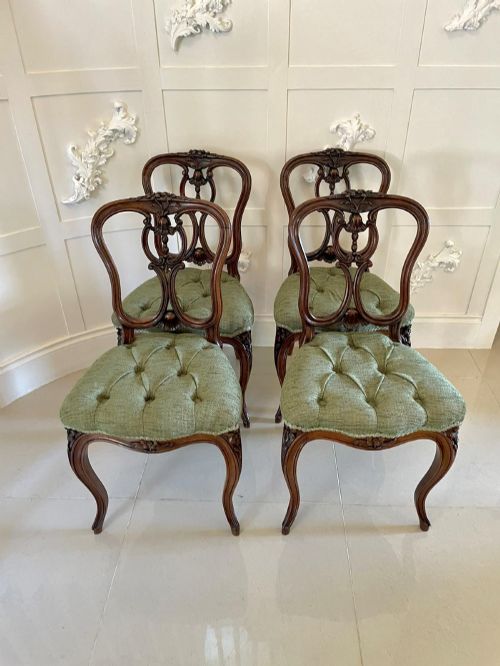
- Balloon back
- A chair back shaped in a continuous oval curve resembling an inflated balloon. This form gained immense popularity in domestic dining sets throughout the mid-nineteenth century.
- Cabriole leg
- A furniture leg that curves out and then in, mimicking animal limbs. It typically terminates in a scroll, pad, or hoof foot.
- Burr walnut
- A specialised timber cut from a tree growth or burl, yielding swirling, knotty grain patterns. Cabinet makers prized this veneer for high-end parlour and salon furniture.
- Nursing chair
- A low-seated chair designed without arms to allow comfortable infant feeding or sewing in Victorian bedrooms. They frequently featured upholstered backs and padded seats.
- Gimp
- A narrow, woven fabric braid used to conceal upholstery tacks and finish the edges of textile coverings on chairs and sofas.
Victorian Walnut Chair: Frequently Asked Questions
Were these chairs used at dining tables?
Dining sets formed a large portion of daily production, often built in groups of four, six, or twelve to match large household tables. These specific chairs usually lacked arms to fit neatly beneath the table apron.
Alongside them, makers produced matching carver armchairs with open knuckles specifically intended for the heads of the table.
What is the difference between a salon chair and a nursing chair?
Salon chairs were built for formal entertaining, featuring upright upholstered backs and slender frames intended for drawing rooms and parlours. They sat higher from the floor than functional seating.
Nursing chairs sat notably lower to the ground and avoided side arms to accommodate voluminous Victorian skirts and the practical tasks of child care or needlework.
How do I care for walnut upholstery frames?
Maintain the polished timber surfaces by dusting with a dry lint-free cloth and applying a microcrystalline wax sparingly when the wood appears dry. Avoid placing antique walnut near direct heat sources or strong sunlight, which can dry out the timber and fade the finish.
Protect the underlying textile or leather by keeping upholstery clean with gentle brushing and professional cleaning when required.