
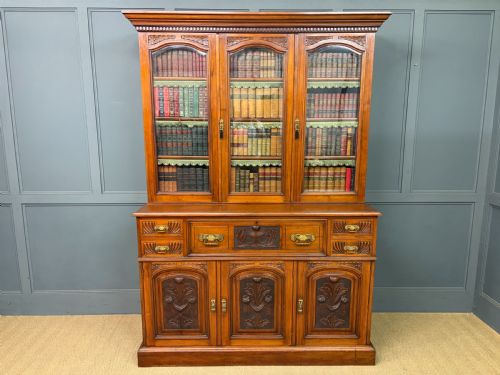
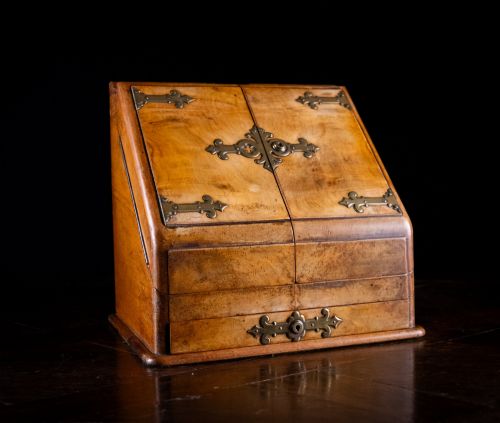


Victorian Walnut Cabinet
When searching for a victorian walnut cabinet, buyers encounter diverse forms from credenzas to bedside chests that bring nineteenth-century warmth into modern rooms.
Victorian Walnut Cabinet
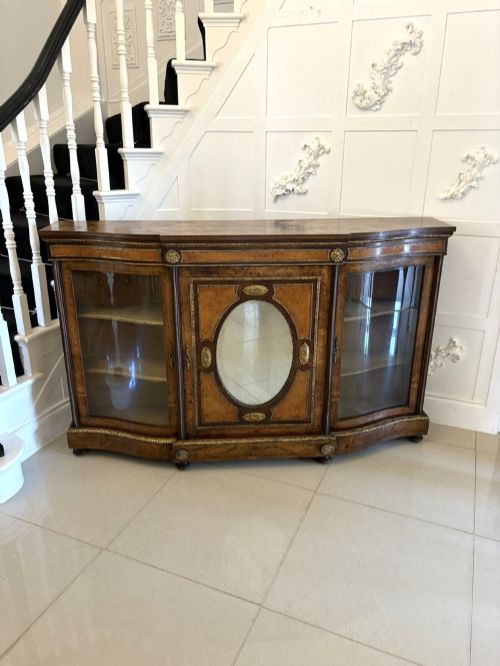
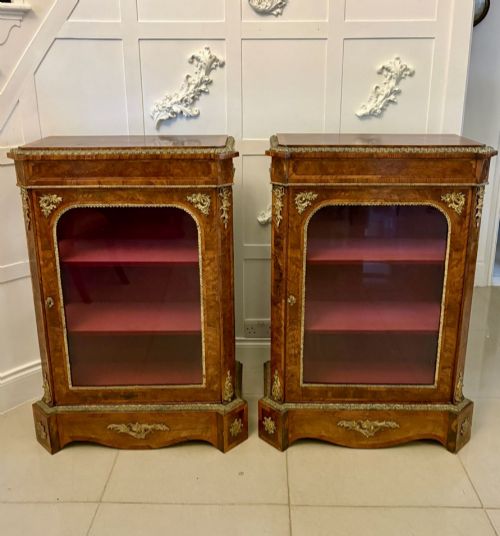
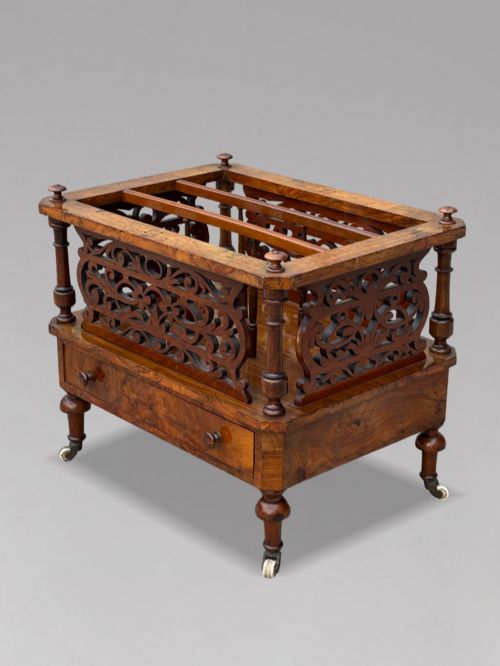
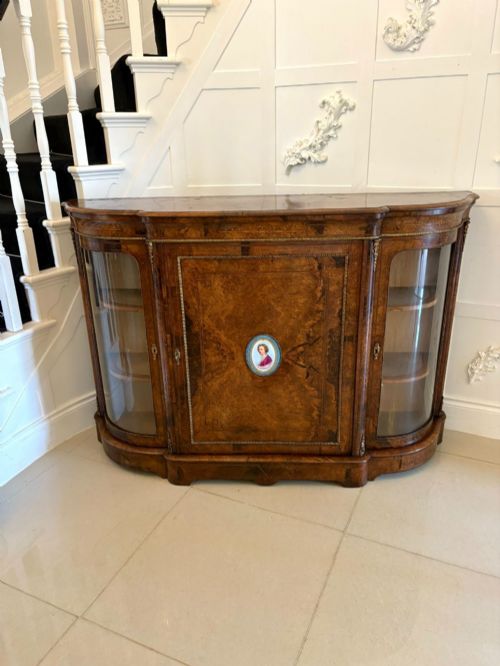
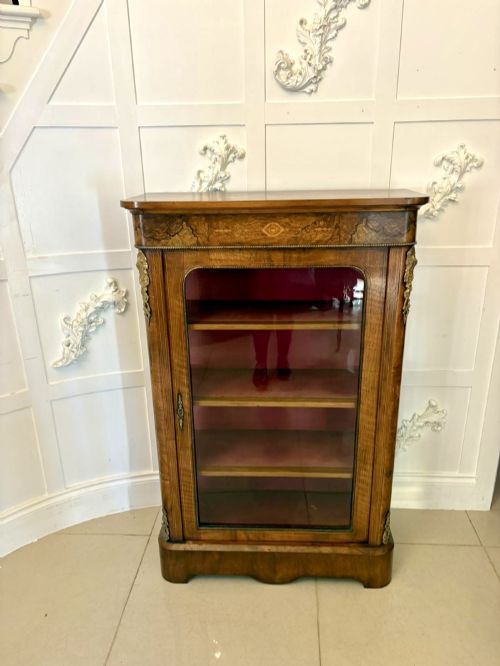
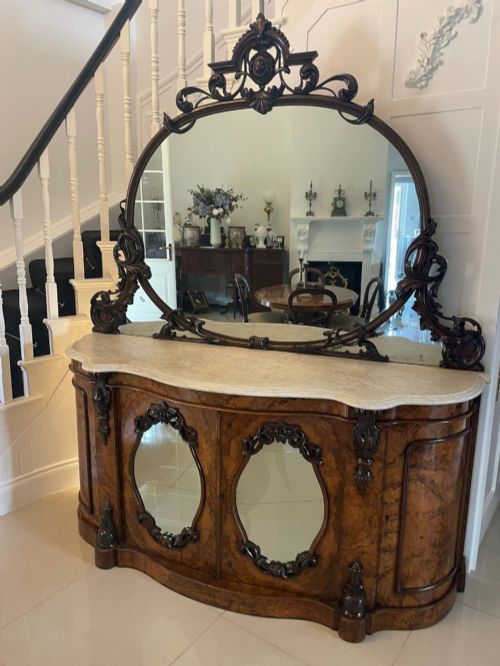
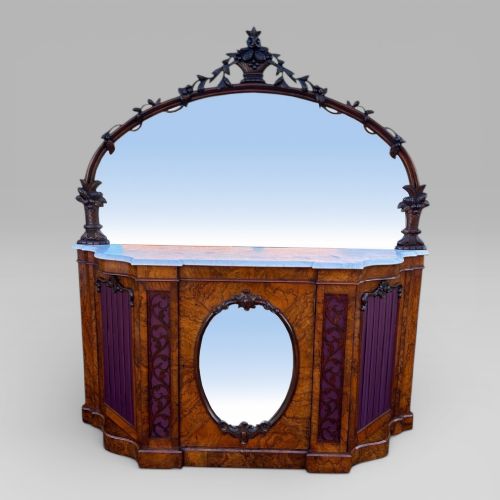
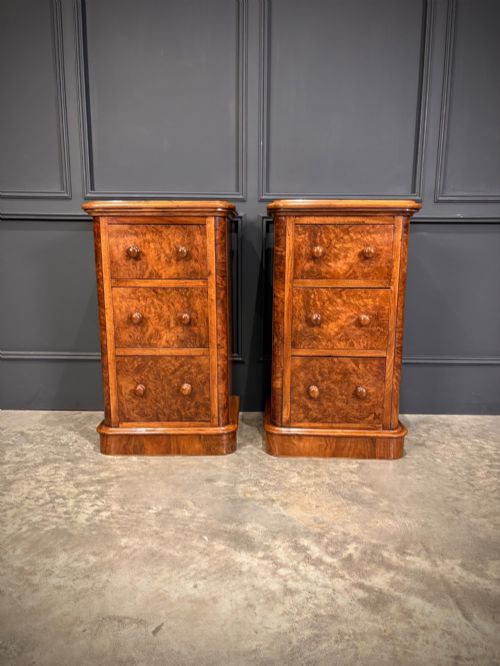
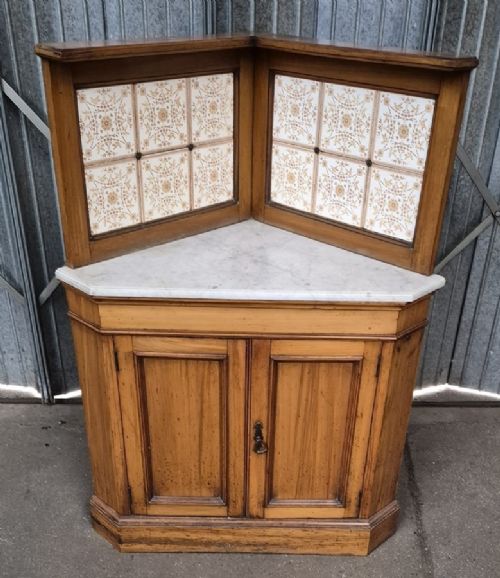
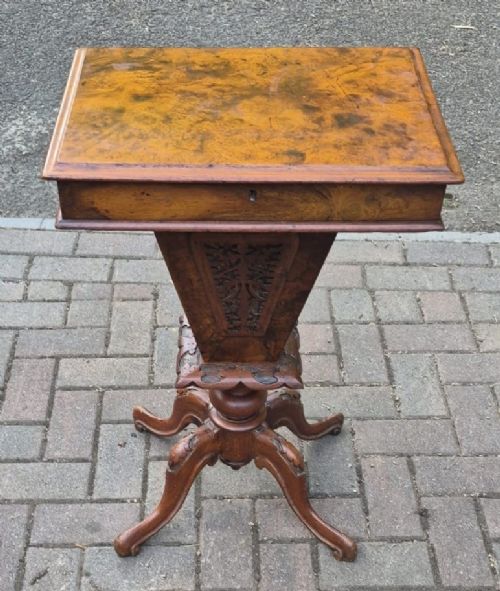
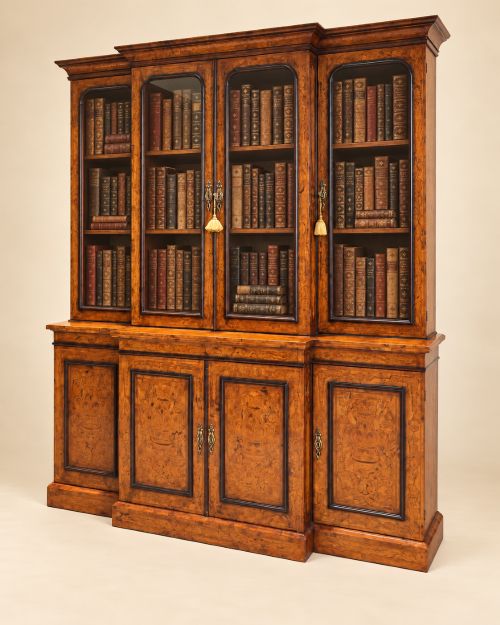
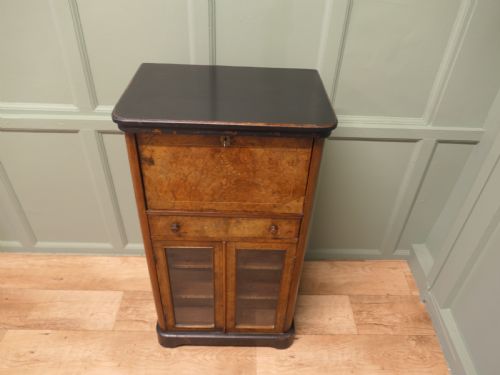
A victorian walnut cabinet encompasses a wide variety of storage and display furniture produced during the nineteenth century, ranging from compact pier cabinets to expansive credenzas. The selection frequently includes glazed bookcases, bedside chests, music cabinets, and stationery boxes designed for specific domestic duties.
Most pieces date from the mid to late nineteenth century, reflecting the periods commonly termed Victorian alongside broader spans of the 19th Century. Makers applied diverse stylistic influences to these forms, incorporating French revival motifs, aesthetic movement lines, and marquetry patterns.
Buyers meet numerous configurations on this page, with smaller side cabinets, pier cabinets, and bookcases dominating the current listings. These items served formal drawing rooms, libraries, and private bedchambers alike, utilising rich timber veneers to project domestic status.

How They Were Made
Cabinetmakers constructed these pieces using solid timber carcasses overlaid with highly figured burr walnut or plain walnut veneers, producing rich surface grain patterns. Workshops enhanced these wooden surfaces with brass mounts, ormolu details, and intricate marquetry inlay executed in contrasting woods.
Many glazed display cabinets and pier cabinets incorporated shaped glass doors framed in timber, protecting delicate contents while opening up the visual space of a room. Interior fittings frequently featured velvet linings, adjustable wooden shelving, and specialised compartments tailored for stationery, sheet music, or books.
Victorian Walnut Cabinet Retail Price Guide 2026
Typical asking prices for victorian walnut cabinet among the pieces listed under this phrase on Sellingantiques today, from the lower quarter to the upper quarter. They describe what is for sale here now, not the wider market.
Music filing cabinets waited patiently in Victorian parlours for sheet music before finding new careers housing modern paperwork.
What Varies In Quality
The degree of refinement in a victorian walnut cabinet depends heavily on the selection of the walnut veneer, with tightly swirled burr patterns commanding greater visual presence than plain timber. Master workshops invested substantial effort into continuous marquetry patterns and precise brass or ormolu mounts that align perfectly with the cabinet structure.
Structural integrity and internal fittings also distinguish superior examples from standard production pieces, particularly where hand-carved pediments, porcelain plaques, or specialised locking mechanisms are integrated. The overall crispness of the carving and the seamless integration of glass panels reveal the original maker's skill.
Gabriel Viardot·Shoolbred and Co·Johnstone and Jeanes·Waterlow and Sons·Druce and Co·Trapnell and Gane·Walker and Sons
The Victorian Walnut Cabinet Glossary
- Burr walnut
- A specialised timber cut from the wart-like growths on walnut trees, yielding highly decorative swirling grain patterns prized for furniture facades.
- Credenza
- A low sideboard or cabinet often featuring glazed side doors and central cupboards, developed during the nineteenth century for formal display.
- Pier cabinet
- A narrow freestanding display cabinet designed specifically to fit the wall space between windows.
- Marquetry
- The art of applying small pieces of veneer to a structure to form decorative pictorial or geometric patterns.
- Ormolu
- Gilt bronze mounts applied to furniture edges and panels to provide decorative contrast against dark wood veneers.
Victorian Walnut Cabinet: Frequently Asked Questions
What is a pier cabinet used for?
Pier cabinets provided designated display space for ceramics, books, and curiosities in Victorian drawing rooms. Their narrow proportions allowed them to sit flush against the wall between tall windows.
Today, these glazed enclosures suit smaller spaces where collectors wish to exhibit precious objects safely away from dust.
How do I care for burr walnut?
Burr walnut veneer responds best to stable room environments away from direct sunlight and excessive heat sources. Gentle dusting with a dry, soft cloth preserves the polished surface without stripping natural oils.
Avoid placing damp items directly onto antique timber tops to prevent water rings and veneer lifting.
Where were these cabinets placed?
Victorian households positioned these pieces according to their specific functions, placing credenzas in dining rooms and smaller bedside chests in private bedchambers. Bookcases and writing cabinets typically occupied libraries or formal parlours.
Modern interiors adapt these traditional locations easily, using bedside cabinets as lamp stands and larger bookcases in living areas.
How can I tell the period?
Nineteenth-century pieces display construction methods specific to their decade, such as hand-cut dovetails in drawer construction and specific brass hardware designs. Styles shifted from heavy classical proportions toward lighter aesthetic movement and revival designs as the century progressed.
Makers stamps, locks, and characteristic veneer choices help narrow the production date closer to specific decades.