

Victorian Wall Plaque
When you search for a victorian wall plaque, you are tracking down tactile history made to be mounted and admired on panelled rooms.
Victorian Wall Plaque
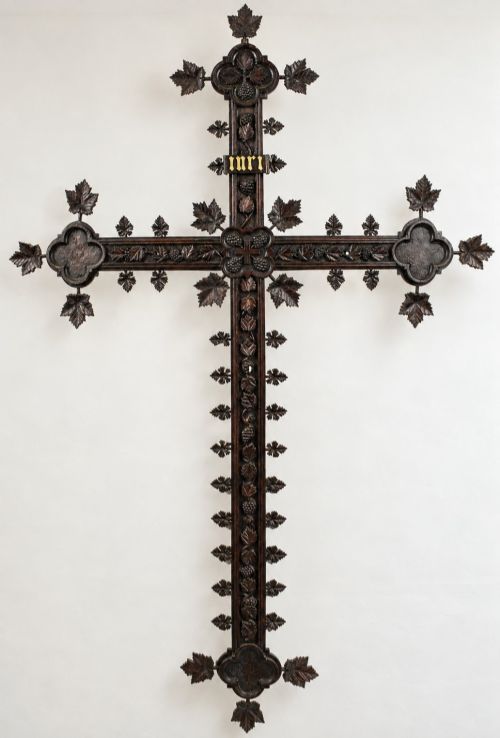
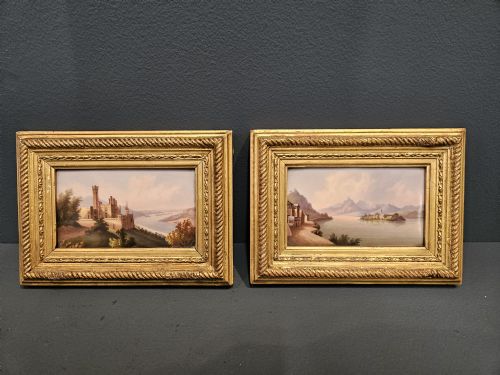
A victorian wall plaque encompasses diverse decorative formats designed for interior display throughout the nineteenth century and into the early twentieth century. These pieces emerge in materials ranging from cast iron and brass to porcelain, terracotta, and carved wood.
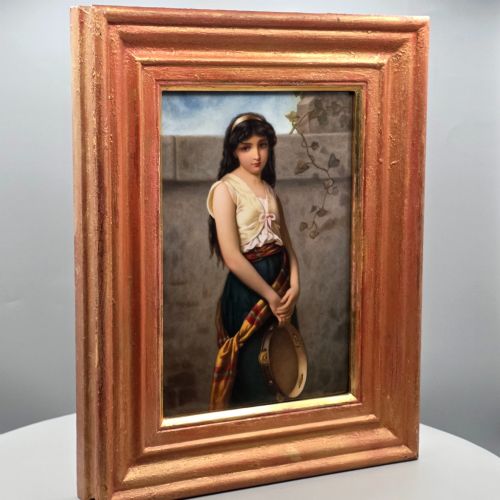
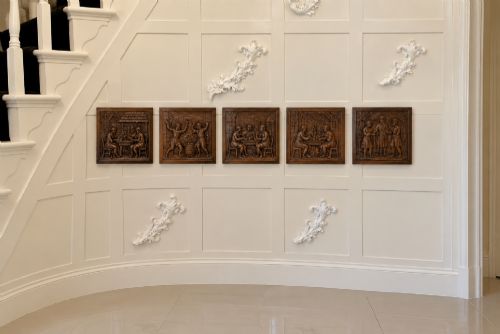
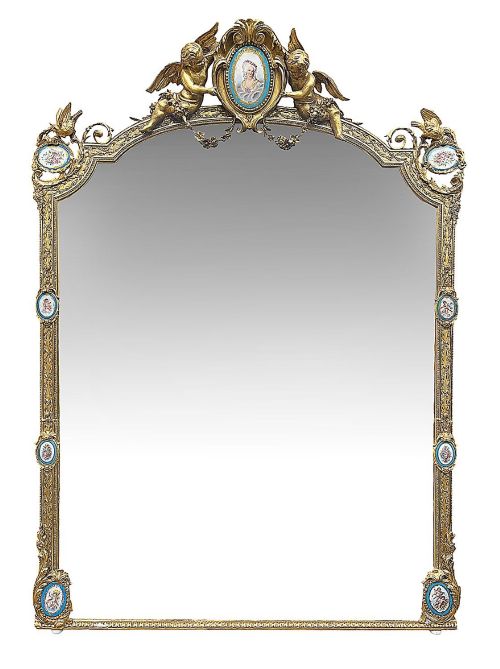
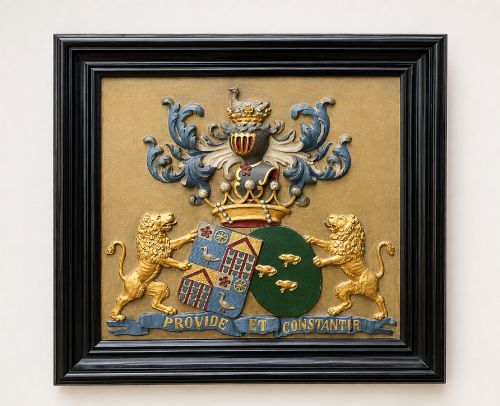
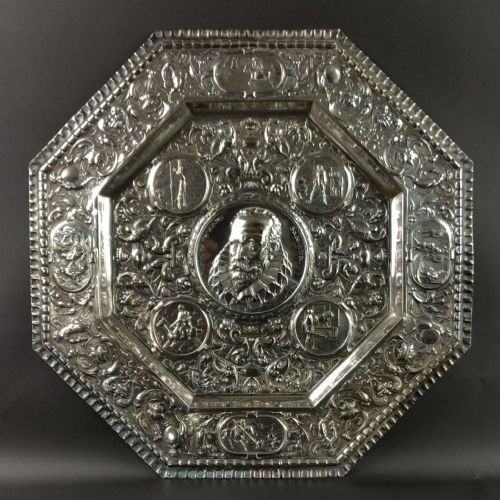
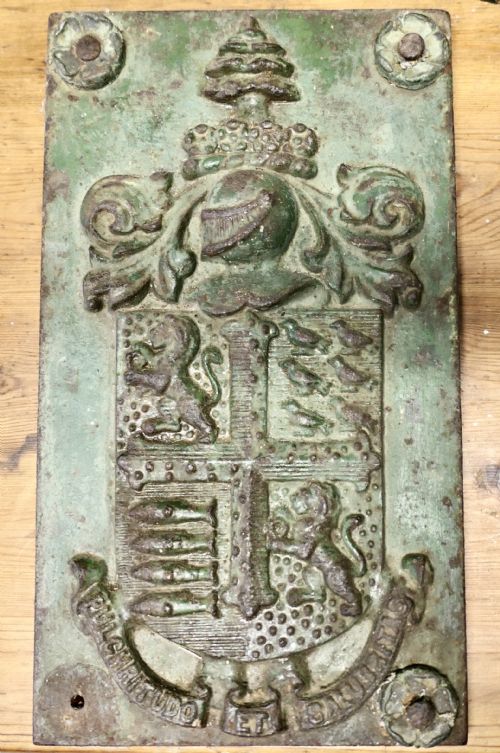
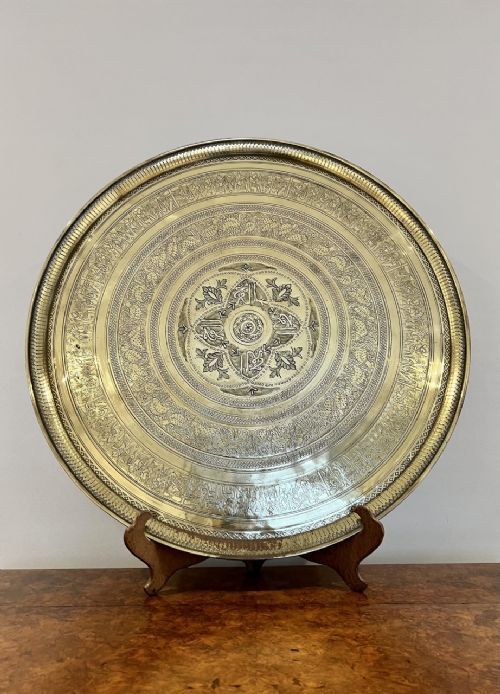
Buyers most frequently encounter circular chargers, rectangular cast metal coats of arms, hand-painted porcelain panels, and carved wood panels. Origins span English potteries, continental factories, and local metal foundries producing architectural salvage or commemorative items.
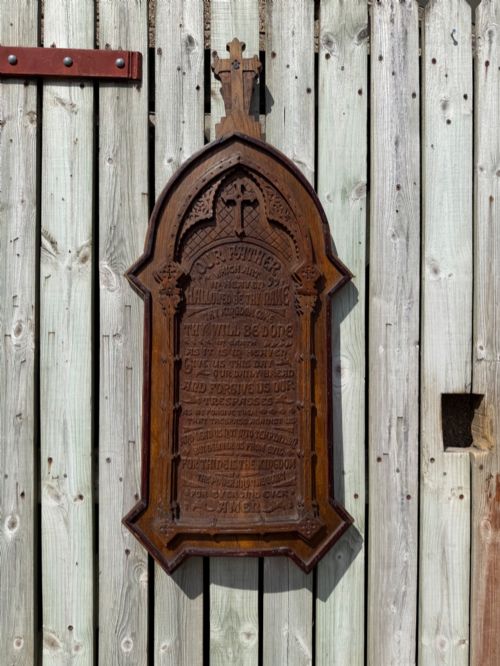
The selection extends from religious texts and railway signs to botanical landscape paintings and classical portraiture. Each item reflects the Victorian appetite for domestic display and narrative decoration within domestic and public spaces.
Materials and Techniques
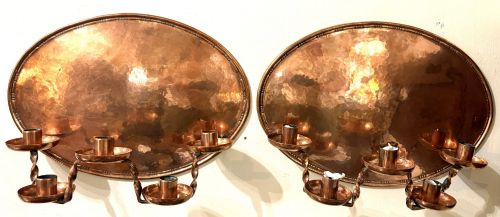
Makers utilised durable base metals such as cast iron, copper, and brass, often employing repoussé techniques or casting to build deep relief ornamentation. Earthenware, terracotta, and porcelain bodies provided canvases for hand-painted landscapes and portraits fixed with glaze.
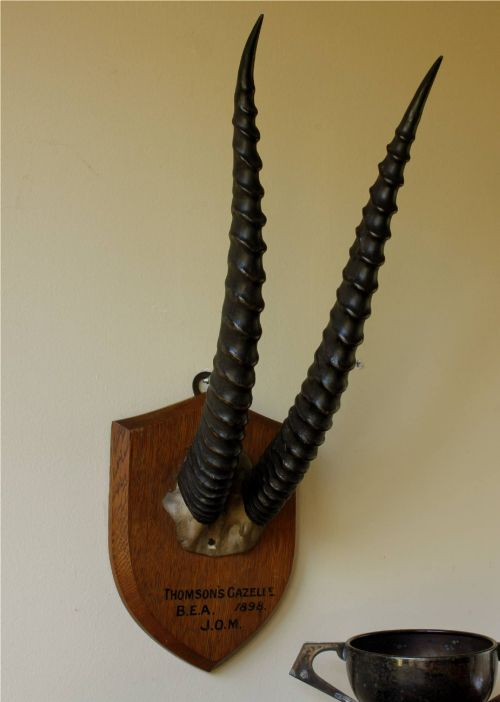
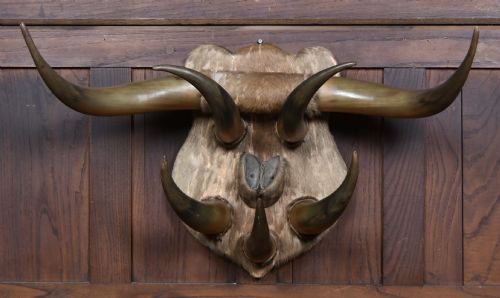
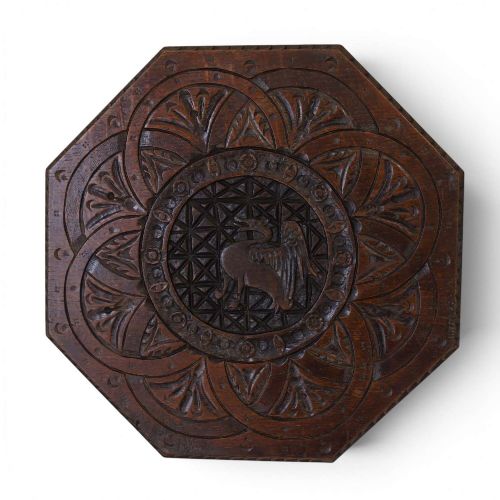
Woodworking traditions produced intricate carved panels in oak and fruitwood, sometimes incorporating black forest styles or mounted taxidermy elements. Mixed media compositions brought together mother of pearl, glass, and gilt bronze to build layered surfaces.
Monkeys find a home here alongside regal lions and unicorns, proving the Victorians had room for satirical wildlife on their walls.
Assessing Quality
Excellence in these objects relies upon the sharpness of the casting or the fidelity of the hand-painted brushwork. Superior examples display crisp definition in repoussé copper or porcelain portraits executed by named artists rather than factory templates.
Material integrity and the survival of original patination, gilding, or framing dictate the standing of a piece within its category. Items featuring precise chasing or detailed ceramic glazing command attention above simpler mass-produced variants.
Van Rijckevorsel and Verheijen·Peter Spicer and Sons·Clement Messier·Smith, Beck and Beck·Ernst Wahliss
The Victorian Wall Plaque Glossary
- Repoussé
- Metalworking technique where the metal is hammered from the reverse side to create a raised design in relief on the front. This method allowed artisans to achieve remarkable depth and texture on copper and brass plaques.
- Charger
- A large decorative plate or dish intended for display on a wall rather than for serving food. These pieces frequently feature heraldic motifs or historical portraits.
- Micromosaic
- Compositions created using tiny glass tesserae assembled into intricate pictorial scenes. These delicate works were often set into ebonised frames during the mid-nineteenth century.
- Terracotta
- Fired unglazed clay of a brownish-red colour utilised for sculptural wall plaques and architectural reliefs. It provided makers with a versatile medium for modelled figures and portraits.
- Giltwood
- Wood that has been coated with a thin layer of gold leaf or gesso preparation. Frames and plaques treated this way gained a lustrous metallic finish popular in period interiors.
Victorian Wall Plaque: Frequently Asked Questions
How were these wall plaques originally displayed?
These decorative items hung in entrance halls, libraries, and dining rooms across domestic and institutional properties. They served as focal points above mantelpieces or along panelled corridors.
Heavier cast iron and bronze plaques required robust wall fixings, while lighter porcelain and ceramic panels sat within fitted wooden or velvet-lined frames.
What subjects are most common on these plaques?
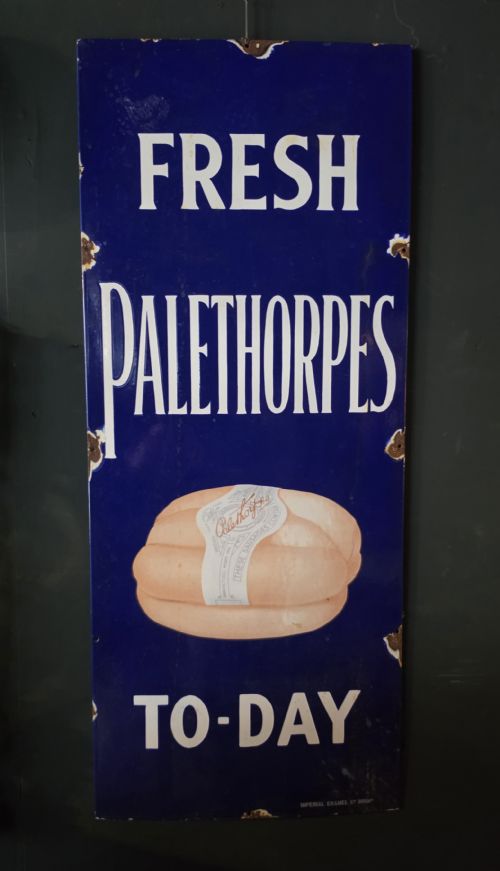
Common subjects include heraldic coats of arms, royal insignia, classical portraits, and romantic landscapes. Many feature religious texts or railway and commercial branding from the period.
Others draw upon historical figures and mythological scenes executed in metal relief or hand-painted porcelain.
How do I care for antique metal and ceramic plaques?
Metal plaques benefit from gentle dusting with a soft dry cloth to preserve original patination without abrasive cleaning agents. Ceramic and porcelain surfaces require similar care to protect delicate glazes and hand-painted details.
Avoid hanging pieces in direct sunlight or damp environments to prevent the degradation of wood frames and painted finishes.
Can I identify the exact age of a piece?
Dating relies upon material composition, registered design numbers, maker marks, and stylistic indicators such as Gothic Revival or Art Nouveau motifs. Comparative examination of framing and fixings also aids in establishing period authenticity.
Many pieces bear impressed stamps or signatures pointing to specific potteries and foundries operating during the nineteenth and early twentieth centuries.