




Hand Painted Earthenware Plaque
These hand painted earthenware plaque pieces bring narrative and portrait scenes straight to the wall, offering painted ceramic artistry from past centuries.
Hand Painted Earthenware Plaque
When you search for a hand painted earthenware plaque, you encounter ceramic wall art ranging from landscape scenes to devotional figures and historical subjects. These pieces span centuries of production, appearing as circular chargers, large platters, and dedicated rectangular wall plaques.
The selections on this page lean heavily toward nineteenth-century English Victorian examples alongside continental tin-glazed wares. British factories such as Copeland join continental Delft and faience traditions to supply these wall-hanging ceramics.
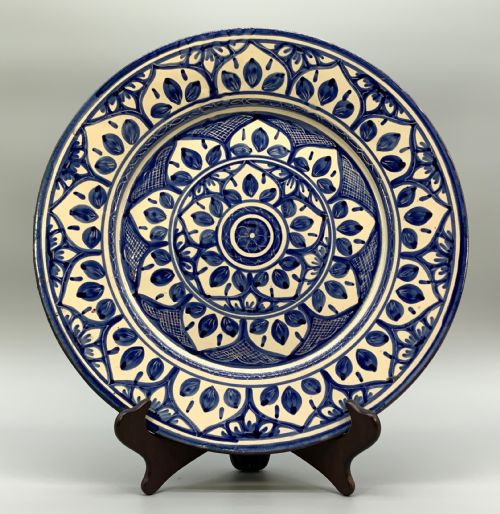
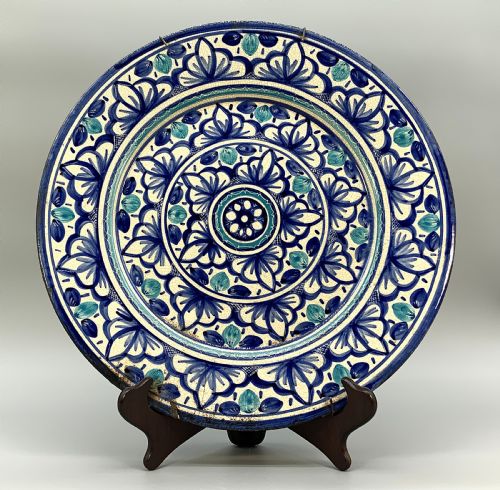
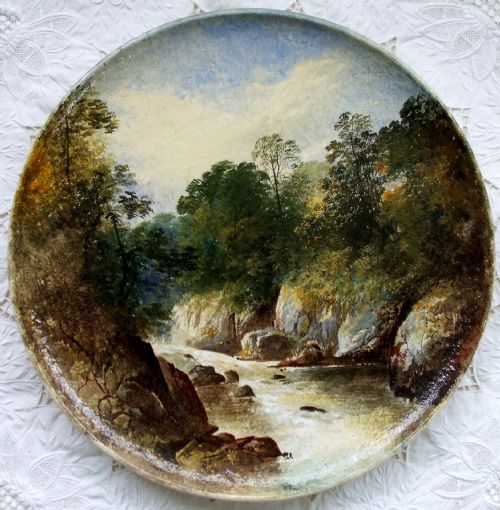
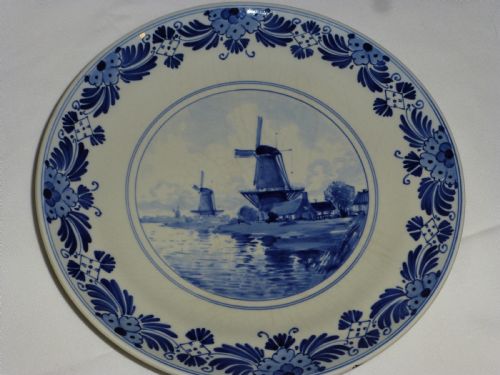
Forms vary from landscape views of Welsh rivers to classical religious subjects and Dutch Baroque Chinoiserie. Buyers find both large decorative chargers and signed artist pieces designed specifically for display.
How they were made
Creation relies on earthenware bodies coated in glazes, including tin glaze and standard ceramic glazes, which form the smooth white or cream canvas for the artist. Pigments are hand applied directly to the surface before or during firing to lock in the detailed brushwork.
Techniques range from Dutch Delft blue and white painting to polychrome Chinoiserie and Victorian scenic artistry. Painters worked either freehand on raw glazes or utilised transfer outlines finished with coloured pigments.
Listings feature earthenware and tin-glazed ceramic materials across eighteenth and nineteenth-century periods, spanning English Victorian, Moorish Revival, and Dutch Baroque styles.
What varies in quality
Quality rests in the precision of the hand painting and the depth of the pigment work across the ceramic surface. Master artists achieve fine detail in portraiture and landscape scenery that elevates a simple earthenware body into a compelling pictorial work.
The ambition of the composition and the crispness of the glaze application separate standard decorative items from exceptional collector pieces. Signed works by documented decorators demonstrate superior brush control and artistic execution.
Copeland Pottery·William Yale
The Hand Painted Earthenware Plaque Glossary
- Earthenware
- Porous ceramic fired at lower temperatures than stoneware or porcelain. It requires a glaze to become impermeable to liquids.
- Tin Glaze
- Opaque white glaze containing tin oxide, used extensively on faience and Delftware to hide the darker clay body and provide a clean painting surface.
- Charger
- A large decorative plate or platter intended for display on a wall or sideboard rather than for practical dining use.
- Chinoiserie
- European artistic style reflecting Chinese motifs and decorative schemes, popular on eighteenth-century Dutch Delft and ceramic plaques.
Hand Painted Earthenware Plaque: Frequently Asked Questions
What is the difference between Delft and faience?
Both terms describe tin-glazed earthenware, but Delft specifically references the Dutch tradition originating in the city of Delft. Faience is the broader continental term used for similar tin-glazed ceramics made in France and Italy.
Dutch pieces often showcase distinctive blue and white or Chinoiserie motifs, whereas Italian and French examples frequently employ vibrant polychrome palettes.
Were these plaques meant for walls or tables?
Larger chargers and decorative platters were primarily produced for visual display on walls or sideboards during the eighteenth and nineteenth centuries. Their pictorial subjects, such as landscapes and historical scenes, point clearly to ornamental use.
Some smaller forms originated as salesman samples or cabinet pieces, but the larger plaques in this selection were designed as wall art.
How should I clean my antique earthenware plaque?
Dust the glazed surface gently with a soft, dry cloth to remove everyday particles without risking the old paint layers. Avoid harsh chemical cleaners or soaking the ceramic in water.
Because historic tin glazes and overglaze pigments can be sensitive, keep moisture away from any unglazed foot rims or areas of old repair.