
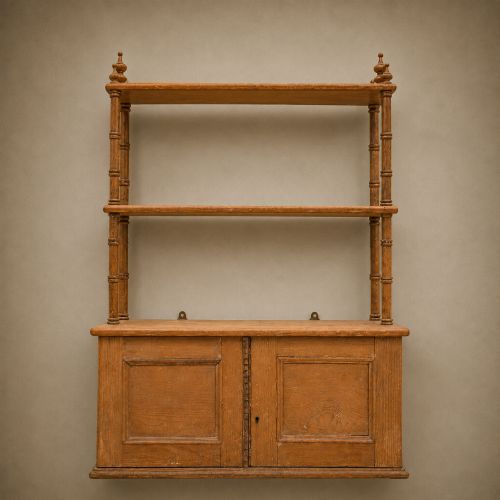
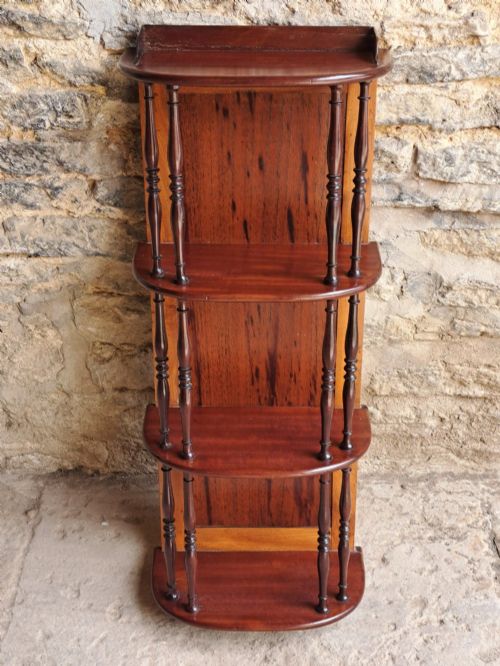
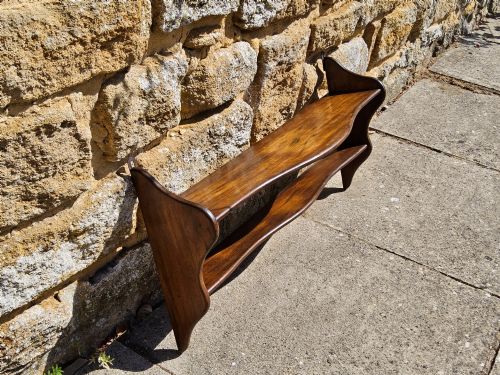
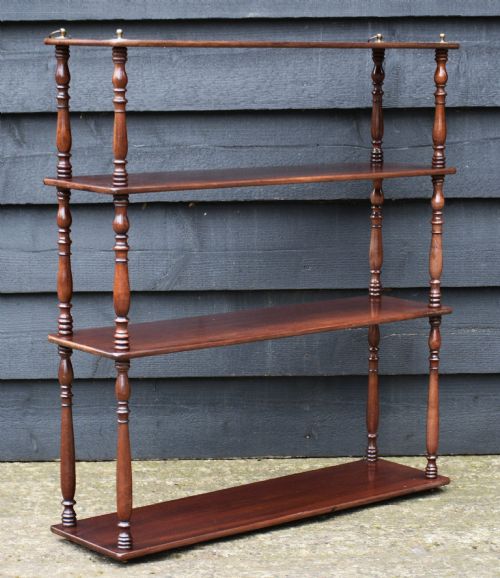

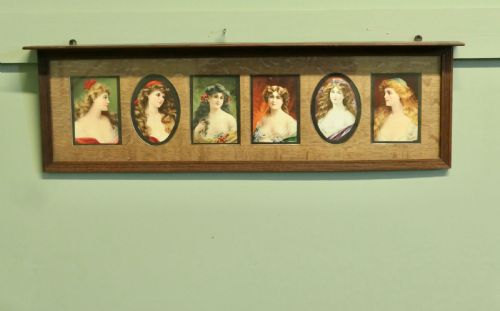


Victorian Wall Hanging Shelves
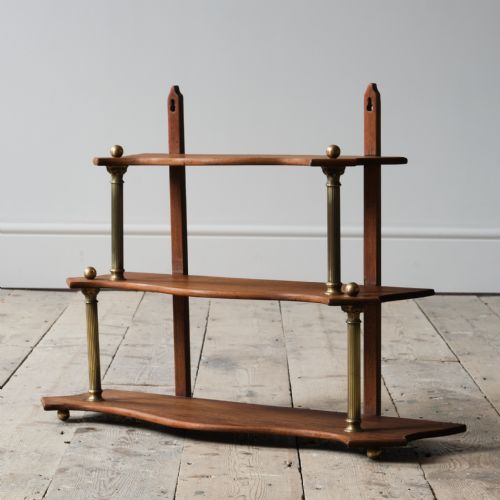
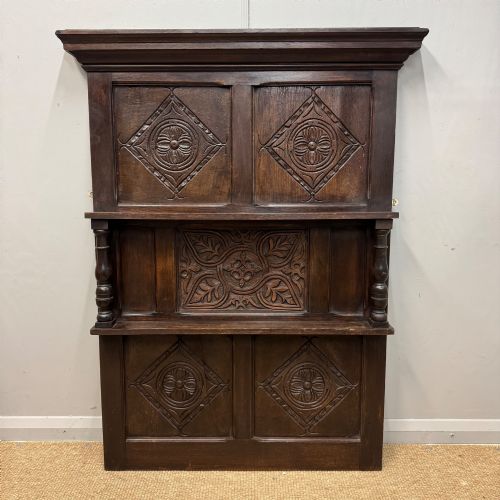
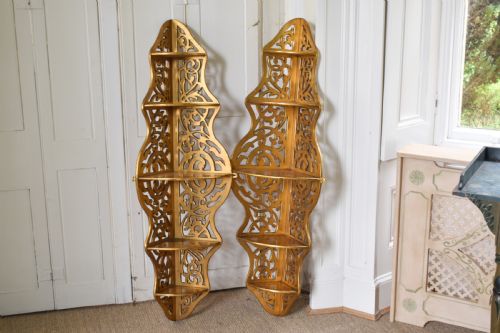
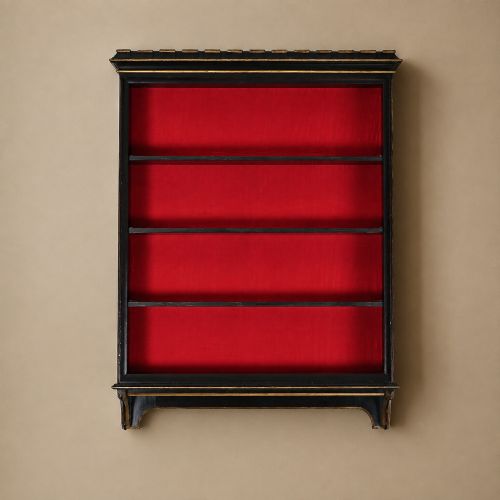
These Victorian wall hanging shelves bring warmth and practical display space to a room, ranging from simple mahogany tiers to elaborate Gothic Revival designs.
Victorian Wall Hanging Shelves
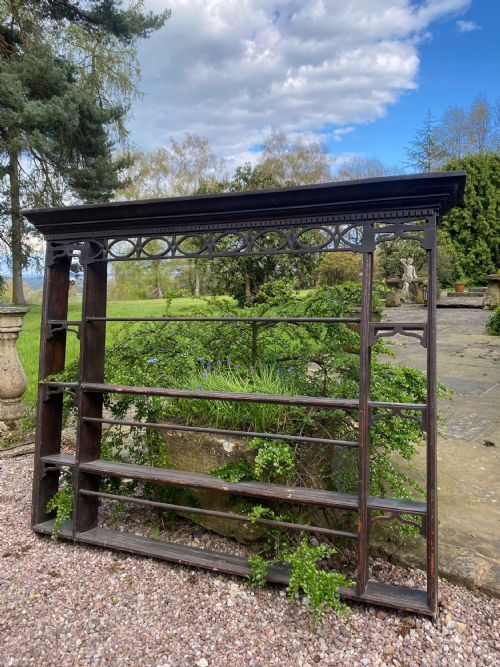
When you search for Victorian wall hanging shelves, you encounter an array of timber tiers, corner brackets and hanging cabinets designed to utilise vertical wall space efficiently.
The pieces listed on this page span the nineteenth century, with mahogany, oak and walnut examples dominating the selection alongside occasional ebonised wood, pine and satin birch pieces.
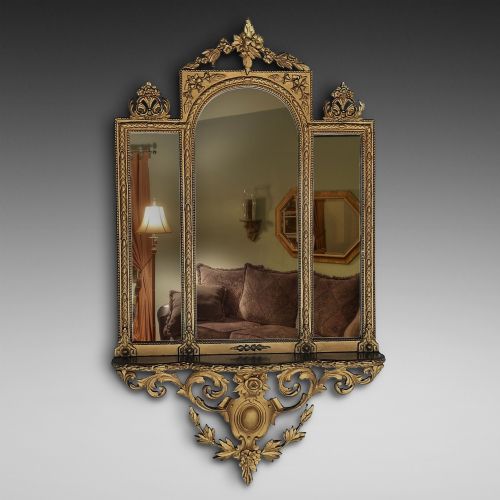
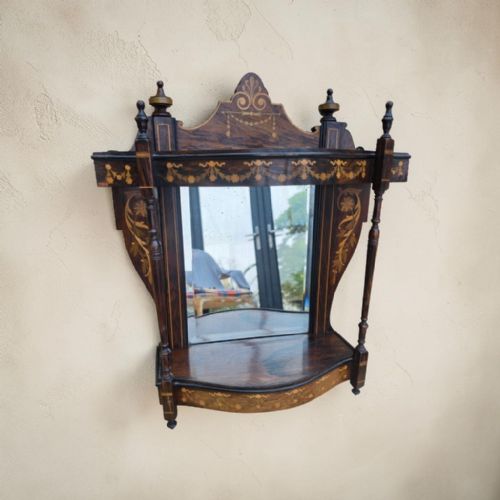
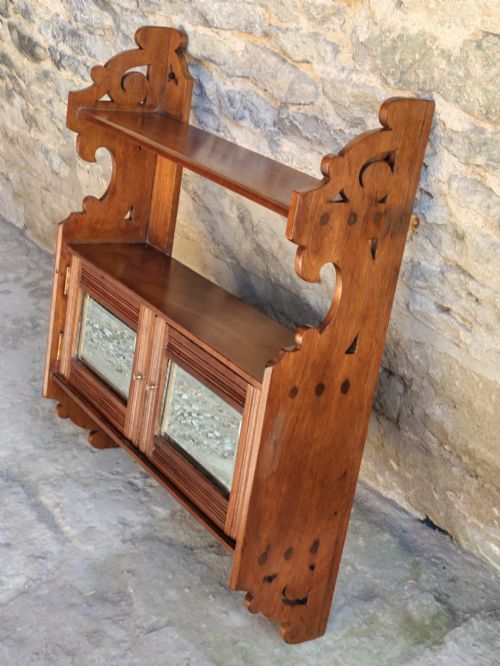
You will find formats varying from simple two-tier open shelves to complex structures incorporating mirrors, cupboards and turned supports.
Materials and Construction
Cabinet makers utilised dense hardwoods like mahogany and walnut for strength, often employing fine grain patterns and rich polished finishes to highlight the natural timber.
Many items incorporate decorative elements such as brass fittings, gilt gesso, turned barley twists, bobbin turnings and intricate inlay work to elevate the visual appeal of the hanging shelves.
The listings on this site record diverse materials including mahogany, oak, walnut, brass, glass, ebonised wood, pine and satin birch across multiple nineteenth-century periods.
Judging Quality
The standard of a piece rests on the selection of timber, the crispness of any hand-carved or turned ornamentation, and the structural integrity of the joints supporting the tiers.
Superior examples often display thoughtful proportions, integrated mirrors or cupboards with working doors, and refined decorative details like Sorrento inlay or Gothic Revival tracery rather than plain commercial production.
George Edmund Street·John Moyr Smith
The Victorian Wall Hanging Shelves Glossary
- Waterfall shelves
- A set of open shelves that diminishes in depth from bottom to top, creating a cascading silhouette against the wall.
- Gothic Revival
- A nineteenth-century design style drawing on medieval architectural motifs, often seen in pointed arches, heavy oak and carved tracery.
- Aesthetic Movement
- A late nineteenth-century movement emphasising decorative beauty over narrative content, frequently incorporating ebonised wood and Japanese-inspired details.
- WhatNot
- A multi-tiered piece of freestanding or hanging furniture originally utilised for displaying ornaments and small decorative objects.
- Gilt gesso
- A plaster-based material applied to wood surfaces and carved before being coated in gold leaf to create ornate reflective frames and mouldings.
Victorian Wall Hanging Shelves: Frequently Asked Questions
How do I hang antique shelves safely?
Check the original hanging brackets or reinforced mounting points on the back of the wooden frame to ensure they can bear the weight of the timber.
Use appropriate wall fixings matched to your wall type and distribute heavier books or ceramic items on the lower tiers for stability.
What rooms suit hanging shelves best?
These compact timber shelves work well in hallways, studies and bedrooms where floor space is limited but display space is desired for small collections.
Kitchens and dining rooms also accommodate plate racks and small cupboards, holding ceramics and glassware securely off the ground.
How do I tell Victorian from Regency?
Regency pieces often display cleaner classical lines and lighter proportions, while Victorian items frequently embrace heavier timber, richer turned spindles and diverse revival styles.
Look at the secondary woods and construction methods, as nineteenth-century workshop practices evolved rapidly between the earlier Regency period and the later Victorian era.
Can these shelves hold heavy books?
Most wall hanging shelves were designed for decorative objects, small display pieces, plates or light volumes rather than heavy reference libraries.
Inspect the depth of the shelves and the strength of the vertical supports before placing substantial volumes on them.