

Victorian Wall Glass
When you search for victorian wall glass, you are looking at substantial mirrors and decorative looking glasses shaped by nineteenth-century craftsmanship.
Victorian Wall Glass
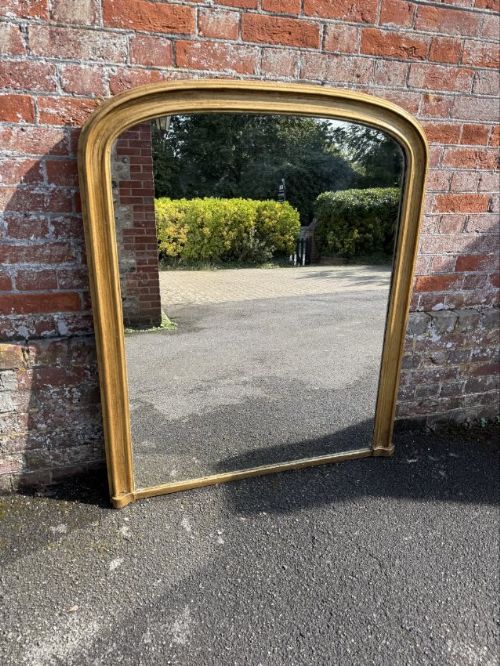
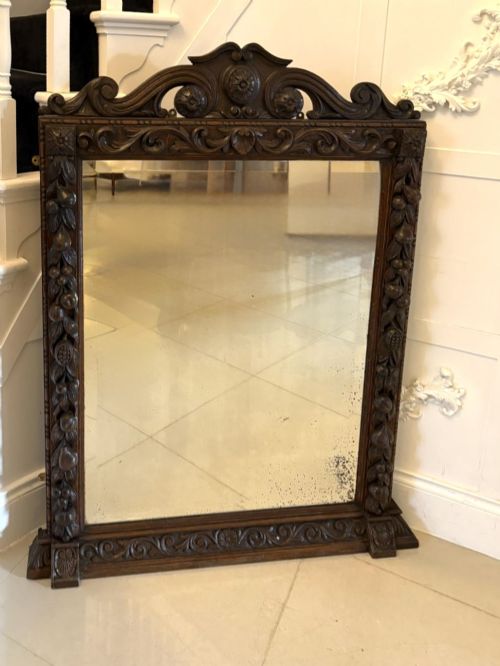
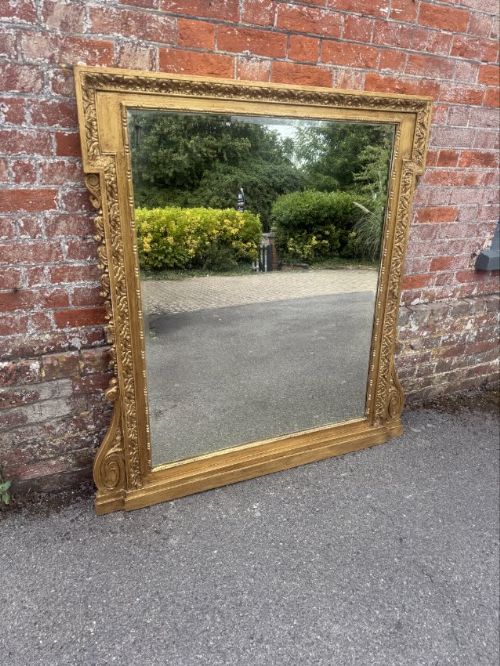
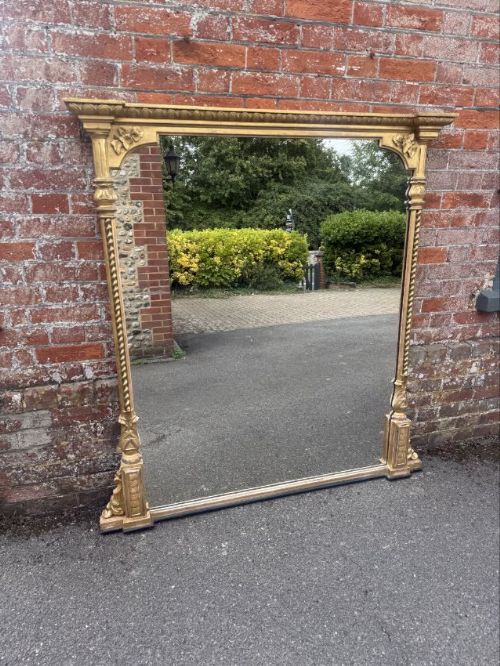
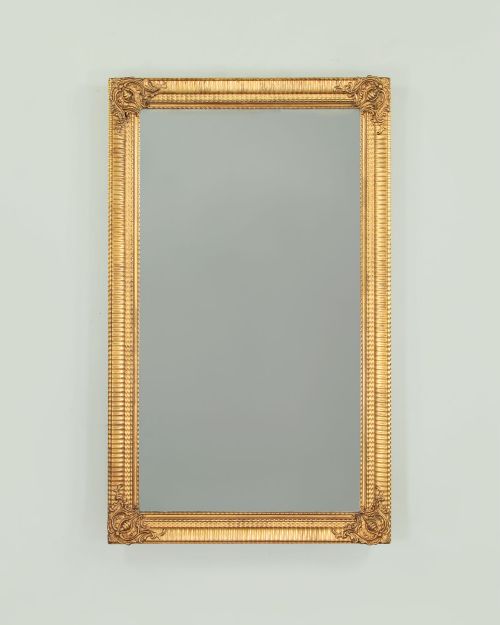
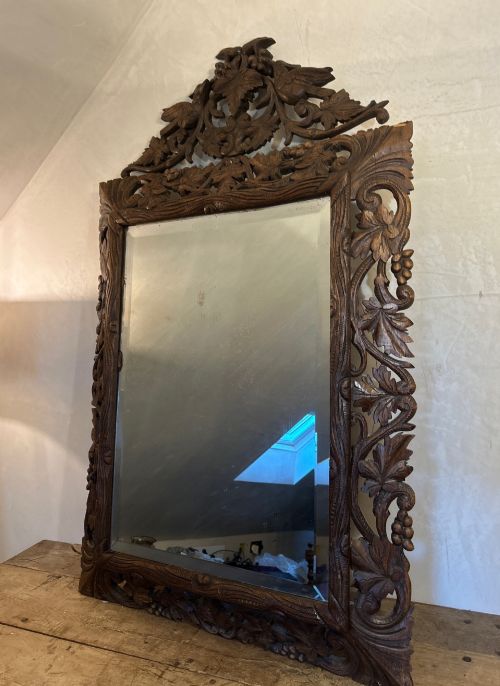
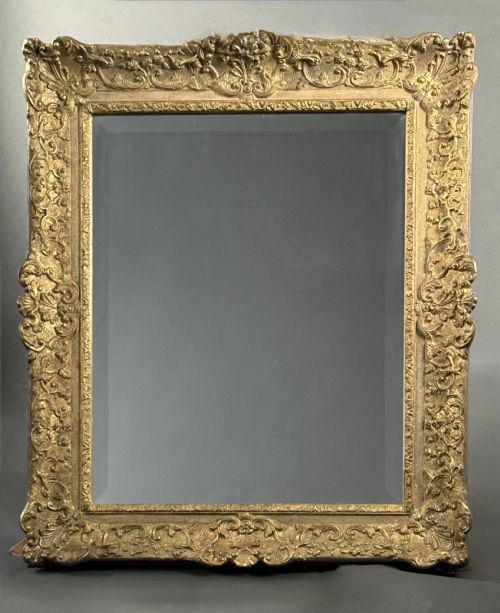
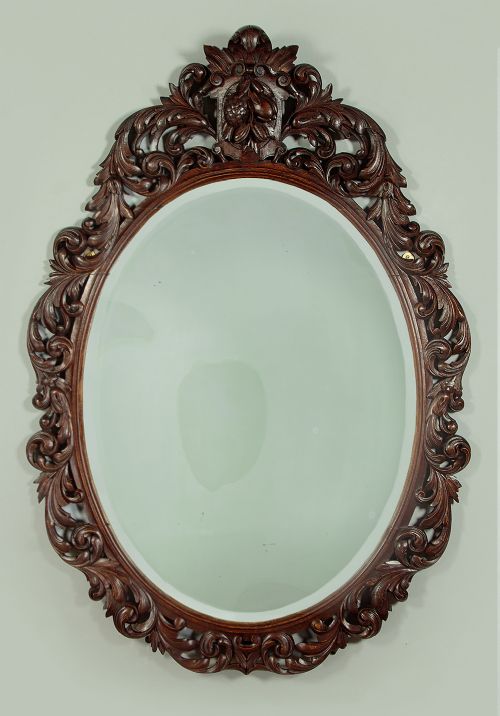
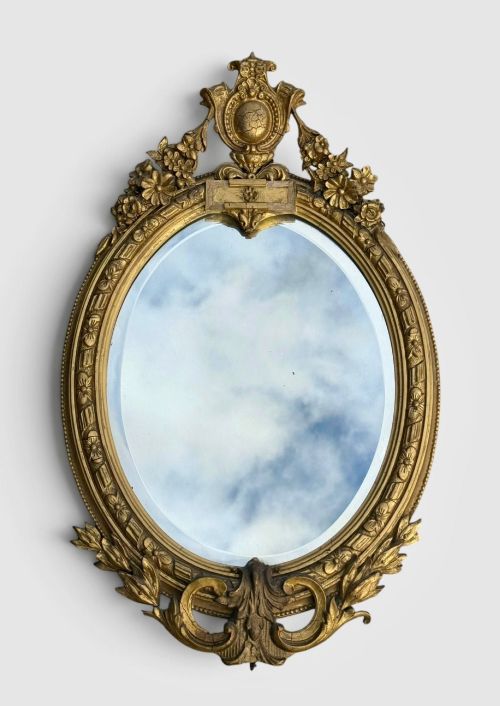
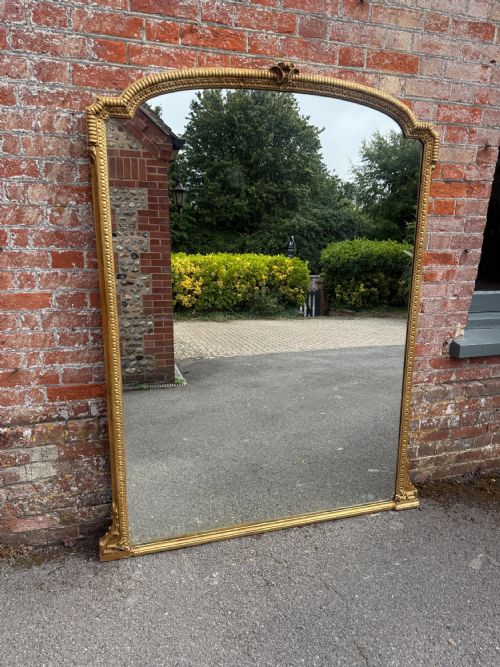
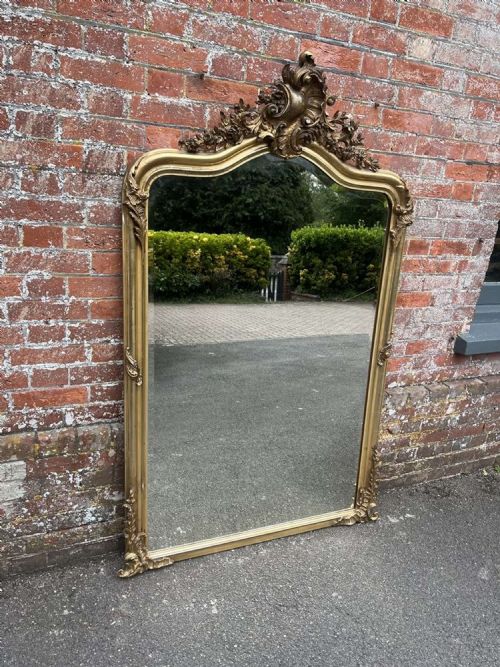
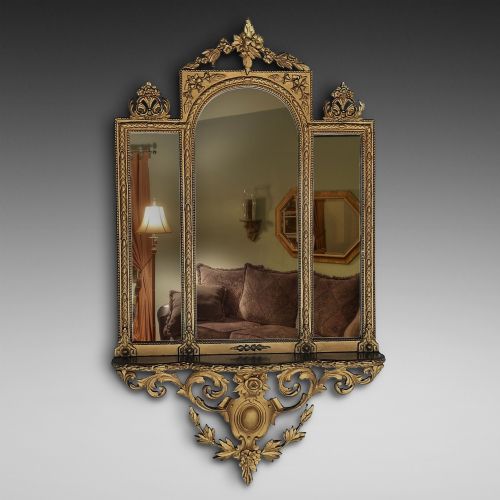
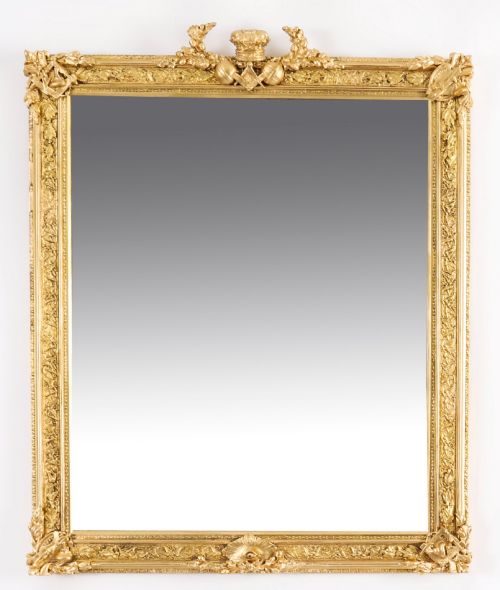
Victorian wall glass encompasses a broad selection of hanging mirrors, overmantels, pier mirrors, and occasional barometers or wall cases mounted for domestic display. You will frequently encounter large giltwood and gesso overmantel mirrors designed to sit above a fireplace, alongside smaller carved oak, walnut, and ebonised wall mirrors.
The objects span the nineteenth century and stretch into the Edwardian era and the early twentieth century, drawing on French and English revival styles like Rococo, Renaissance, and the Aesthetic Movement. Workshops produced these pieces to dominate a room, combining architectural frames with heavy reflective plates intended to bounce light across Victorian interiors.
How they were made
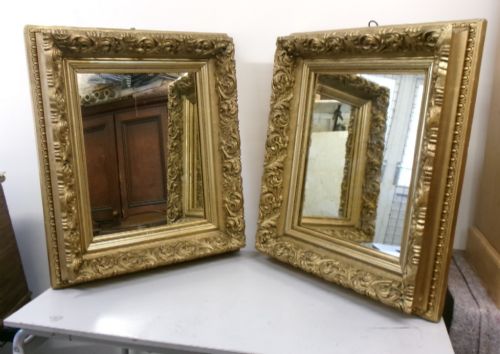
Carved wood, gesso, and composition build up the intricate relief work on frames, often finished with gold leaf or painted surfaces. Artisans carved directly into woods like oak, walnut, and mahogany, or applied moulded gesso over a wooden base to achieve elaborate rope twist, floral, or ribbed framing.
Mirror glass plates were integrated into these surrounds, sometimes featuring bevelled edges or showing natural ageing such as foxing. Makers also utilised brass, ebonised finishes, tortoiseshell ripple moulding, and gilt metal to accent the primary wooden structures.
Some Victorian wall glass hides unexpected contents, including antique wall cases filled with rows of taxidermy glass eyes.
What varies in quality
The depth and crispness of the carving distinguish finer examples from standard production pieces, particularly where hand-carved details meet applied composition ornaments. Crisp relief work in giltwood or carved oak demonstrates superior workshop execution.
The preservation of the original mirror plate and the harmony between the frame and its glass plate dictate the desirability of the piece. Heavy, substantial framing with intact original gilding and genuine period glass holds greater integrity than later replacements.
The Victorian Wall Glass Glossary
- Overmantel mirror
- A large mirror specifically designed to be hung on the wall directly above a mantelpiece or fireplace. These pieces often feature arched or shaped tops to fit architectural chimney breasts.
- Gesso
- A plaster-like mixture applied to a wooden frame and carved or moulded into ornate decorative patterns before gilding. It forms the raised ornamentation on many Victorian gilt frames.
- Pier glass
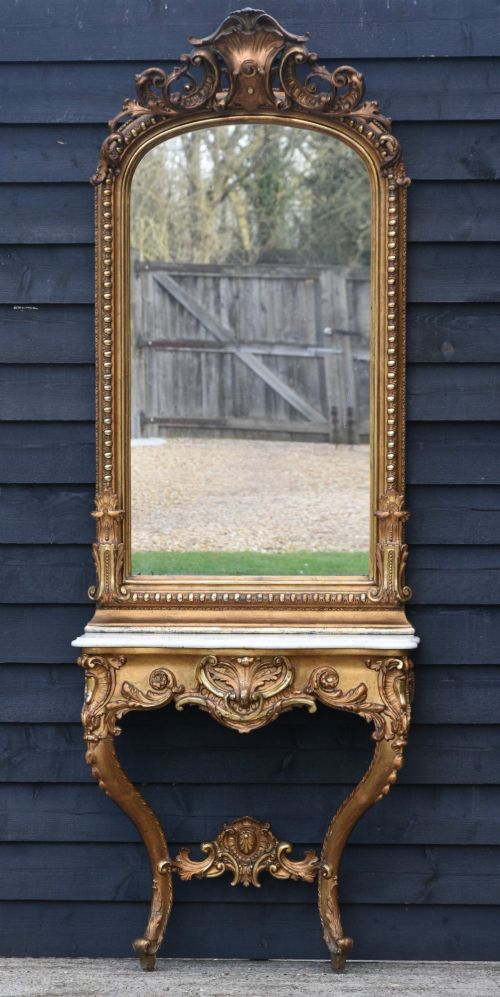
- A tall mirror designed to be hung on the pier, the narrow section of wall between two windows. They are frequently paired with matching console tables.
- Foxed glass
- Mirror glass that has developed spots, patches, or a mottled appearance due to the degradation of the silver backing over time. This ageing process is valued by collectors for its atmospheric reflection.
- Rococo Revival
- A nineteenth-century design style drawing inspiration from the asymmetrical curves, scrolls, and natural motifs of the French Rococo period. Frames in this style feature exuberant leaf and shell carvings.
Victorian Wall Glass: Frequently Asked Questions
What is victorian wall glass?
Victorian wall glass primarily refers to nineteenth-century mirrors, looking glasses, and overmantels housed in decorative frames made of wood, gesso, and gilt. These items were essential interior furnishings designed to amplify light and reflect the ornate aesthetics of the period.
The category also includes related wall-mounted items featuring glass elements, such as barometers, sconces, and specialised display cases from the same era.
How do I hang a heavy overmantel mirror?
Heavy Victorian overmantels require secure wall anchoring into structural studs or masonry using heavy-duty mirror plates and appropriate fixings. Because of their substantial weight and size, professional installation is strongly recommended to ensure stability.
Ensure the weight is evenly distributed across multiple fixing points rather than relying on a single central wire or hook.
How can I tell if the mirror glass is original?
Original nineteenth-century mirror glass often displays subtle imperfections, slight distortions, and characteristic foxing where the backing has aged. Modern replacement glass typically appears overly clear, flat, and entirely free of natural atmospheric speckling.
Looking closely at the edges of the glass can also reveal hand-beveling techniques distinct from twentieth-century machine production.
What is the difference between an overmantel and a pier mirror?
An overmantel mirror is traditionally wide and horizontal, built to span the width of a fireplace mantel, whereas a pier mirror is typically tall and narrow. Pier mirrors were manufactured to occupy the tight wall space between two windows, often paired directly with a console table underneath.
Both forms utilise heavy frames of carved wood, gesso, or giltwood, but their proportions reflect their intended architectural placements in a Victorian home.