
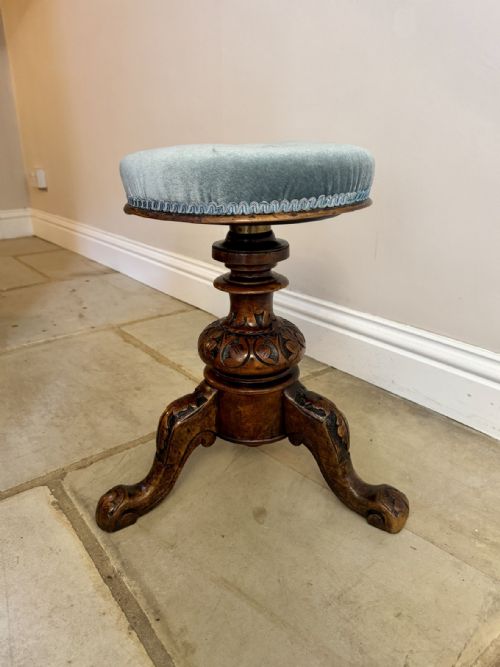


Victorian Velvet Stool
A victorian velvet stool offers solid nineteenth-century construction paired with rich pile textiles, making a versatile addition to any traditional interior.
Victorian Velvet Stool
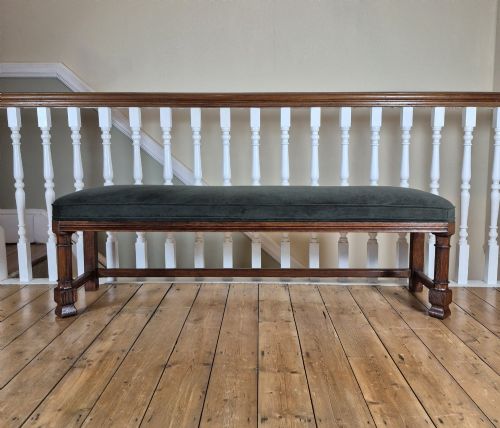
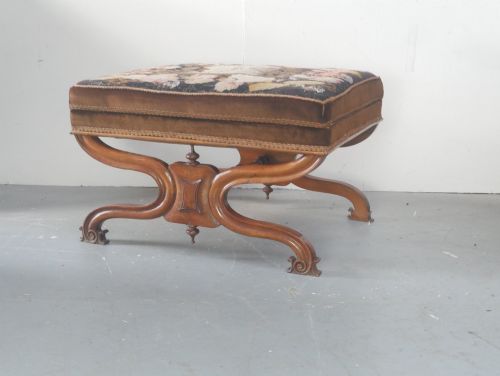
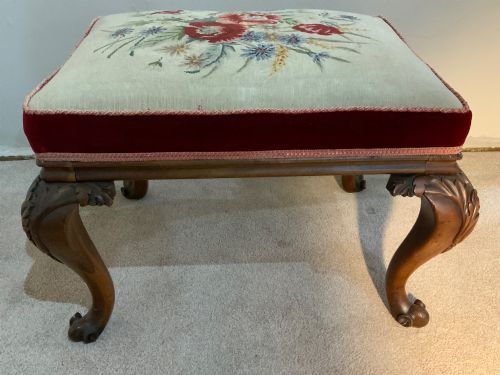
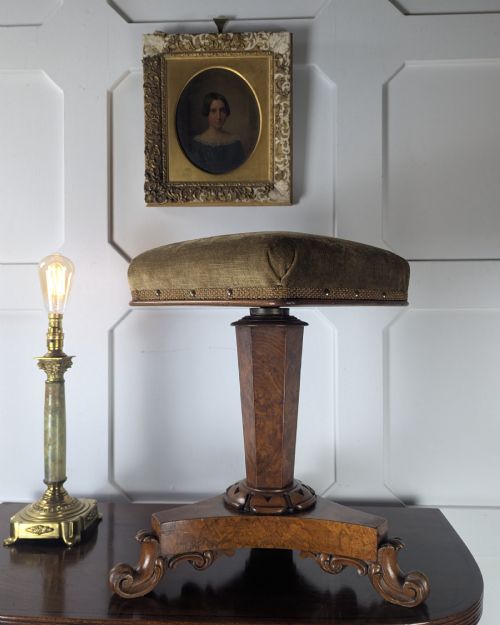
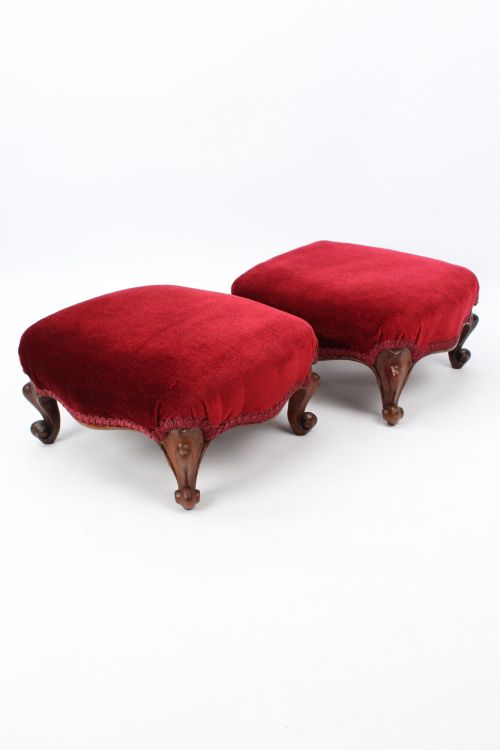
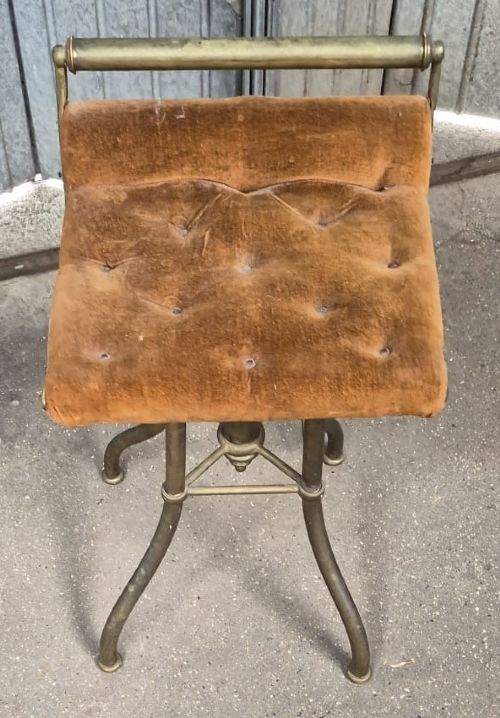
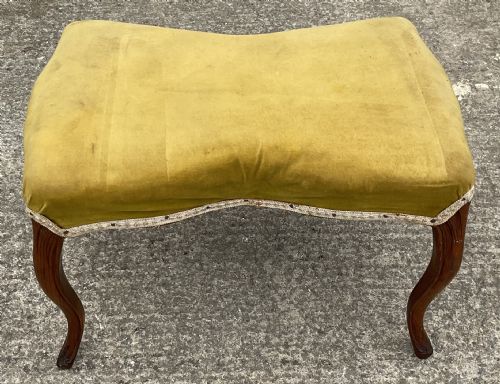
A victorian velvet stool takes many forms across the nineteenth-century inventory, appearing most frequently as footstools, piano stools, and larger centre pieces designed for drawing rooms and parlours. These items serve functional seating or resting purposes while displaying the varied aesthetic preferences of the period.
The selection ranges from compact footrests and adjustable music chairs to substantial ottomans and window seats. Walnut and mahogany provide the primary timber foundations, often shaped in Victorian, Gothic Revival, or Aesthetic Movement styles.
Makers utilised diverse secondary woods including oak, rosewood, and beechwood to build these frames. Upholstery frequently combines velvet with needlepoint, tapestry, or leather coverings.
How they were made
Cabinetmakers constructed the frames using dense hardwoods like walnut, mahogany, and rosewood, applying carved details and turned supports by hand. Giltwood and stained beech also appear among the structural materials.
Textiles such as velvet, tapestry, and needlepoint were stretched over padded internal structures, sometimes secured with buttons or brass framework. Adjustable piano stools incorporated functional mechanical hinges and rotating screw mechanisms into the timber seats.
Several stools double as hidden storage spaces, proving that nineteenth-century Victorians were just as keen to stash away clutter as we are today.
What varies in quality
The distinction between standard and superior pieces rests on the crispness of the timber carving and the robustness of any mechanical adjustments. Finely sculpted walnut and rosewood frames with smooth revolving actions sit above simpler turned beech or stained pine alternatives.
The integrity of the original upholstery and the weight of the timber frame determine the overall substance of the piece. Substantial framing and dense pile velvet denote superior execution.
Hallett & Sons·James Shoolbred·Holland & Son
The Victorian Velvet Stool Glossary
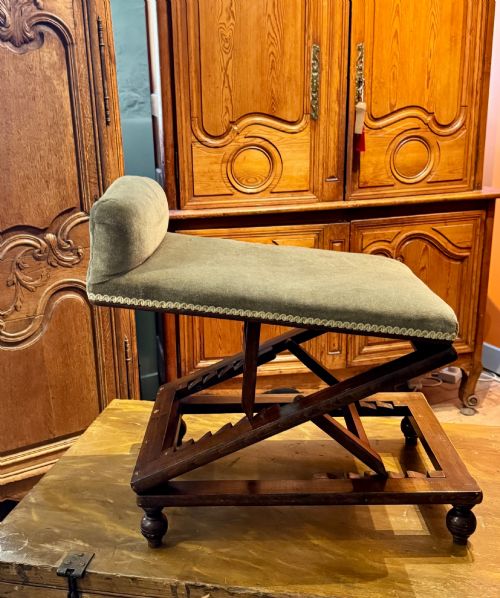
- Gout stool
- A specialised footrest featuring an adjustable angle to elevate and support the foot. These pieces often utilise beechwood and mechanical ratchets.
- Centre stool
- A freestanding seating form finished on all sides for placement in the middle of a room rather than against a wall. They appear frequently in nineteenth-century rosewood and mahogany.
- Gothic Revival
- A design movement drawing inspiration from medieval architecture and ornament. It manifests in pointed arches, heavy oak construction, and ecclesiastical motifs.
- Aesthetic Movement
- A late nineteenth-century style prioritising artistic expression and simplified forms over heavy historicism. Pieces often employ ebonised or light oak finishes.
- Ottoman
- A large, fully upholstered seat or footrest without a back, sometimes incorporating internal storage. They provide generous seating surfaces in larger reception rooms.
Victorian Velvet Stool: Frequently Asked Questions
How do I use a revolving piano stool?
The revolving top spins on a central wooden screw mechanism to raise or lower the sitting height for the player.
Twisting the seat clockwise or anticlockwise adjusts the height incrementally while you sit at the keyboard.
Were these stools used only for music?
While many examples served at the piano or harp, others functioned as footstools, dressing seats, or freestanding centre furniture in the parlour.
Adjustable models accommodated musicians, while stationary rectangular forms supported resting feet or served as low occasional seats.
How do I identify a Gothic Revival piece?
Gothic Revival stools display architectural motifs inspired by medieval churches, such as pointed arches and heavy carved oak frames.
These pieces often date from around the mid-nineteenth century and reflect an interest in historical church design.
What is the difference between a footstool and an ottoman?
Footstools are generally smaller, portable items designed specifically to support the feet while sitting in an armchair.
Ottomans are larger, substantial upholstered pieces that function independently as central seating or heavy resting surfaces.