




Victorian Vanity Chair
A victorian vanity chair brings low seating and soft upholstery directly to the dressing room, offering practical comfort for daily routines.
Victorian Vanity Chair
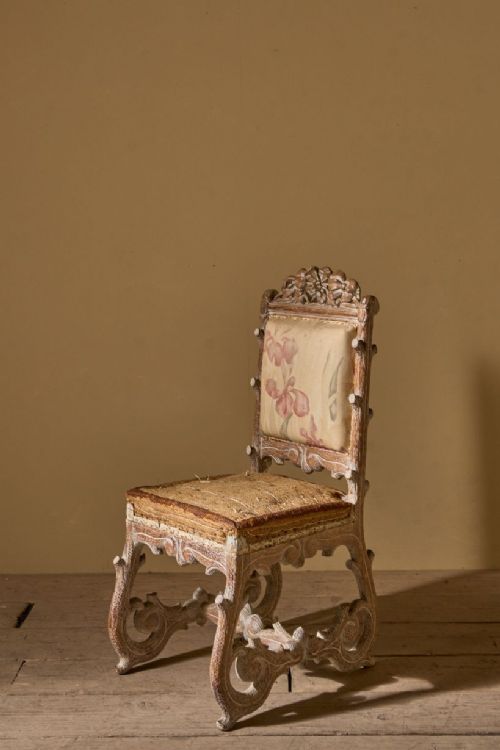
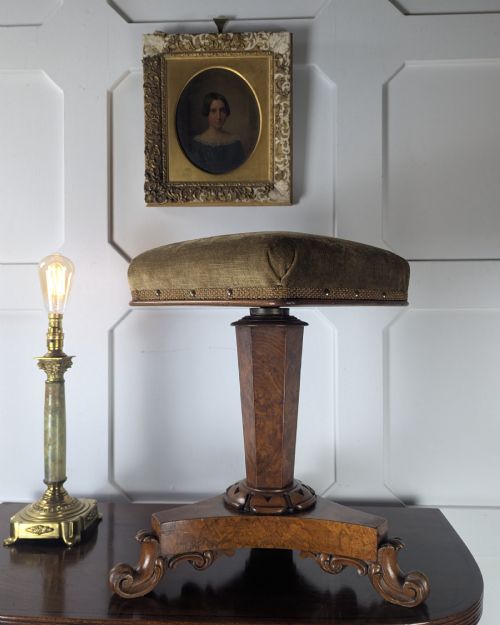
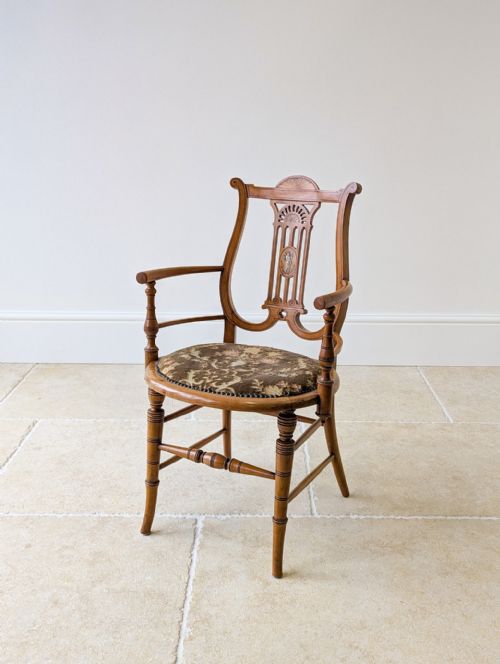
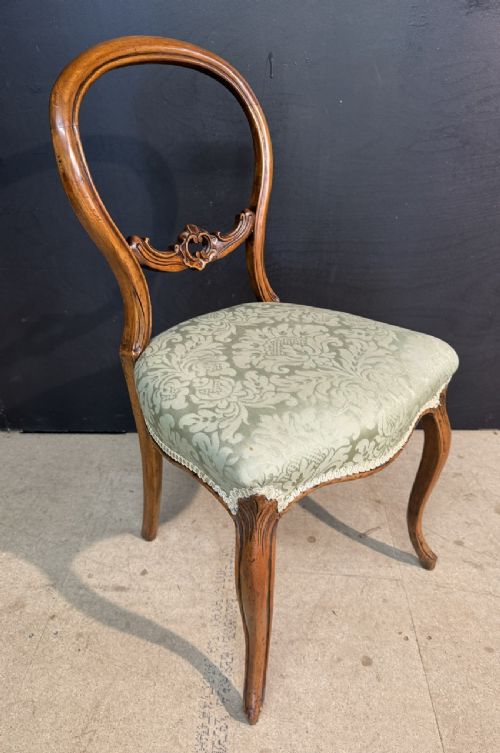
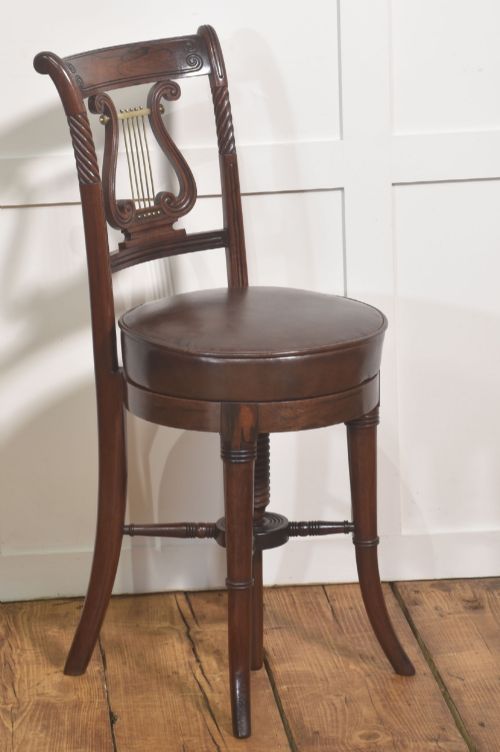
A victorian vanity chair encompasses low bedroom seats, dressing table stools, and slipper chairs designed for the nineteenth-century dressing room. These pieces appear in forms ranging from cabriole-legged walnut stools to low-backed nursing chairs and revolving piano seats.
Makers often fashioned these seats with adjustable mechanisms or low profiles to sit comfortably beneath dressing tables. The selection frequently includes mahogany, rosewood, and walnut frames paired with period textiles.
Buyers encounter variations spanning mid-century Victorian examples to later Sheraton Revival and Edwardian interpretations. Each piece reflects the nineteenth-century focus on domestic comfort and private dressing spaces.
Assessing quality and finish
The standard of carving and the selection of figured timber distinguish finer frames from simpler workshop production. Crisp hand-carving on walnut or rosewood indicates a higher grade of craftsmanship.
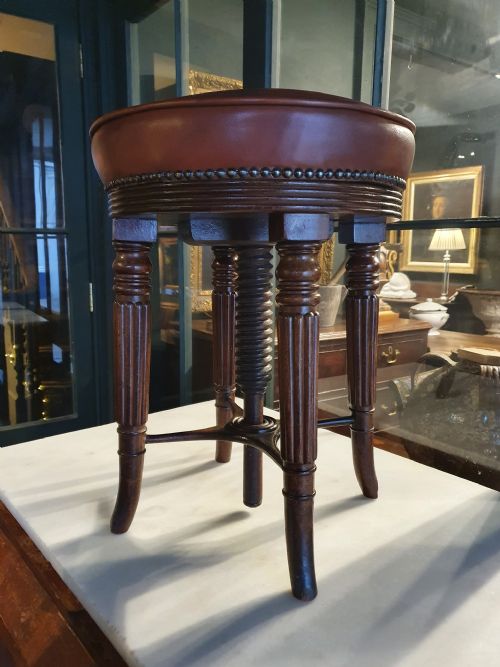
The integrity of revolving mechanisms and the quality of upholstery materials determine the overall execution. Original adjustable screw actions and well-preserved secondary woods set superior examples apart.
The listings show nineteenth-century seating executed in rosewood, walnut, and mahogany, with styles spanning Sheraton Revival to French and Anglo-Indian designs.
Lamb of Manchester·James Shoolbred
The Victorian Vanity Chair Glossary
- Slipper chair
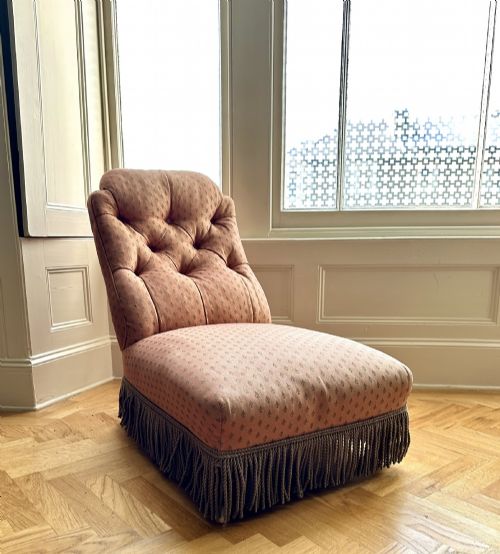
- A low-set upholstered bedroom chair designed originally for ladies to sit while putting on shoes or garments. These pieces typically feature low centres of gravity and skirted or fringed upholstery.
- Cabriole leg
- A furniture leg that curves outward and then tapers inward, mimicking the shape of an animal's leg. This form appears frequently on mid-nineteenth-century walnut and rosewood stools.
- Revolving piano stool
- A seat with a threaded central screw mechanism allowing the height to be adjusted by turning the top. These versatile stools served double duty at dressing tables and music desks.
- Sheraton Revival
- A late nineteenth-century design movement drawing inspiration from eighteenth-century neoclassical furniture. Pieces in this style often incorporate satinwood and delicate inlay.
Victorian Vanity Chair: Frequently Asked Questions
What is a victorian vanity chair used for?
These low seats provided comfortable perches for grooming and dressing in nineteenth-century bedrooms. They fit neatly beneath dressing tables and low mirrors.
Many examples also functioned as music stools or nursing chairs, adapting easily to different domestic rooms.
Are these chairs suitable for daily use?
Sturdy hardwood frames in mahogany and walnut offer solid structural integrity for everyday seating. Modern placement often relies on them as accent chairs or dressing table seats.
Checking the internal padding and fabric condition ensures the piece meets practical modern comfort needs.
How do slipper chairs differ from side chairs?
Slipper chairs sit closer to the floor with minimal leg exposure and often feature decorative fringe or deep upholstery. They were originally built for private dressing spaces.
Side chairs stand higher and feature more visible carved wood frames intended for general parlour or bedroom placement.