


Victorian Vanity Casket
A victorian vanity casket is a fitted wooden or metal container designed to hold personal treasures, cosmetics, and bottles on a dressing table.
Victorian Vanity Casket
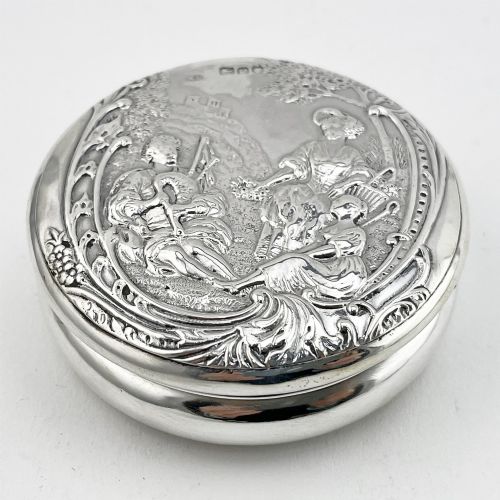
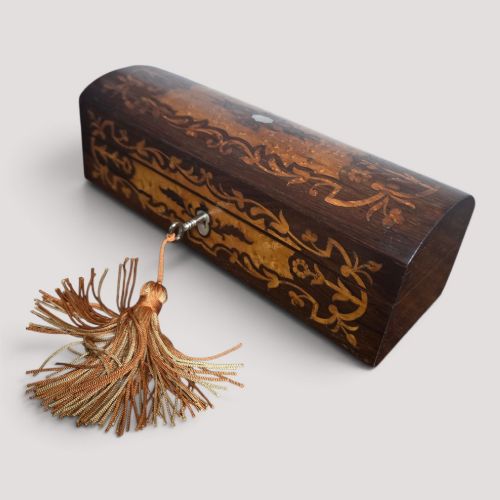
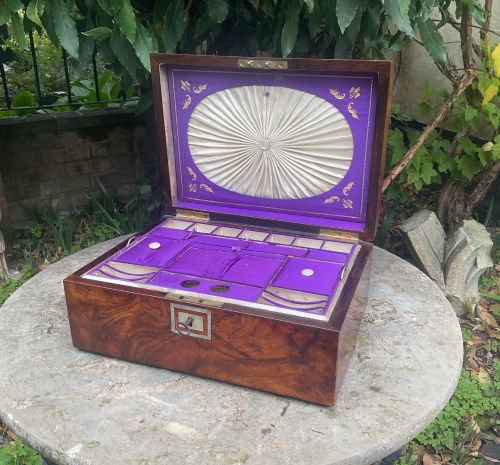
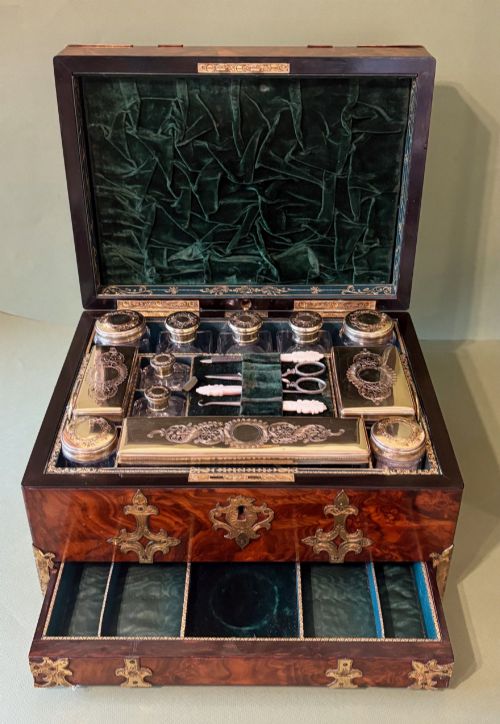
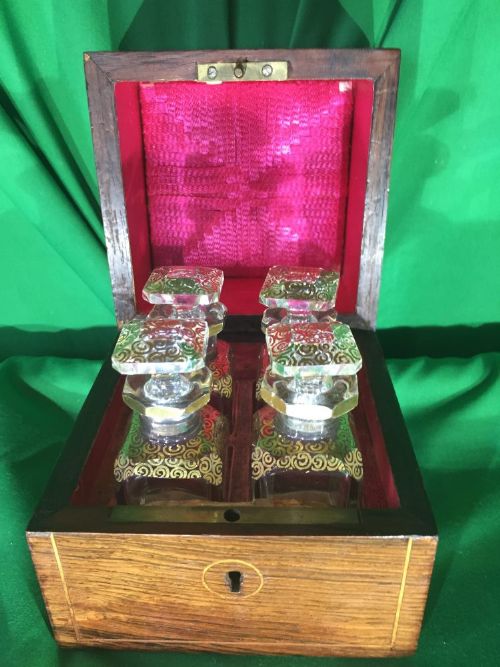
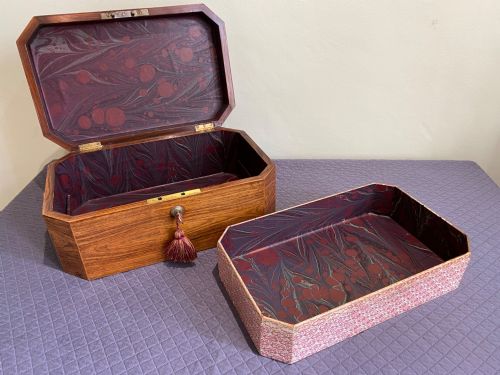
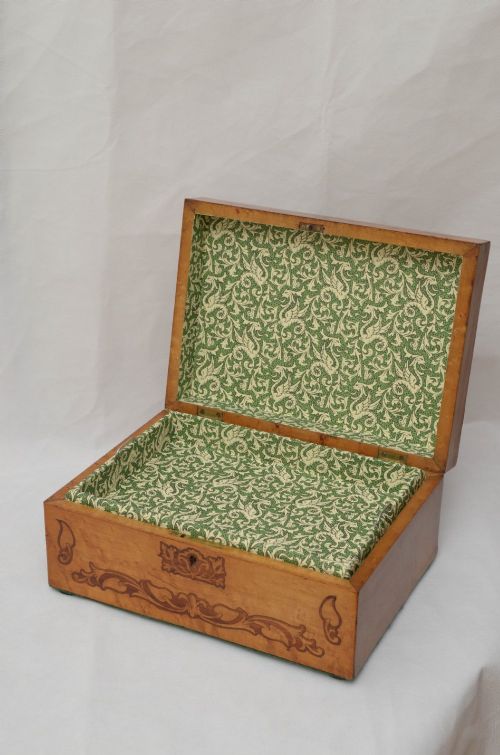
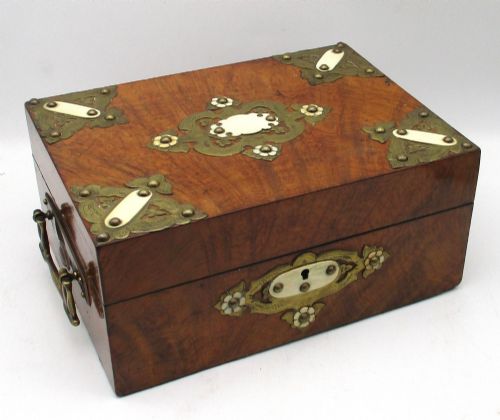
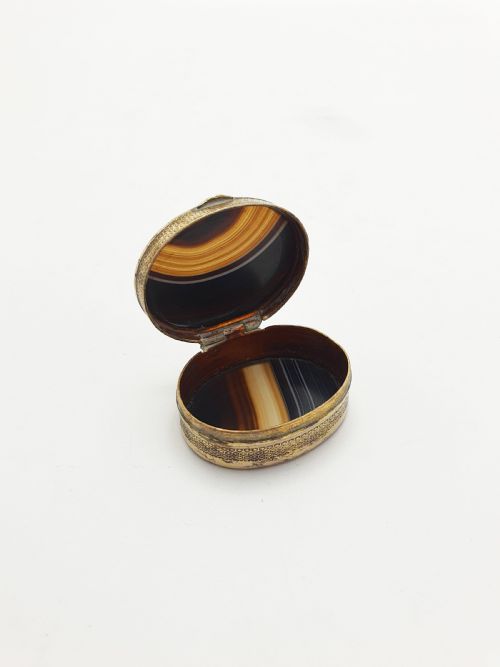
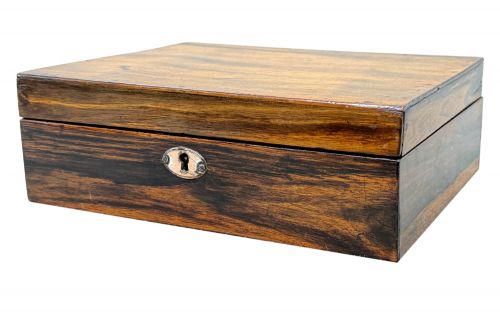
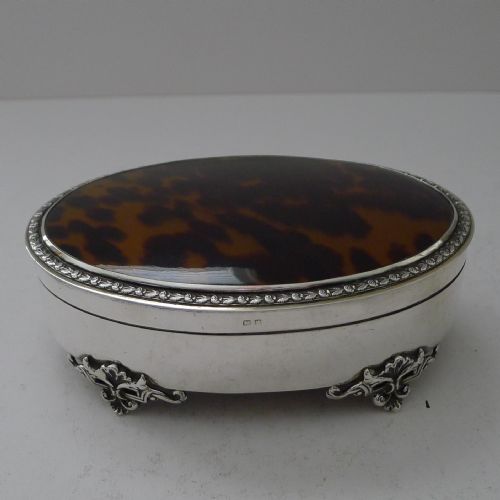
Makers of the period utilised rich hardwoods like burr walnut, mahogany, and coromandel, often embellished with brass mounts, mother-of-pearl inlay, or silver panels. Many examples include fitted interiors lined in velvet or silk to protect precious items during storage and travel.
How they were made
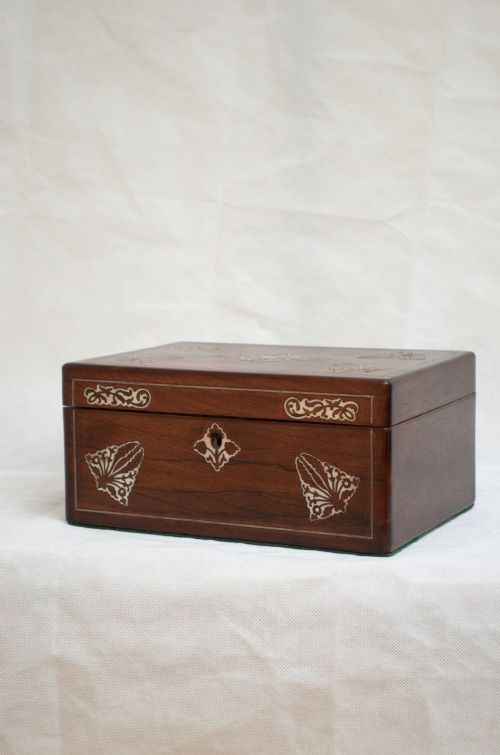
Cabinet makers constructed the foundational carcase from dense timbers such as rosewood and walnut, frequently applying decorative veneers to the exterior surfaces. Inlays of mother-of-pearl, tulipwood, and brass stringing required meticulous hand-cutting to fit flush into the wood.
Internal compartments relied on precise joinery to create removable trays, folding writing surfaces, and secret release mechanisms. Metal hardware, including hinges, locks, and handles, was cast in brass or gilded bronze and secured with tiny slotted screws.
Victorian Vanity Casket Retail Price Guide 2026
Typical asking prices for victorian vanity casket among the pieces listed under this phrase on Sellingantiques today, from the lower quarter to the upper quarter. They describe what is for sale here now, not the wider market.
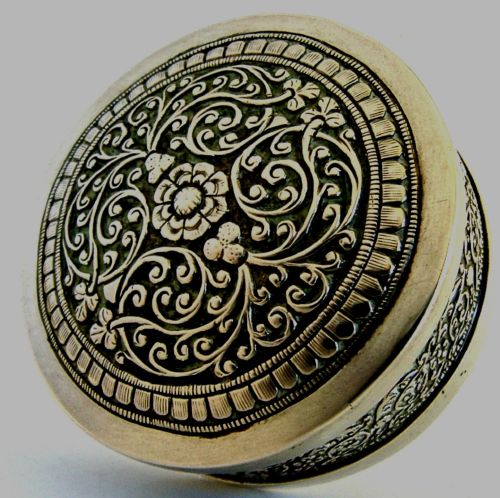
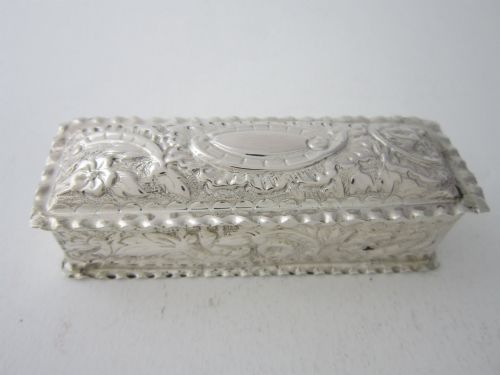
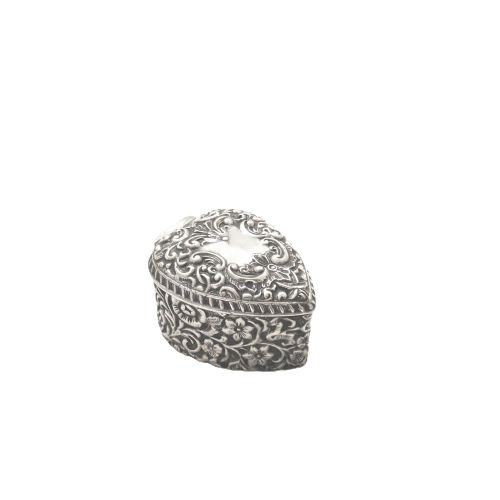
Listings feature items spanning the Victorian, Edwardian, and Arts and Crafts periods, constructed in materials from sterling silver to mother-of-pearl.
What varies in quality
The standard of a victorian vanity casket depends largely on the complexity of its internal fittings and the integrity of the timber. Fully fitted interiors with intact silk linings, original glass scent bottles, and working locks command greater attention than simple empty boxes.
Execution of the decorative work also defines the tier of the piece. Crisp brass mounts, precise parquetry, and unblemished veneer mark out superior workshop production, whereas loose joints and careless repairs indicate lesser execution.
A & J Zimmerman Ltd·William Hutton·William Comyns
The Victorian Vanity Casket Glossary
- Coromandel
- A dense, heavily figured timber imported from Asia, prized for its dark brown colour and contrasting striations.
- Parquetry
- A geometric mosaic of wood veneer arranged in patterns on the exterior surface of a box.
- Ormolu
- Gilt bronze mounted onto the exterior of furniture and boxes for decorative accent.
- Casket
- A decorative box, frequently fitted with internal compartments, intended to hold valuables.
Victorian Vanity Casket: Frequently Asked Questions
What is inside a vanity casket?
These caskets generally contain tiered trays, compartments for rings and pins, and fitted slots for glass scent bottles. Many also feature an integrated mirror set into the lid.
Some examples include hidden drawers released by secret wooden spring latches designed to secure correspondence or extra valuables.
How do I care for wooden boxes?
Keep wooden caskets away from direct sunlight and strong heat sources to prevent the timber veneer from drying and lifting. Dust them gently with a dry cloth and avoid harsh liquid polishes.
Maintain a stable indoor humidity to protect the delicate internal velvet or silk linings from mildew and degradation.
Are the locks original?
Most pieces retain their original brass lever locks, though keys are frequently lost over time due to the span of the nineteenth century. Many boxes can be opened carefully by a specialist if the original key is missing.
Examining the escutcheon and the screws around the lock plate will indicate whether the mechanism has been replaced during a later restoration.
How do I tell rosewood from walnut?
Rosewood exhibits a deep, dark brown hue with distinct black grain markings, often presenting a dense and oily visual texture. Burr walnut displays a lighter, swirling grain pattern formed from the growth knots of the tree.
Both timbers were standard choices for nineteenth-century cabinet makers, but their distinct natural patterns make them straightforward to distinguish.