
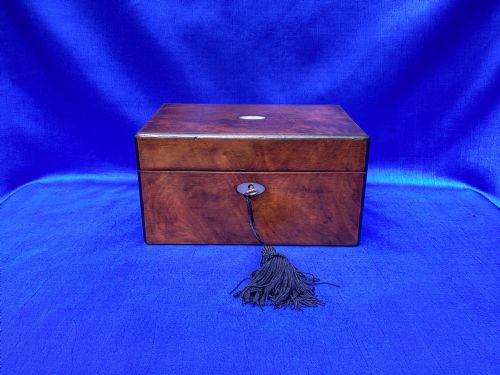
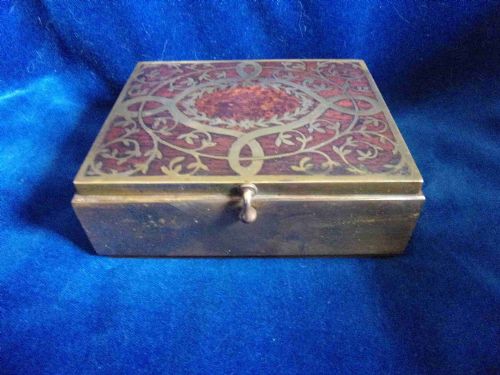
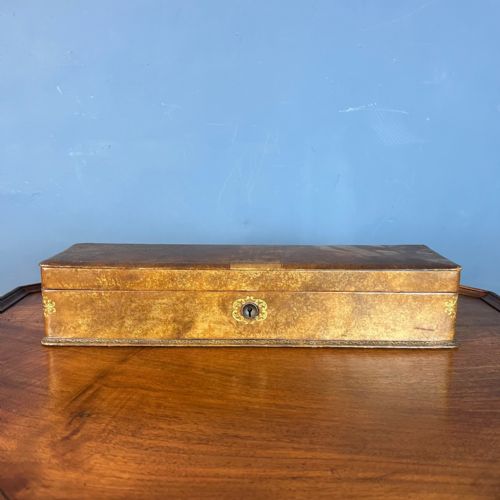


Edwardian Brass Trinket Box
An edwardian brass trinket box holds dressing table secrets and small treasures, combining tactile metalwork with period charm.
Edwardian Brass Trinket Box
An edwardian brass trinket box brings together functional small storage and the decorative metalwork popular at the turn of the twentieth century. These pieces serve to house rings, pins, and small keepsakes on dressing tables and desks.
While the search specifies Edwardian examples, the available selection spans related nineteenth and early twentieth-century periods. Buyers will encounter items ranging from plain cast brass containers to complex caskets influenced by Art Nouveau and Arts and Crafts aesthetics.
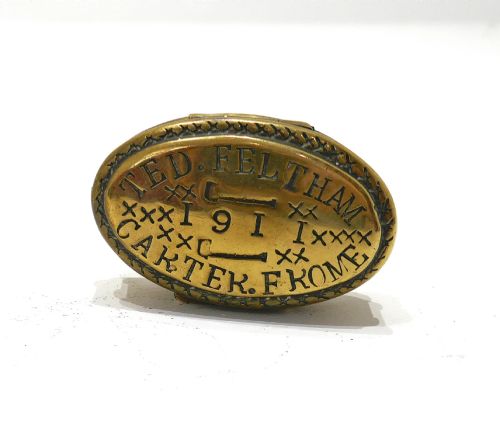
Forms extend beyond standard trinket boxes to include jewellery chests, snuffs, and desk accessories. Many incorporate glass, wood, or velvet linings alongside their primary metal construction.
Materials and construction
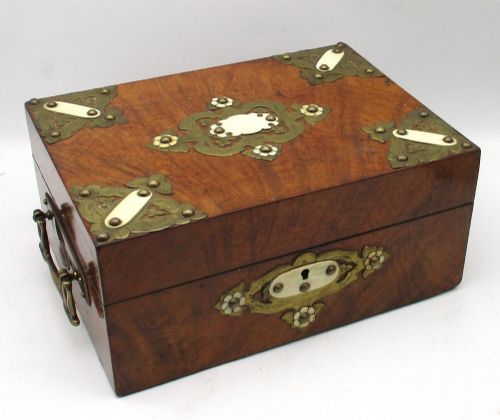
Makers utilised cast and sheet brass, frequently combining the metal with timber carcasses such as mahogany, walnut, and coromandel. Surface decoration relied on engraving, repoussé work, and applied cast motifs.
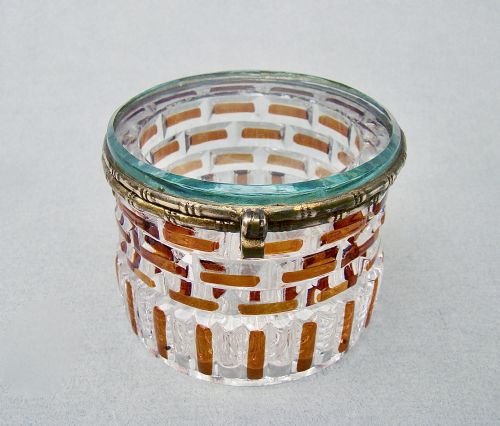
Interiors often featured velvet linings or fitted compartments for jewellery and sewing implements. Glass panels, including bevelled edges and amber Baccarat crystal, appeared alongside metal frames in display pieces.
One brass box in the selection comes topped with a sturdy bear finial, watching over the contents.
Markers of quality
Quality rests in the crispness of the brass casting and the precision of any applied ornamentation, such as figural finials or floral motifs. Heavier metal gauge and secure hinge construction distinguish better examples from lighter mass-produced containers.
The integration of secondary materials defines the tier of the piece. Superior items feature finely fitted wooden interiors, unblemished bevelled glass, and intact velvet linings rather than loose components or crude joints.
Erhard and Sohne
The Edwardian Brass Trinket Box Glossary
- Repoussé
- Metalworking technique where the design is hammered into relief from the reverse side. This creates textured surface patterns found on Arts and Crafts metalware.
- Finial
- A decorative ornament fixed to the top of a lid or box. In these listings they range from cast bears to geometric brass shapes.
- Bevelling
- Grounding and polishing an angled edge onto a glass panel. This technique catches the light and appears on finer display boxes.
- Coromandel
- A dense, dark timber with striking grain patterns imported from Asia. It was prized for luxury Victorian and Edwardian dressing boxes.
Edwardian Brass Trinket Box: Frequently Asked Questions
What fits inside an edwardian brass trinket box?
These containers suit small personal items such as rings, cufflinks, brooches, and folded notes. They were designed for the dressing table or desk rather than bulky storage.
Larger variations accommodate sewing tools or letters, while smaller ones protect delicate daily jewellery.
Are these boxes lined with velvet?
Many examples retain their original textile interiors, which protected delicate metal jewellery from scratches. Silk and velvet were common choices for dressing box linings.
Some pieces reveal bare wood or plain metal bases depending on their intended use as desk accessories or snuff containers.
How to tell Edwardian from Victorian brass work?
Victorian metalwork often leans towards heavier, ornate cast designs and dark woods like walnut. Edwardian pieces frequently show lighter proportions influenced by Art Nouveau styles.
Overlap in periods means construction details and hallmarks offer the clearest guide to exact dating.