




Victorian Style Brass Casket
These victorian style brass casket selections are decorative metal and wooden strongboxes made to hold jewellery, trinkets and papers.
Victorian Style Brass Casket
A victorian style brass casket brings nineteenth-century decorative metalwork and storage into modern rooms, taking the form of jewellery boxes, trinket boxes and small despatch containers. Most examples on this page date from the nineteenth century and the early twentieth century, spanning periods from eighteen hundred to nineteen ten.
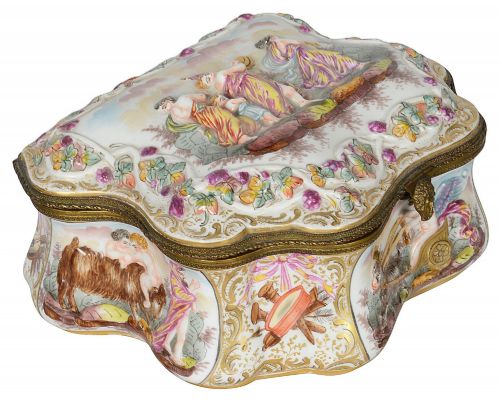
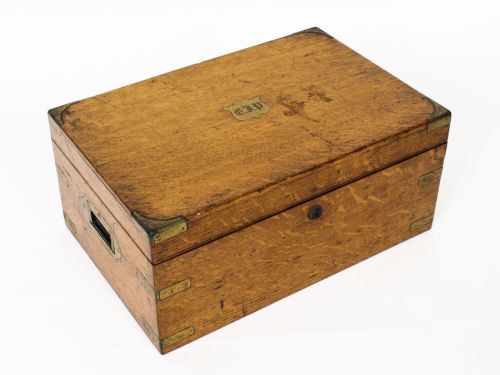
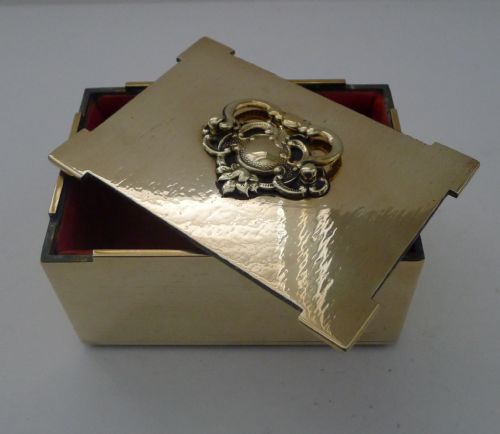
The objects combine structural carcasses in timber, marble or porcelain with metal mounts, hinges and frames. Formats range from dome-top boxes and cast brass caskets to humidor boxes and decorative desk containers.
Makers and workshops of the era drew on historical vocabularies, producing pieces in Gothic revival, Rococo revival, Arts and Crafts and French Empire styles. Buyers encounter both plain brass housings and elaborate combinations involving coromandel wood, oak, ormolu and hand-decorated copper.
How they were made
Construction relies on joining timber, marble or porcelain foundations with cast brass, gilt brass, ormolu and bronze patina hardware. Artisans secured these metal elements using screws and pins to frame hinged lids and lockable compartments.
Surface ornamentation involved repousse work in copper, hand-decorated panels, and intricate brass binding. Makers shaped structural components through casting, forging and carpentry to create heavy, durable receptacles intended for daily desktop or dressing table use.
A sturdy nineteenth-century cigar humidor proves that Victorian gentlemen took their tobacco storage just as seriously as their jewellery.
What varies in quality
Quality differences rest on the crispness of the metal casting and the integration of secondary materials such as porcelain plaques, marble bases and exotic wood carcases like coromandel and oak. Finer pieces display deep relief work in repousse copper and well-finished patination on bronze and ormolu mounts.
The precision of the joinery and the durability of the internal linings and hinges distinguish standard utility boxes from highly decorative salon pieces. Heavier cast components and signed maker work elevate the standing of an individual casket.
Lund Of Cornhill·Pugin
The Victorian Style Brass Casket Glossary
- Ormolu
- Gilt bronze mounted on decorative objects. This technique involves applying a finely ground high-carat gold mercury amalgam to bronze.
- Repousse
- Metalworking where a malleable metal is hammered from the reverse side to form a raised design in relief. It appears frequently on Arts and Crafts copper boxes.
- Coromandel
- A dense, dark timber imported from Asia used for luxury nineteenth-century dressing and jewellery boxes. Its striking grain makes it highly desirable.
- Boulle
- Marquetry technique utilising brass and tortoiseshell inlaid into furniture and box surfaces. Named after the French cabinetmaker.
- Gothic revival
- An architectural and decorative style drawing inspiration from medieval forms. It manifests in pointed arches and heavy ecclesiastical detailing on nineteenth-century boxes.
Victorian Style Brass Casket: Frequently Asked Questions
What were brass caskets used for?
These containers served primarily as secure receptacles for jewellery, trinkets, letters and small personal valuables on dressing tables or desks.
Heavier variations also functioned as cigar humidors or despatch boxes for confidential documents and correspondence.
How do I date a Victorian brass box?
Dating relies on examining the construction methods of the internal wooden carcase, the style of the brass casting, and any accompanying hallmarks or signatures.
Stylistic cues such as Gothic revival arches or Arts and Crafts repousse work point to specific decades within the nineteenth and early twentieth centuries.
Are these caskets made entirely of brass?
Most examples utilise a structural foundation of timber, marble or porcelain beneath external brass mountings, bindings and cast frames.
Materials recorded across the listings include oak, coromandel, copper, bronze and porcelain alongside solid or plated brass elements.
How do I care for antique brass and wood?
Maintain the metalwork by dusting with a dry cloth and avoiding harsh chemical polishes that strip the historical patina.
Keep wooden and porcelain elements away from direct sunlight and fluctuating humidity to protect the integrity of the original carcase.