




Victorian Urn Lamp
These Victorian urn lamps bring classical form and warm illumination into rooms, drawing on nineteenth-century craftsmanship.
Victorian Urn Lamp
A victorian urn lamp takes the traditional classical urn shape, often originating from nineteenth-century vessels or oil lamps converted for electrical use.
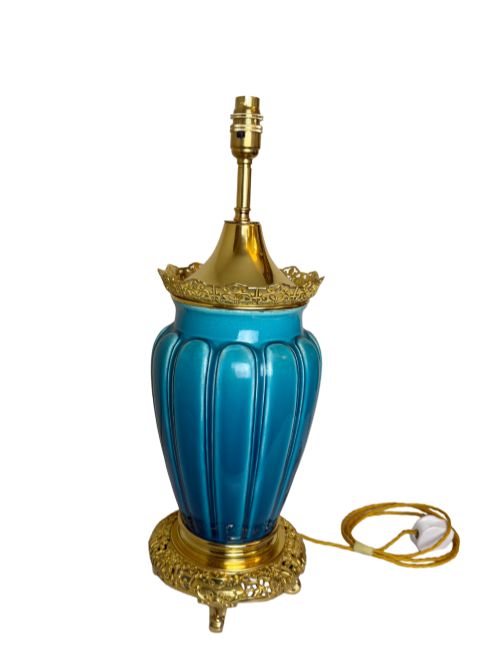
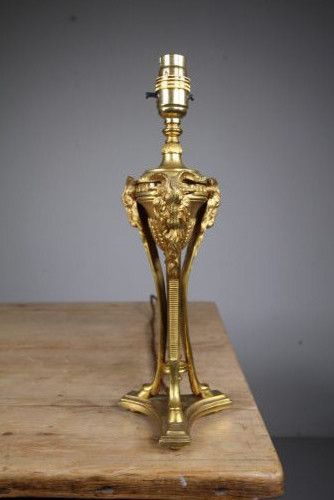
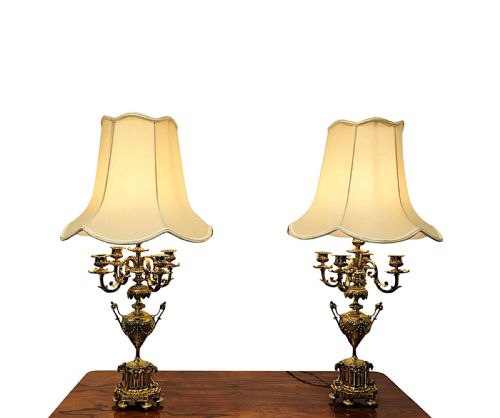
The selections here span French porcelain styles, Japanese bronze vessels, and English brass designs, frequently featuring handles, pedestals, and decorative mounts.
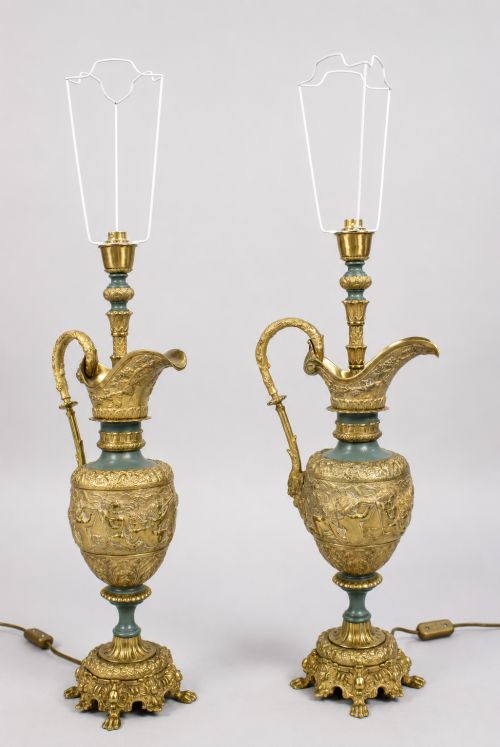
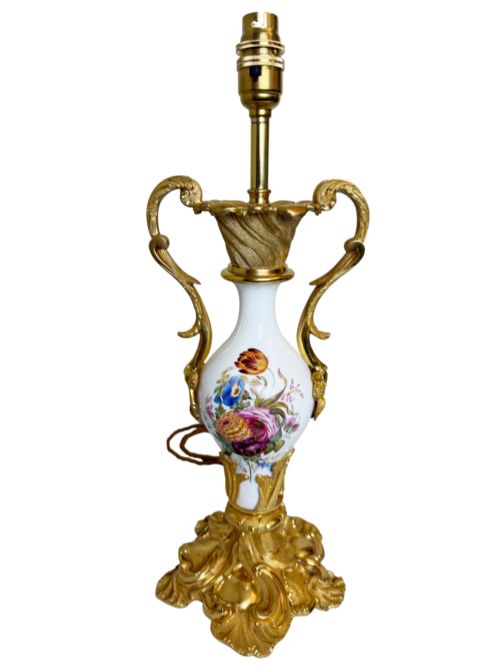
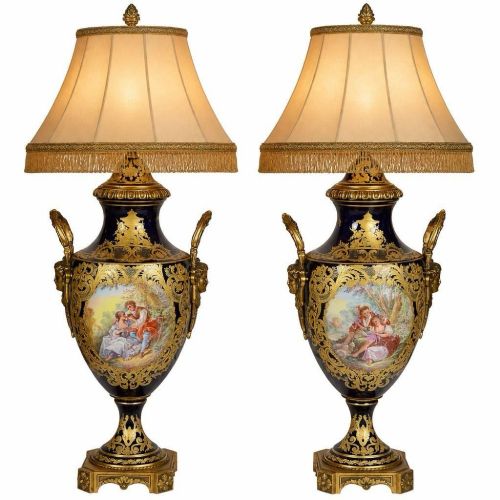
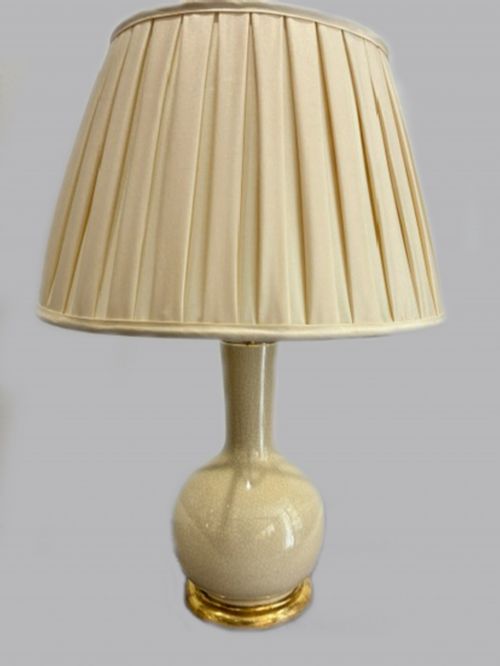
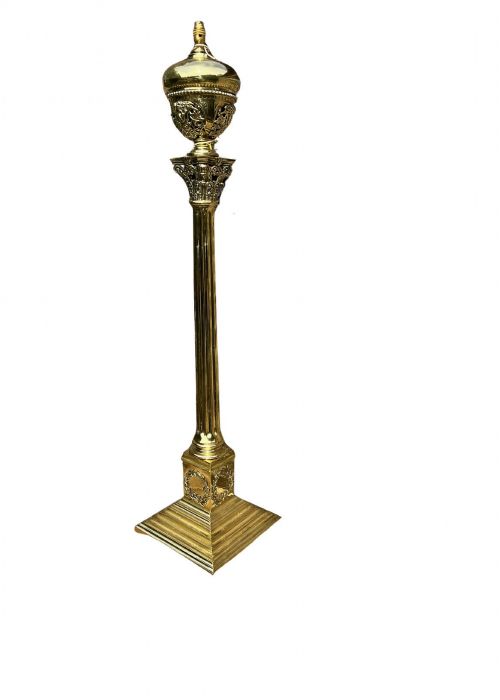
Many examples incorporate porcelain bodies with gilt bronze trim, while others rely entirely on cast metals shaped into ewers, amphorae, or classical columns.
Materials and Construction
Maker workshops utilised cast metals such as brass, bronze, or ormolu alongside glazed porcelain and enamel to build these heavy, decorative bodies.
Surface ornamentation involved hand-painted floral motifs, cloisonne wirework, and champleve enamelling set directly into the metal framework.
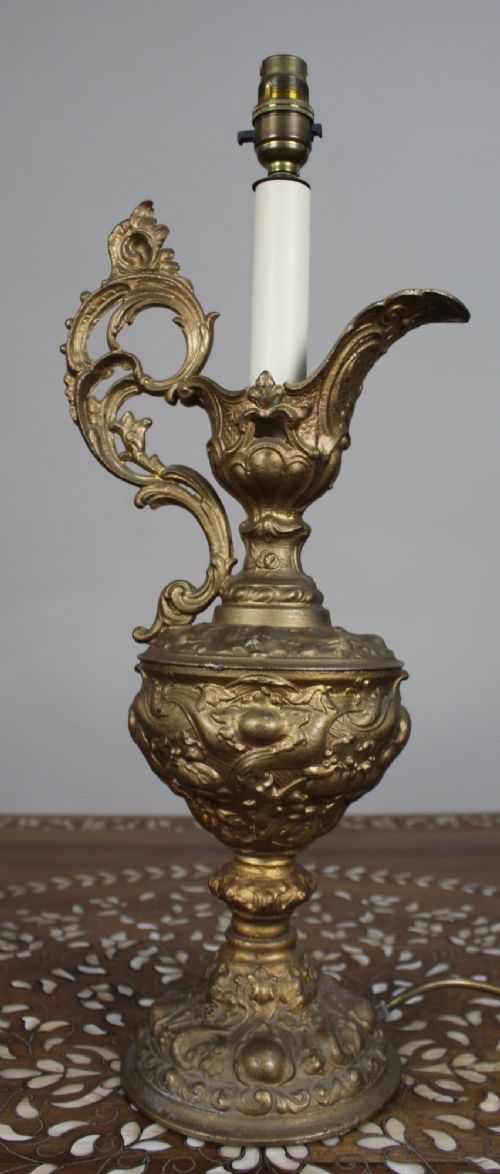
Many items started life as oil burners or decorative ewers before later conversion into table lamps, retaining original burners or mounts.
Several heavy brass spirit kettles and silver-plated burners share the inventory, proving Victorians liked to put handles and stands on almost anything.
Judging Quality
Quality rests upon the crispness of the metal casting, the weight of the bronze or brass, and the fineness of any hand-painted porcelain detailing.
The integration of mounts, handles, and Ormolu fittings reveals the care taken during assembly, separating ordinary production from finer workshop output.
Druce And Co London·Harrison Brothers And Howson·M Woodburn·Doulton Lambeth
The Victorian Urn Lamp Glossary
- Ormolu
- Gilded bronze used widely for decorative mounts and trims on nineteenth-century pieces. It provides a bright golden surface finish over cast metal.
- Ewer
- A large jug with a wide spout and elaborate handle, frequently adapted into lamp bases. This shape draws directly from classical vessel designs.
- Cloisonne
- Enamelling technique using thin metal wires to form compartments for coloured paste. Japanese workshops produced notable examples in this style.
- Sevres style
- Porcelain decoration imitating the famous French royal factory output, typically featuring rich colours and gilt detailing.
- Duplex burner
- A double-wick mechanism found on period oil lamps. It produced a brighter flame before conversion to electricity.
Victorian Urn Lamp: Frequently Asked Questions
What is a victorian urn lamp?
A victorian urn lamp is a lighting fixture built around a classical urn shape, typically originating in the nineteenth century from converted oil lamps or decorative vessels.
These pieces combine materials like porcelain, bronze, and brass, reflecting historical revival styles popular during the period.
How were these lamps converted?
Many of these pieces began as oil lamps using burners or functioned as decorative vases, ewers, and candlesticks before electricians wired them for modern domestic use.
Original components such as fonts, burners, and handles are frequently preserved alongside the new electrical fittings.
Where were these lamps made?
The listings include pieces produced in English workshops, French factories, and Japanese artisanal furnaces during the nineteenth century and early twentieth century.
Imported wares and European revival styles often crossed paths in Victorian interiors, creating a diverse range of decorative influences.
How do I style a victorian urn lamp?
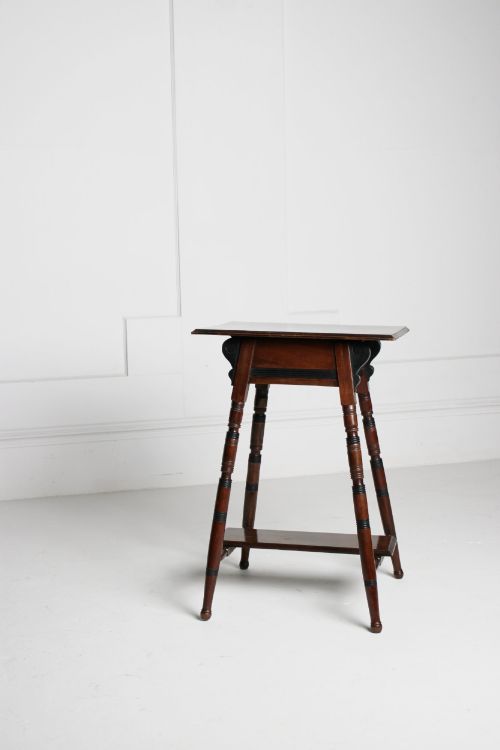
These lamps suit traditional side tables, mahogany lamp tables, and occasional furniture, serving as focal points in a room due to their sculptural weight.
Pairing them with neutral fabric shades allows the detailed porcelain, bronze, or cloisonne bodies to remain the primary visual feature.