

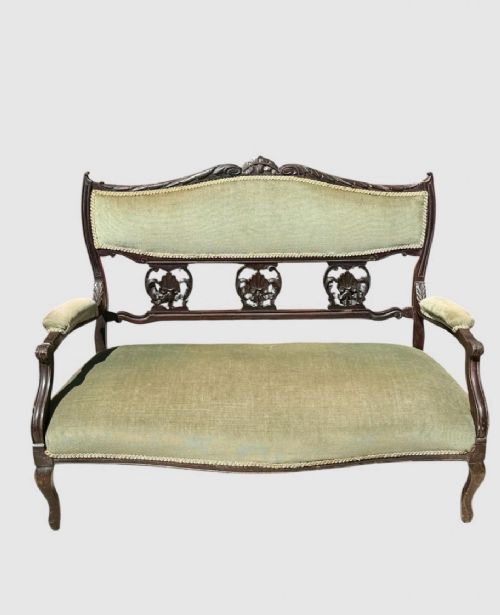


Victorian Upholstered Loveseat
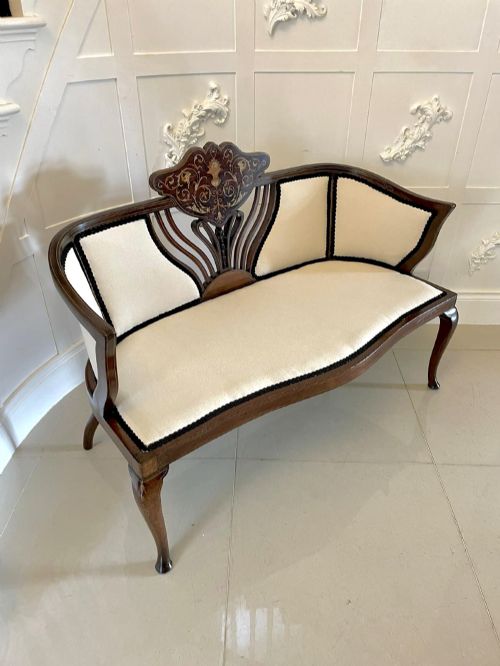
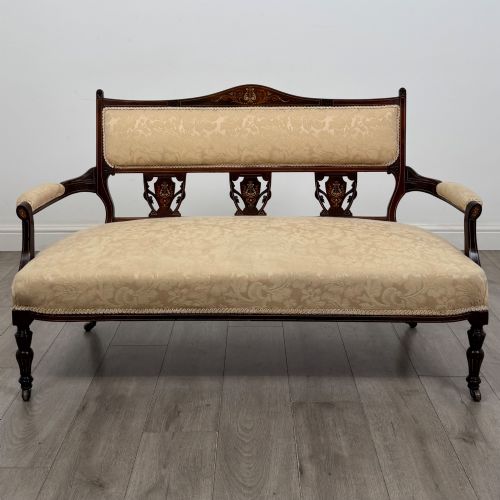
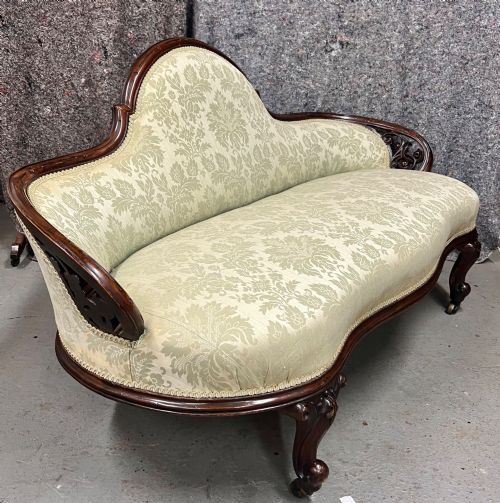
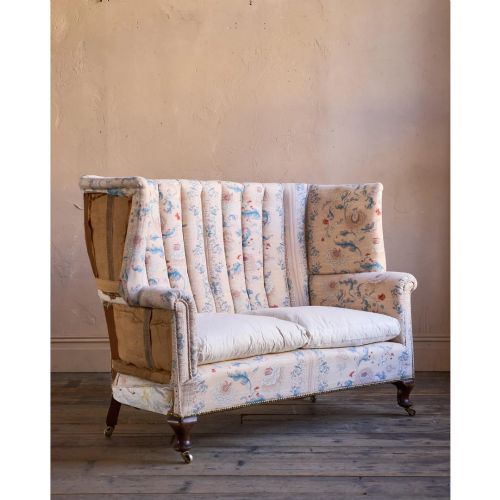
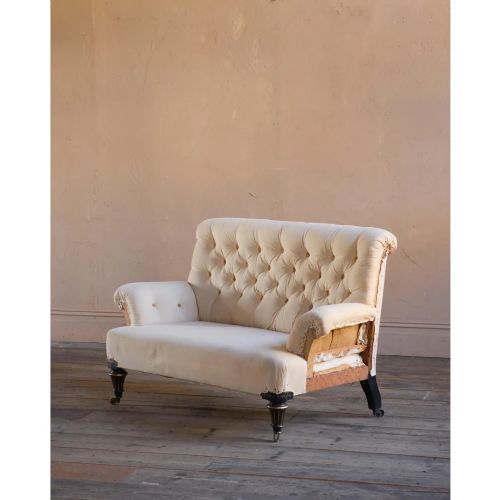
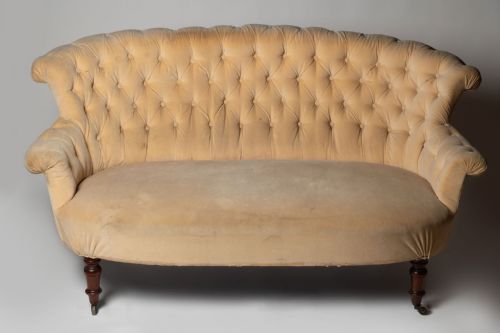
These victorian upholstered loveseat pieces are compact two-seater settees offering intimate seating with period character.
Victorian Upholstered Loveseat
When searching for a victorian upholstered loveseat, buyers encounter compact two-seater sofas, settees and couches originating from the nineteenth century. These seating forms range from robust walnut and mahogany frames to delicate inlaid rosewood examples.
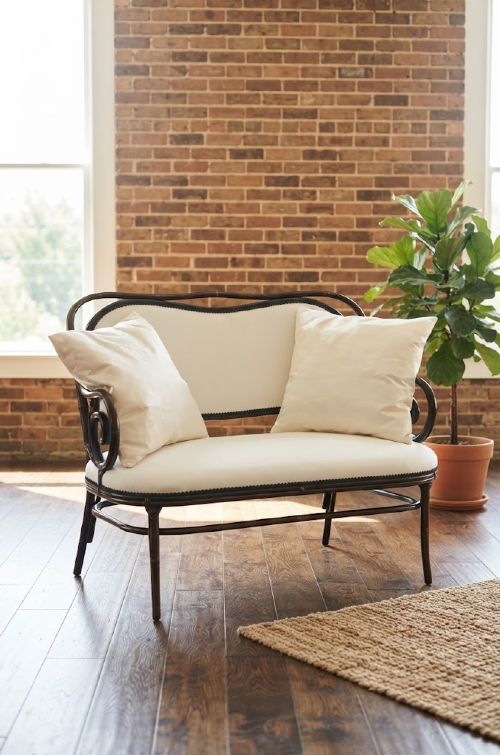
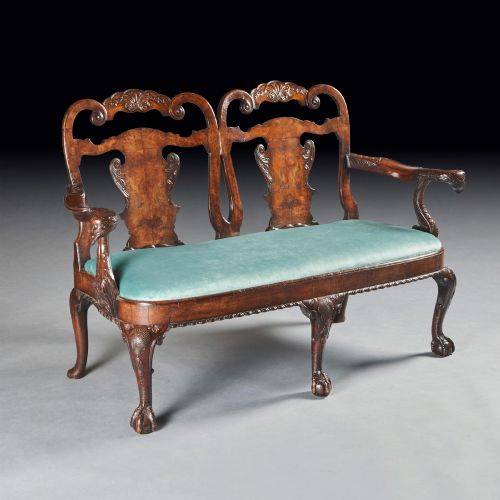
The pieces appearing on this page span the Victorian era, including late Victorian items alongside specific revival styles such as Rococo Revival, Aesthetic Movement and Georgian Revival. Makers such as Jackson and Graham and Howard and Sons also contribute to the variety found here.
Most examples function as twin chair back sofas, salon settees or winged seats upholstered in fabric or velvet, resting upon turned wooden legs or brass castors.
How they were made
Frames rely upon hardwoods like mahogany, walnut and rosewood, shaped through carving, turning and inlay techniques. Ebonised finishes and brass elements also appear across the selection.
Upholstery incorporates fabric and velvet over sprung or padded interior structures, sometimes finished with button backs or ticking.
Some nineteenth-century settees doubled as specialised bed-end seating for removing heavy boots.
What varies in quality
The refinement of timber framing separates simpler production from exceptional examples, seen in intricate mahogany inlays, detailed walnut carving and sophisticated rosewood cabinetwork. Maker attribution to firms like Jackson and Graham elevates a piece.
The execution of the upholstery and the integrity of the underlying woodwork dictate the overall standard of the settee.
Jackson and Graham·Howard and Sons·Thonet
The Victorian Upholstered Loveseat Glossary
- Settee
- A long upholstered seat for more than one person, typically featuring a back and arms. These forms provide compact seating within nineteenth-century salons.
- Inlay
- A decorative technique where contrasting strips of wood or other materials are inserted into the primary timber surface. This ornamentation defines many rosewood and mahogany pieces.
- Aesthetic Movement
- A late nineteenth-century design style emphasising artistic value over moral or narrative themes. Ebonised wood often characterises furniture from this design phase.
- Canape
- An ornamental French-style sofa with an upholstered seat and back. These frames often exhibit carved wooden details.
- Wingback
- A chair or sofa featuring side panels attached to the arms and rising to the back. This form provides shelter and comfort.
Victorian Upholstered Loveseat: Frequently Asked Questions
Where did people place a loveseat?
These compact seating pieces belonged in parlours, drawing rooms and bedrooms where smaller upholstered furniture suited intimate gatherings.
Their scale allowed them to sit comfortably in conversation areas alongside larger sofas and armchairs.
How do I identify a Victorian sofa?
Look for characteristic timber frames constructed from mahogany, walnut or rosewood, combined with stylistic cues like Rococo Revival curves or Aesthetic Movement ebonising.
Construction dates generally span the nineteenth century up to nineteen ten, featuring turned legs and traditional upholstery methods.
Can I use these in modern rooms?
Their compact two-seater proportions make these settees adaptable for modern sitting rooms, hallways or bedroom ends. They function well as statement seating.
Pairing historic frames with contemporary interiors creates a balanced decorative scheme.