
Victorian Two Door Armoire
A victorian two door armoire provides substantial hanging space and architectural presence, combining practical storage with period character for the bedroom.
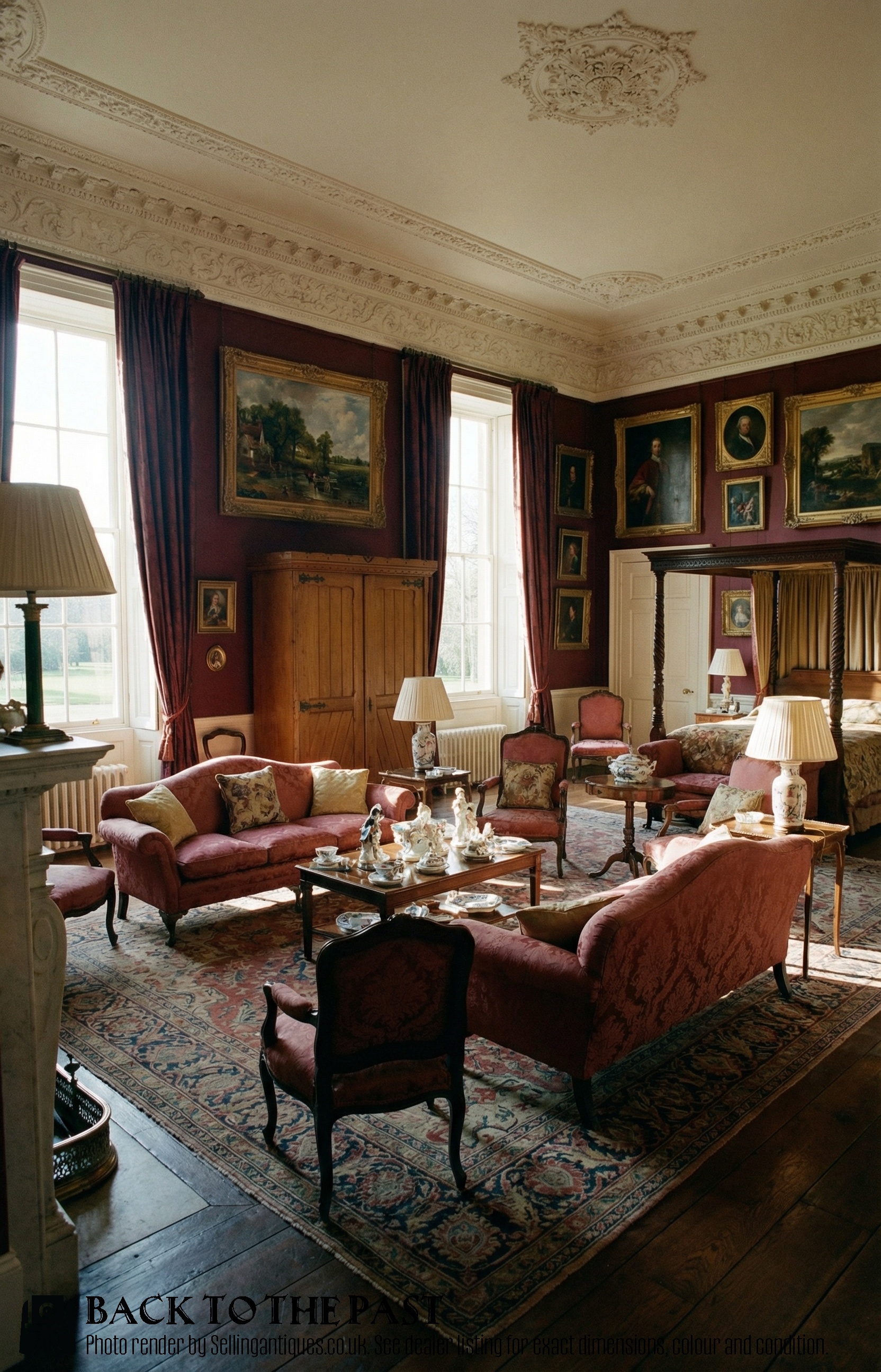
Victorian Two Door Armoire
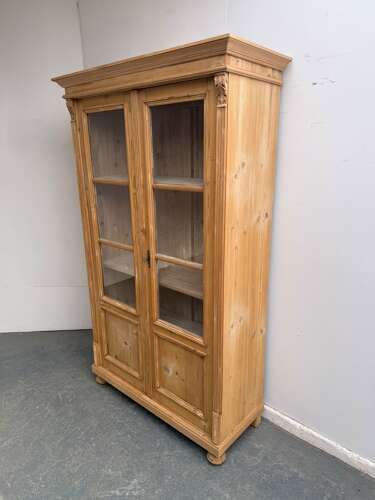
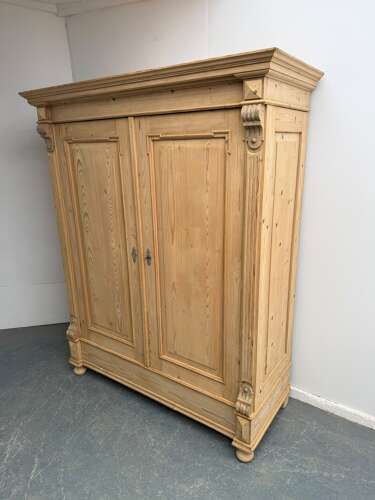
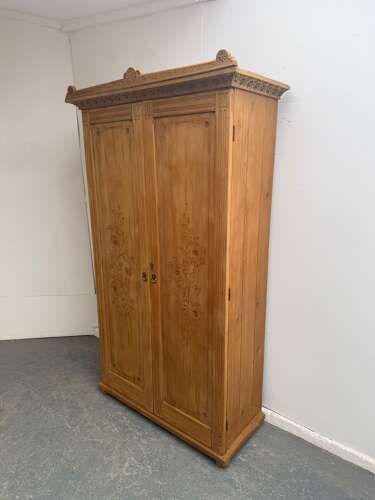
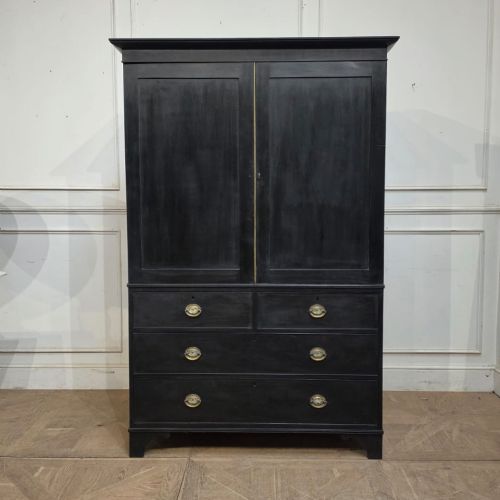
When searching for a victorian two door armoire, buyers encounter large timber wardrobes, linen presses, and storage cupboards spanning the nineteenth century. These pieces serve as the primary storage furniture of their period, designed to house garments and linens in large domestic spaces.
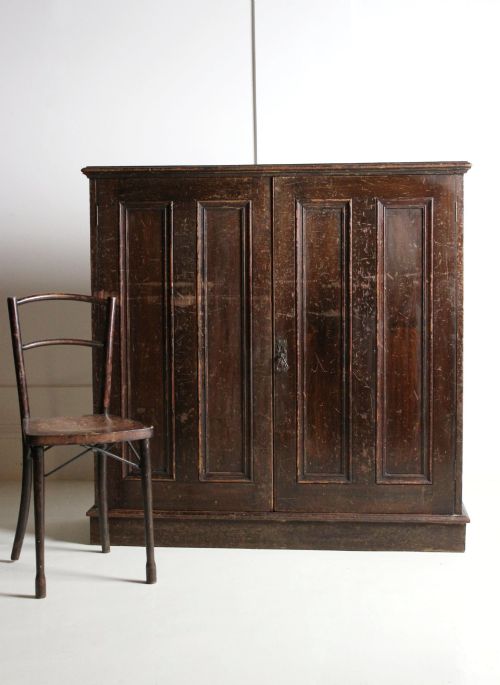
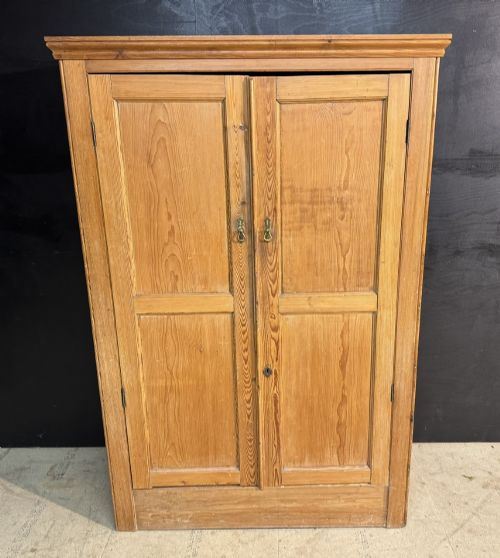
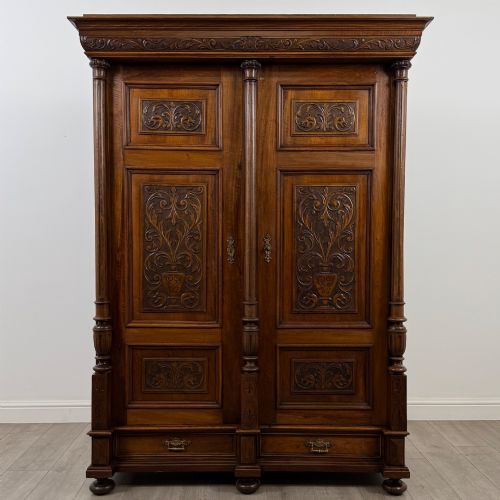
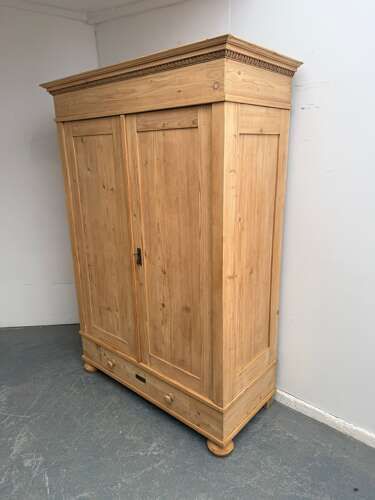
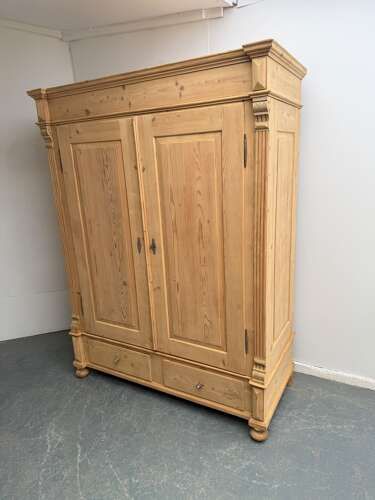
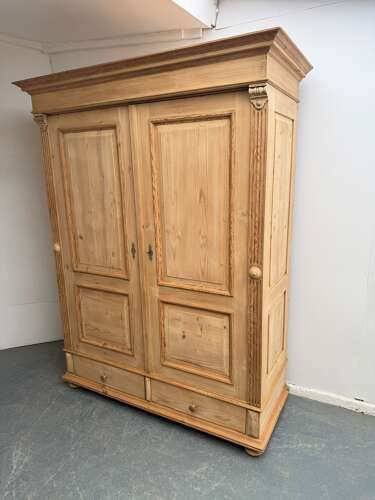
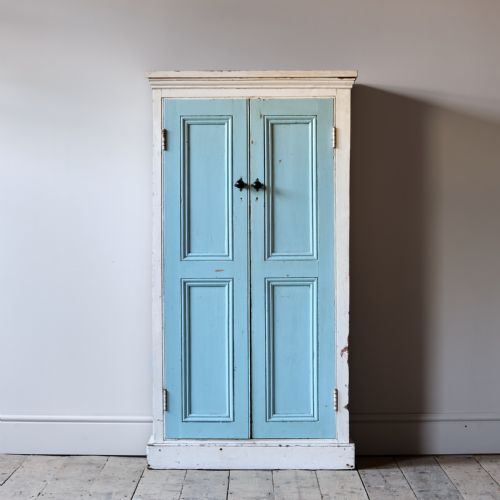
The version most commonly met on this page is constructed from pine, often in a knockdown format for ease of transport, alongside hardwood examples in mahogany and walnut. They appear in both polished timber finishes and painted surfaces, reflecting diverse regional styles from English country to French provincial.
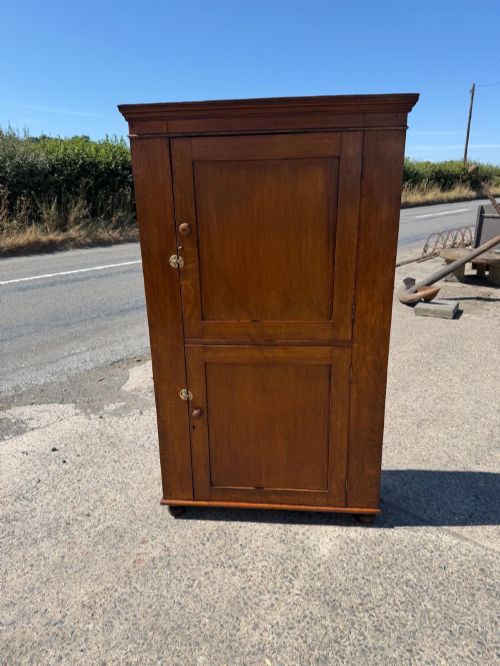
Beyond standard double wardrobes, the selection includes compactum models, hall wardrobes, and housekeepers cupboards with internal shelving or bottom drawers. Their proportions range from tall, narrow configurations to massive wide formats built to command a room.
How They Were Made
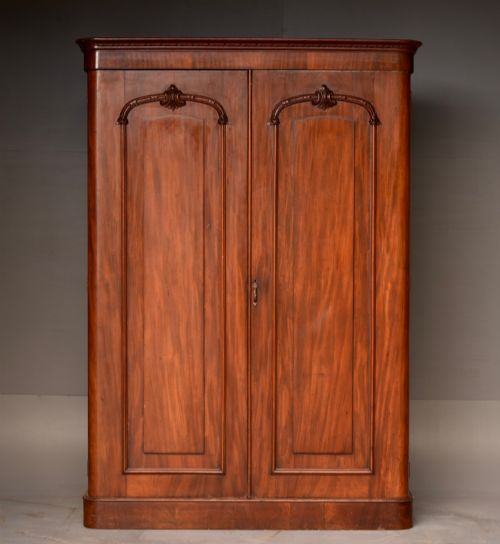
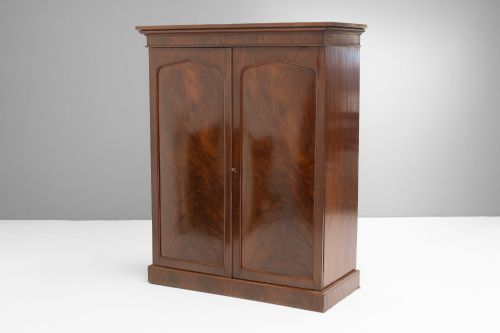
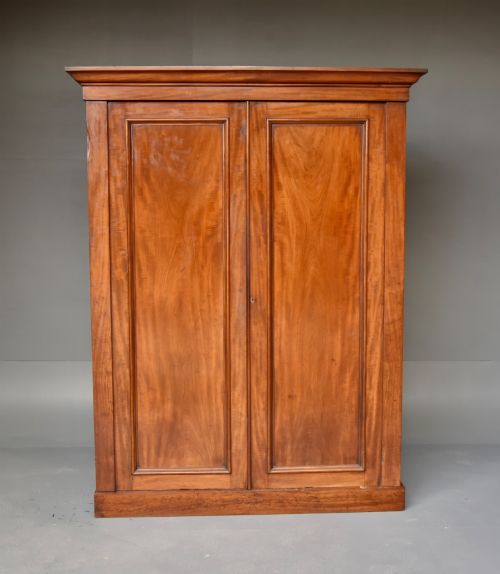
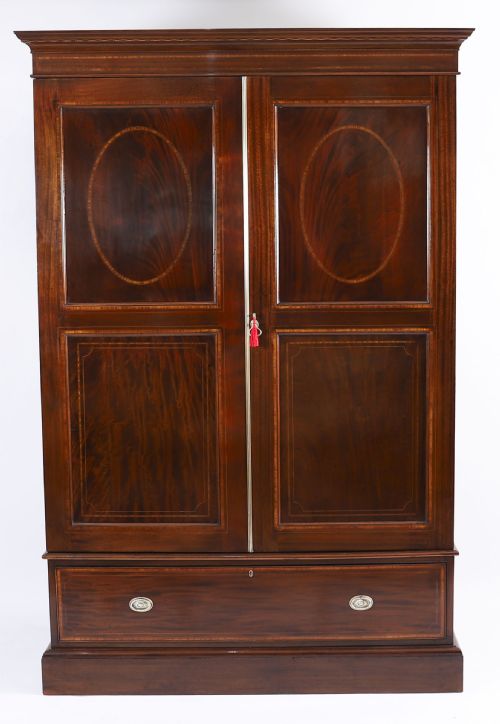
Makers utilised solid timbers such as pine, mahogany, oak, and walnut, frequently applying flame mahogany veneer or burr walnut to primary display surfaces. Iron and brass hardware secure the doors, while structural elements rely on traditional joinery.
Many large wardrobes utilise a knockdown construction method with pegged or bolted sections, allowing these heavy items to be dismantled and moved between rooms. Surface treatments vary from clear wax to original paint, ebonising, and stained finishes.
Listings feature pieces spanning the nineteenth and early twentieth centuries, constructed predominantly in pine, mahogany, and walnut.
What Varies in Quality
The refinement of timber selection and decorative carving defines the upper tier of these wardrobes, contrasting with simpler utility pieces. Flame mahogany and burr walnut veneers demonstrate superior cabinet-making ambition compared to plain painted pine.
Structural integrity and original mechanisms, such as working brass locks and well-fitted doors on bun feet or columned frames, separate standard functional storage from finer architectural examples.
The Victorian Two Door Armoire Glossary
- Knockdown wardrobe
- A large piece designed to be taken apart into sections for transport and reassembly in the bedroom. This method allowed bulky nineteenth-century furniture to navigate narrow staircases.
- Compactum
- A fitted wardrobe combining hanging space, shelves, and drawers within a single carcass. These multifunctional pieces maximise internal organisation.
- Linen press
- A tall storage cupboard with upper sliding trays or shelves for folded textiles above a base section of drawers. They preserve household linens.
- Bun feet
- Rounded, flattened ball feet that support the base of heavy wooden cabinets. They lift the carcass slightly off the floor.
- Flame mahogany veneer
- Thin slices of mahogany cut to reveal a distinctive flamed or figured grain pattern applied to the outer surfaces. This technique creates a decorative facade on finer furniture.
Victorian Two Door Armoire: Frequently Asked Questions
How do I assemble a knockdown wardrobe?
Knockdown wardrobes dismantle into flat panels, cornices, and base sections held together by internal bolts, wedges, or wooden pegs. Reassembly requires aligning these interlocking parts carefully within the room where the piece will stand.
Having an extra pair of hands helps steady the heavy sides while securing the top cornice and base together to ensure the frame remains square and true.
What is the difference between an armoire and a linen press?
An armoire is primarily designed with vertical hanging space behind two doors for garments and coats. They focus on full-length storage for modern wardrobes.
Conversely, a linen press traditionally houses horizontal sliding trays or shelves in the upper section for folded sheets and tablecloths, often featuring drawers in the lower half.
Can these wardrobes fit modern bedrooms?
Victorian wardrobes are often deep and tall, designed for rooms with generous ceiling heights and proportions. Measuring both the room clearance and access doorways is essential before purchase.
Knockdown formats offer a distinct advantage here, as they can be transported into rooms piece by piece and built in situ.
How should I care for waxed pine surfaces?
Waxed pine benefits from occasional applications of natural beeswax to nourish the timber and maintain a soft sheen. Avoid placing these pieces in direct sunlight or near heat sources to prevent the wood from drying out.
Regular dusting with a soft, dry cloth preserves the finish without building up unwanted residues on the grain.