




Gothic Wooden Armoire
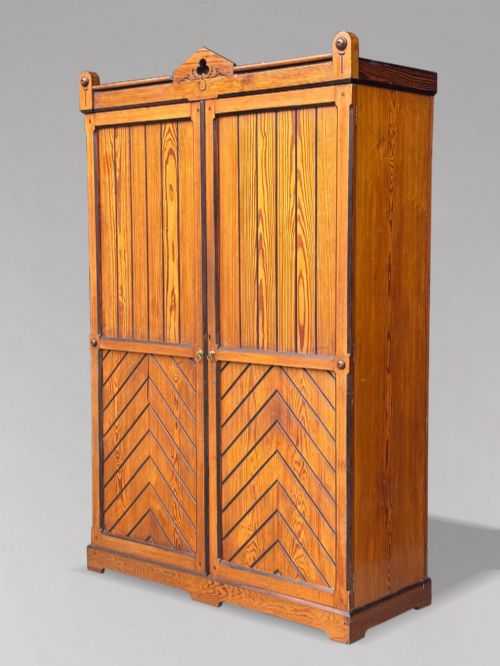
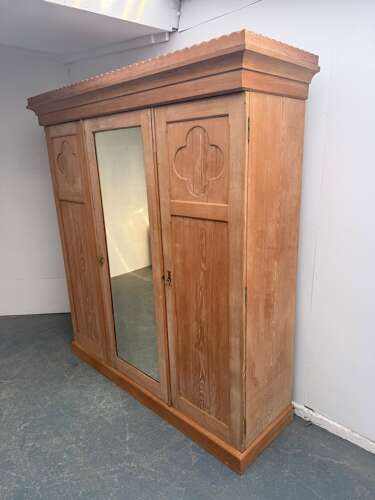
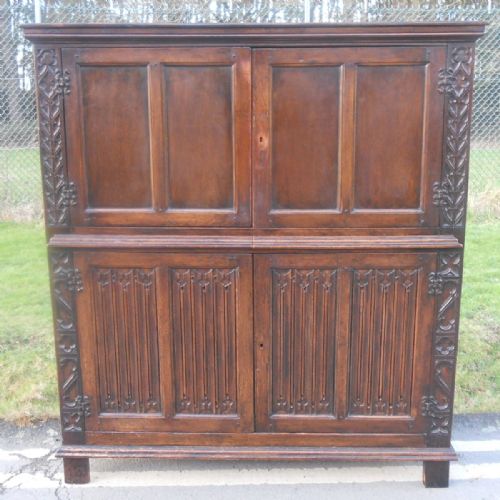
These gothic wooden armoire pieces combine deep historical forms with robust timber storage, offering a commanding presence for any serious interior.
Gothic Wooden Armoire
A gothic wooden armoire provides substantial storage through large doors and deep cabinet interiors. These pieces appear across several distinct historical periods ranging from sixteenth century examples to early twentieth century revivals.
The selection on this page centres primarily on wardrobes, compactums and storage cupboards built from durable timbers. Buyers will encounter Victorian interpretations alongside Scottish Arts and Crafts designs and Renaissance Revival pieces.
Makers drew on diverse stylistic influences including Flamboyant Gothic, French Breton and Victorian Gothic Revival. Each format serves as a functional storage solution while displaying strong architectural detailing.
How they were made
Craftsmen utilised heavy native timbers such as oak, ash, pine and pitch pine to construct these large storage carcasses. The wood is frequently left in a natural waxed finish or carved deeply to emphasise the architectural motifs.
Hardware elements like iron, wrought iron and brass were selected for hinges, handles and locking mechanisms. These metal fittings provide structural reinforcement alongside their decorative function on the heavy doors.
Some nineteenth century carpenters clearly enjoyed carving wood so much they left barely an inch of the surface untouched.
What varies in quality
Quality rests upon the depth and execution of the carved ornamentation across the panels and cornices. Pieces featuring intricate hand-carved details or complex breakfront forms sit at the higher end of the range.
The choice of primary timber and secondary framing woods dictates the structural integrity of the wardrobe. Dense hardwoods like oak and figured mahogany demonstrate superior durability compared to simpler pine carcases.
The Gothic Wooden Armoire Glossary
- Armoire
- A tall freestanding cupboard used primarily for clothes storage. These large pieces often feature panelled doors enclosing hanging space or shelving.
- Compactum
- A multi-compartment wardrobe designed to hold various types of clothing in separate sections. These typically include hanging spaces alongside drawers and smaller linen cupboards.
- Breakfront
- A piece of furniture whose central section projects forward from the flanking wings. This architectural arrangement creates a dynamic facade on large wardrobes and cabinets.
- Gothic Revival
- A design movement that revived medieval architectural forms and decorative motifs during the eighteenth and nineteenth centuries. It utilises pointed arches, tracery and heavy mouldings.
Gothic Wooden Armoire: Frequently Asked Questions
Where should I place an armoire?
These large storage pieces require ample wall space and a strong floor capable of supporting substantial timber weights. They work effectively in bedrooms or large hallways where their architectural presence can be fully appreciated.
Ensure you measure ceiling height and doorway clearance before positioning them, as these substantial wardrobes rarely dismantle easily.
How do I care for the wood?
Maintain the timber surfaces by applying a traditional beeswax polish to nourish the grain and protect against drying. Avoid placing the cupboard in direct sunlight or near heat sources to prevent timber warping.
Dust intricate carvings regularly with a soft brush to prevent dirt accumulation in the recessed details.
What is the difference between an armoire and a wardrobe?
Armoire is a traditional French term for a large cupboard, whereas wardrobe specifically denotes a tall piece equipped for hanging garments. In practice, many antique examples serve both functions through adjustable internal shelving.
Earlier formats often relied on simple shelves or pegs before hanging rails became standard in later centuries.
How do I identify a revival period piece?
Revival pieces incorporate historical motifs from earlier centuries while employing nineteenth or twentieth century construction techniques. Look at the interior timber linings and fastening methods to determine the exact era of manufacture.
Stylistic markers like heavily carved panels or pointed arches point directly to Victorian Gothic Revival or Renaissance Revival movements.