


Gothic Pine Cabinet
These gothic pine cabinet pieces are sturdy storage furniture built from pine and pitch pine, offering heavy character and period charm for any room.
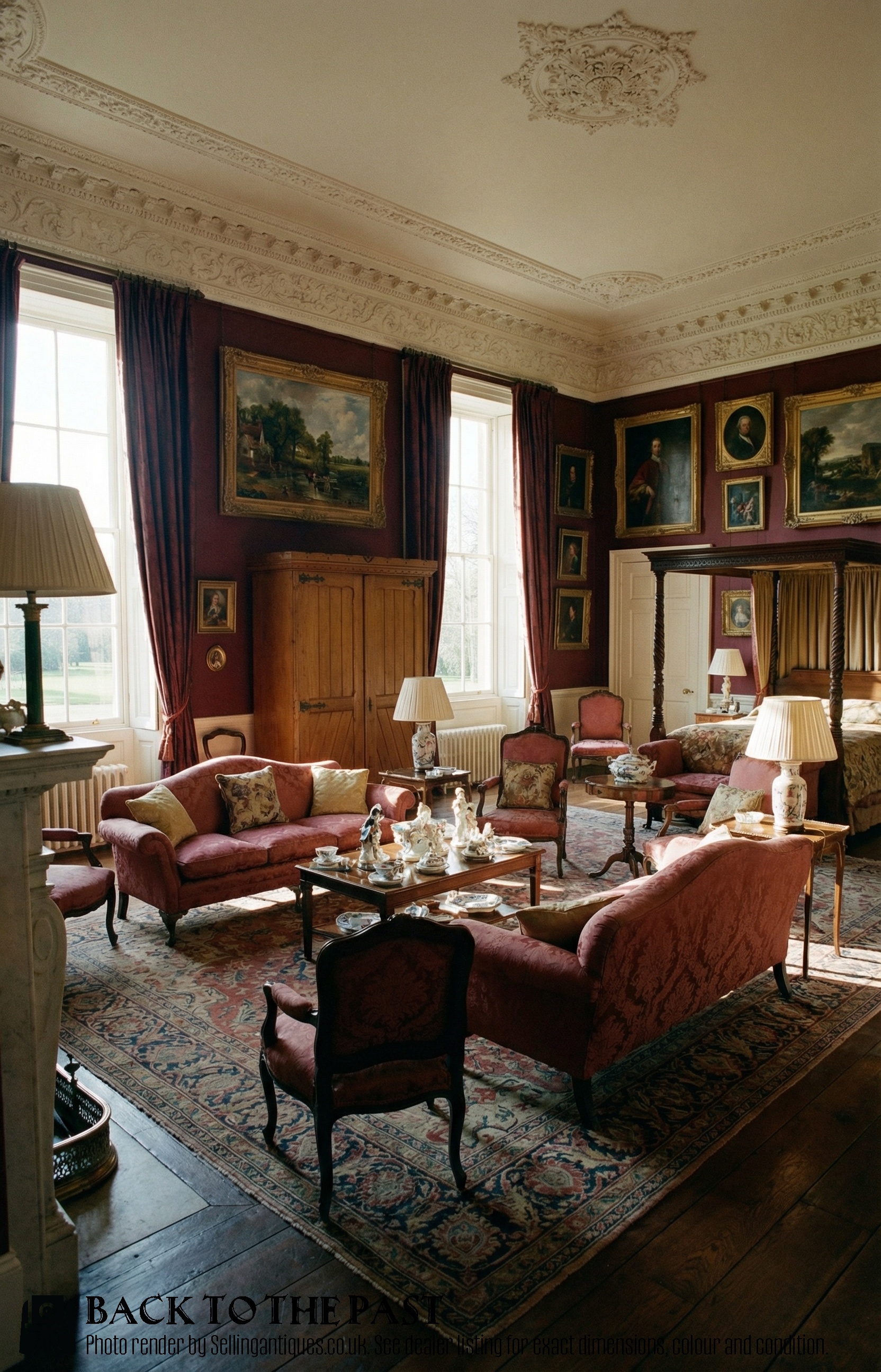
Gothic Pine Cabinet
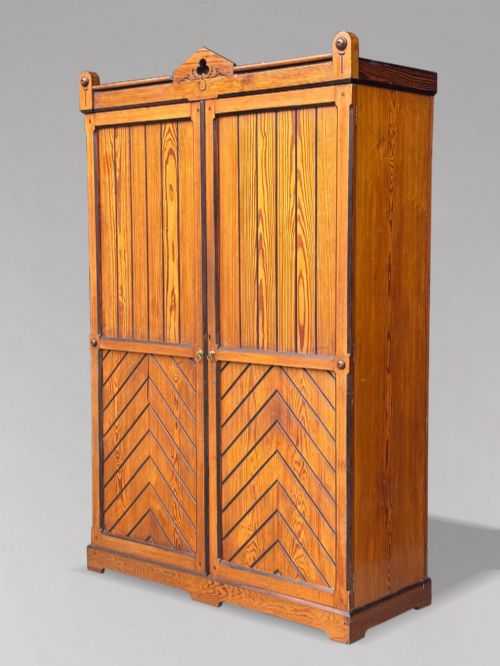
A gothic pine cabinet brings distinct architectural presence into a room, typically taking the form of wardrobes, pot cupboards, bedside cabinets, kitchen dressers, and bookcases. When you search for this phrase, you find nineteenth-century utility pieces shaped by Victorian Gothic Revival and Arts and Crafts movements.
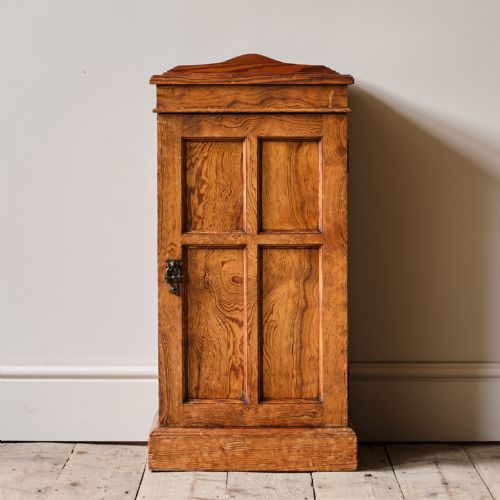
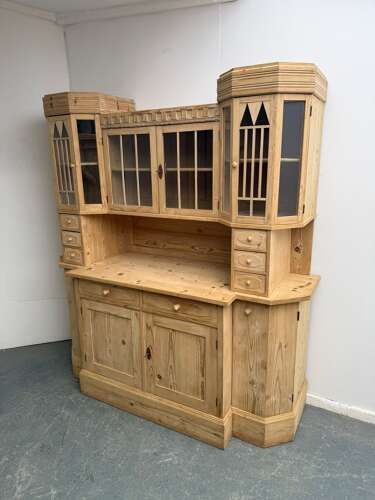
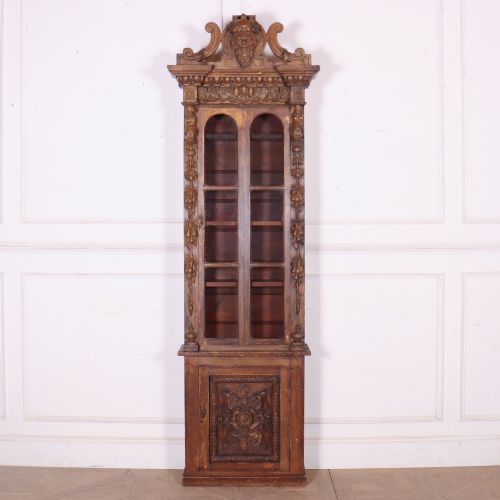
The most common versions met on this page are Victorian Gothic Revival and Arts and Crafts examples, often constructed from plain pine, pitch pine, or Oregon pine. These pieces range from compact bedside cupboards and chimney cabinets to larger two-part kitchen dressers and glazed bookcases.
Materials and construction methods
Makers utilised softwoods predominantly, building carcasses from pine, pitch pine, and Oregon pine, sometimes accented with oak or fitted with iron and brass hardware. Surfaces frequently show historical treatments such as wax, paint finishes, or scrumbled decoration.
Joinery methods follow nineteenth-century workshop practices, combining framed panel construction with carved architectural motifs typical of the Gothic Revival style. Glass panels appear in doors on larger display bookcases and dressers, while smaller pot cupboards rely on solid panelled doors.
Some nineteenth-century kitchen dressers arrive bearing the stubborn aroma of decades of farmhouse baking and wax polish.
Assessing quality and craftsmanship
Quality rests upon the crispness of the carved architectural details and the integrity of the timber selection, particularly where pitch pine or Oregon pine shows tighter grain. Better examples retain original surface treatments like scrumbled paint or historic black finishes rather than later domestic overpainting.
Proportion and scale distinguish finer vernacular pieces from standard utilitarian storage, especially in pieces featuring distinct Gothic Revival column work or tracery. The presence of original brass or iron hardware and intact glass panes further separates standard workshop items from superior examples.
The Gothic Pine Cabinet Glossary
- Gothic Revival
- An architectural and decorative style drawing inspiration from medieval design, featuring pointed arches and heavy carving. This aesthetic defines the ornamentation found on Victorian wardrobes and cupboards.
- Pitch Pine
- A dense, resinous softwood sourced mainly from North America, valued for its durability and strong grain pattern. Cabinet makers utilised this timber to create sturdy nineteenth-century furniture.
- Scrumbled Paint
- A decorative technique involving the manipulation of translucent glaze over a base coat to imitate finer wood grains. This finish appears on nineteenth-century kitchen dressers and utility furniture.
- Pot Cupboard
- A small bedside or freestanding cabinet originally designed to house a chamber pot. These compact pieces frequently display Gothic Revival door panels and turned supports.
Gothic Pine Cabinet: Frequently Asked Questions
What rooms suit a gothic pine cabinet?
These storage pieces fit well in bedrooms as wardrobes or bedside cupboards, or in living spaces as bookcases and display cabinets.
Their substantial timber presence adds historical weight and practical shelving to modern or traditional interiors alike.
How do I care for antique pine?
Maintain the timber by keeping it away from direct heat sources and sudden humidity changes that can cause movement in the wood.
Feed waxed surfaces occasionally with a suitable beeswax polish, avoiding modern silicone sprays.
Are these cabinets solidly built?
Nineteenth-century pine and pitch pine furniture is constructed using traditional joinery designed for heavy daily use.
They offer robust structural integrity, though buyers should expect natural movement and wear appropriate to their age.
How can I tell the period?
Dating relies on construction methods, timber types, and stylistic markers such as Victorian Gothic Revival mouldings and Arts and Crafts vernacular lines.
Hardware styles, joint types, and surface finishes like scrumbled paint provide further clues to nineteenth-century origins.