
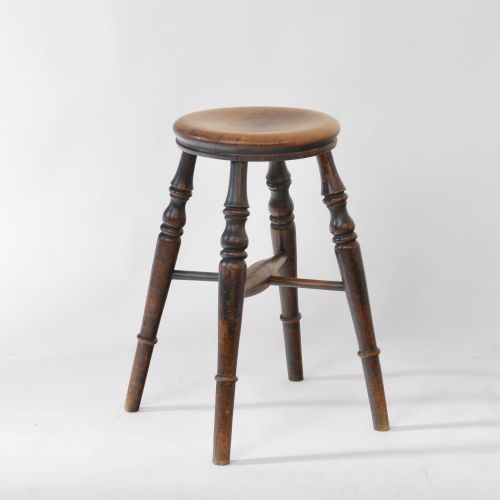
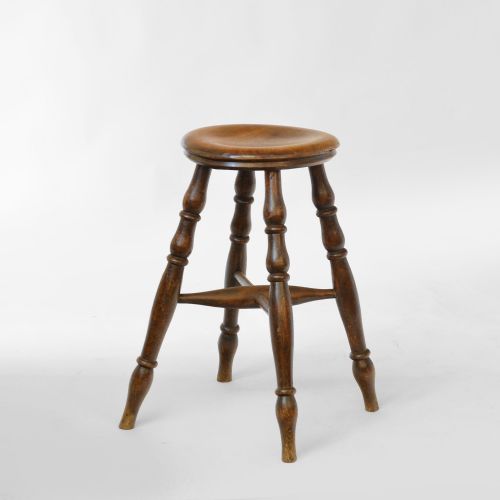
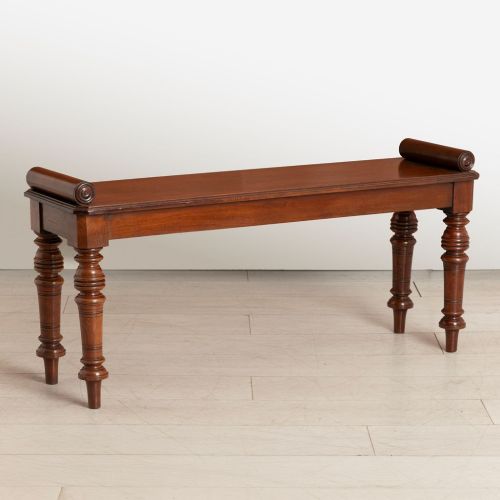
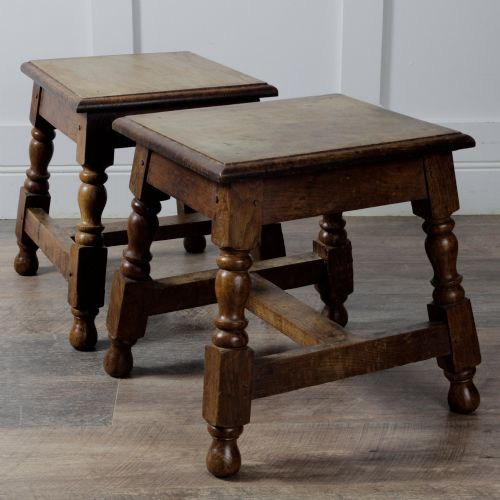
Victorian Turned Leg Stool
These Victorian turned leg stool examples combine robust nineteenth-century timber frames with practical domestic utility, offering an authentic period seating addition to any interior.
Identifying a Victorian turned leg stool
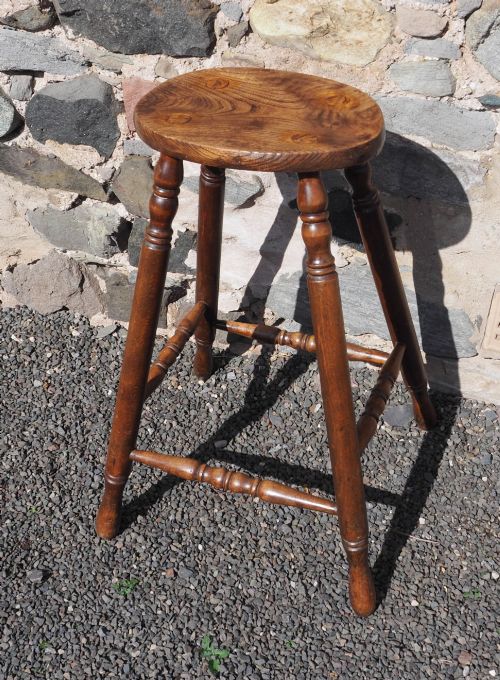
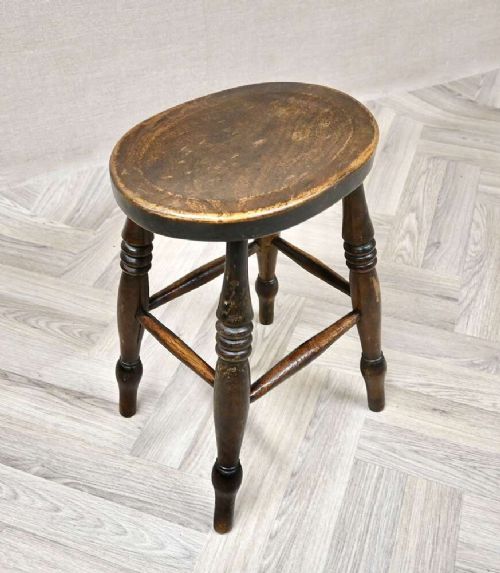
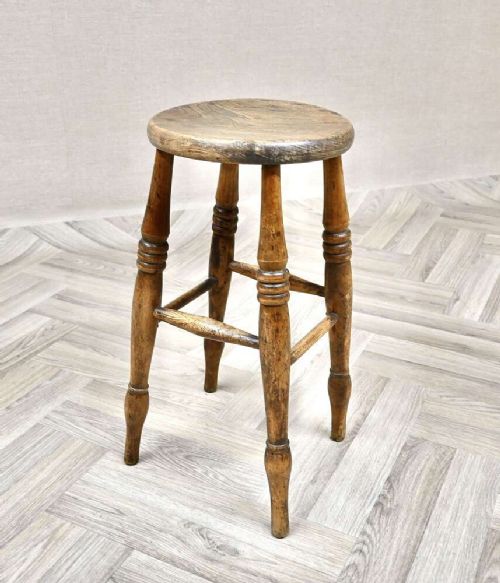
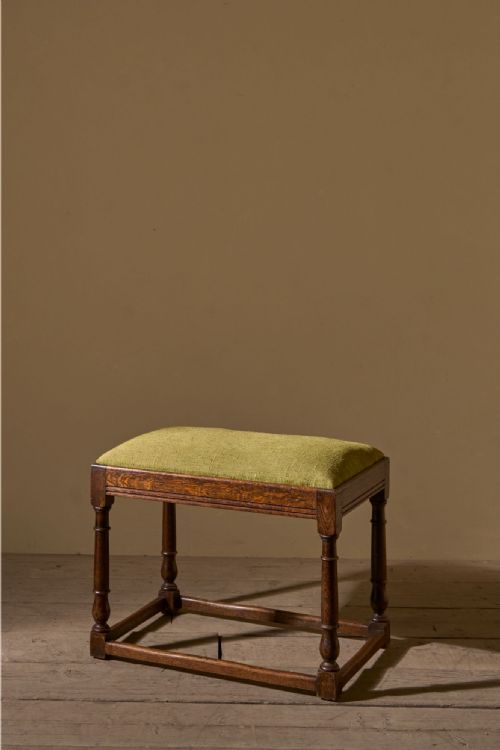
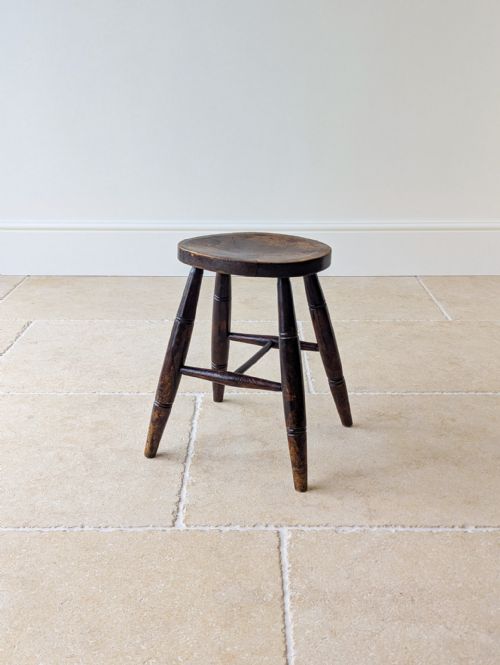
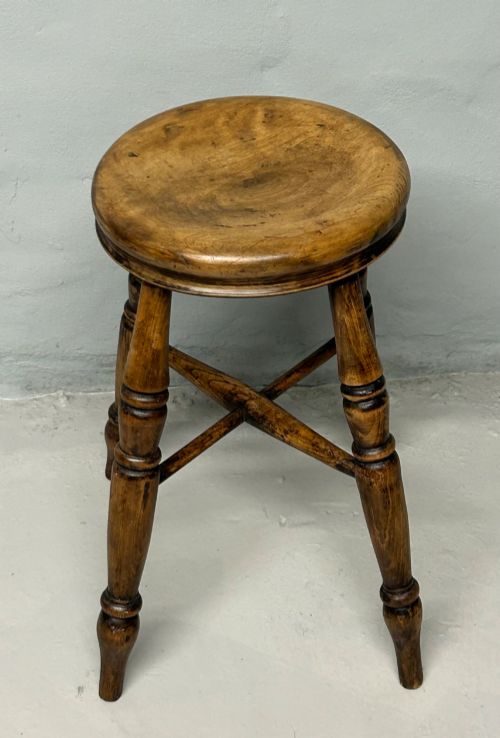
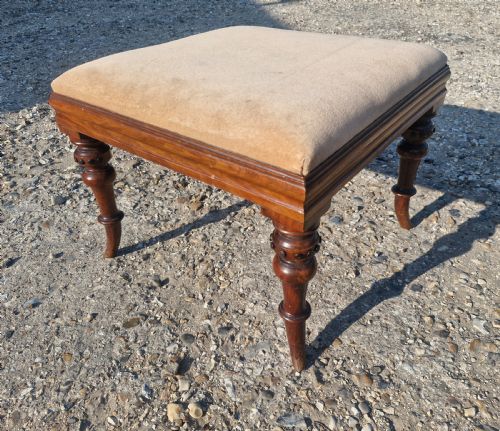
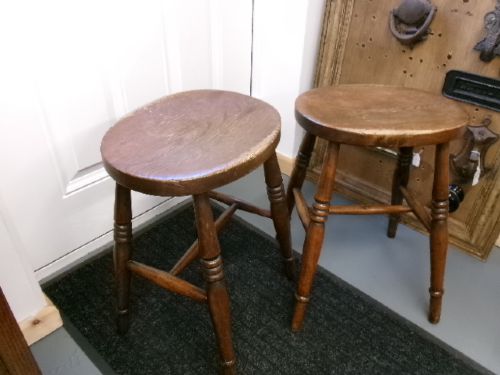
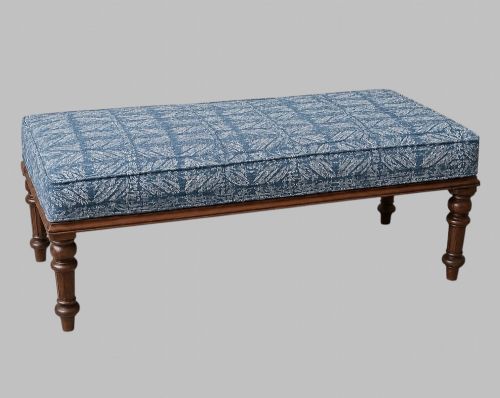
A victorian turned leg stool brings sturdy nineteenth-century utility into domestic spaces, appearing in forms ranging from low footstools and nursery seats to tall wild elm examples and double-seated luggage racks. These pieces typically originate from the nineteenth century, including specific dates such as eighteen-eighty, and span both standard Victorian and Victorian Country styles.
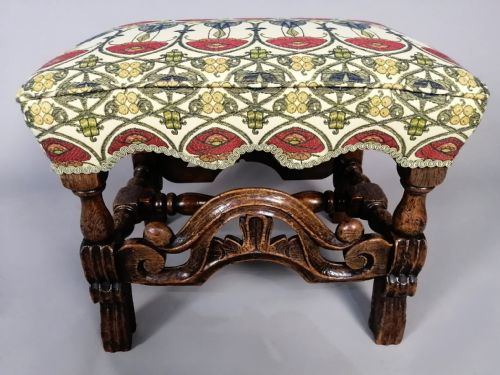
The configurations vary considerably across the selection, featuring ring top designs, piano stools with splayed supports, and walnut cock-fighting variants alongside standard mahogany and oak constructions.
Materials and construction methods
Construction relies heavily on solid woods, utilising mahogany, oak, wild elm, yew wood, walnut, beech, and general hardwood or ebonised wood alongside parcel gilt finishes. Artisans shaped these timbers into robust frames supported by characteristic turned legs.
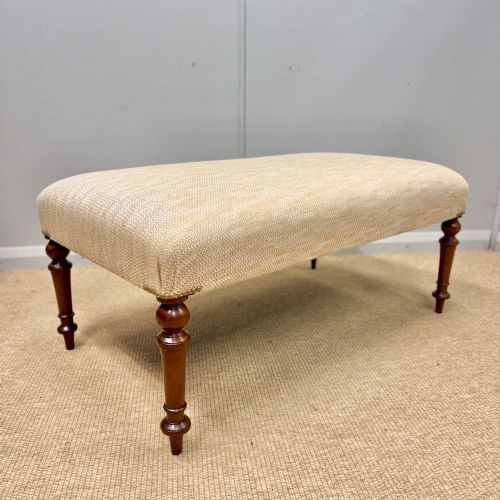
Upholstery forms an integral part of many pieces, utilising velvet and various traditional textiles to finish the seats, sometimes paired with complete restorations or newly applied coverings.
Retail Price Guide 2026
Typical UK retail prices for victorian turned leg stool, calculated from the Sellingantiques database of over a million retail prices indexed since 2003. This retail price guide relies exclusively on Sellingantiques data; no external sources or auction records are used, so the figures do not describe the wider market.
Even sturdy Victorian elms occasionally needed a nice velvet sit-down after a long week of holding up heavy luggage.
Judging quality in nineteenth-century seating
Quality rests in the choice of primary timber, distinguishing basic hardwood or beech frames from finer selections of mahogany, walnut, or wild elm. The precision of the leg turning and the integration of decorative details such as parcel gilt further separate standard utility pieces from more ambitious workshop productions.
James Shoolbred
The Victorian Turned Leg Stool Glossary
- Turned leg
- A support shaped on a lathe to create cylindrical, ringed, or decorative profiles. This technique defines the structural silhouette of the base.
- Ebonised wood
- Timber treated with a dark stain or finish to imitate ebony. This process was popular for creating formal, high-contrast Victorian furniture.
- Cock-fighting stool
- A low seated form traditionally associated with spectator sports of earlier eras, adapted in the nineteenth century as a distinct low stool type.
- Parcel gilt
- A decorative method where specific carved or turned elements are selectively highlighted with gold leaf. It contrasts sharply against ebonised or dark timber surfaces.
Frequently Asked Questions
What rooms suit a nineteenth-century stool?
These pieces fit easily beside reading chairs, at the foot of a bed, or beneath dressing tables where compact nineteenth-century seating is required.
Their varied heights and modest footprints allow them to serve practical functions in hallways, nurseries, and living spaces alike.
How do I identify a period piece?
Look for traditional timber construction methods, genuine age in the wood finish, and characteristic nineteenth-century turning styles on the supports.
Evidence of historical joinery and period upholstery materials helps confirm the nineteenth-century origins of the frame.
Were these seats originally upholstered?
Many examples featured padded tops finished in durable textiles or velvet suited to daily household use.
Some pieces survive with their original upholstery coverings, while others have received sensitive modern replacement fabric during restoration.
What is a luggage rack stand?
This variant combines sturdy turned supports with an elevated surface designed originally for holding bags or garments in guest chambers.
These functional objects share the same robust nineteenth-century timber construction and decorative turning found on standard stools.