


Victorian Turned Leg Desk
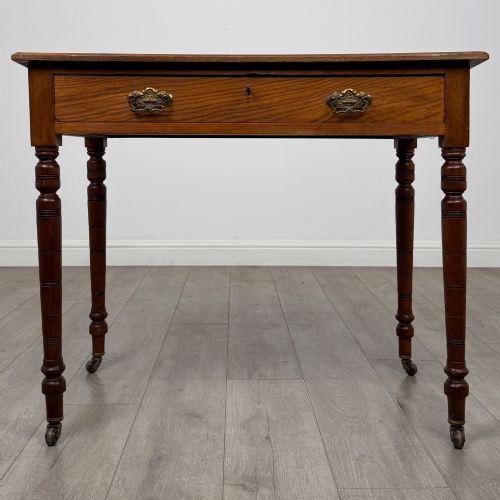
A victorian turned leg desk brings solid timber construction and practical writing space together, offering sturdy character for daily study.
Victorian Turned Leg Desk
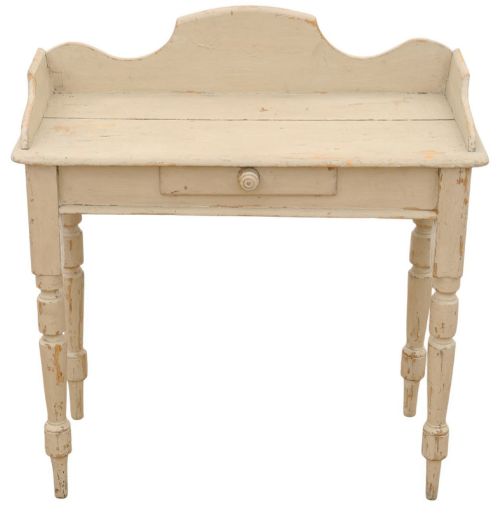
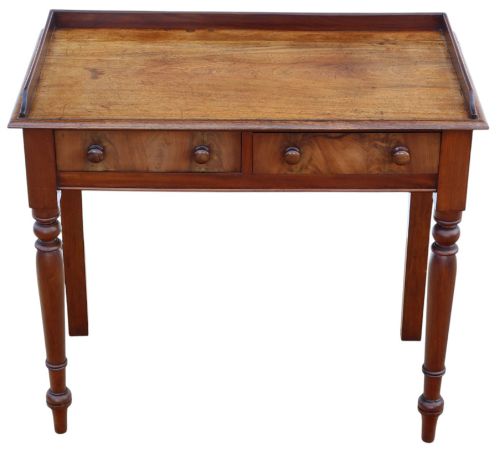
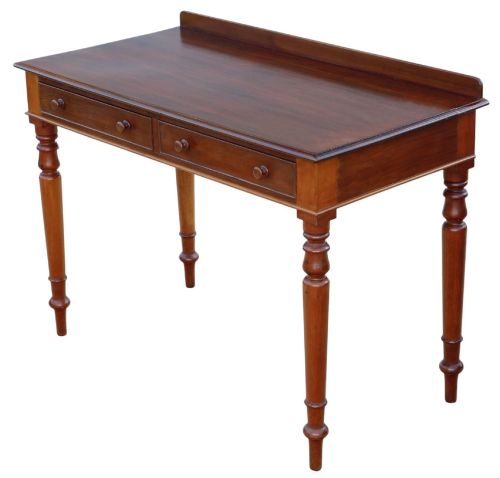
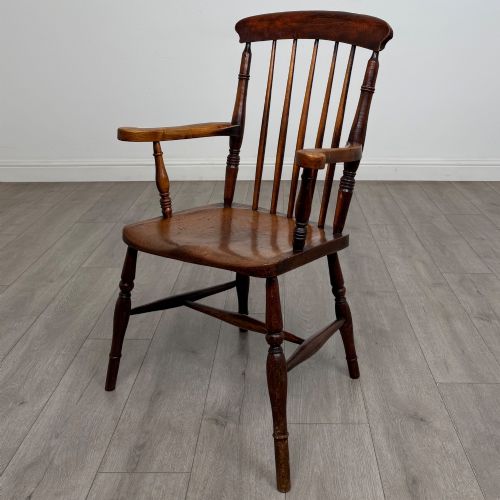
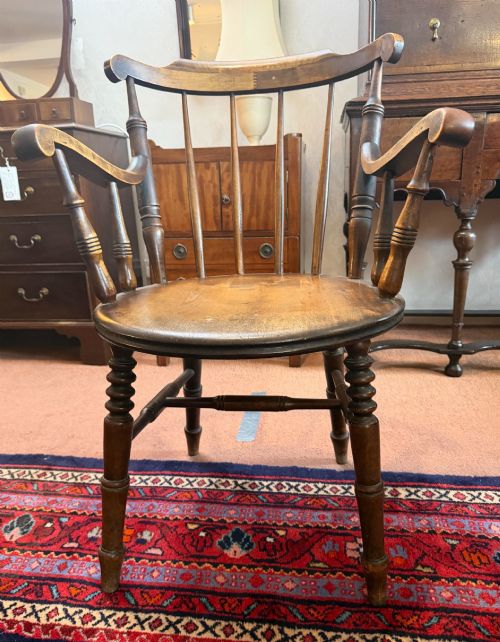
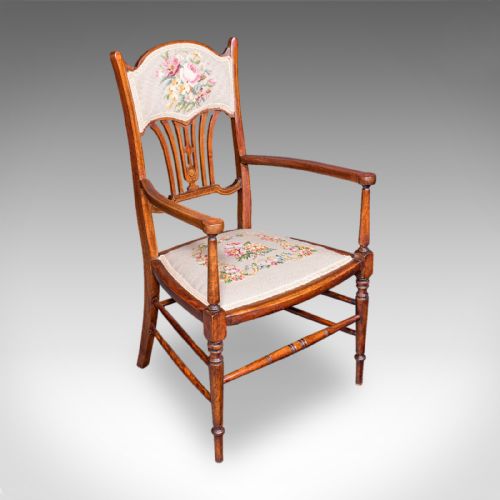
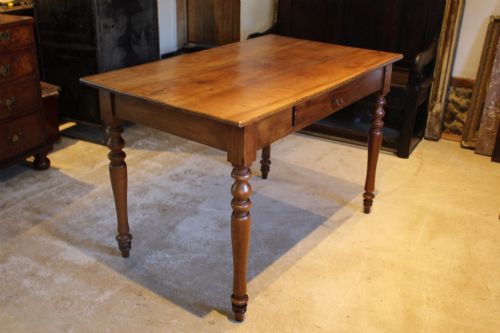
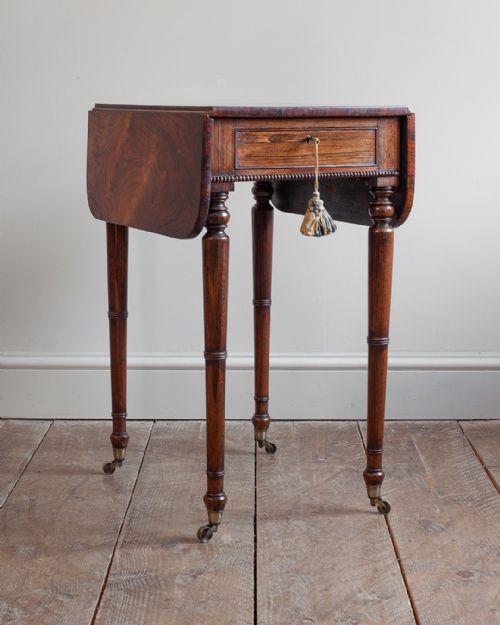
When searching for a victorian turned leg desk, buyers encounter writing tables and dressing surfaces originating from the nineteenth century. These items feature shaped cylindrical supports turned on a lathe, providing stability to the timber framework.
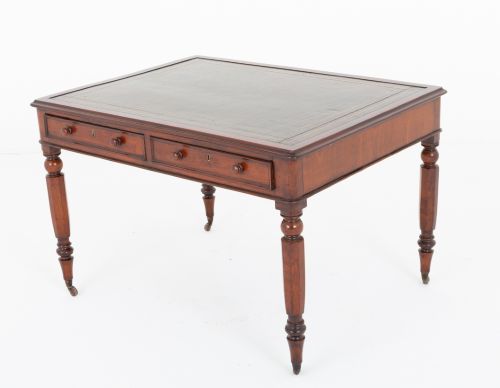
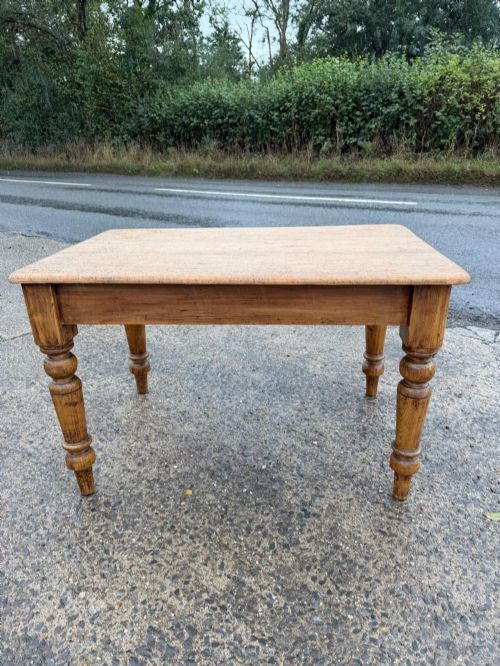
The most common forms on this page include mahogany, oak, and pine writing tables equipped with one or more frieze drawers. Archive examples demonstrate that these tables frequently double as dressing furniture fitted with brass knob handles.
Originating predominantly from the Victorian period alongside related nineteenth century eras, these pieces combine functional writing surfaces with traditional country or formal workshop designs.
How they were made
Cabinet makers utilised dense hardwoods such as mahogany, oak, walnut, and satin birch alongside softer timbers like pine, elm, and beech. These materials were shaped using hand tools, with legs turned on lathes to create rhythmic profiles.
Surfaces often incorporated inset leather writing panels and turned brass hardware, while drawer construction relied on traditional joinery methods. Selected pieces employed painted finishes or highlighted the natural grain of flame mahogany and golden oak.
Victorian Turned Leg Desk Retail Price Guide 2026
Typical asking prices for victorian turned leg desk among the pieces listed under this phrase on Sellingantiques today, from the lower quarter to the upper quarter. They describe what is for sale here now, not the wider market.
Listings feature nineteenth century pieces constructed from mahogany, oak, pine, elm, and walnut across Victorian and Regency periods.
What varies in quality
The distinction between standard items and finer examples rests on timber selection and secondary woods. Dense grains like flame mahogany and figured walnut elevate the visual presence beyond plain pine or beech.
Design sophistication also sets pieces apart, where named cabinet makers, specific aesthetic influences, and integrated leather tops indicate higher workshop standards.
Heal and Son·J Spencer·Gillows
The Victorian Turned Leg Desk Glossary
- Turned leg
- A cylindrical furniture support shaped by rotating timber against a cutting tool on a lathe. This technique creates decorative rings and curves along the vertical shaft.
- Frieze drawer
- A storage drawer integrated directly beneath the main top surface of a table. It sits within the horizontal framework framing the upper structure.
- Partners desk
- A large writing table designed with drawers on opposing sides to accommodate two users simultaneously. These pieces often feature leather inserts and substantial pedestals.
- Satin birch
- A pale, light-reflecting timber used in nineteenth century cabinet making. Its lustrous grain provides a distinct alternative to darker mahogany.
Victorian Turned Leg Desk: Frequently Asked Questions
What is a turned leg desk?
A victorian turned leg desk is a nineteenth century writing table supported by lathe-shaped wooden legs. These pieces typically incorporate one or more drawers beneath the top.
They serve as practical writing surfaces or dressing tables, combining nineteenth century utility with traditional turned woodwork.
What woods were used for these desks?
Makers constructed these writing tables from a variety of timbers including mahogany, oak, pine, and satin birch. Hardwoods provided durability for formal library and parlour use.
Softer woods like pine and elm appeared frequently in farmhouse or country workshop iterations, often paired with beech or ash components.
How do I identify a Victorian writing table?
Victorian writing tables display nineteenth century construction methods, timber choices such as mahogany and oak, and period hardware like brass knobs. Stylistic markers include turned legs and leather top inserts.
Dating relies on timber characteristics, drawer joinery, and stylistic cues connecting the piece to nineteenth century cabinet making traditions.
Did these desks have leather tops?
Many library and writing tables feature inset leather writing surfaces designed to provide a smooth, resilient medium for pen work. These leather panels are frequently bordered by gilt tooling.
Plain timber or painted surfaces also occur, particularly on dressing tables, side tables, and country pine variants.