
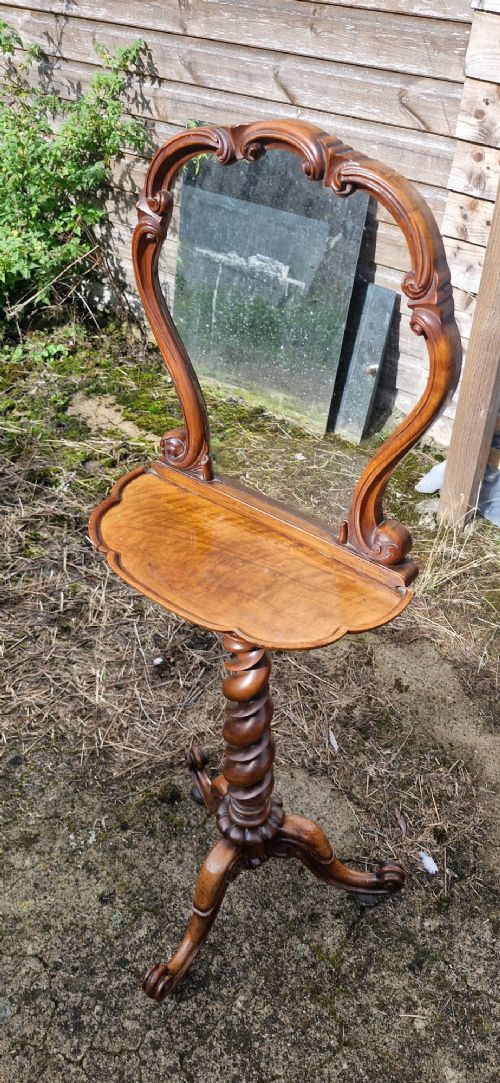
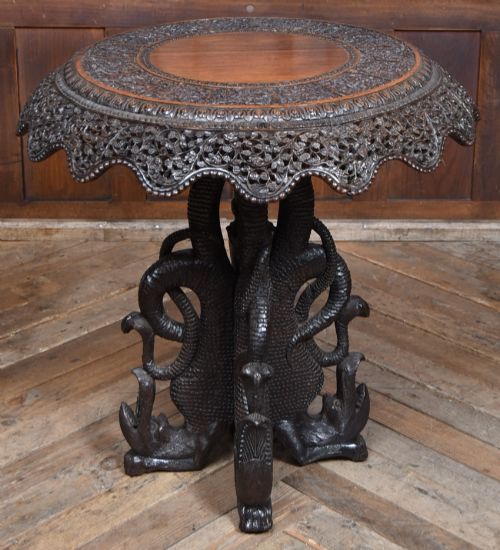
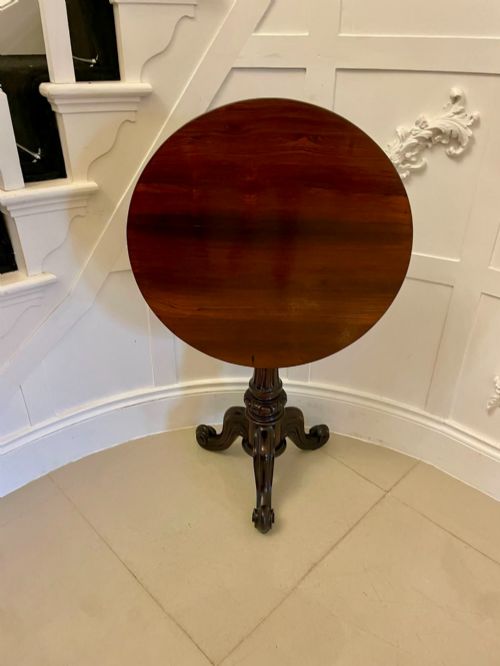

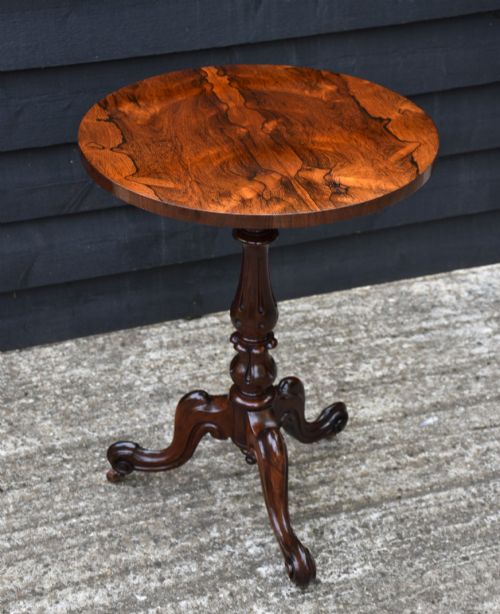
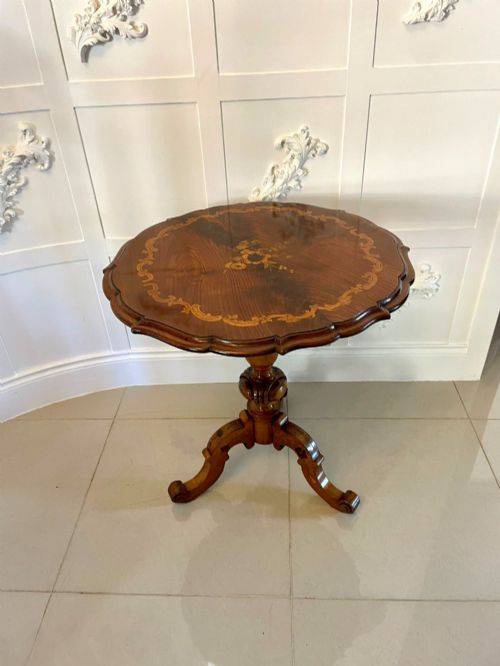
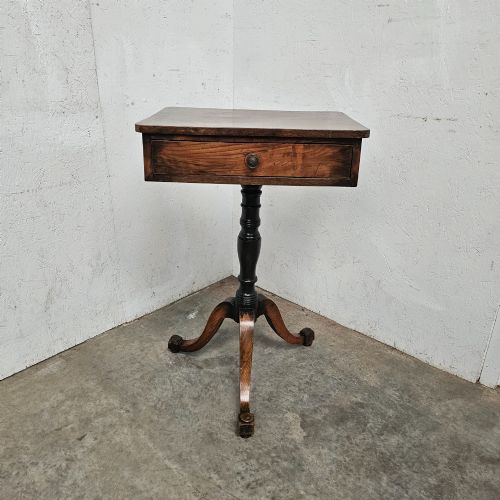
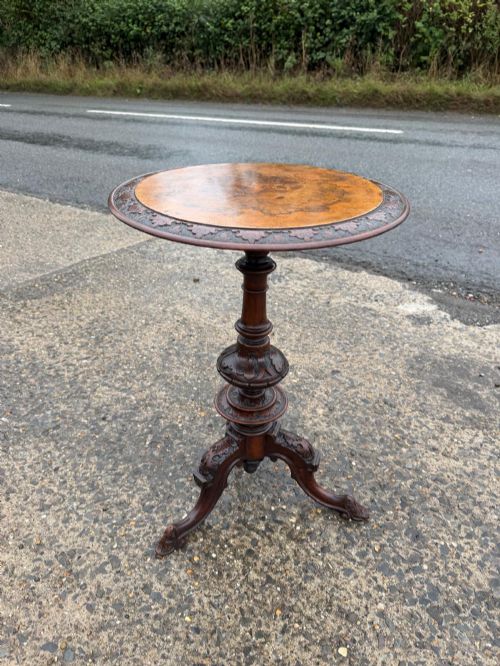
Victorian Tripod Side Table
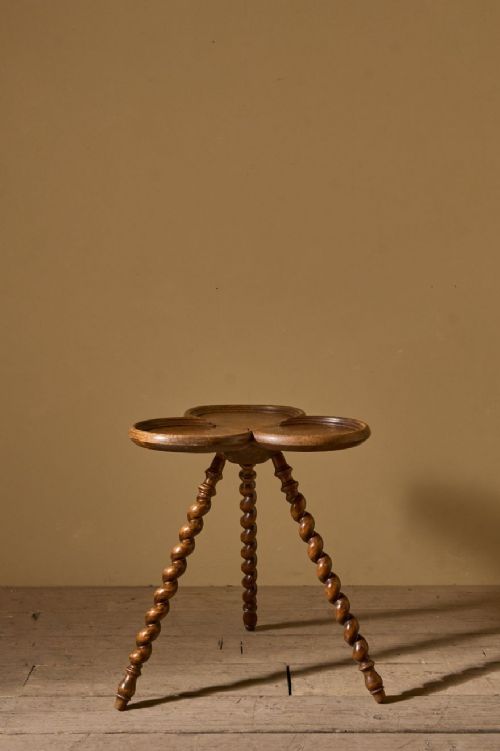
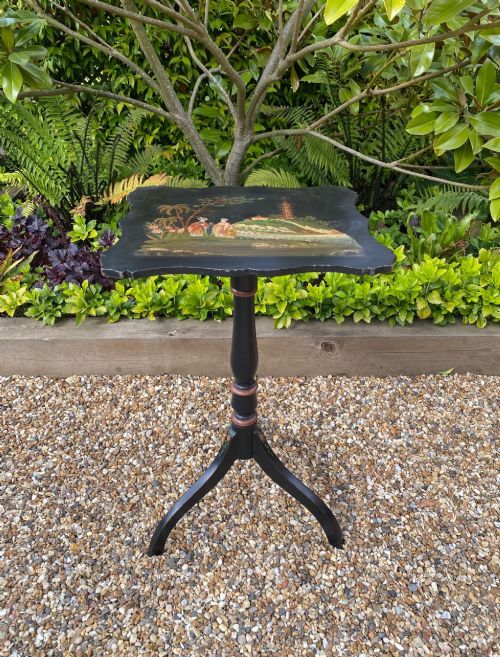
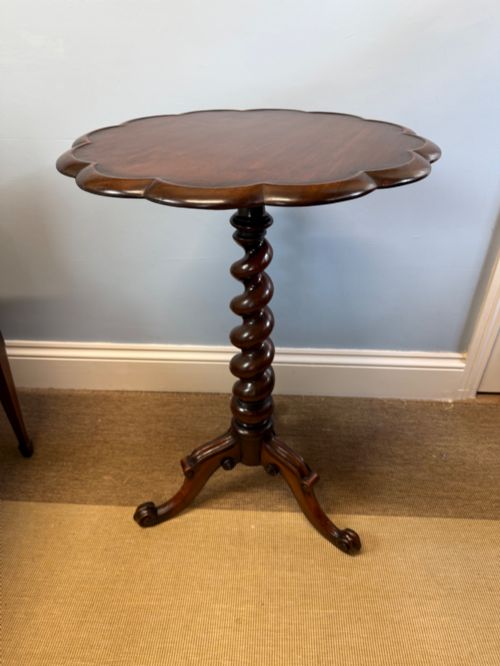
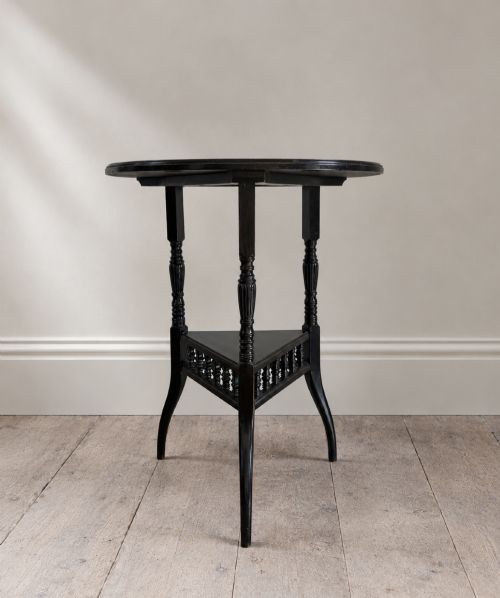
These pieces are a victorian tripod side table, compact pedestals designed for lamps, wine and books that bring distinct period character to any corner.
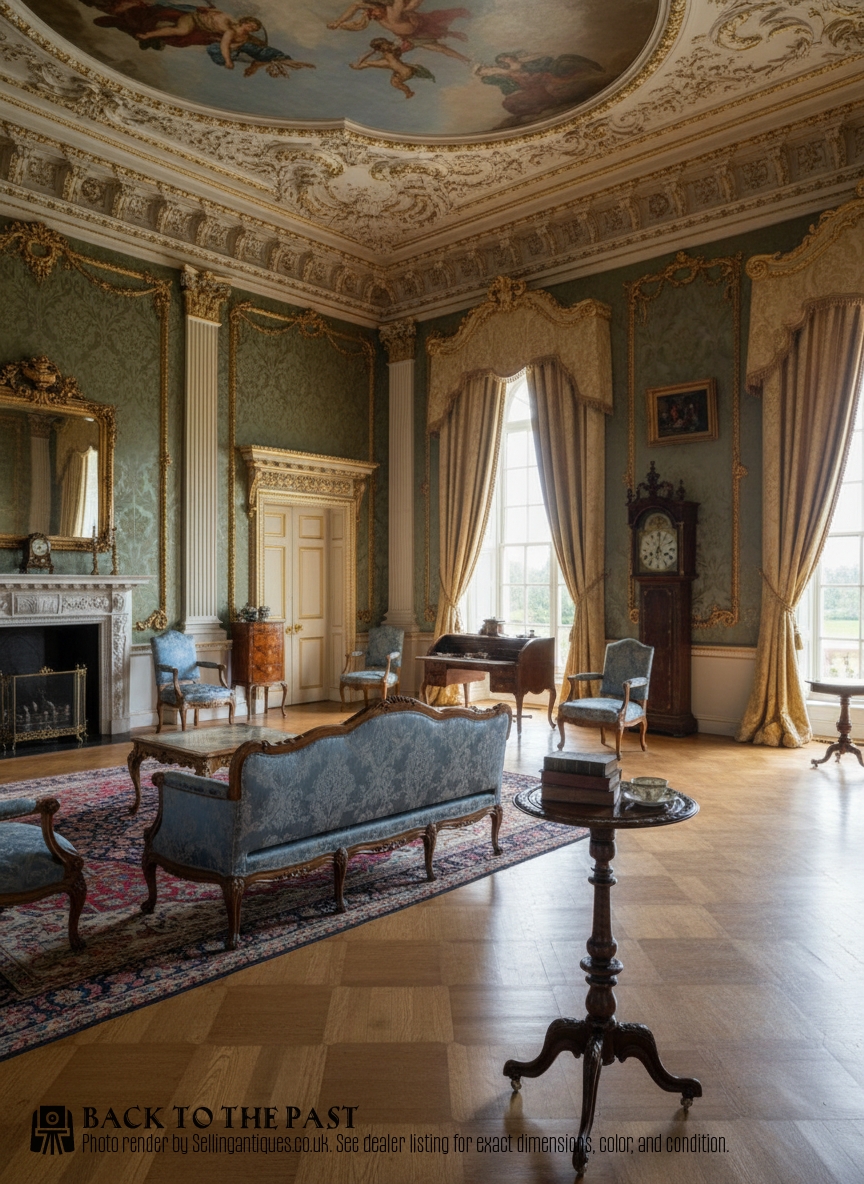
Victorian Tripod Side Table
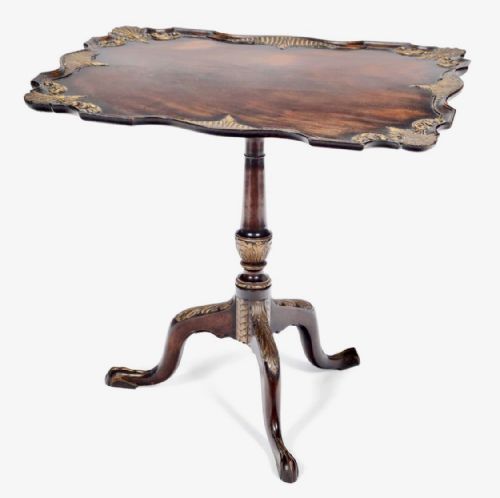
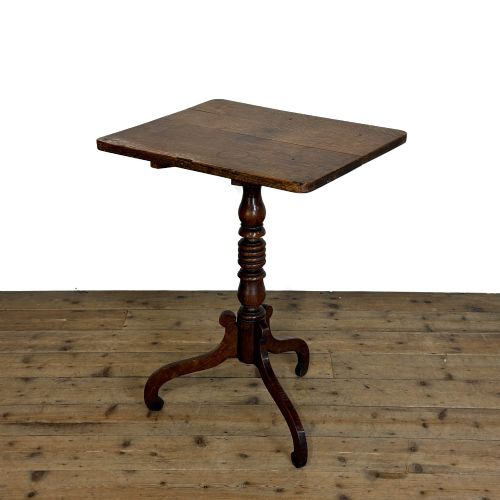
A victorian tripod side table is a compact pedestal piece designed to hold lamps, wine glasses or books in nineteenth-century interiors. These tables typically feature a single central pillar supported by three legs, offering a stable surface with a small footprint.
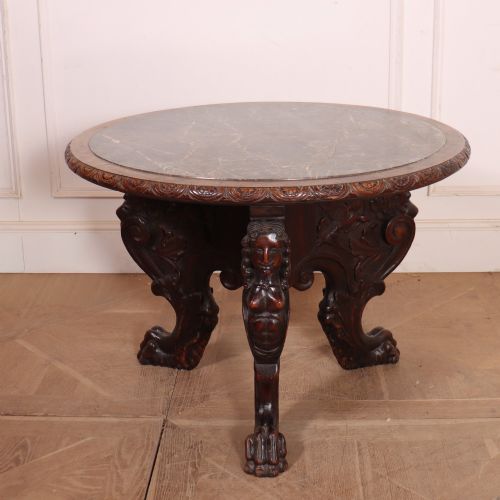
The versions met most frequently on this page span the nineteenth century, including specific dates from eighteen-thirty to nineteen-hundred and broader Victorian periods. Their forms range from simple circular lamp tables and tilt-top wine tables to display stands, cricket tables and inlaid occasional tables.
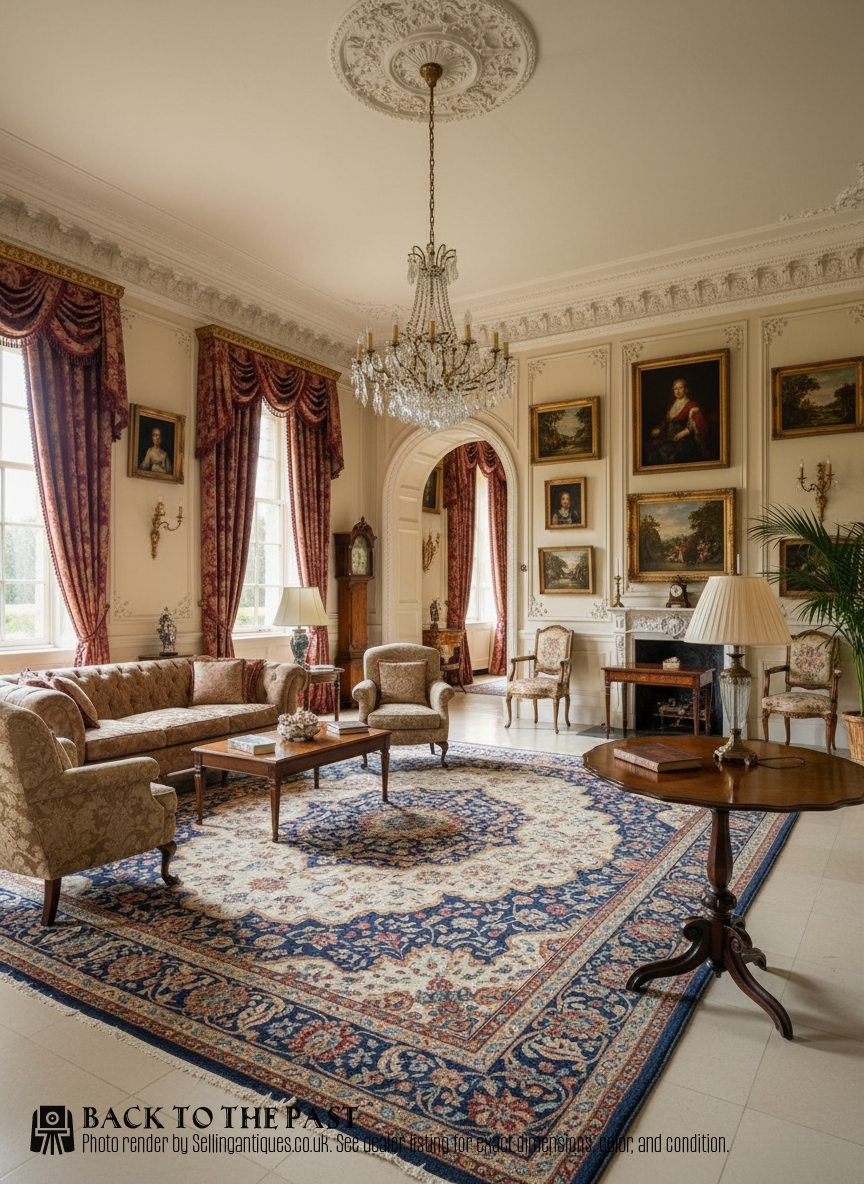
How They Were Made
Cabinet makers utilised a variety of native and exotic woods for these tables, working extensively in mahogany, walnut, burr walnut, rosewood, oak, fruitwood and satinwood. Tops were frequently turned, carved or fitted with tilt mechanisms, while some examples incorporated marquetry inlay, parcel gilding or brass details.
The structural integrity of a victorian tripod side table relies on the central pillar joining securely to three splayed legs, often utilising dovetail or tenon joints. Surface treatments varied from traditional french polishing to ebonised finishes, painted pine, and simulated bamboo.
Victorian Tripod Side Table Retail Price Guide 2026
Typical asking prices for victorian tripod side table among the pieces listed under this phrase on Sellingantiques today, from the lower quarter to the upper quarter. They describe what is for sale here now, not the wider market.
Elephant tables complete with painted wooden tusks occasionally join the pedestal lineup alongside traditional wine stands.
What Varies in Quality
The standard of timber selection largely defines the distinction between standard and superior examples of a victorian tripod side table. Figured veneers such as burr walnut or carefully matched mahogany show a deliberate attention to grain pattern that elevates the piece.
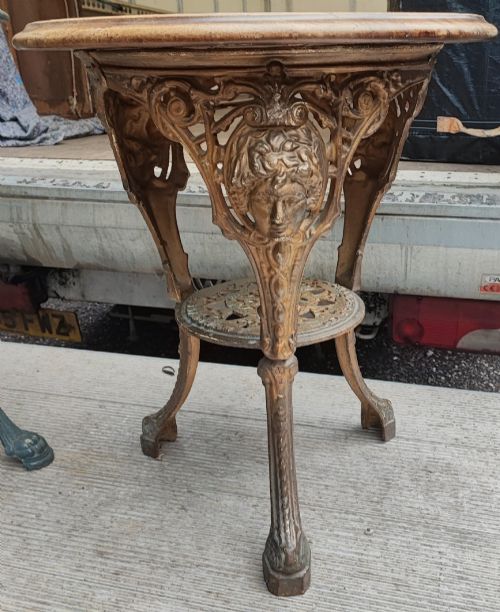
Execution of detail also separates the output, visible in the sharpness of hand-carved elements, the precision of marquetry inlay, and the mechanical smoothness of tilt-top or adjustable mechanisms. Heavier casting quality in metal components or sturdier joinery at the leg junctions indicates superior workshop origin.
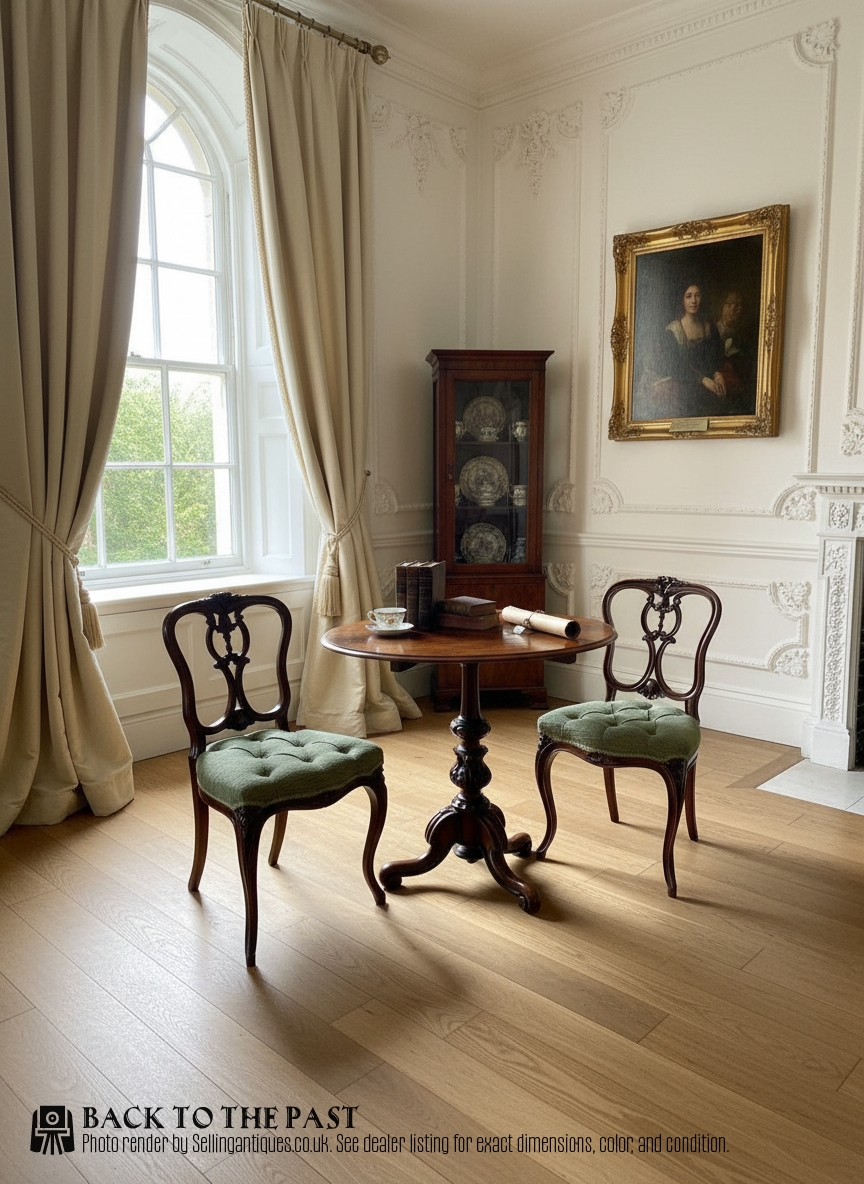
Gillows·Swann and Millican
The Victorian Tripod Side Table Glossary
- Tilt-top
- A tabletop mounted on a hinge mechanism that allows the surface to pivot vertically when not in use. This clever design enabled tables to be stored flat against a wall to save floor space in period rooms.
- Tripod
- A base construction utilising three supporting legs radiating from a central column. This arrangement ensures stability on uneven historical floorboards without rocking.
- Marquetry
- The art of applying decorative veneer pieces of different woods, metals or shells to a structure to form intricate patterns. Skilled cabinet makers used this technique to create pictorial or geometric designs on tabletops.
- Ebonised
- Wood treated with a chemical stain or black finish to imitate expensive ebony. This dark, polished surface was particularly popular during the late nineteenth century for aesthetic and arts and crafts pieces.
- Piecrust
- A carved, raised decorative border around the edge of a circular tabletop, shaped in subtle curves resembling pastry work. This ornamental edge prevented items from rolling off the surface.
Victorian Tripod Side Table: Frequently Asked Questions
What were these tables used for originally?
These tables served flexible roles in nineteenth-century drawing rooms and parlours, holding portable items like oil lamps, wine decanters, books or tea services. Their lightweight construction allowed servants or residents to move them easily beside chairs or into corners as needed.
Many examples feature tilt-tops so they could be stored upright against a wall when floor space was required for entertaining. Others functioned as specialised stands for displaying decorative objects, music folios or sewing equipment.
How do I tell different periods apart?
Earlier nineteenth-century pieces, including those from the Regency or William IV eras, often display bolder architectural turning, heavier pillars and rich rosewood or mahogany timbers. They favour structural mass and classical restraint over applied surface decoration.
Later Victorian examples tend towards greater variety in finish and form, incorporating ebonised wood, bamboo-effect turning, marquetry inlay and complex tilt mechanisms influenced by the Arts and Crafts or Aesthetic movements.
Can I use these tables on modern floors?
The three-legged design of these pedestals naturally accommodates slightly uneven surfaces without wobbling, making them remarkably stable on modern wooden floors or carpets. Their compact footprints also suit smaller contemporary rooms where space is at a premium.
Care should be taken with placement near direct heat sources or strong sunlight to protect historic wood finishes and polished surfaces from drying out or fading over time.
How should I care for the wood finish?
Routine maintenance involves dusting gently with a dry, soft cloth to prevent surface grime from accumulating on the polished timber. Avoid using silicone-based sprays or modern household detergents that can degrade traditional wax or french polish finishes.
Applying a quality beeswax periodically will nourish the wood and maintain its natural lustre, while coasters should be used to protect surfaces from moisture and heat.