
Victorian Travelling Trunk
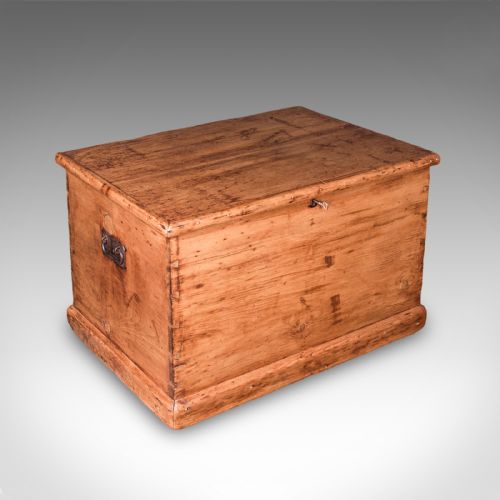
A victorian travelling trunk brings enduring utility and robust craftsmanship into a modern interior.
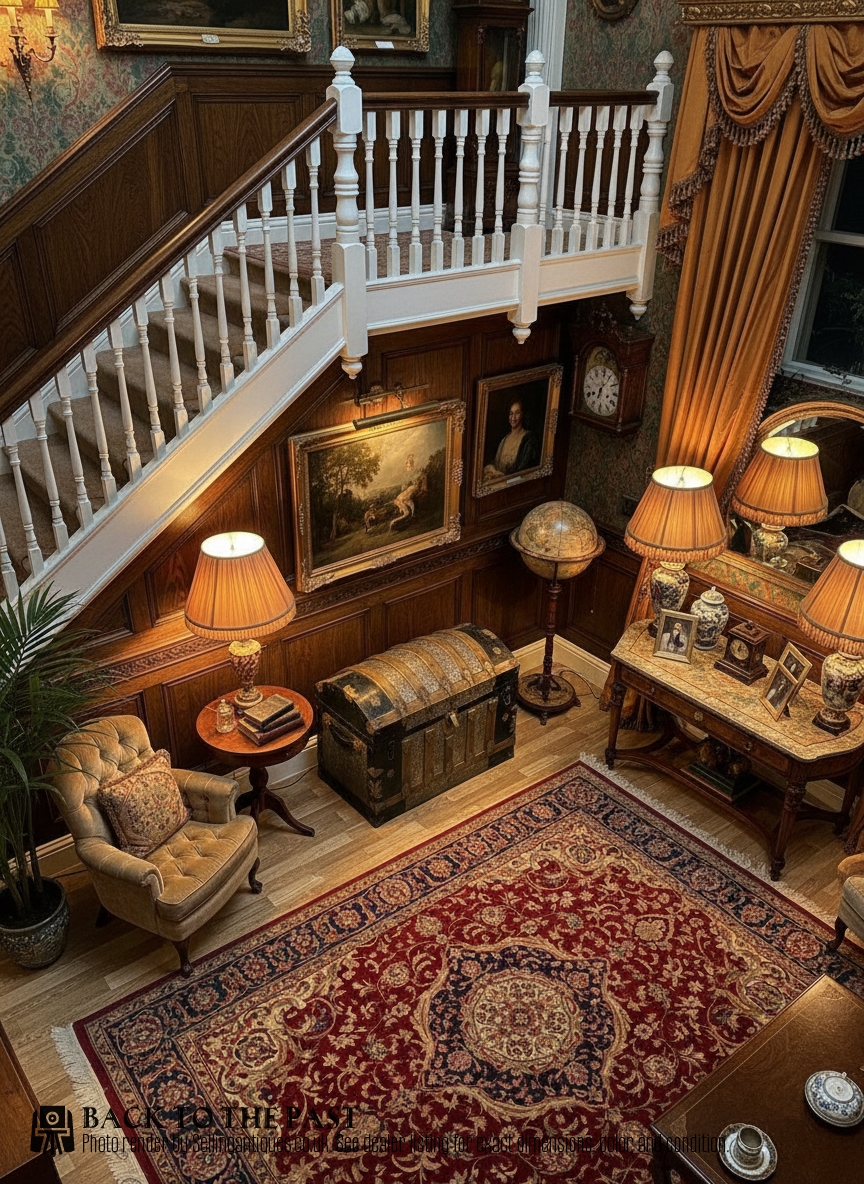
Victorian Travelling Trunk
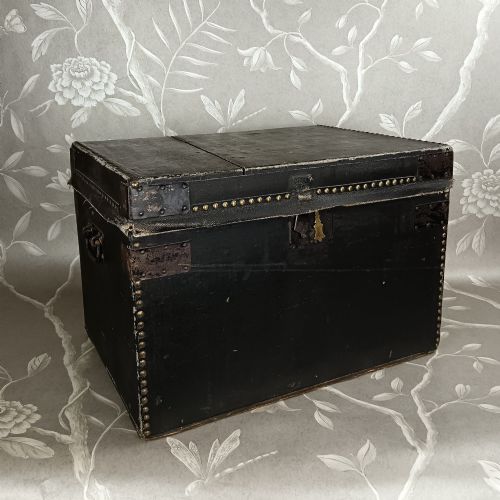
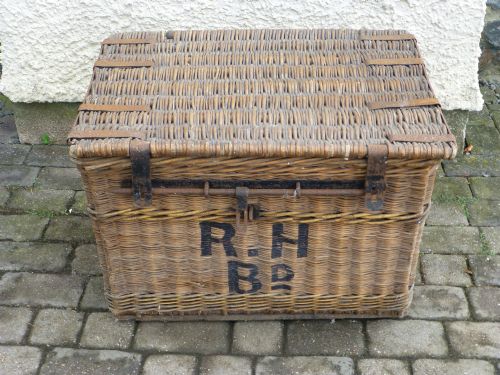
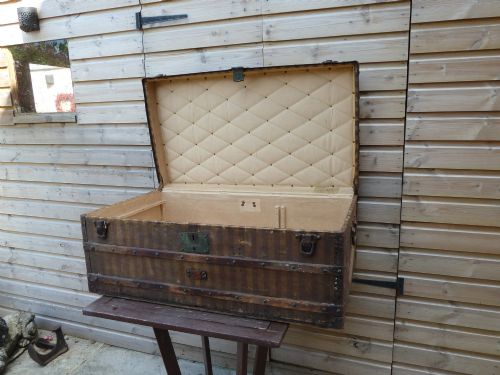
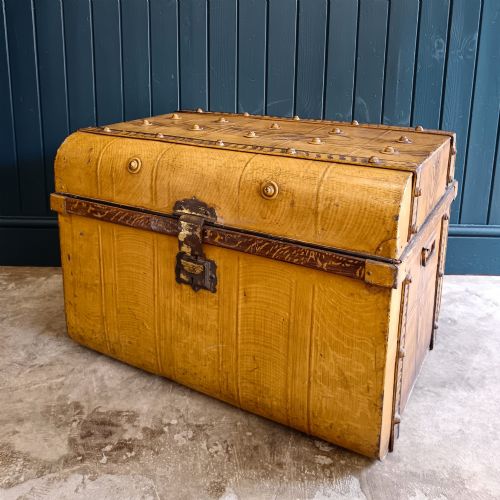
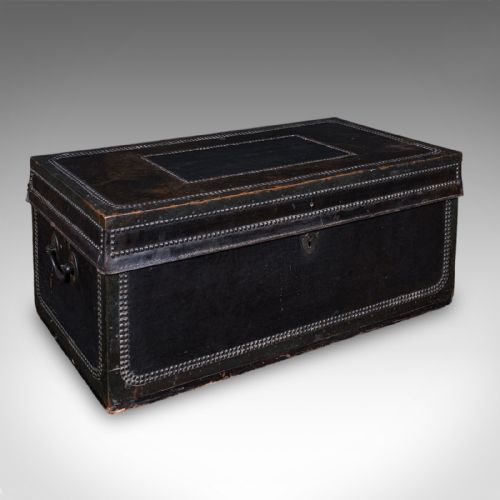
When you search for a victorian travelling trunk, you encounter sturdy receptacles built for long-distance transit across land and sea. These pieces range from utilitarian pine and canvas storage boxes to specialised officer chests designed for military campaigns.
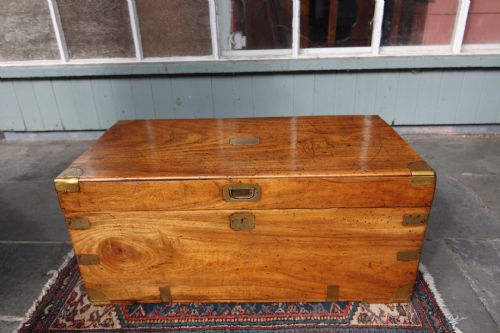
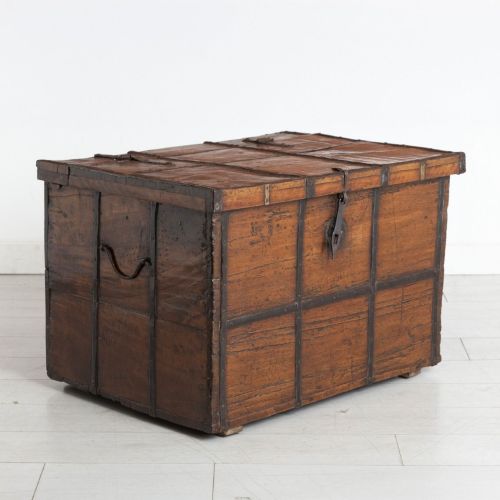
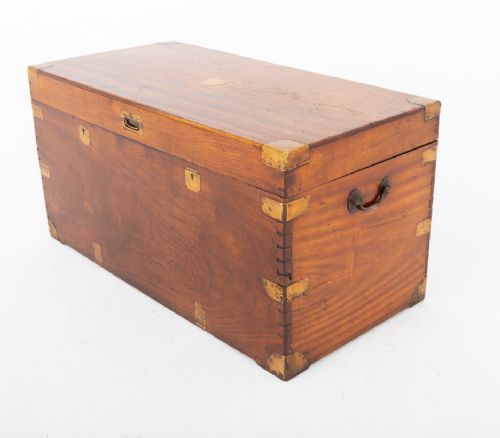
The most common versions on this page are constructed from timber such as camphor wood, teak or pine, often reinforced with brass, iron or leather. They serve equally well today as blanket boxes, coffee tables or functional hallway storage.
How they were made
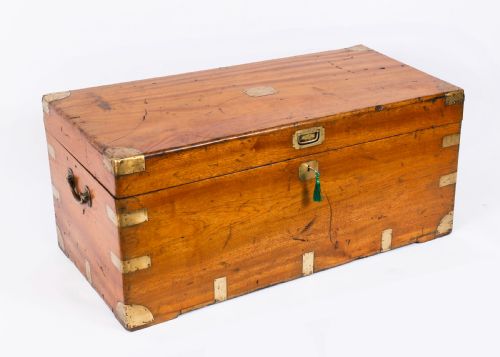
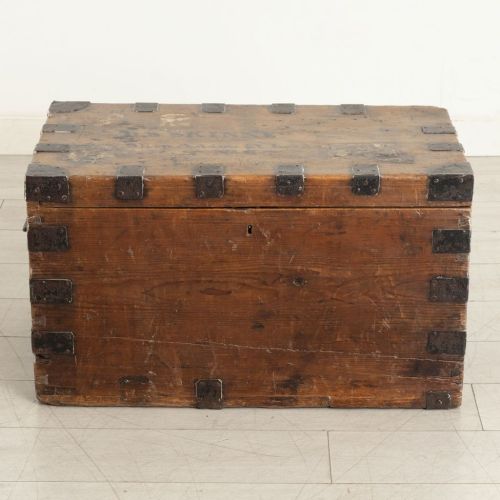
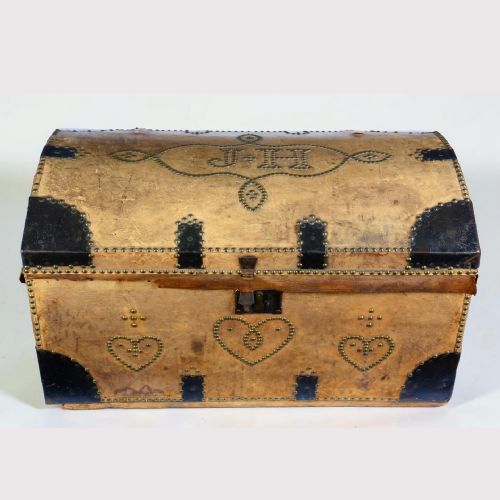
Makers built these trunks to withstand rough handling during transit by combining solid timbers like oak, teak, camphor wood and pine with protective metal hardware. Brass corners, iron straps and studwork fastened the edges to prevent splitting during voyages.
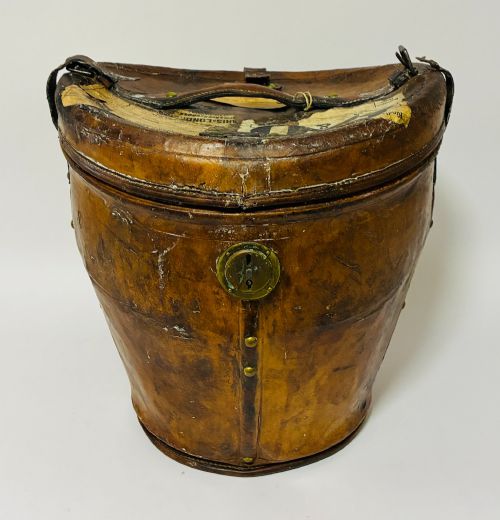
Surfaces were frequently finished with stitched leather, painted canvas or polished wood grains. Interior compartments, fitted trays and brass carrying handles were integrated to secure personal belongings efficiently.
Some camphor wood trunks still retain a faint, unmistakable fragrance from the nineteenth century.
What varies in quality
The distinction between standard utility luggage and top-tier pieces lies in the selection of materials and the integrity of the hardware. Solid tropical hardwoods like camphor and teak command greater regard than basic painted pine.
Original maker attribution, such as branded locks or stamped brass plates, elevates an example significantly. The survival of internal fittings, working locks with keys, and uncompromised structural joins define the superior examples.
Wm. Insall of Bristol·Louis Vuitton·Arthur Wannop·Lincoln Bennett·Drew & Sons·Elkington
The Victorian Travelling Trunk Glossary
- Campaign chest
- A modular storage unit designed to dismantle or transport easily for military officers on active service. These pieces usually feature recessed brass handles and corner brackets.
- Camphor wood
- An aromatic timber frequently utilised in colonial campaign chests because its natural scent repelled insects during long sea voyages. It remains stable in changing climates.
- Steamer trunk
- A low-profile luggage piece designed to fit beneath the cabin berths of passenger steamships. They often incorporate domed or flat tops covered in canvas, leather or metal.
- Silver chest
- A heavy-duty storage box lined with baize or felt, reinforced with steel or brass bands, and built to transport valuable tableware securely. Oak and iron are typical materials for these heavy containers.
- Domed trunk
- A luggage design featuring a curved lid intended to shed water during carriage travel. Leather or canvas coverings were commonly tacked down with brass studwork.
Victorian Travelling Trunk: Frequently Asked Questions
What materials were used?
Makers constructed these trunks from a variety of woods including pine, oak, teak and camphor wood. These timbers were frequently augmented with iron bands, brass corners and exterior coverings of leather, canvas or painted metal.
Hardware components like recessed handles, lockplates and studs were typically cast in brass or iron to reinforce high-stress areas during transport.
How were they used?
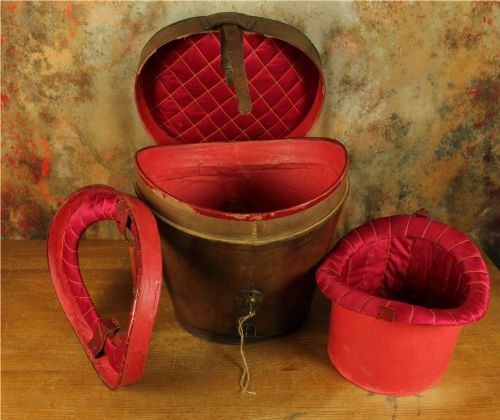
These receptacles accompanied travellers, military officers and diplomats on journeys across land and sea. They protected clothing, hats, silver and official documents from moisture and rough handling.
Inside the home, they functioned as portable wardrobes or storage chests, and today they frequently double as coffee tables or blanket boxes.
How do I care for the leather?
Leather surfaces benefit from cleaning with a soft, dry cloth followed by the application of a suitable conservation wax or balm to maintain suppleness. Avoid harsh chemical cleaners that can strip original finishes.
Keep the timber and metal hardware dry and away from direct heat sources to prevent the wood from splitting and the leather from cracking.
Are keys usually included?
Original working keys are occasionally present with specific pieces, but many survive without them due to centuries of displacement. Locks can often be examined by specialists if operation is required.
The presence of an original key or a maker-stamped lock adds notable interest for collectors.