
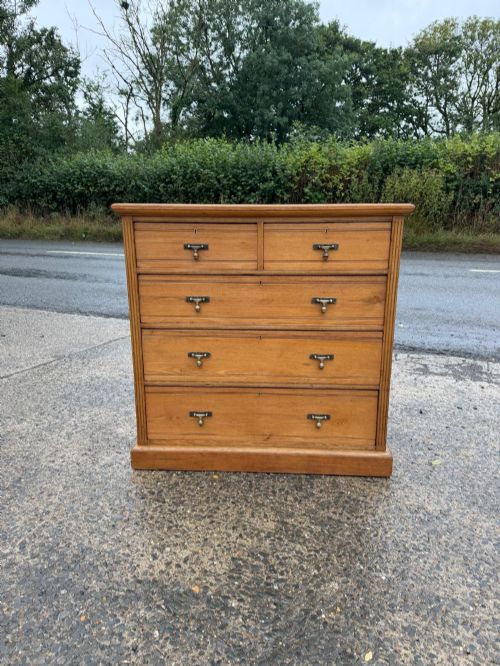
Victorian Coffer
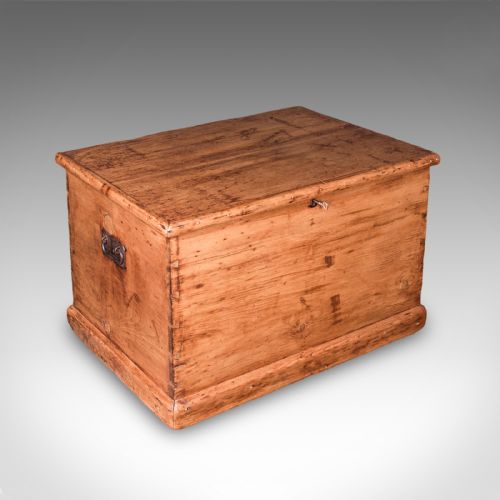
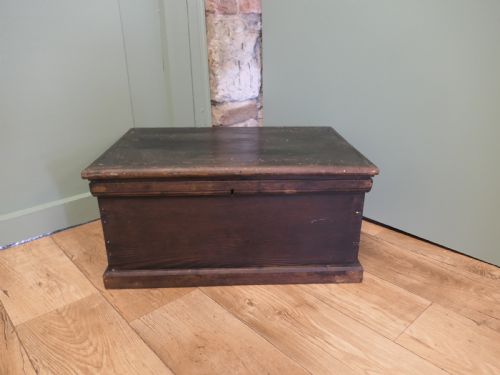
When you select a victorian coffer, you invite a sturdy wooden storage chest with nineteenth-century utility and character into your home.
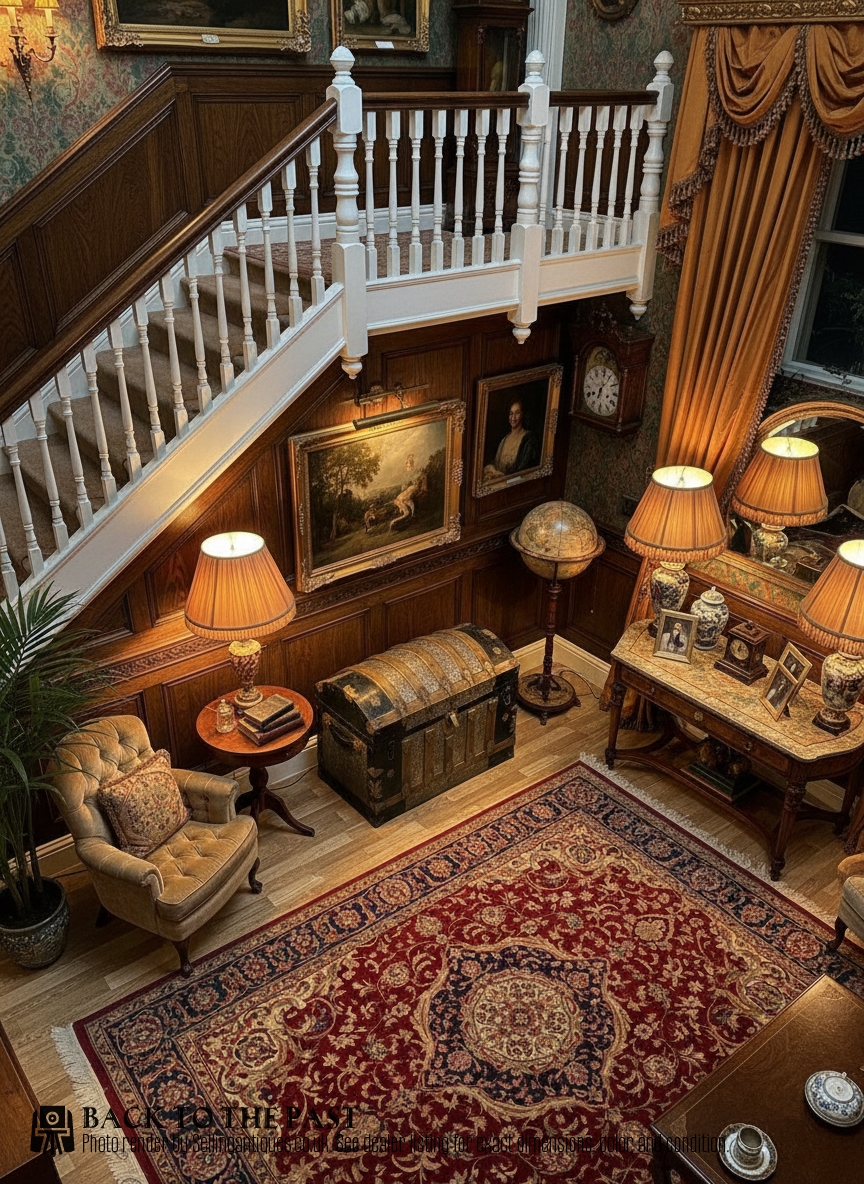
Victorian Coffer
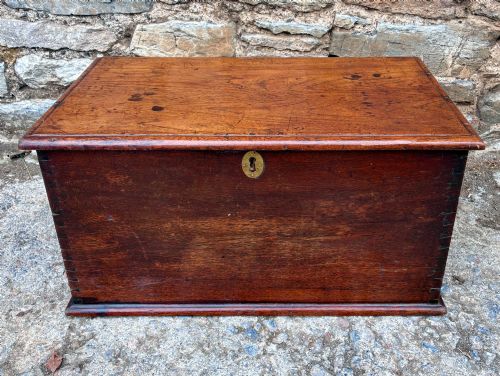
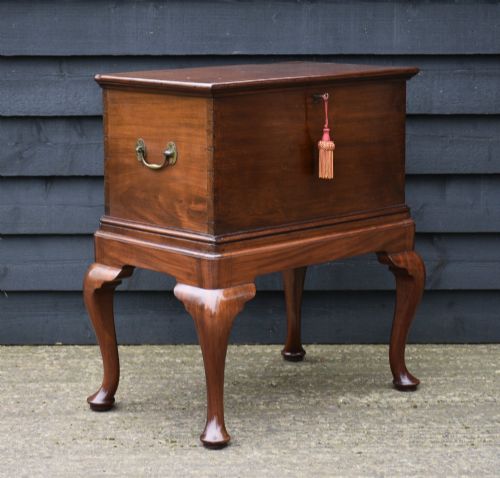
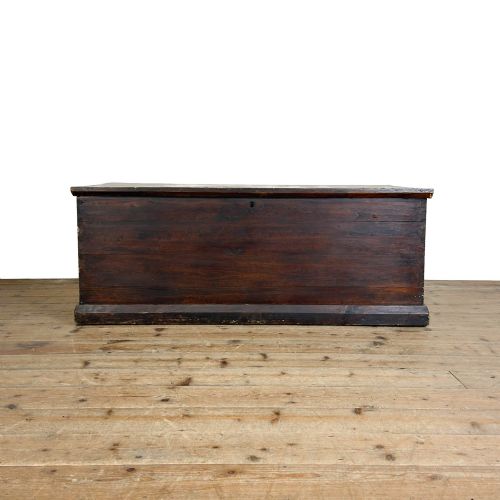
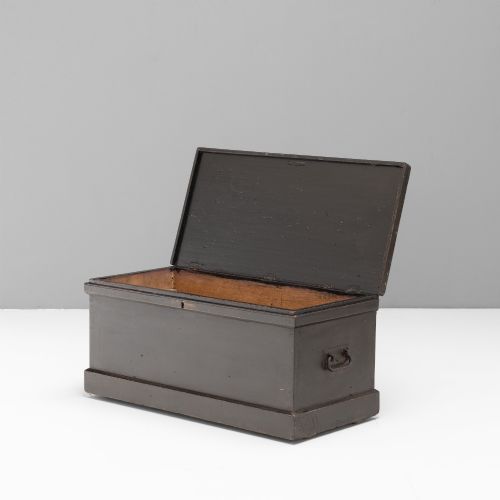
A victorian coffer encompasses heavy domestic storage chests, blanket boxes, and mule chests fashioned predominantly during the nineteenth century. These sturdy wooden receptacles served practical domestic and travel roles, storing linen, blankets, and personal possessions.
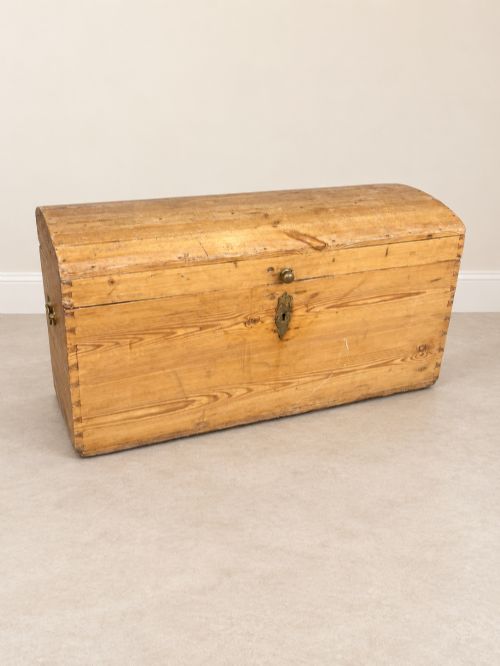
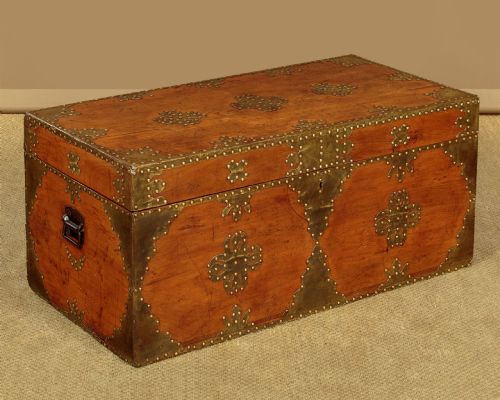
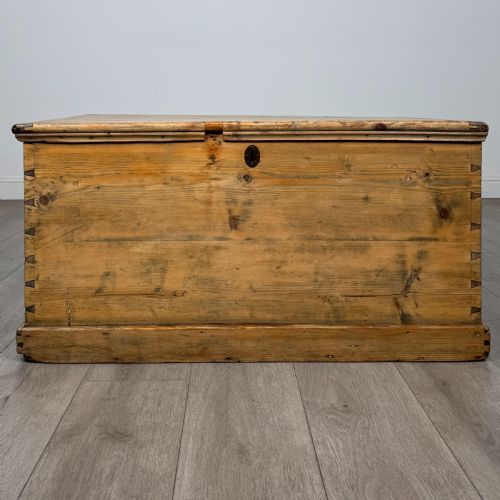
Domestic versions appear frequently in pine, oak, and elm, often featuring carved panels, hinged lids, and internal storage divisions. Travel and military iterations utilise exotic timbers fitted with robust metal hardware for transit.
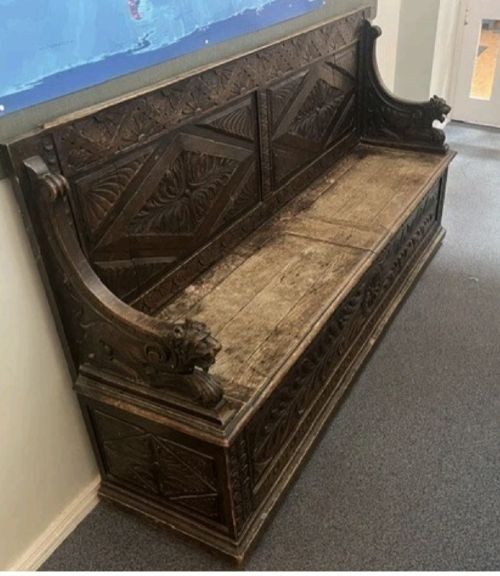
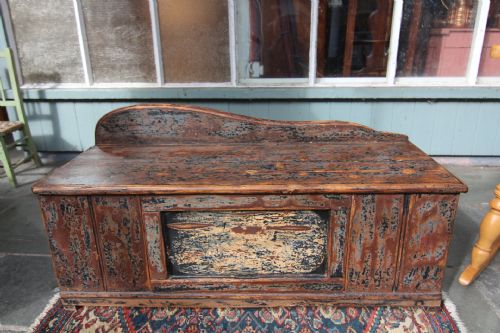
Buyers encounter country house blanket boxes alongside utilitarian pine trunks and intricately carved oak pieces. Many examples double as low coffee tables or hallway seating benches within modern interiors.
How They Were Made
Joiners constructed these chests using durable native timbers like oak, pine, and elm, alongside imported hardwoods such as camphor wood, teak, and padouk. Carpenters joined structural panels with dovetail joints and sturdy framing to withstand heavy daily use.
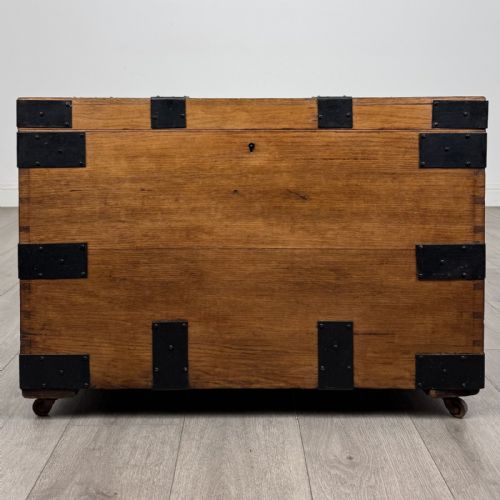
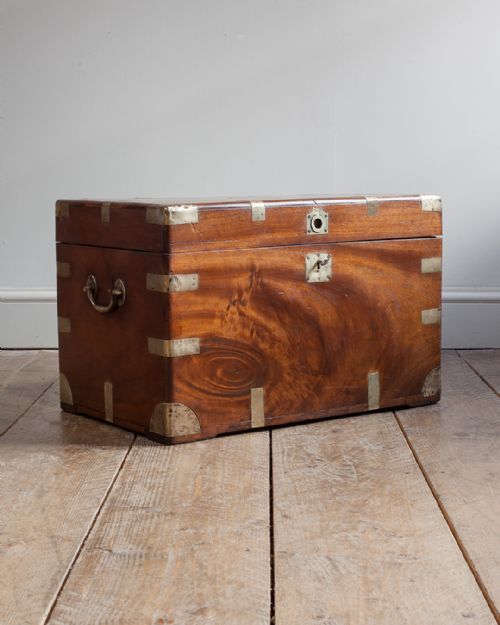
Makers reinforced vulnerable corners and edges with brass banding, iron straps, and heavy studwork, particularly on pieces designed for travel. Surfaces received simple wax finishes, paint, or intricate relief carvings in gothic and traditional rural styles.
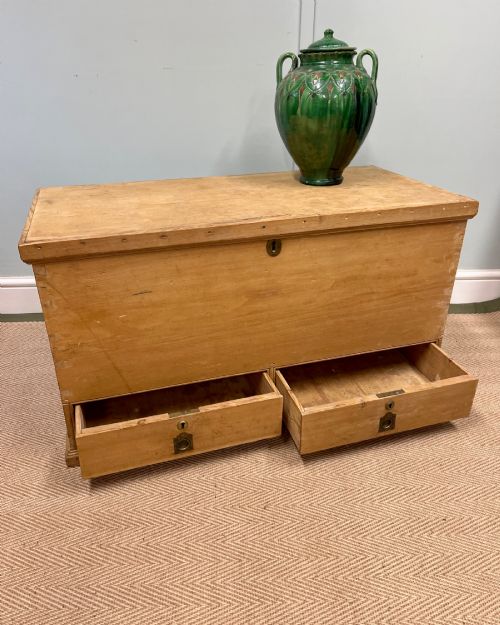
Storage forms span simple utilitarian travel trunks, mule chests with drawers, and heavily carved oak hall benches.
What Varies In Quality
Superior examples display dense, well-figured timber selection and precise joinery that remains rigid over centuries of service. Master craftsmen executed hardware mounts, dovetails, and panel carvings with rigorous attention to detail.
The integrity of original brass bindings, operational locks, and untouched surface patination distinguish finer items from heavily altered or restored utilitarian trunks.
Wm Insall of Bristol·Arthur Wannop·Tanns Defiance London
The Victorian Coffer Glossary
- Coffer
- A large wooden chest used for storing valuables, linen, or personal effects. These heavy boxes typically feature hinged lids and sturdy structural framing.
- Campaign trunk
- A portable chest designed for military officers and travellers on the move. They incorporate recessed brass carrying handles, reinforced corners, and durable tropical hardwoods.
- Mule chest
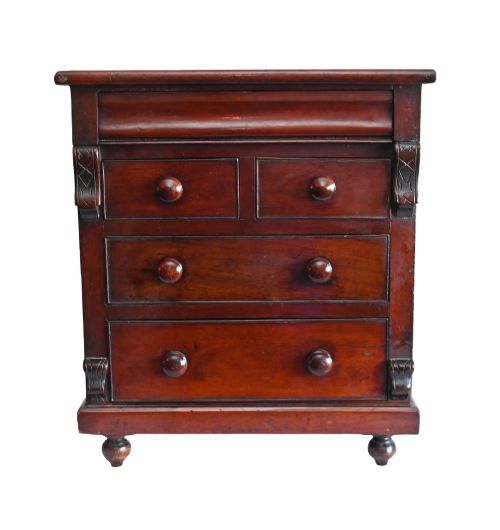
- A storage chest featuring one or more drawers built into the base beneath the main compartment. This design bridged the evolution between simple blanket boxes and modern chest of drawers.
- Panelling
- Framework constructed from fitted wooden styles and rails surrounding a central recessed board. This technique accommodates natural wood shrinkage without splitting the structure.
Victorian Coffer: Frequently Asked Questions
How were original victorian coffers used in the home?
These chests served primarily for storing household textiles, blankets, woollens, and personal documents away from dampness and dust. Families placed them at the foot of beds, in hallways, or within reception rooms for daily utility.
Over time, many adapted to function as hall benches, seating, or occasional tables while retaining their original storage capacity.
What is the difference between a coffer and a blanket box?
A coffer generally describes a heavy, sturdy chest featuring panelled construction and formal joinery, often associated with oak or elm. A blanket box frequently denotes simpler pine or painted domestic storage receptacles.
Both terms describe lidded receptacles designed for keeping textiles, though coffers often display more elaborate decorative carving.
How do I identify campaign coffers from domestic ones?
Campaign versions utilise exotic timbers like camphor wood, teak, or padouk paired with brass corner braces and flush inset handles. These design choices protected the wood and allowed easy stacking during military transport.
Domestic equivalents rely on native pine, oak, or elm without specialised travel hardware.
Can I use a heavy wooden coffer as a coffee table?
Many solid wood examples offer flat lids and stable proportions well-suited for service as a low coffee table. Their sturdy construction easily supports books and decorative objects.
Ensure the height and surface area match your seating arrangements before positioning one centrally in a room.