


Victorian Tobacciana
Victorian tobacciana gathers the practical and decorative accessories of nineteenth-century smoking, offering functional silver vestas, carved wooden humidors, and novelty match holders that collectors prize for their craftsmanship.
Victorian Tobacciana
Victorian tobacciana encompasses the varied implements used for storing, lighting, and smoking tobacco during the nineteenth century. These objects range from pocket vesta cases and snuff boxes to larger table lighters, pipe racks, and tobacco jars.
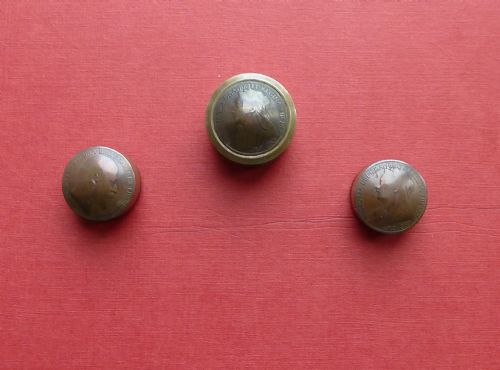
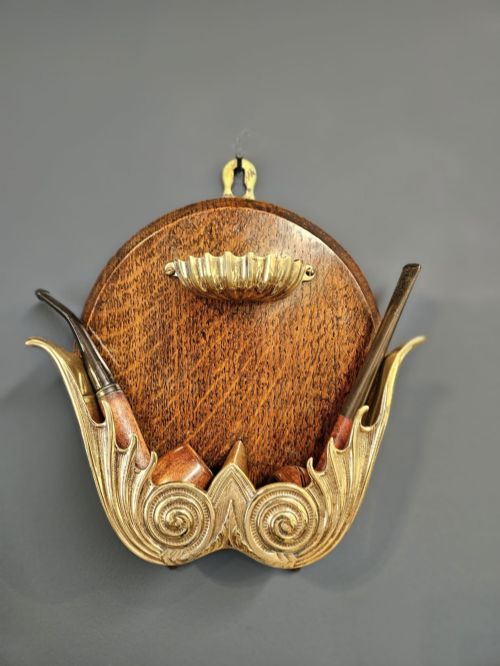
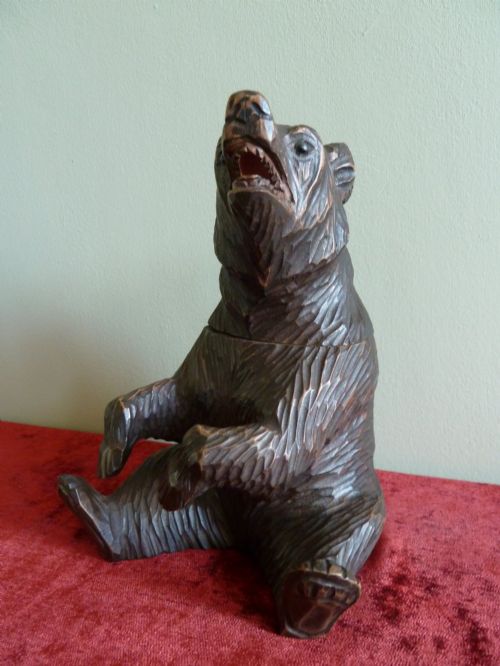
The pieces appearing on this page originate predominantly from the Victorian period alongside related Edwardian and nineteenth-century examples. Common forms include silver vesta cases, carved Black Forest bear holders, oak and brass humidors, and leather cigar cases.
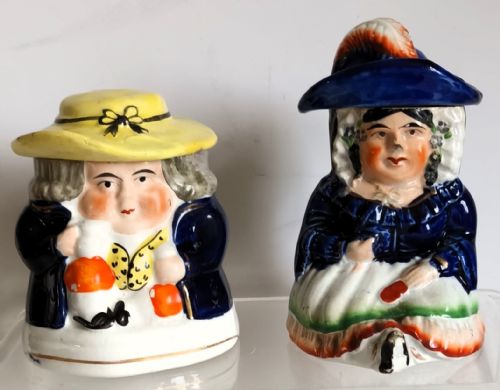
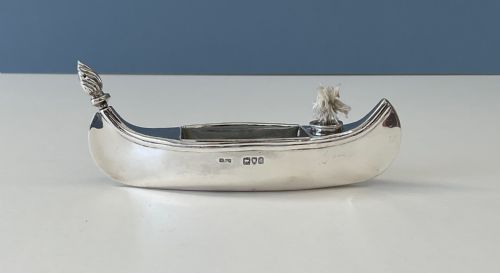
Novelty items occupy a significant place within the category, featuring designs shaped like railway coal wagons, canoes, and animal forms such as dogs and bears. Collectors encounter both utilitarian items meant for daily pocket use and display pieces intended for the smoking room.
Materials and Craftsmanship
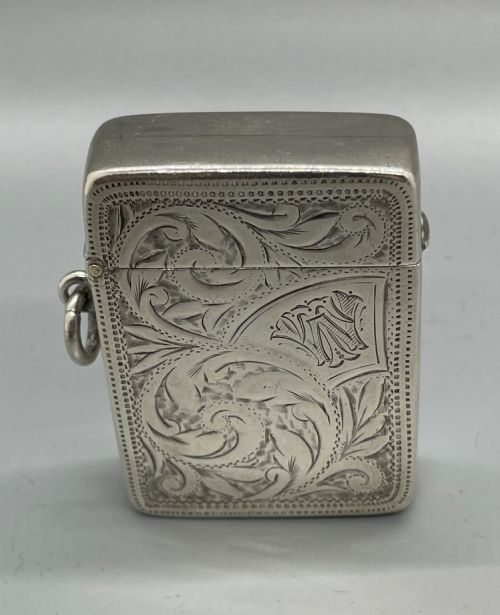
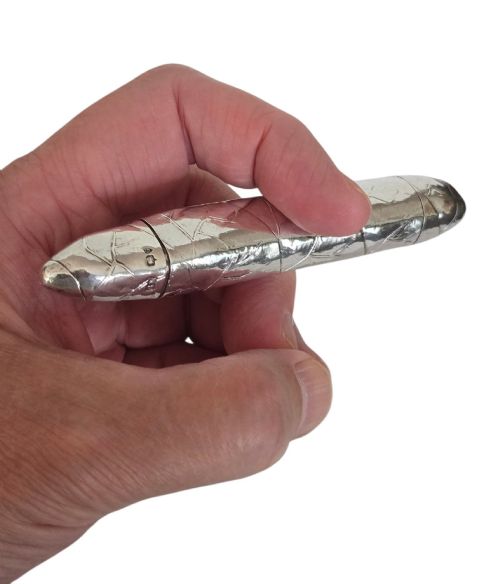
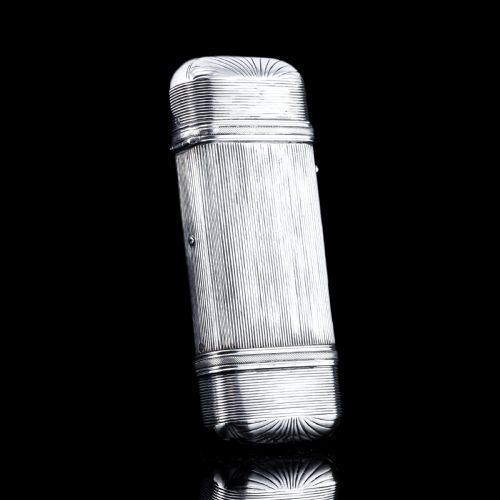
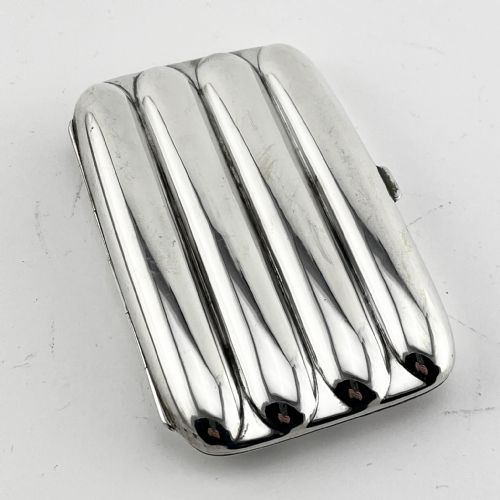
Metalwork dominates the selection, utilising sterling silver, brass, nickel-plated metal, and white metal shaped into vesta cases, cigar holders, and table lighters. Many silver items feature engraved surfaces, reeded designs, or enamel decoration.
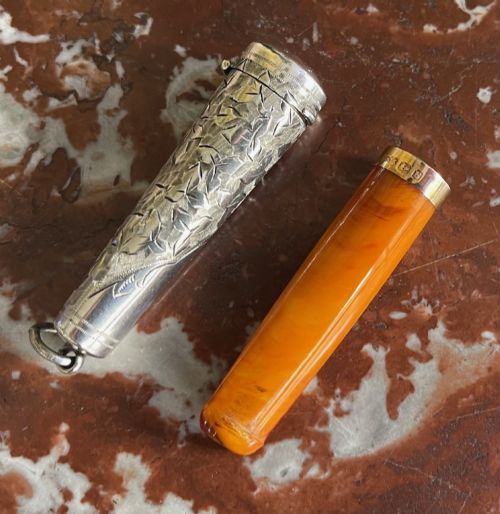
Natural organic materials feature prominently, including carved linden wood in Black Forest pieces, amber for cheroot holders, Scottish horn for snuff mulls, and crocodile skin for pocket cigar cases. Oak and mahogany provide the structural foundation for larger tobacco jars, pipe racks, and railway coal wagon humidors.
Specialised techniques such as hand-carving, silver assay stamping, and enamel application define the production of these accessories. Makers combined metal mounts with organic elements like horn, glass, and leather to construct durable smoking gear.
The listings show a strong presence of sterling silver vesta cases alongside carved linden wood Black Forest humidors.
Factors of Quality
The integrity of materials and the complexity of construction dictate the standing of an object. Pieces combining multiple materials, such as silver-mounted amber or fitted glass and metal smoking compendiums, demonstrate higher ambition in design and execution.
Sampson Mordan & Co·Raphael Tuck & Sons·Elkington
The Victorian Tobacciana Glossary
- Vesta case
- A small pocket container designed to hold matches and keep them dry. These cases typically feature a striking surface on the base.
- Humidor
- A sealed box or container designed to store cigars or tobacco at a controlled humidity. Nineteenth-century examples often utilise oak, brass, and carved wood.
- Pipe tamper
- A small tool used to press down tobacco inside a pipe bowl before or during smoking. They frequently take decorative forms or double as cribbage boards.
- Meerschaum
- A soft white mineral carved into intricate pipe bowls that gradually darken with use. It absorbs moisture to provide a cool smoke.
Victorian Tobacciana: Frequently Asked Questions
What is a vesta case?
A vesta case is a small pocket container designed to hold matches safely. They typically include a serrated striking edge at the bottom.
Victorian examples were often fashioned from sterling silver or brass and decorated with engravings or novelty shapes.
How were tobacco jars used?
Tobacco jars served as storage containers to keep loose leaf tobacco fresh in the home. They were placed on tables or desks in smoking rooms.
Materials ranged from carved wood and porcelain to brass-bound oak and pottery.
What is Black Forest tobacciana?
Black Forest pieces are wooden carvings originating from the mountain region in Central Europe. They frequently depict bears and other animals.
These carved items served as tobacco holders, pipe stands, and humidors.
How do I identify silver tobacciana?
Silver pieces often feature hallmarks stamped into the metal indicating the assay office, standard, and date letter. Examining these marks reveals the manufacturing year and origin.
Many items also display maker marks attributing the work to specific silversmiths.