

Victorian Tiered Display Unit
A victorian tiered display unit brings upright display space to a room, using open shelving of walnut, mahogany or rosewood to hold books and ornaments.
Victorian Tiered Display Unit
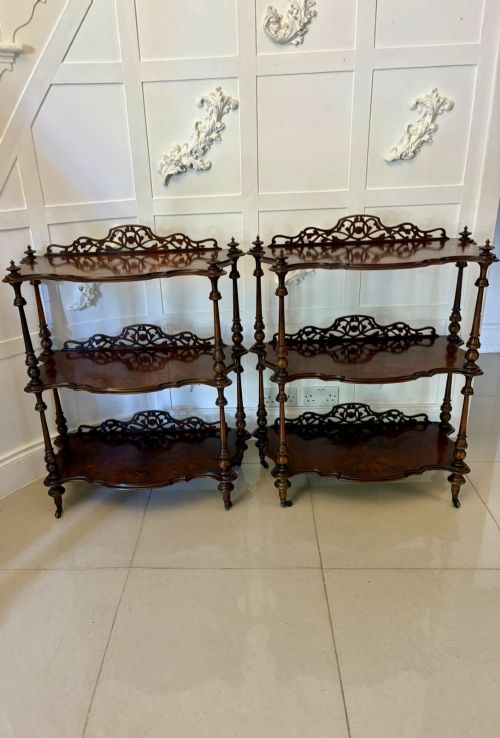
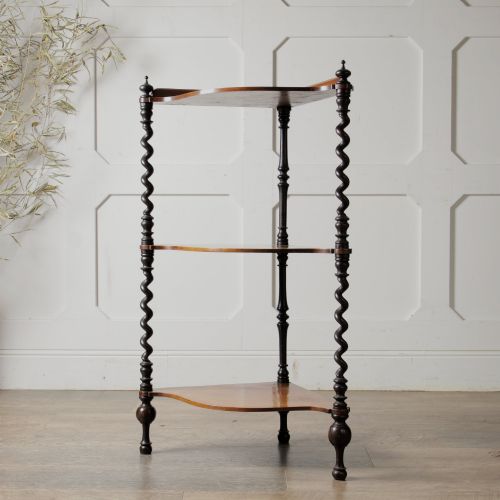
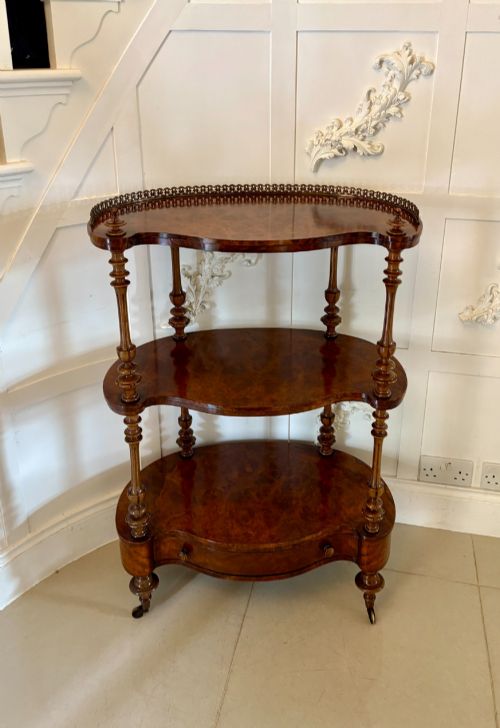
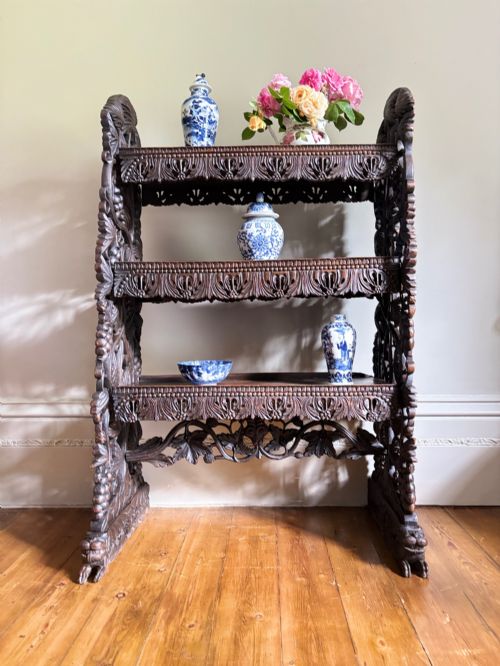
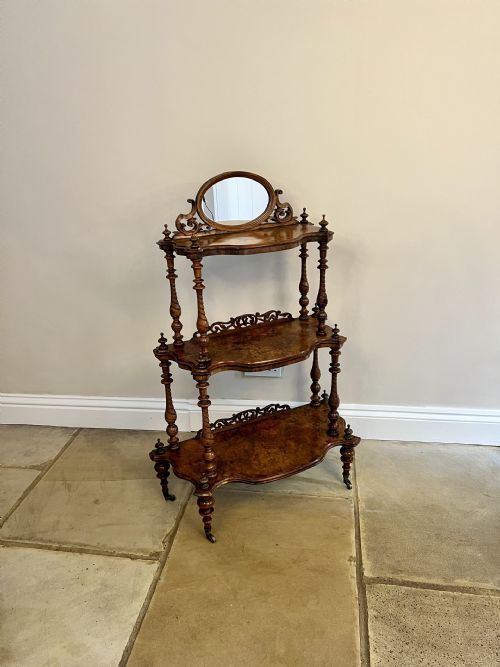
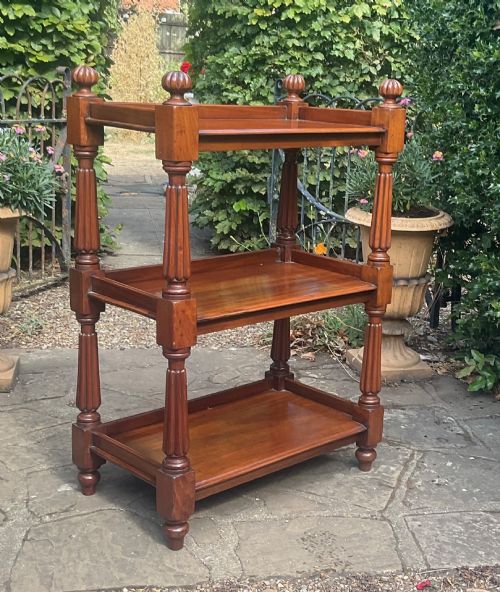
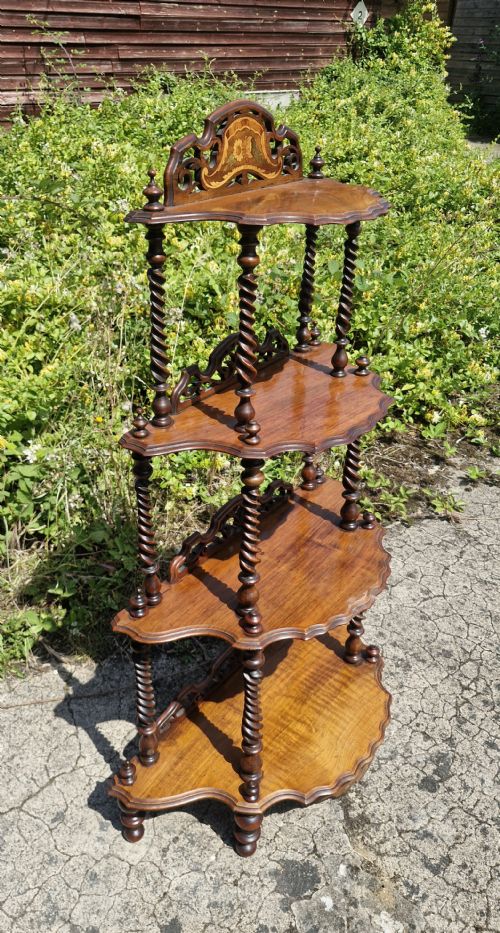
A victorian tiered display unit primarily takes the form of a whatnot, etagere or multi-tiered shelving structure designed for domestic display. These pieces provide vertical storage across several open platforms without dominating the floor space of a room.
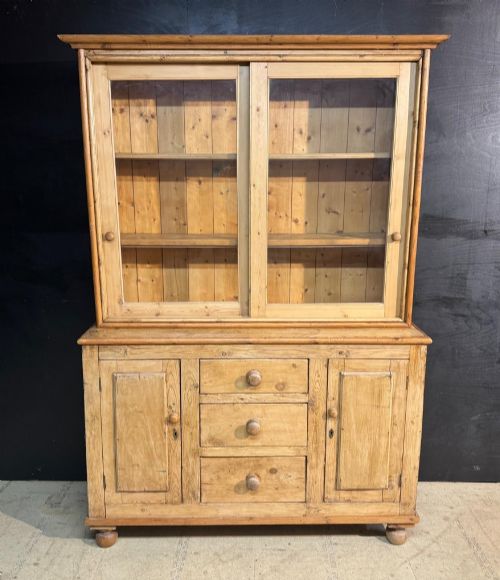
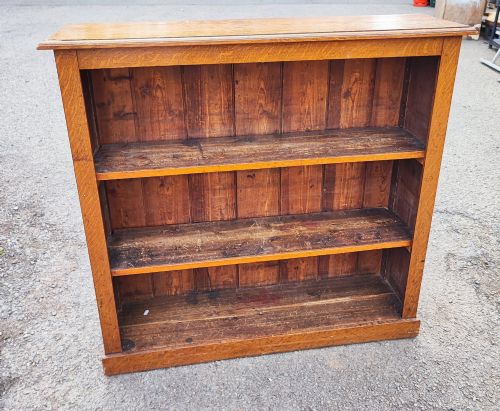
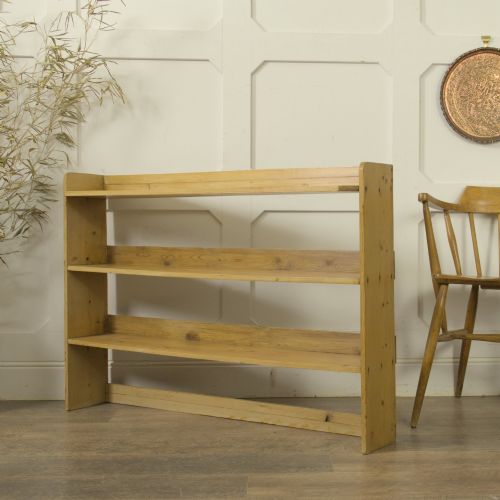
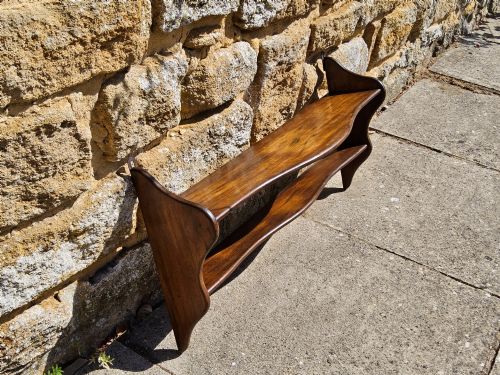
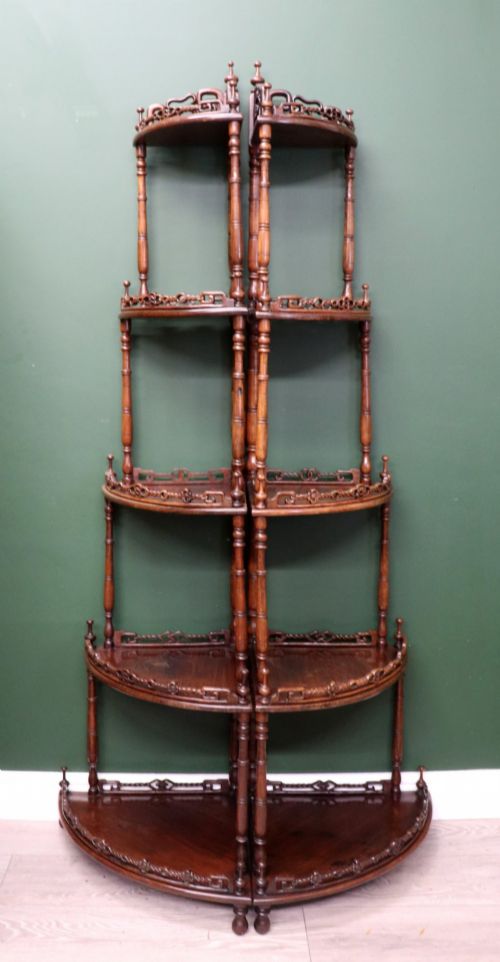
The materials span from rich hardwoods like burr walnut, mahogany and rosewood to simpler pine, oak and teak. Pieces appear in various formats including freestanding floor units, corner stands and wall-hanging shelves.
Makers of the period constructed these tiered items to serve multiple functions in sitting rooms, libraries and drawing rooms. The selection includes serpentine shapes, barley twist supports and tiered buffets dating across the nineteenth century.
How They Were Made
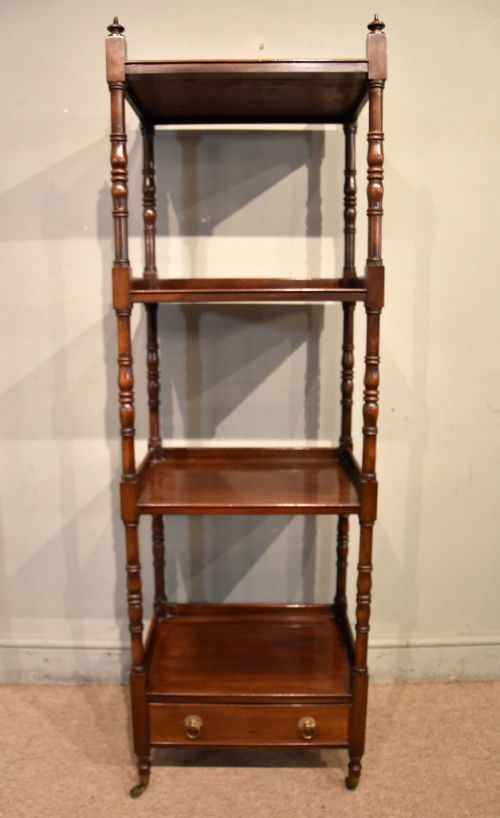
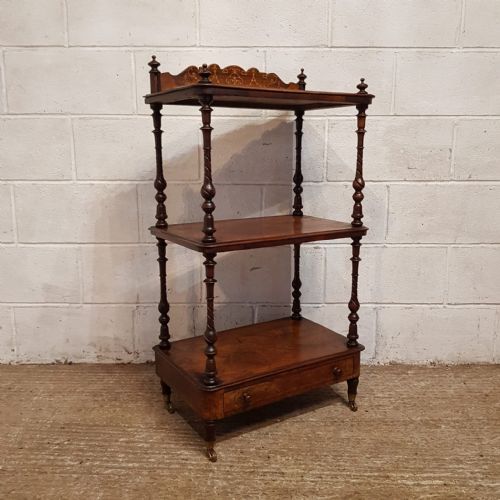
Cabinet makers utilised dense hardwoods such as mahogany, walnut and rosewood, often selecting highly figured burr veneers for the primary surfaces. Frames incorporated turned columns, barley twist uprights or fret-cut sides to support the horizontal shelves.
Joinery techniques involved secure housing for the shelves, sometimes augmented by turned brass castors on floor-standing pieces or brass fittings on wall-mounted examples. Decorative elements relied on fine inlays, carved details and shaped serpentine edges rather than heavy applied ornaments.
Some versatile nineteenth-century models arrived with multi-functional side cabinets attached, proving Victorians loved clever storage even in a simple set of shelves.
What Varies in Quality
The choice of timber creates the primary distinction between standard utility items and exhibition pieces, with figured burr walnut and rich rosewood sitting at the upper end of the scale. Grain selection, depth of colour and the crispness of turned supports or carved details indicate the skill of the original workshop.
Proportion and structural balance separate simpler provincial items from finer metropolitan or exhibition pieces. Elegant serpentine shaping, delicate fret-cutting and integrated drawers elevate the architectural merit of a tier.
The Victorian Tiered Display Unit Glossary
- Whatnot
- An open piece of furniture consisting of several shelves for displaying ornaments or books. Originating in the late eighteenth century, these items became staple display pieces throughout the Victorian era.
- Etagere
- A French term for a piece of furniture with a series of open shelves for small objects and knick-knacks. These units often feature slender upright supports and delicate woodwork.
- Burr walnut
- A prized timber harvested from the warted growths on walnut trees, yielding highly figured and swirling grain patterns. Cabinet makers used veneers of this wood on the main display surfaces.
- Barley twist
- A type of turning shaped like a spiral rope, popular on the upright supports of Victorian furniture. This decorative joinery adds texture and visual movement to the frame.
- Serpentine
- A curved line that undulates inwards and outwards, frequently used on the front edges of shelves and tabletops. This contour requires precise woodworking skill to execute cleanly.
Victorian Tiered Display Unit: Frequently Asked Questions
What rooms suit a tiered display unit?
These pieces fit comfortably in drawing rooms, studies and hallways where vertical storage is required. Their open shelves allow them to hold books, ceramics and decorative objects without making a small space feel crowded.
Freestanding models stand well against plain walls or in corners, while wall-hung versions save floor space entirely. Their open nature means they integrate easily with both period and modern interiors.
Were these units used for books?
Many tiered units served a dual purpose for holding both books and decorative ornaments. Shallower shelves accommodated lightweight volumes, while lower tiers took heavier tomes or display ceramics.
Portable bookshelves and etageres were frequently moved around rooms to keep current reading material close at hand. Their open structure made choosing a book straightforward.
What woods were used for these shelves?
Walnut, mahogany and rosewood dominate the finer examples from the nineteenth century. Cabinet makers valued these dense timbers for their rich colour and stability under load.
Simpler country pieces and utility shelving utilised pine, oak or teak. Burr veneers were frequently applied to walnut surfaces to create striking visual patterns on the top tiers.