


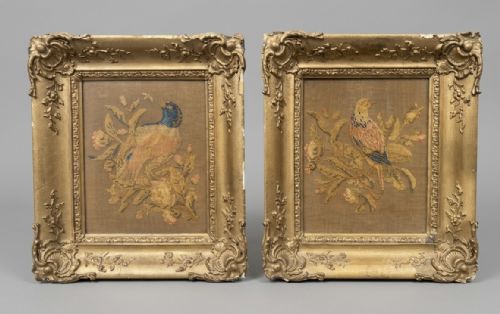
Victorian Tapestry Frame
A victorian tapestry frame holds the hand-stitched needlework that defined nineteenth-century interiors.
Victorian Tapestry Frame
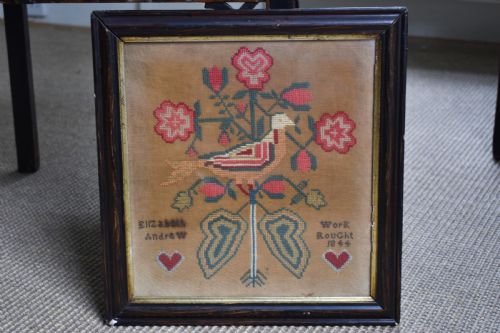
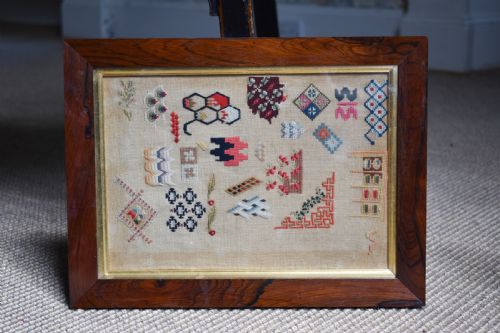
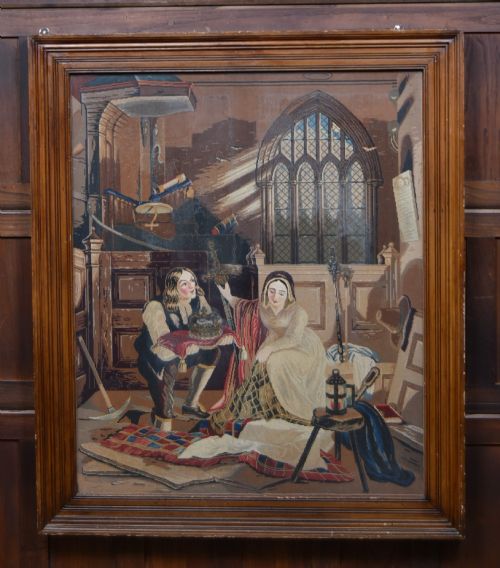
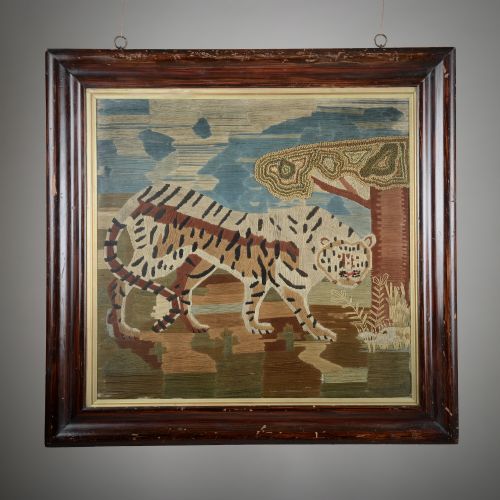
A victorian tapestry frame brings together functional wooden stretchers and the intricate needlework panels they were built to display or hold during creation. Buyers searching this phrase encounter both the mechanical wooden stretchers used by makers and the finished framed textile works that survived inside period settings.
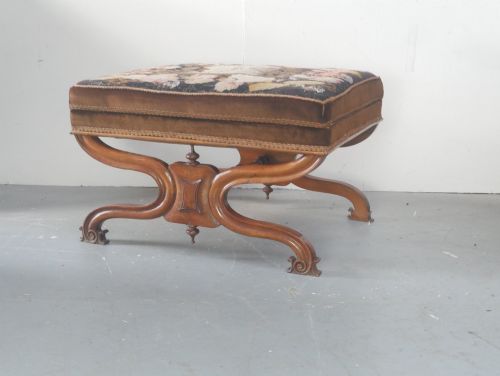
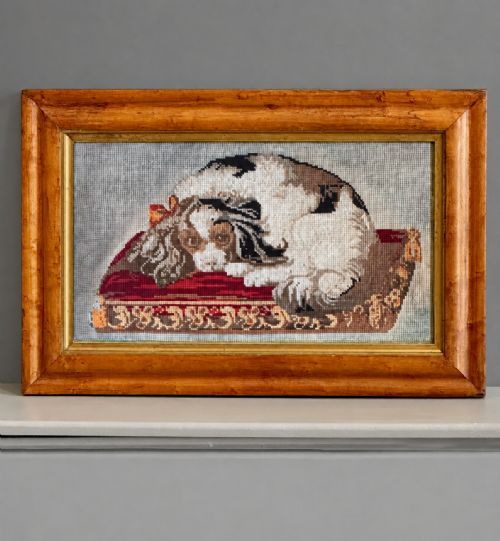
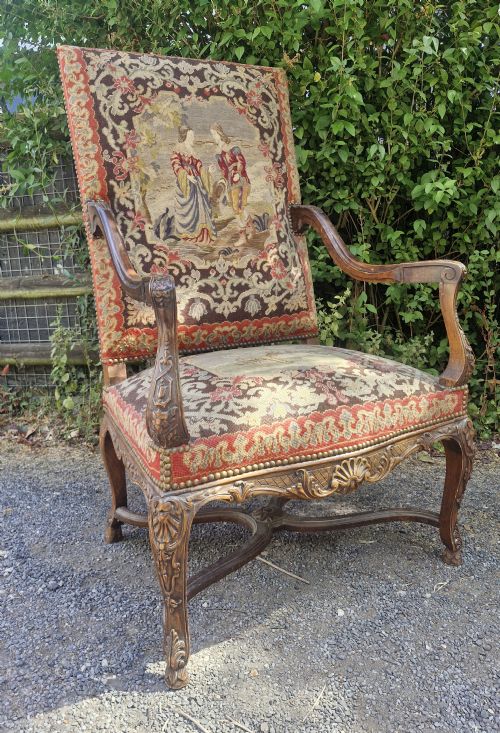
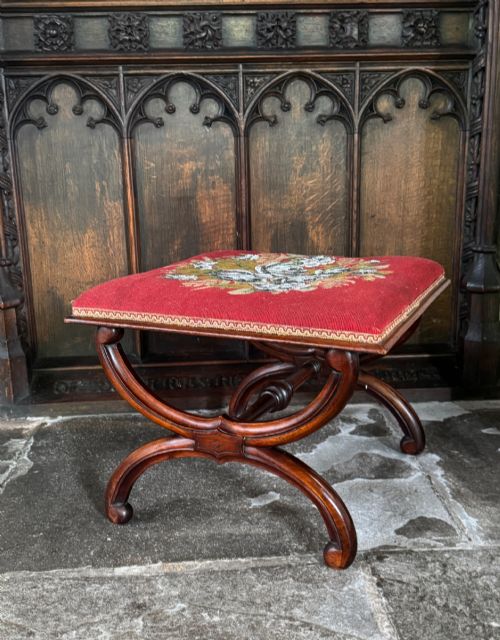
The selection here encompasses adjustable wooden needlepoint stretchers alongside framed textile art, woolwork pictures, samplers, and upholstered seating where the tapestry textile forms the primary medium. Pieces range from straightforward mahogany and walnut framing units to elaborate giltwood wall panels and firescreens.
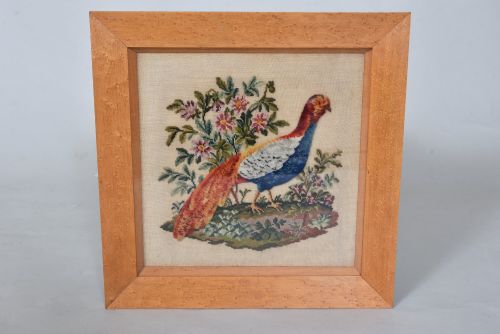
Origins stretch across English workshops and continental makers, incorporating diverse stylistic revivals from Gothic to Rococo. Walnut, oak, and rosewood structural surrounds frequently house detailed Berlin woolwork, gros-point, and petit-point scenes.
Quality and Distinction
Superior examples demonstrate meticulous stitch tension and complex colour gradation within the woolwork or silk embroidery, creating pictorial depth that simpler panels lack. The finesse of the surrounding woodwork, particularly hand-carved details or original burr maple and rosewood veneers, marks the distinction between standard utilitarian items and higher-status commissions.
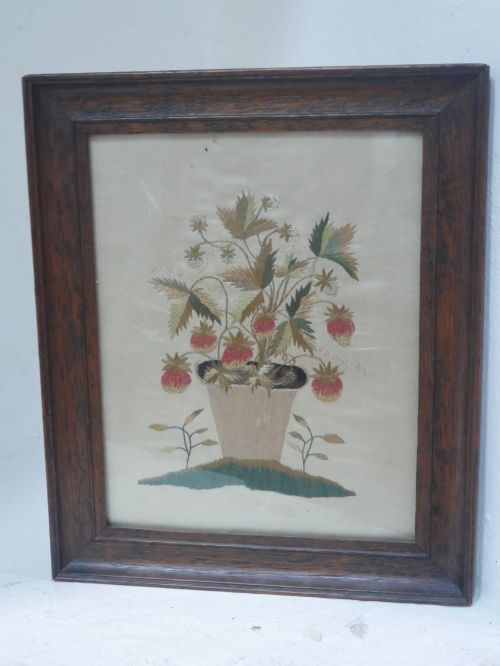
Integrity of materials also separates pieces, with surviving original stretchers, glass, and backing papers commanding greater appreciation. The complexity of the subject matter, from multi-figure historical or religious narratives to finely rendered botanical subjects, reflects the original skill invested in the textile.
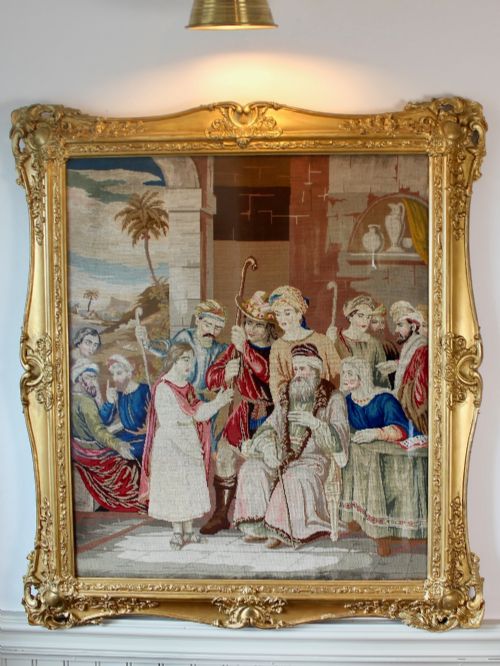
A nineteenth-century maker immortalised Pharaoh's dream in wool, proving that ancient royal visions made surprisingly cozy parlour art.
The Victorian Tapestry Frame Glossary
- Berlin work
- A popular mid-nineteenth-century style of counted-thread embroidery using brightly coloured wools charted on grid paper. This technique allowed domestic makers to produce elaborate pictorial scenes with ease.
- Gros-point
- A coarse needlepoint stitch worked on canvas that creates a durable, textured surface. It frequently forms the background or main body of larger nineteenth-century tapestry panels and chair seats.
- Stretcher
- A wooden frame designed to hold canvas under tension during the embroidery process. Adjustable versions allowed makers to alter the working area as their tapestry progressed.
- Woolie
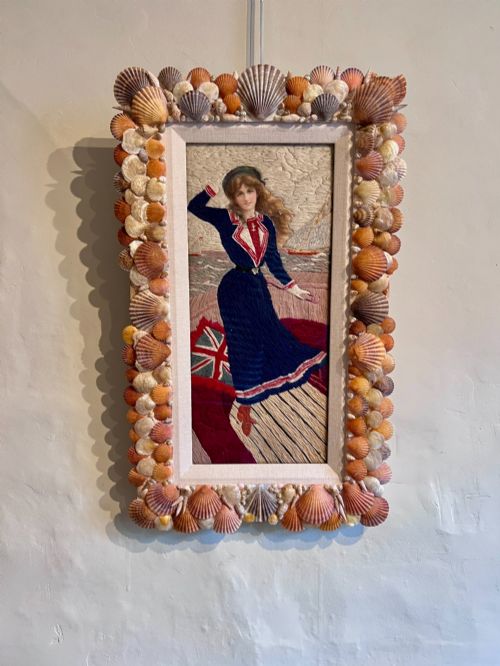
- A distinctive form of sailor-made embroidery depicting naval ships and maritime scenes. These wool work pieces were commonly produced aboard nineteenth-century vessels.
Victorian Tapestry Frame: Frequently Asked Questions
How are these frames dated?
Dating relies upon timber choices, framing profiles, and stylistic clues within the associated needlework or hardware. Secondary indicators include original backing materials and paper labels left by period framers.
Exact dates occasionally appear worked directly into samplers or pictorial woolworks by the original maker. Comparing construction methods with documented nineteenth-century cabinet-making practices confirms the era.
Were these used for working or displaying?
Many surviving examples served a dual purpose as adjustable working stands for crafting needlepoint before being repurposed for permanent display. Others were manufactured specifically as decorative wall surrounds or structural components for firescreens and armchairs.
Tension mechanisms and thumb screws usually indicate a working stretcher origin. Fixed mitred corners point towards permanent framing intended to showcase completed textile art.
How should textile panels be cleaned?
Surface dust requires gentle removal using a soft brush through a protective mesh screen to safeguard fragile fibres. Moisture and chemical solvents risk damaging historic dyed wools and silks.
Professional textile conservators should handle structural repairs or deeper remediation. Keeping pieces away from direct sunlight prevents the fading of nineteenth-century wool and silk pigments.
What distinguishes English from continental work?
English pieces often favour domestic timbers like mahogany and oak combined with traditional samplers or maritime woolies. Continental examples frequently incorporate elaborate giltwood frames and distinct stylistic revivals.
Subject matter also offers clues, with continental panels more commonly depicting classical portraits or religious narratives. Regional stitching techniques occasionally reveal the geographic origin of the textile.