
Victorian Tableware
When you search for victorian tableware, you encounter functional dining silver, earthenware, and glass designed for nineteenth-century dining rituals.
Victorian Tableware
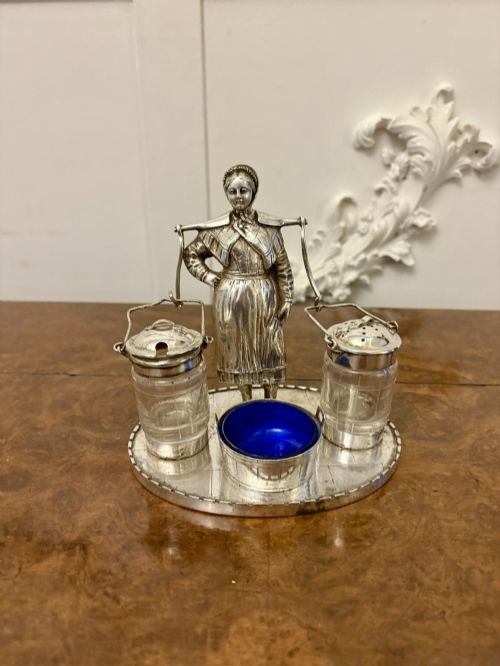
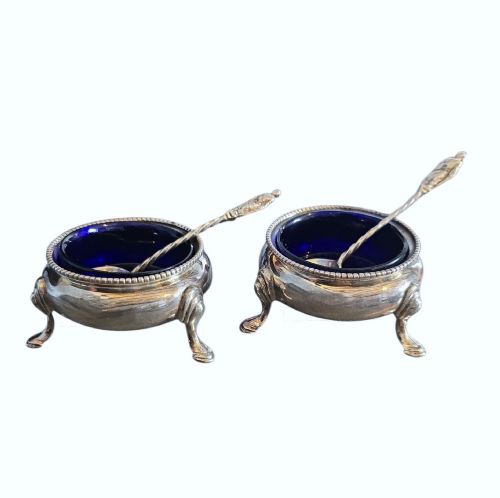
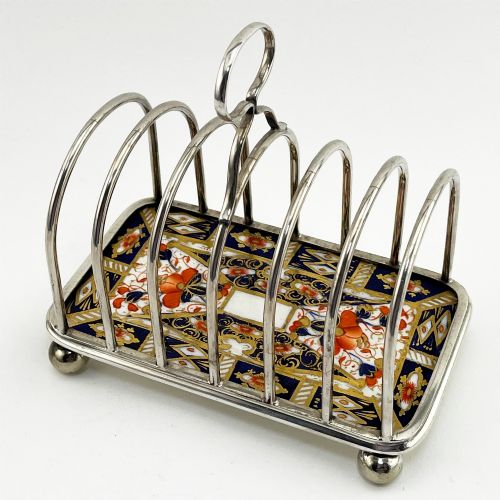
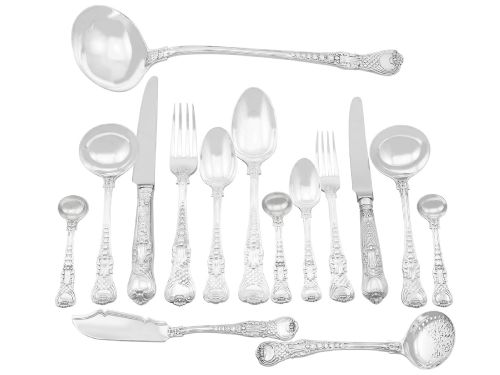
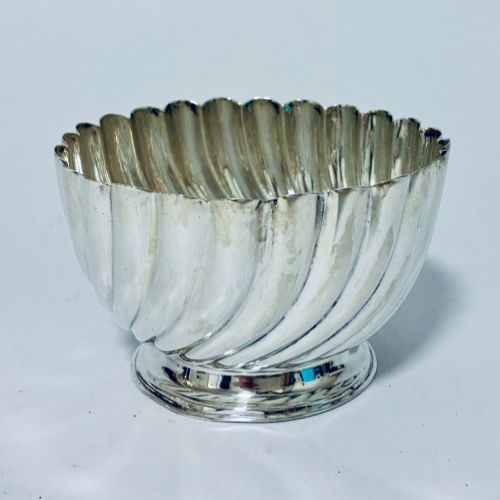
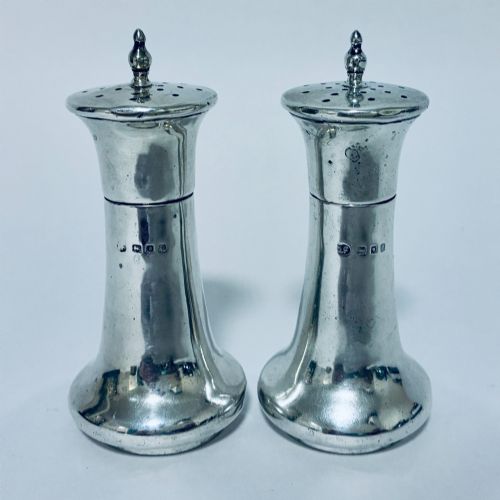
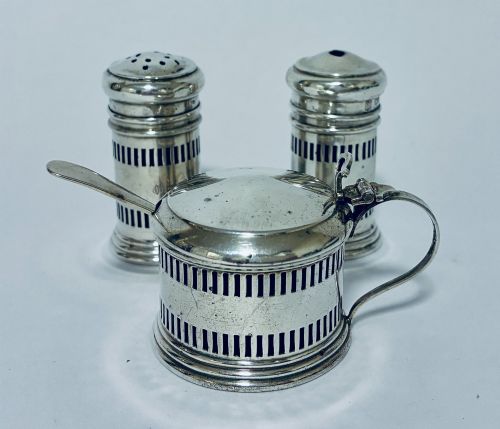
Victorian tableware encompasses items used for serving, dining, and organising a nineteenth-century table, including cruet sets, toast racks, salt cellars, and dessert services.
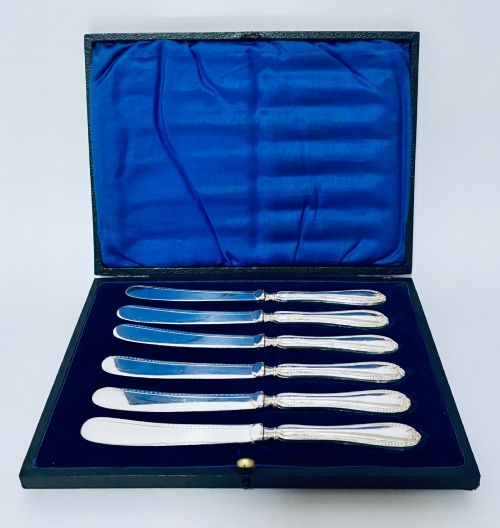
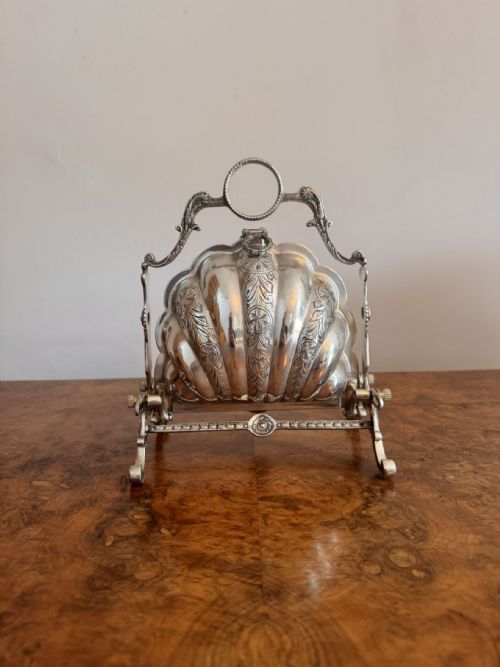
The objects span practical serving utensils like meat skewers, ham bone holders, and butter knives alongside decorative display items such as claret jugs and biscuit boxes.
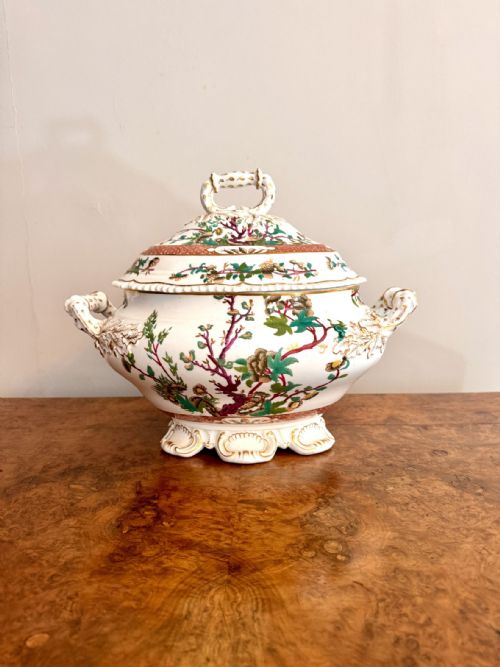
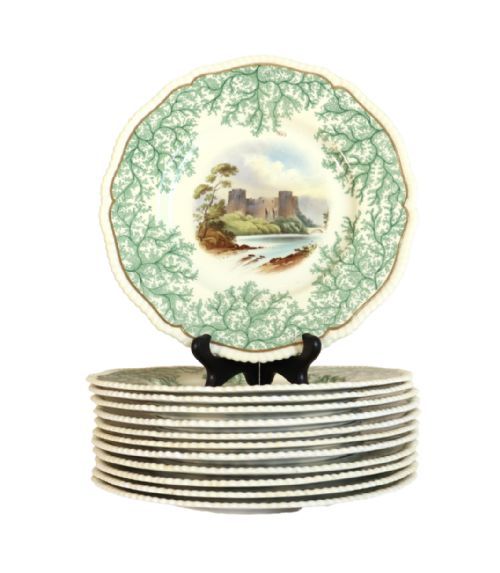
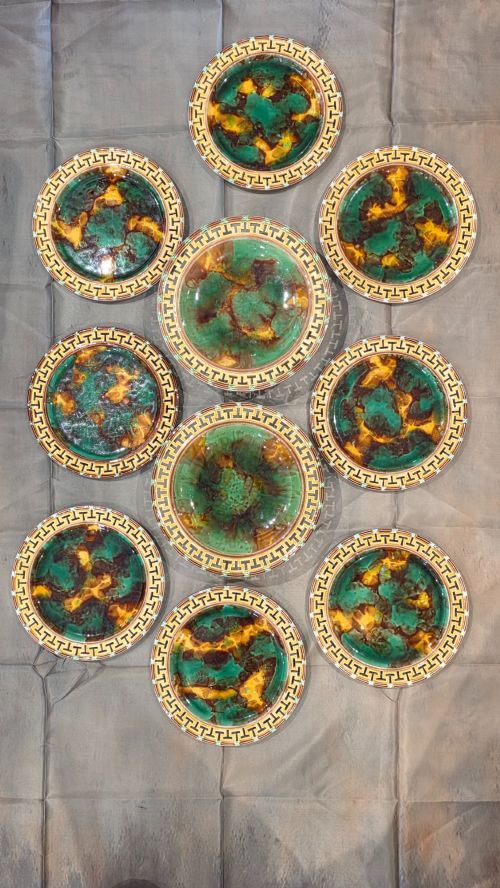
Ceramic pieces include bone china sauce tureens, earthenware dinner plates with seaweed borders, majolica dessert services, and game pie dishes from major potteries.
Materials and construction
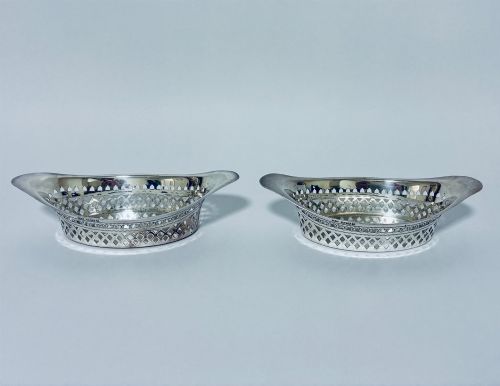
Metal items utilise sterling silver and silver plate, often shaped into pierced designs, fiddle pattern cutlery, or cast novelty forms like thistles and animals.
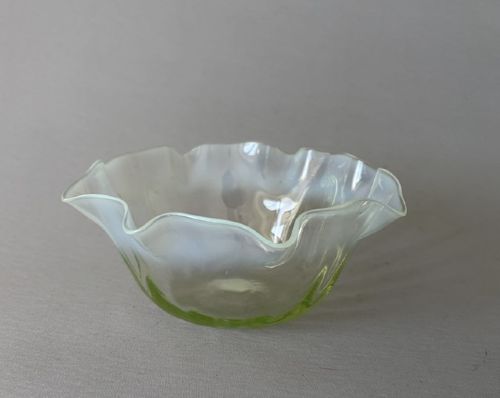
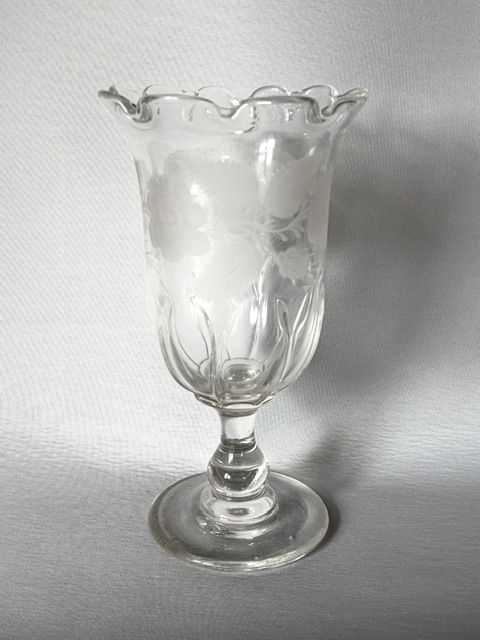
Glass production involves coloured, vaseline, uranium, and cranberry glass, frequently paired with silver elements, etched patterns, or fitted glass liners.
Ceramics comprise porcelain and bone china bodies finished with glazes, transfer-printed landmarks, hand-painted details, and majolica modelling.
Listings feature sterling silver, silver plate, earthenware, glass, enamel, and velvet across items dated from the Georgian period through the Victorian era into the twentieth century.
Distinctions in quality
Quality appears in the crispness of casting and piercing on silver elements, where deeply defined details and robust gauge metal distinguish finer service items.
Ceramic standard rests on the clarity of transfer prints, the vibrancy of majolica or enamel glazes, and the preservation of hand-painted decorative schemes.
Completeness dictates utility, with matched sets, original glass liners, fitted presentation cases, and intact maker or date marks separating standard examples from superior survivals.
Davenport China·Whitefriars·Spode·Wedgwood·Royal Crown Derby·Elkington·Nathan and Hayes·Mappin and Webb·Moser
The Victorian Tableware Glossary
- Cruet set
- A matched collection of bottles, castors, or pots for holding condiments and sauces at the dining table. These typically sit in a dedicated silver or silver-plated frame.
- Toast rack
- A metal frame featuring vertical dividers designed to hold slices of toast upright. They appear in simple wirework and extendable or novelty configurations.
- Majolica
- A type of earthenware covered with an opaque tin glaze and painted with brightly coloured metallic oxide enamels. This technique produced naturalistic game pie dishes and dessert services.
- Salt cellar
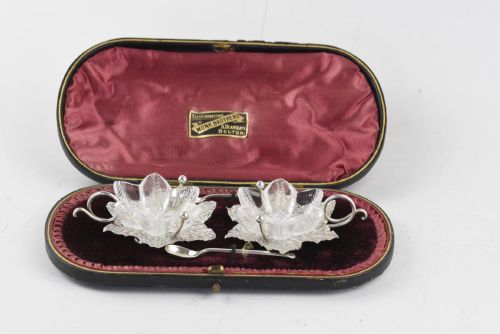
- A small open vessel or enclosed pot used to hold salt for individual diners. Examples often feature blue glass liners and rest on miniature feet.
- Fiddle pattern
- A traditional silhouette for spoons and forks characterised by a widening, squared-off terminal that resembles the shape of a fiddle. It remains common on Victorian flatware.
Victorian Tableware: Frequently Asked Questions
How were salt cellars used?
Salt cellars sat on the dining table to hold salt for individual guests before salt shakers became common.
Dinners used small spoons or fingers to take salt from open vessels fitted with glass liners.
What is a biscuit box?
A biscuit box served dry biscuits or crackers during afternoon tea or after dinner.
Locking or folding mechanisms kept the contents fresh and secure on the sideboard.
How do I date silver tableware?
Silver pieces carry hallmarks that indicate the assay office, standard of metal, and year of manufacture.
Date letters change annually according to the governing goldsmiths' company codes.
What is majolica tableware?
Majolica is moulded earthenware decorated with colourful lead glazes fired at high temperatures.
Potteries utilised this technique for naturalistic game pie dishes and dessert services.
How should I clean silver plate?
Silver plate requires gentle washing with mild soap and warm water using a soft cloth.
Abrasive cleaners strip the thin silver layer over the base metal base.