


Victorian Breakfast Rack
A Victorian breakfast rack brings proper morning order to the table, holding dry toast upright so the crispness remains intact.
Victorian Breakfast Rack
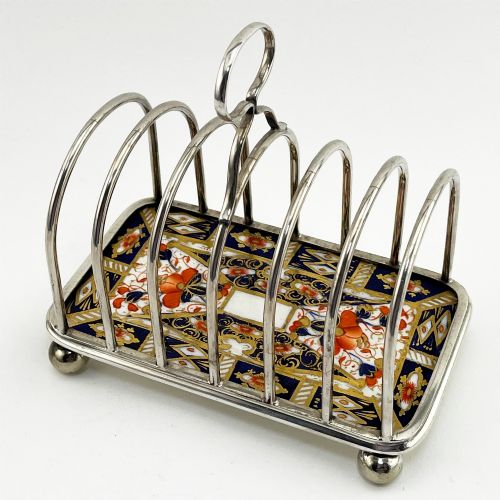
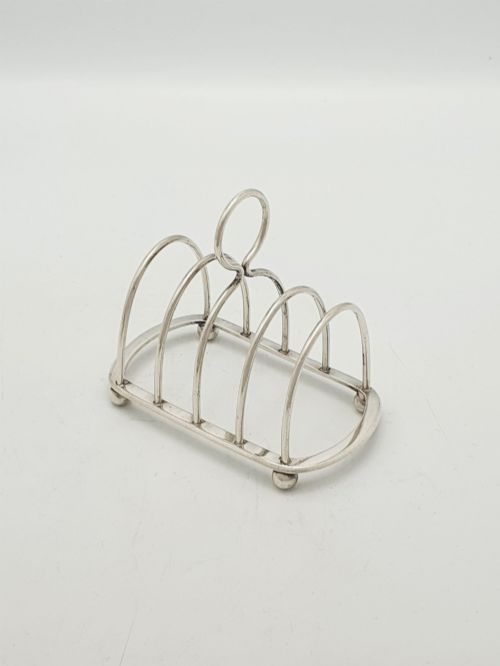
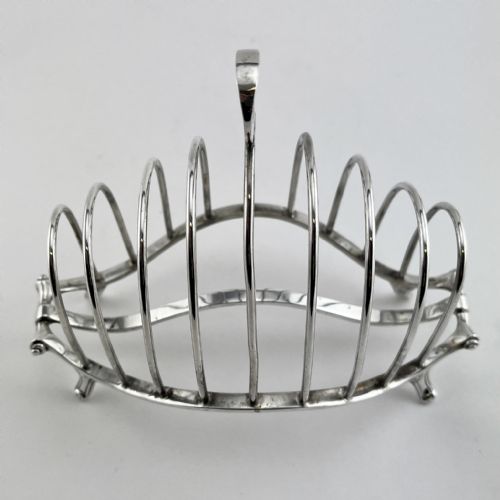
A Victorian breakfast rack is a purpose-built tabletop holder designed to keep pieces of toast separated and cool before eating. You will most frequently encounter silver-plated examples from the nineteenth century, alongside sterling silver pieces and occasional combinations with porcelain, oak, or egg cruet sets.
The form spans straightforward wirework frames to elaborate novelties and fitted serverware. Makers produced simple trefoil shapes, standard architectural toast racks, and inventive novelty designs depicting wagons or caravans.
While the majority of pieces date from the Victorian era and the surrounding decades of the late nineteenth and early 1900s, earlier Georgian examples and Edwardian adaptations also appear. These items range from small domestic table accessories to more complex multi-piece breakfast sets that incorporate compartments for eggs.
Materials and construction
Silversmiths and manufacturers utilised sterling silver and various forms of silver plating, including electroplated nickel silver over a base metal foundation. Metal wire and plate were shaped and soldered to form the individual dividers and supporting frames.
Mixed media pieces integrate organic and ceramic elements into the metalwork. Selected designs combine silver plate with oak bases or incorporate Davenport china components alongside the metal framework.
Listings feature periods from the Georgian era through the Victorian period, 1850, 1880, 1890, 1900, and the Edwardian era.
Assessing quality and execution
Quality rests in the precision of the metalwork and the integrity of the designated materials, whether solid sterling silver or substantial silver plate. Superior pieces exhibit clean soldering, well-balanced frames, and crisp detailing that remains sharp across every divider.
Design ambition separates standard domestic items from exceptional production. Novelty forms, marked pieces by notable makers such as Elkington or Christopher Dresser for Hukin & Heath, and integrated sets combining toast racks with egg cruets represent the more thoughtful end of the range.
Elkington·Hukin & Heath
The Victorian Breakfast Rack Glossary
- Silver plate
- A thin layer of silver fused or electroplated onto a base metal core such as nickel silver. This technique allowed manufacturers to produce domestic metalware with the appearance of solid silver at a lower cost.
- Sterling silver
- A silver alloy containing a high proportion of pure silver by weight, standard for quality British tableware. Pieces in sterling typically bear hallmarks indicating the assay office and year of production.
- Electroplated nickel silver
- A common base alloy of copper, nickel, and zinc coated with a layer of silver using an electrical process. It provided a durable foundation for nineteenth-century serving pieces.
- Egg cruet set
- A fitted tabletop serving assembly that combines a toast rack with cups for soft-boiled eggs and dedicated condiment spaces. These multifunctional pieces often integrated silver plate with wooden bases like oak.
- Novelty toast rack
- A toast rack fashioned into a playful or pictorial shape, such as a wagon or caravan. These figural pieces reflect the Victorian appetite for imaginative domestic silver.
Victorian Breakfast Rack: Frequently Asked Questions
What is a Victorian breakfast rack used for?
A Victorian breakfast rack holds slices of toast vertically on the dining table. The open design allows air to circulate around the bread so the toast stays crisp rather than steaming against itself.
Beyond simple toast holding, more complex versions double as egg cruets. These fitted servers combine the rack with egg cups and condiment holders for a complete morning service.
How do I date a breakfast rack?
Dating relies primarily on hallmarks found on sterling silver pieces, which indicate the assay office, standard, and specific year of production. Silver-plated examples require stylistic clues, such as the registration date of the design or the aesthetic movement influences.
The listings on this page span the Georgian period through the Victorian era into Edwardian times and 1900. Structural details and maker marks help narrow the specific decade of manufacture.
What is the difference between silver plate and sterling silver?
Sterling silver is a solid precious metal alloy composed mostly of silver throughout the entire piece. It carries official hallmarks guaranteeing the metal standard.
Silver plate consists of a base metal core, such as nickel silver, coated with a thin layer of silver. Many nineteenth-century breakfast racks utilised plating to achieve a bright finish affordably.
How do I care for a silver breakfast rack?
Silver and silver-plated items require gentle cleaning with appropriate silver polish to remove natural tarnish without abrading the surface. Hand washing in warm, soapy water is necessary, followed by immediate drying with a soft cloth.
Storing the rack in a dry environment helps slow down tarnishing. Pieces containing wood or ceramic elements, such as oak bases or Davenport china, need care to keep moisture away from the joints.