



Victorian Table Timepiece
A Victorian table timepiece sits on the desk or mantel, bringing precision engineering and domestic elegance together.
Victorian Table Timepiece
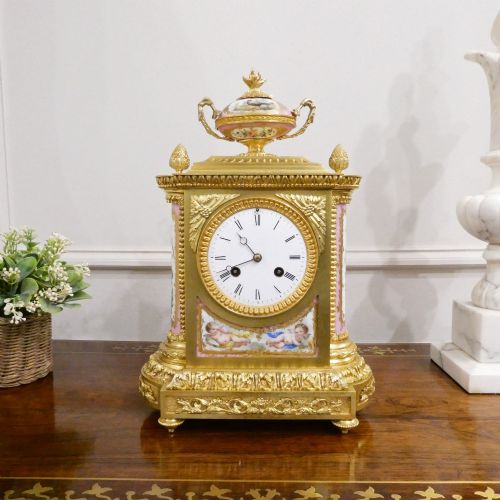
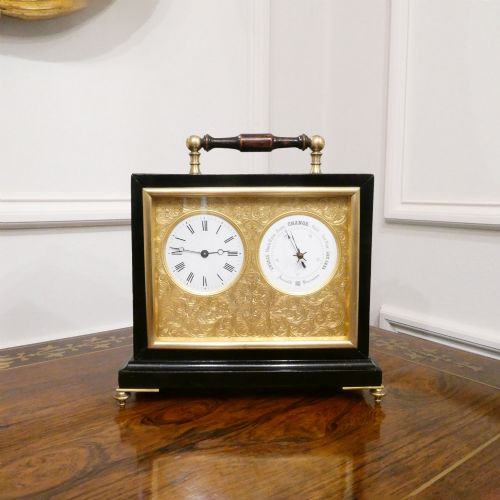
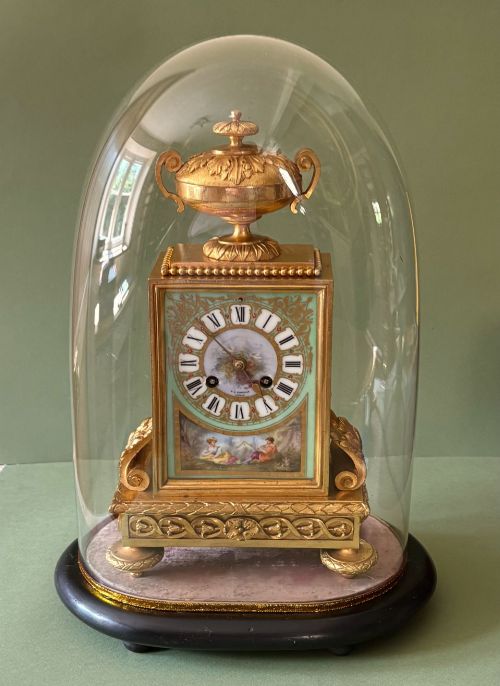
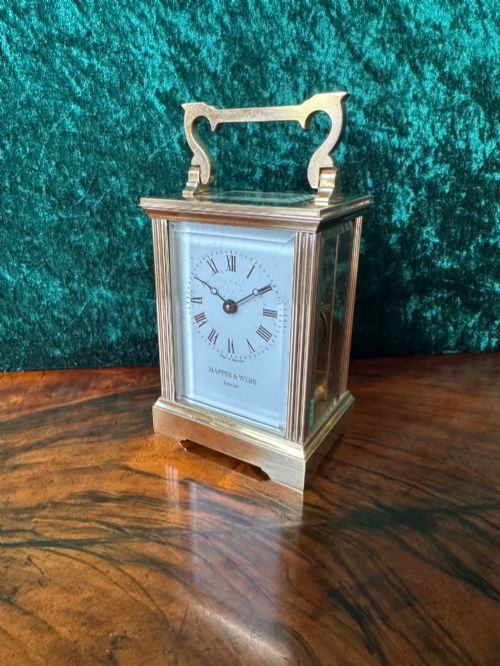
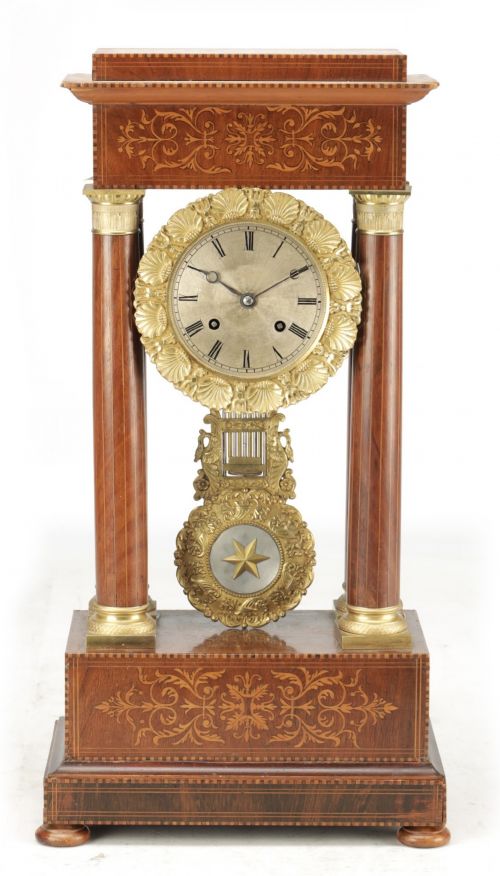
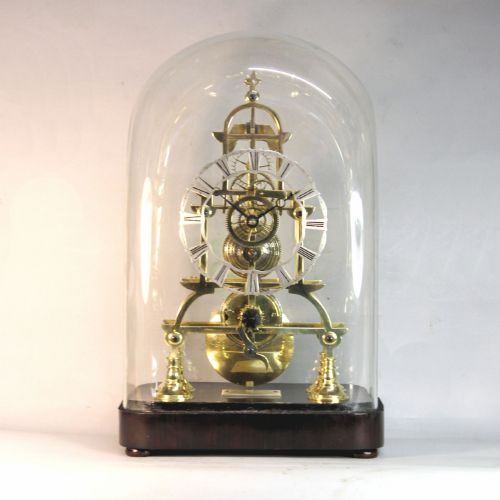
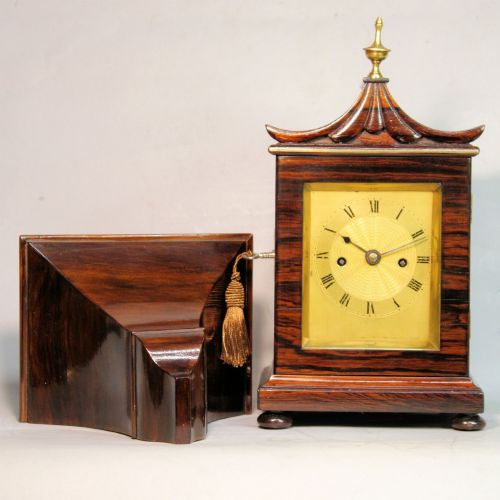
A Victorian table timepiece is a compact clock designed for placement on desks, mantels, or brackets rather than standing on the floor. When searching for a Victorian table timepiece, buyers encounter a diverse range of forms including carriage clocks, skeleton clocks, bracket clocks, and portico clocks. These pieces span the nineteenth century, with significant representation from the eighteen-eighties and eighteen-seventies alongside Edwardian examples.
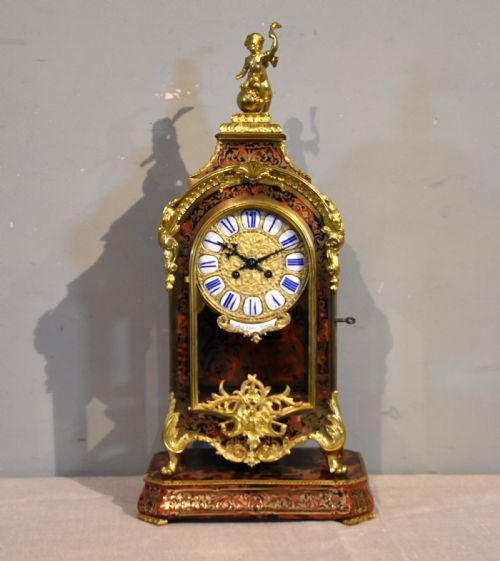
French and English workshops dominate the selection, producing both miniature designs and substantial marble or mahogany pieces. Mantel clocks and carriage clocks appear frequently, often featuring glass panels that reveal internal movements. The style encompasses straightforward brass travel designs as well as elaborate Rococo and Louis XVI revival cases.
Materials and Construction
Maker construction relies heavily on brass, gilt bronze, and ormolu combined with glass panels, enamel dials, and marble or wooden cases. Mahogany, rosewood, and sienna marble provide stable housings for complex brass gear trains and fusee movements. Enamel paintings and porcelain mounts frequently decorate the exterior surfaces of French and English models alike.
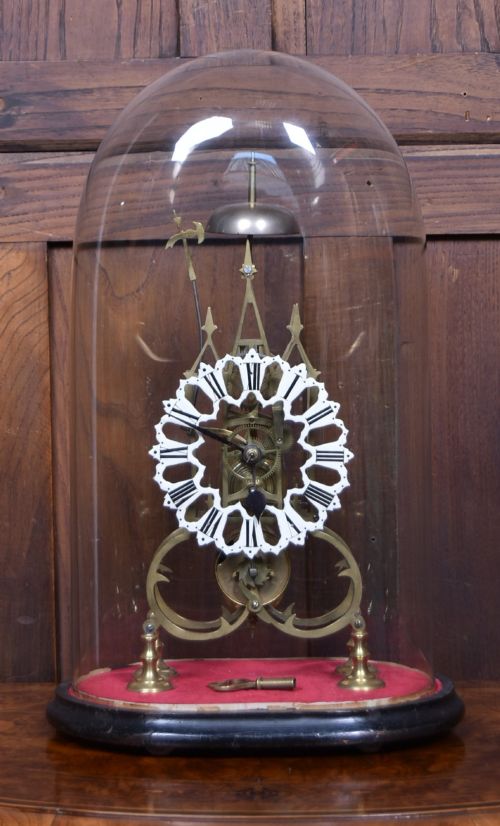
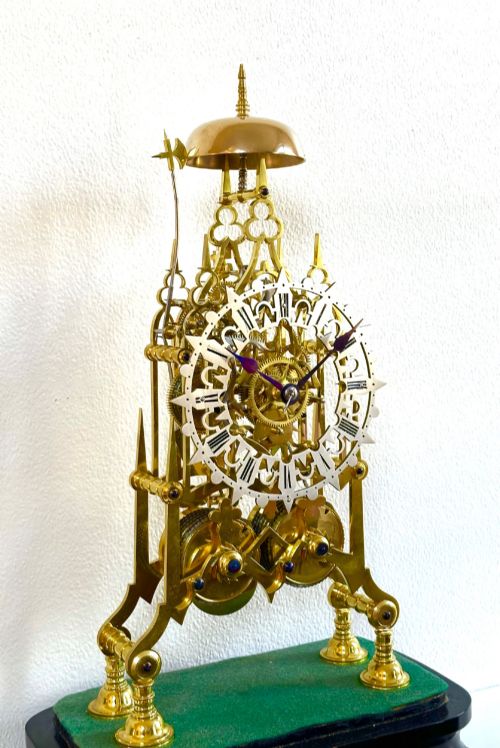
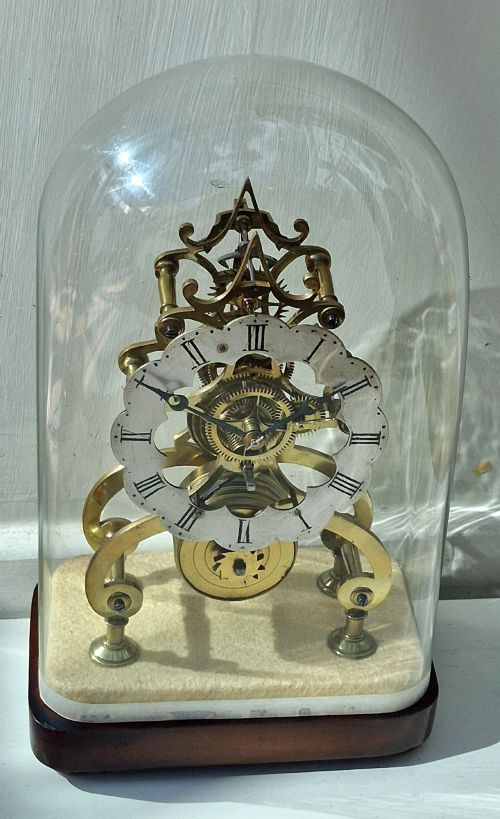
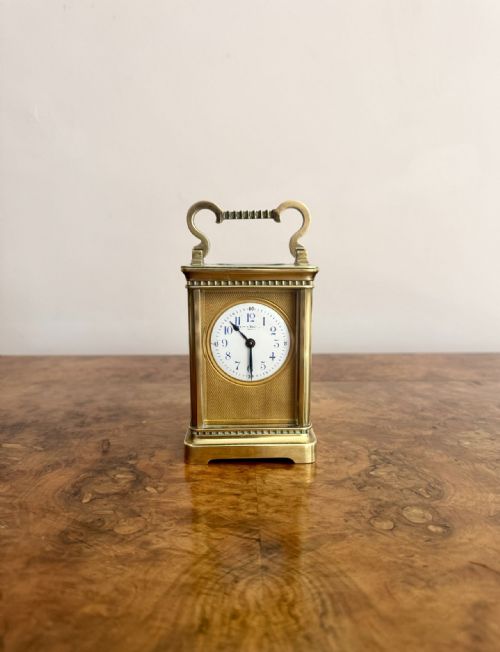
Movements utilise eight-day mechanisms, double fusee systems, and platform escapements to maintain accurate time within compact cases. Engraving and gilding adorn brass and gilt-brass carriage clock frames, while skeleton clocks expose the gear wheels directly to view. Cases incorporate lemon wood inlay, faux tortoiseshell, and bronze figural elements to enhance the visual impact.
Listings feature periods from eighteen-fifty to nineteen-ten, spanning Victorian, Edwardian, and nineteenth-century eras across multiple forms.
Distinctions in Quality
Quality differentiates through the intricacy of the movement and the execution of the exterior case work. Fully engraved brass frames, repeating mechanisms, and perpetual calendars elevate a timepiece above standard production models. The presence of signed maker movements and original leather cases indicates higher workshop standards.
Material selection and decorative depth separate standard items from superior examples. Hand-painted enamel panels, substantial marble bases, and complex double fusee or one-year duration movements distinguish the finest pieces in the range.
Jean-Baptiste Delettrez·Mappin and Web·Richard Winter·Webster Cornhill London·Antoine Redier·Philippes Paris·Bryson Edinburgh·Howell and James London
The Victorian Table Timepiece Glossary
- Timepiece
- A clock that measures and indicates time without striking hours or quarters. These mechanisms focus solely on visual timekeeping.
- Carriage clock
- A small, portable spring-driven clock developed for travel, typically fitted with a carrying handle and glass sides. Many examples originate from French workshops.
- Skeleton clock
- A clock with open plates and bridges that expose the entire wheel train to view. These pieces often sit beneath glass domes to protect the delicate mechanism.
- Fusee
- A conical pulley used in spring-driven clocks to equalise the diminishing power of the mainspring as it unwinds. This mechanism ensures even tension throughout the running period.
Victorian Table Timepiece: Frequently Asked Questions
How do I wind a Victorian table timepiece?
Most models utilise a dedicated winding key inserted into the dial or back plate to tension the mainspring gently. Care must be taken not to overwind the mechanism.
Spring-driven movements require steady, measured turns until resistance is felt, ensuring the clock runs for its intended duration.
Where should I place a carriage clock?
Carriage clocks suit stable horizontal surfaces such as desks, mantelpieces, or dedicated wall brackets away from direct sunlight and draughts. Their compact size allows flexible placement in various rooms.
Level surfaces ensure the escapement operates correctly and the balance wheel maintains an even beat.
What is the difference between a timepiece and a clock?
A timepiece measures time without any striking or chiming mechanism. Clocks include additional gear trains that sound the hours, halves, or quarters.
Many smaller desk and carriage models are strictly timepieces designed for quiet operation.
How do I identify French and English movements?
French movements often feature platform escapements and circular stampings on the back plate, frequently associated with carriage or mantel clocks. English pieces frequently utilise fusee movements housed in mahogany or rosewood cases.
Signature engravings on the dial or back plate typically name the specific maker and city of origin.