



Victorian Gothic Clock
A victorian gothic clock brings structural architectural form and mechanical precision into a room through pointed arches, heavy timber, and exposed brass.
Victorian Gothic Clock
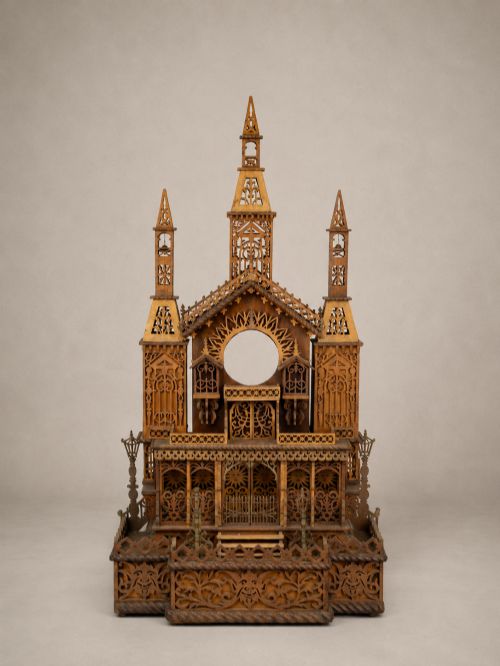
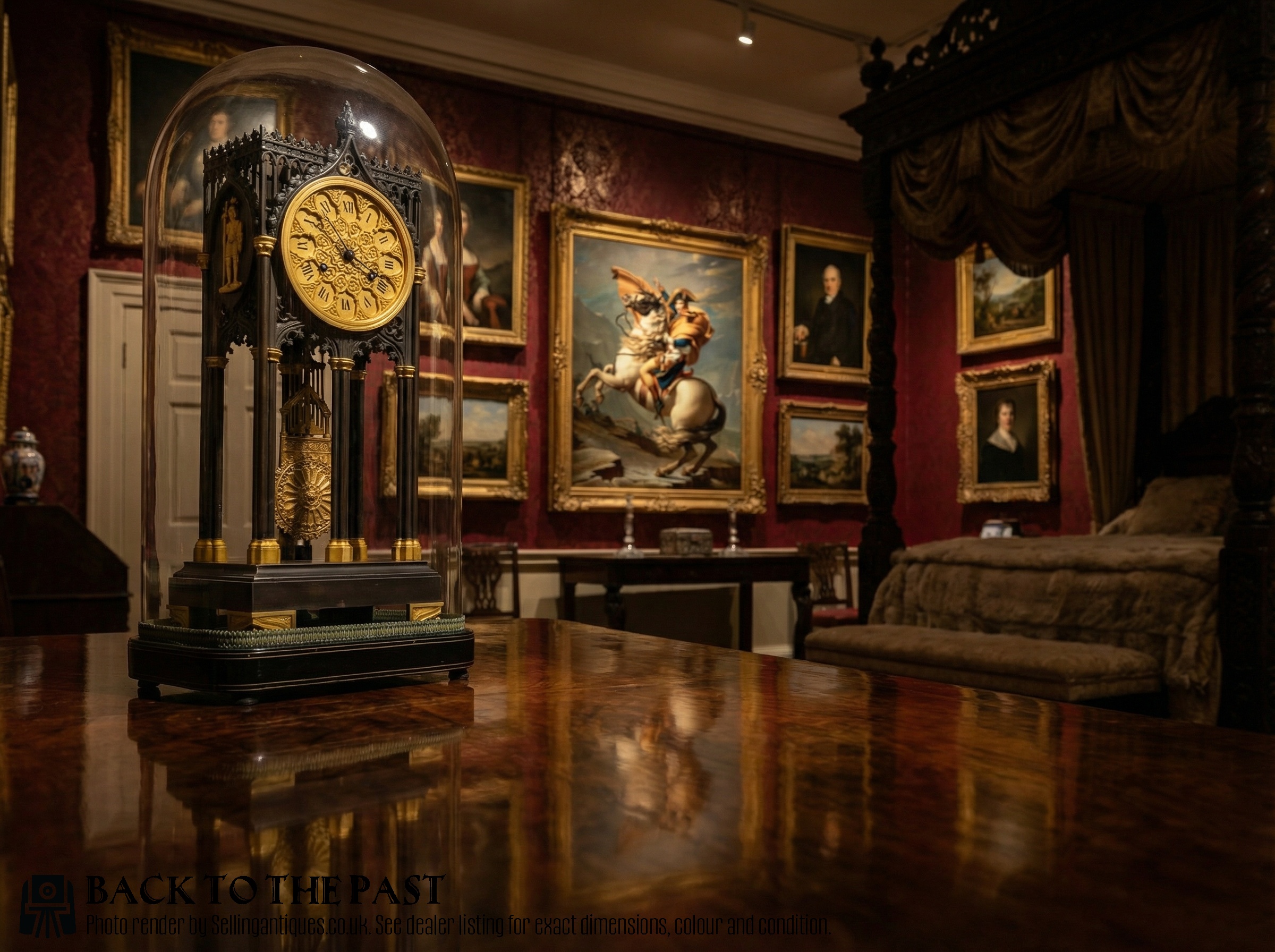
A victorian gothic clock is a timekeeper shaped by the architectural revivals of the nineteenth century, drawing heavily on medieval pointed arches, lancet windows, and ecclesiastical ornamentation. Buyers searching this phrase look for a strong vertical presence, often manifested in mantel clocks, architectural clock cases, and bracket clocks spanning the period from the eighteen-fifties to the end of the century.
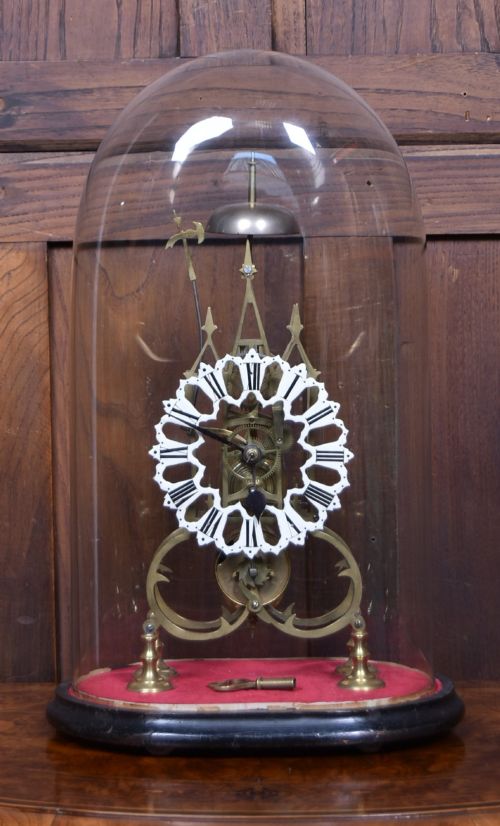
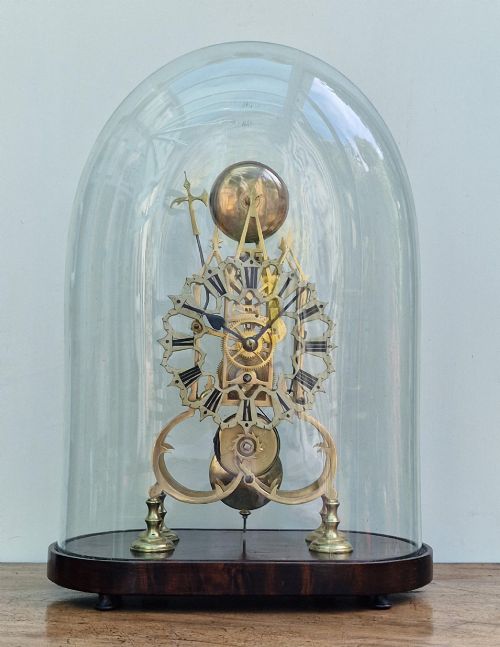
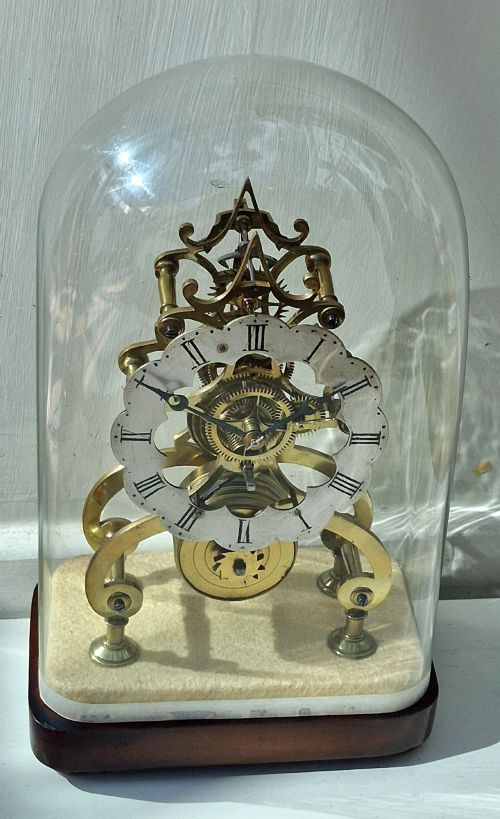
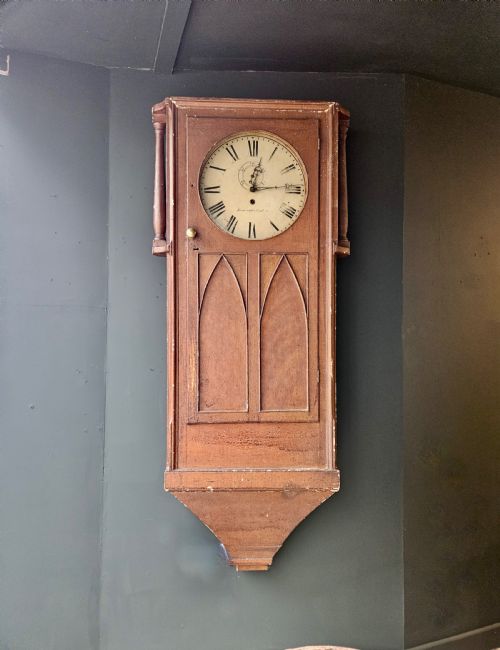
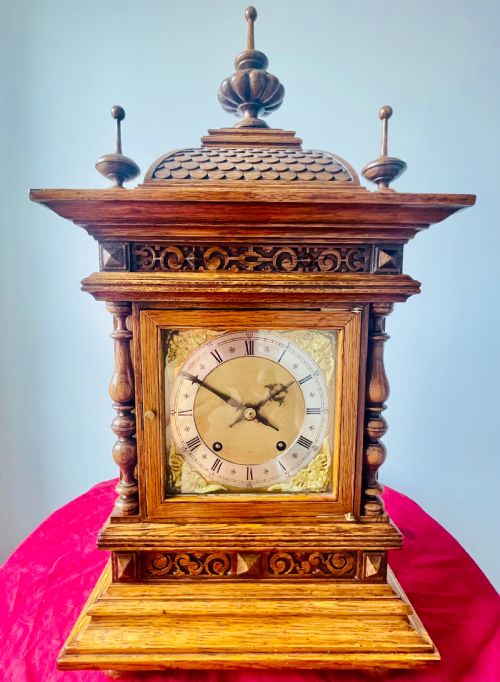
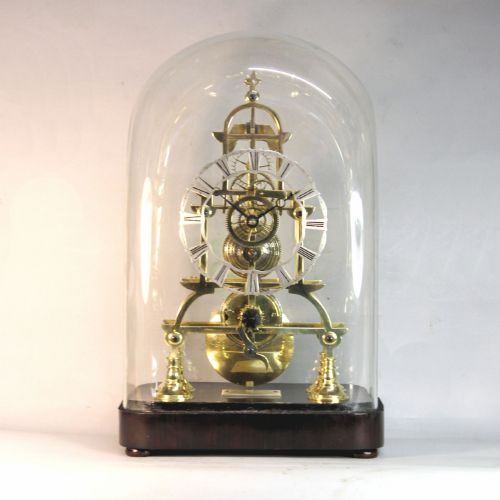
The pieces appearing on this page most frequently take the form of mantel clocks and bracket clocks, alongside wall clocks and occasional skeleton clocks housed beneath glass domes. Materials range from solid oak and mahogany to marble and brass, reflecting the eclectic production methods of nineteenth-century makers working in Victorian Gothic and Gothic Revival styles.
Origins span English workshops, Scottish makers in Edinburgh and Perth, and continental houses such as Winterhalder and Hofmeier in Germany. These timepieces served both a practical domestic function and a decorative purpose, displaying the intricate fretwork and heavy timber framing favored by Victorian interior designers.
Materials and construction
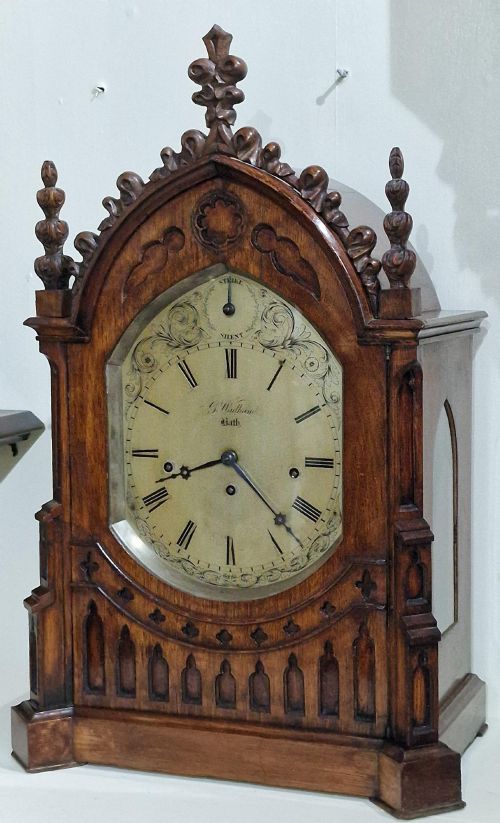
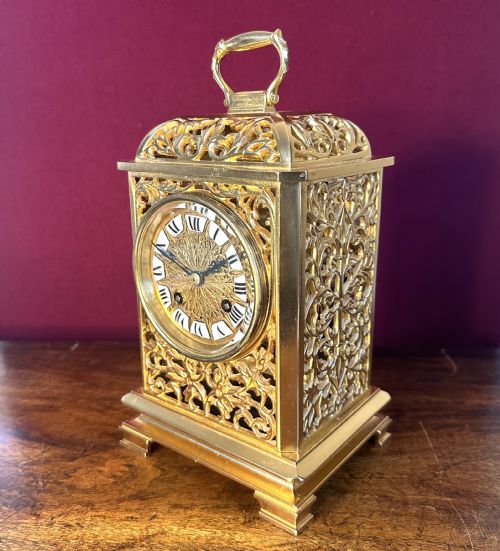
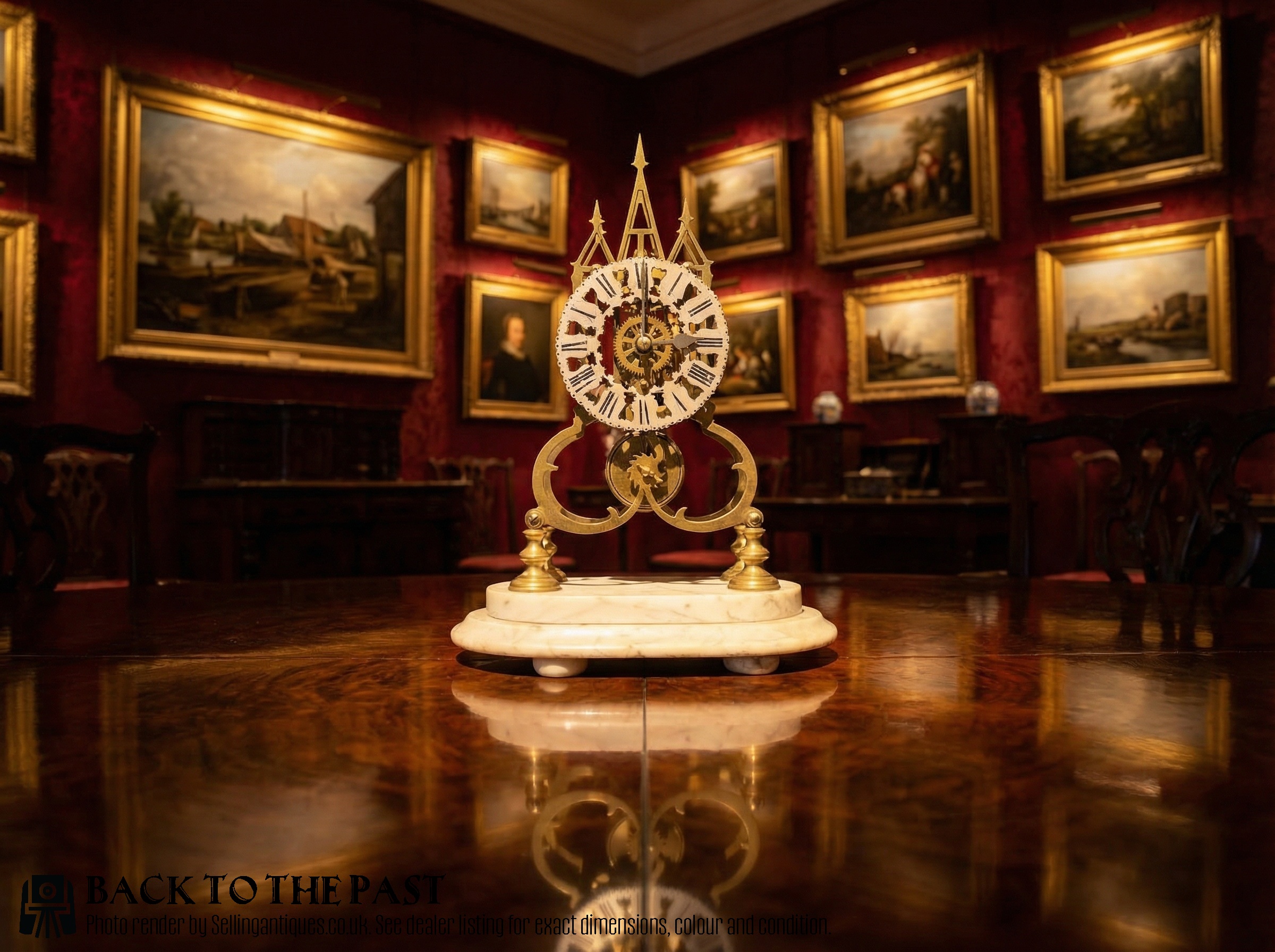
Makers utilised dense timbers such as oak, mahogany, walnut, and rosewood for the structural cases, often hand-carving lancet tops, architectural fretwork, and pointed arches directly into the wood. Brass and bronze formed the mechanical gear trains, skeleton frames, and dial plates, while enamel provided a durable, legible surface for the numerals.
Movements relied on fusee mechanisms, anchor escapements, and pendulum control to maintain accurate timekeeping, frequently incorporating striking trains that sounded on bells or gongs. Many bracket and mantel models were protected by blown glass domes, keeping dust away from the delicate brass and steel components within.
Victorian Gothic Clock Retail Price Guide 2026
Typical asking prices for victorian gothic clock among the pieces listed under this phrase on Sellingantiques today, from the lower quarter to the upper quarter. They describe what is for sale here now, not the wider market.
Periods represented span the Georgian era through the Victorian period, 1850s, 1860s, 1880s, and into the mid-twentieth century.
Judging quality and execution
Quality rests in the crispness of the architectural carving and the precision of the brass work within the movement. Finer examples display deeply undercut timber mouldings, heavy gauge brass plates, and signed backplates that name the maker or retailer, whereas simpler pieces rely on standard commercial cases and mass-produced movements.
The integrity of the original components also determines the standing of a piece, separating clocks that retain their matching pendulum, dial, and fusee movement from those assembled from mixed parts later on.
George Wadham·Winterhalder and Hofmeier·Thwaites of London·Bryson Edinburgh·Edwards of London
The Victorian Gothic Clock Glossary
- Fusee
- A conical pulley used in spring-driven clocks to equalise the torque of the mainspring as it unwinds. This mechanism helps maintain a consistent force on the gear train for better timekeeping accuracy.
- Bracket clock
- A portable clock designed to sit on a bracket, table, or mantelpiece. Many nineteenth-century examples feature heavy wooden or bronze architectural cases.
- Skeleton clock
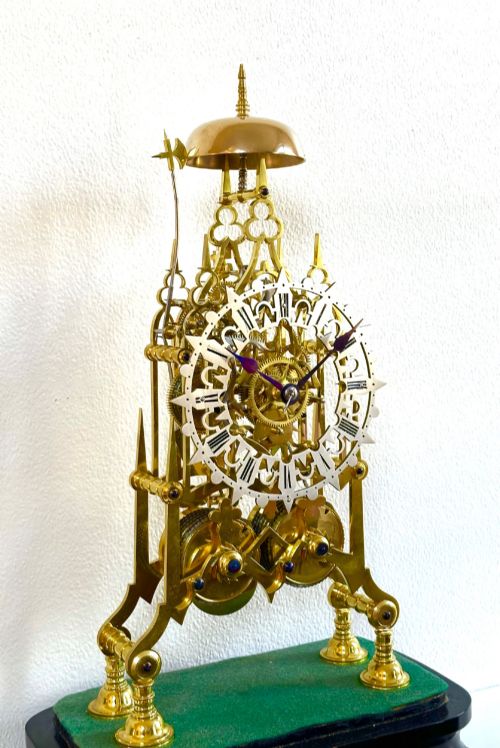
- A clock with an open framework that exposes the wheels, gears, and escapement to view. These pieces are frequently displayed beneath a glass dome.
- Lancet top
- An architectural arch shape resembling a pointed lancet window, commonly seen on the upper case of gothic revival mantel clocks.
- Anchor escapement
- A mechanical linkage that controls the release of the gear train using a rocking anchor and a teeth-cut escape wheel. It provides the regulating tick of the clock.
Victorian Gothic Clock: Frequently Asked Questions
Where should I place a heavy wooden mantel clock?
Position the clock on a stable, level surface away from direct sunlight, central heating vents, and damp exterior walls. Wood and metal expand and contract with temperature shifts.
A sturdy mantelpiece, sideboard, or dedicated clock bracket provides the solid foundation necessary for the pendulum to swing evenly without tilting the case.
Why does my clock gain or lose time?
Pendulum clocks require the regulating nut at the bottom of the pendulum bob to be adjusted up or down to correct the speed. Lowering the bob slows the clock down.
Environmental changes, dust accumulation in the brass gear train, or the need for a professional service can also alter how steadily the escapement releases energy.
What is the glass dome for?
The glass dome protects open-movement skeleton clocks and delicate bracket clocks from dust, airborne grease, and accidental knocks. It preserves the polished brass.
Lifting the dome requires care, using two hands to grip the base of the glass rather than lifting by any decorative finial on top.