



Edwardian Dome Clock
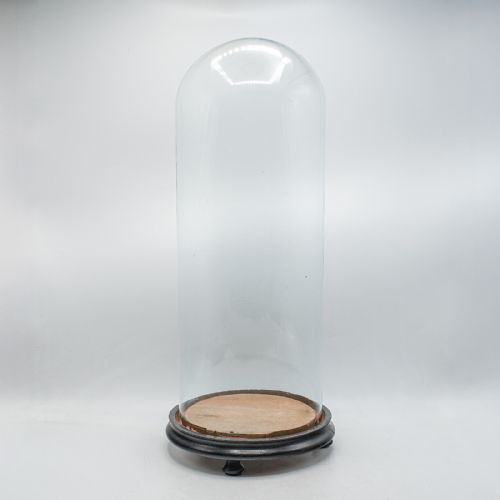
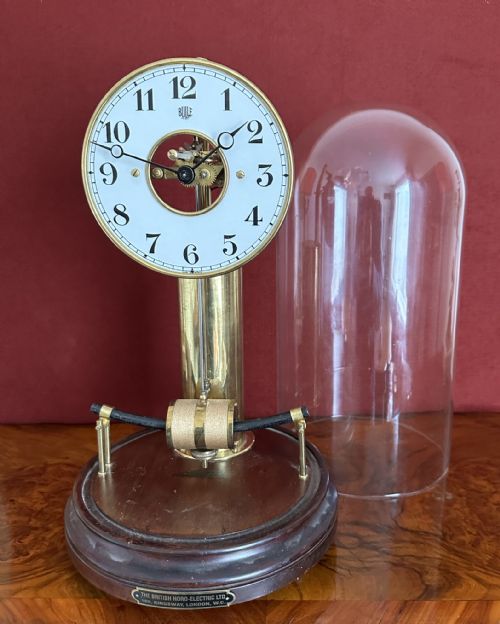
These edwardian dome clock examples combine period timber cases and protective glass covers to keep accurate time while anchoring a mantel.
Edwardian Dome Clock
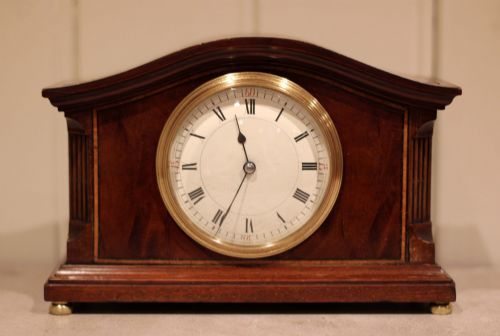
Buyers encounter distinct forms ranging from torsion anniversary clocks and miniature skeleton clocks to inlaid bracket clocks and taxidermy showcases. Mantel examples display arched or dome-shaped wooden cases often decorated with delicate inlay work.
How they were made
Maker workshops utilised solid timber and ebonised wood to construct the cases, frequently incorporating brass fittings and enamel dials. Glass forms a major component, appearing either as transparent display domes or as protective glazing over clock faces.
Craftsmen applied decorative techniques such as wood inlay, notably featuring floral motifs like poppies, alongside brass inlay work on mahogany and oak foundations.
Listings feature items spanning the Victorian and Edwardian periods, constructed from glass, brass, mahogany, oak, and velvet.
What varies in quality
Quality rests in the precision of the case construction, the crispness of the timber inlay, and the clarity of the glass domes. Finer examples display balanced proportions in the arched wooden housing and careful attention to the brass and enamel dial components.
The Edwardian Dome Clock Glossary
- Torsion clock
- A timepiece regulated by a torsion pendulum that rotates back and forth rather than swinging. These often run for long periods between windings.
- Dome top
- A case design featuring a rounded or arched upper section reminiscent of architectural vaults. This silhouette defines many period mantel pieces.
- Skeleton clock
- A timepiece with an open framework showing the movement directly without a solid dial blocking the view. These expose the brass gears and escapement.
- Inlay
- A technique where contrasting materials are inserted into recessed cavities of a wooden base to form patterns. Poppies and geometric lines appear in this manner.
- Bracket clock
- A portable timepiece originally designed to sit on a wall bracket or table. Later versions retain the name while functioning as standard mantel clocks.
Edwardian Dome Clock: Frequently Asked Questions
Where should I place a glass dome?
Glass domes need stable surfaces away from high-traffic areas to prevent accidental knocks. Placing them on heavy mantelpieces or sturdy tables ensures safety.
Keep them out of direct sunlight to protect the objects displayed underneath from fading.
How do I clean mahogany cases?
Dust mahogany and oak surfaces regularly with a soft dry cloth. Avoid harsh chemical polishes that can degrade the historic finish.
Apply high-quality beeswax sparingly when the wood appears dry, buffing it gently to maintain the sheen.
What is an anniversary clock?
Anniversary clocks are torsion timepieces designed to run for a full year on a single winding. They earned their name because owners traditionally wound them once a year on an anniversary.
These clocks feature prominent glass domes to protect the slow-rotating pendulum from air currents.