
Victorian Table Lights
Victorian table lights illuminate rooms through brass columns, glass shades, and silver-plated forms produced during the nineteenth century.
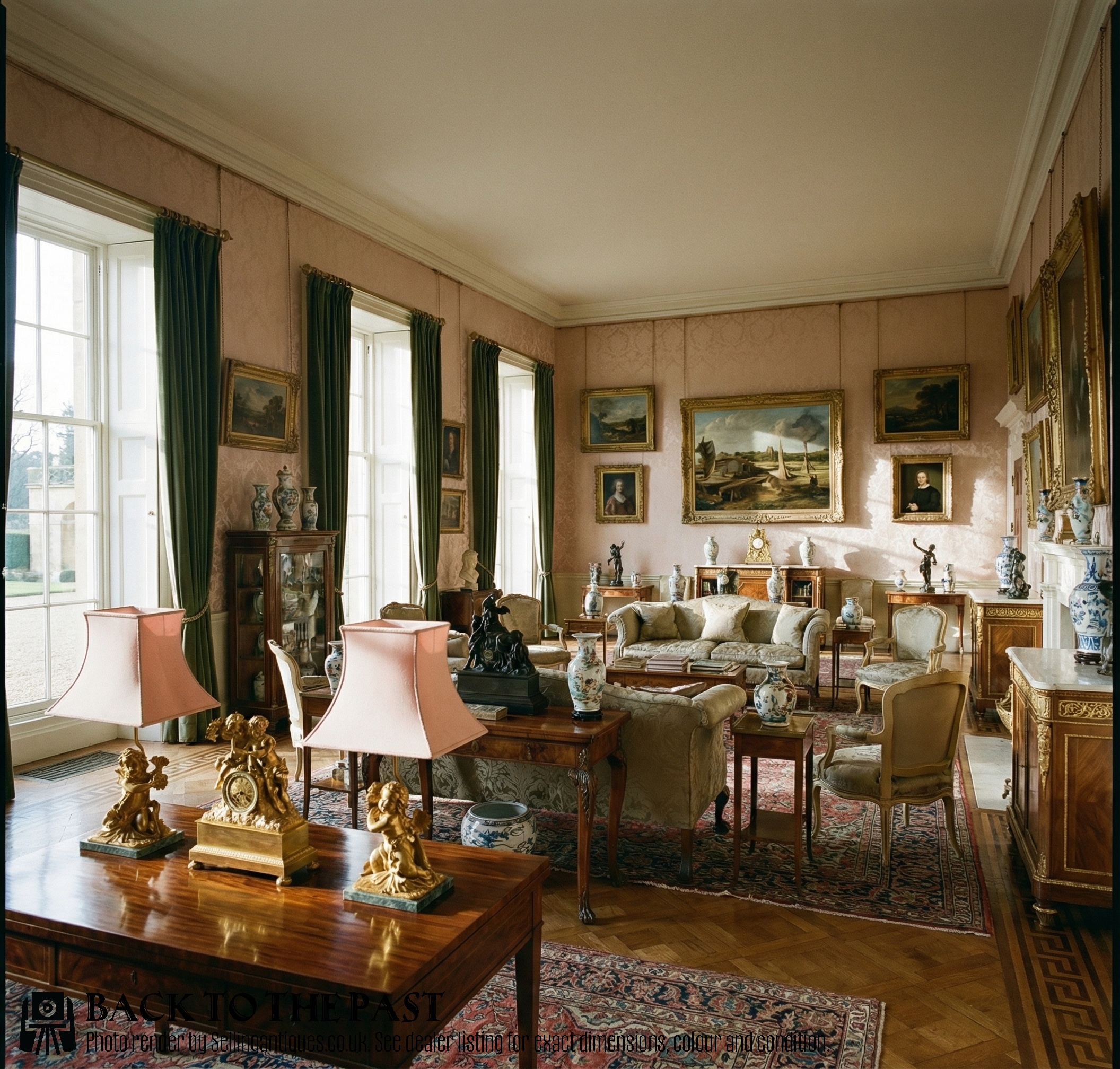
Victorian Table Lights
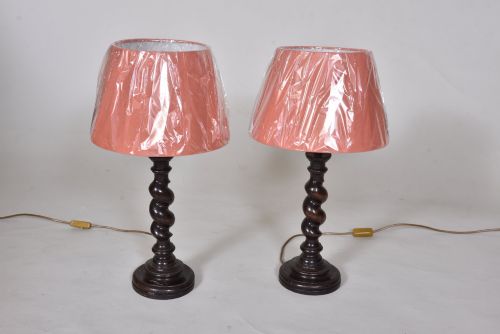
When searching for victorian table lights, collectors encounter oil lamps, candlesticks, and electrified lamp bases designed to sit on furniture. These pieces span the nineteenth century and the early twentieth century, incorporating revival styles like Gothic, Neoclassical, and Rococo.
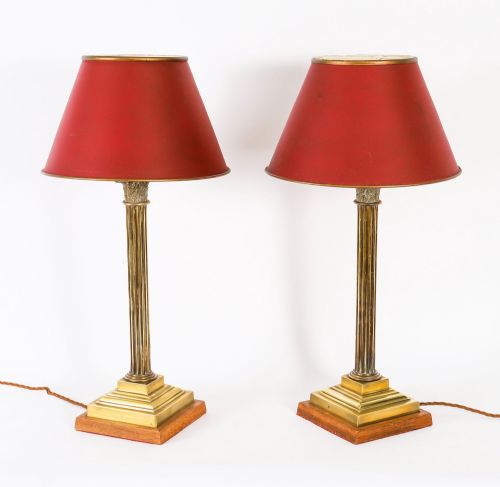
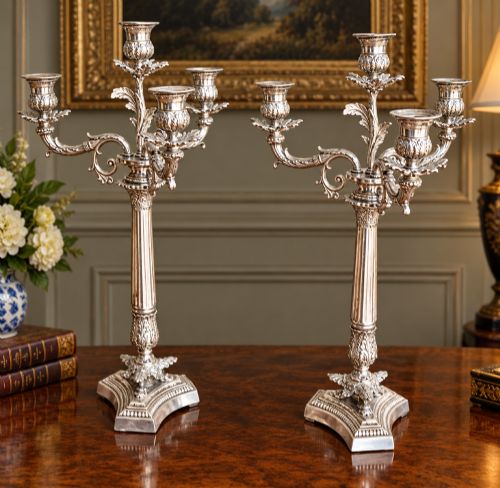
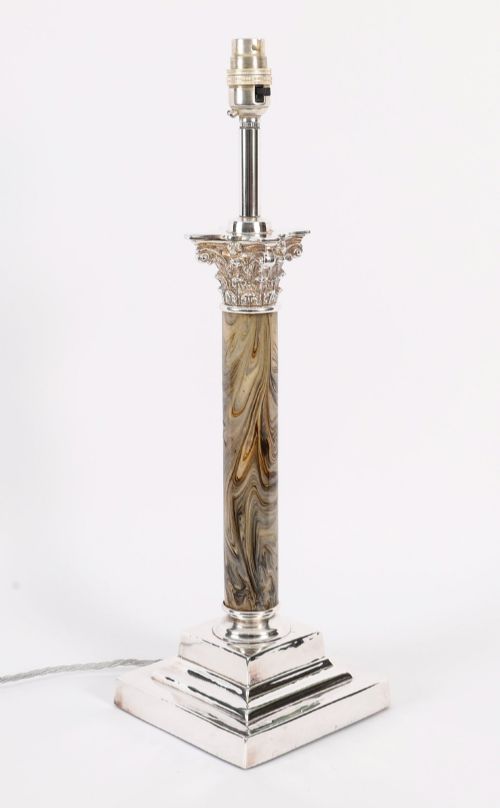
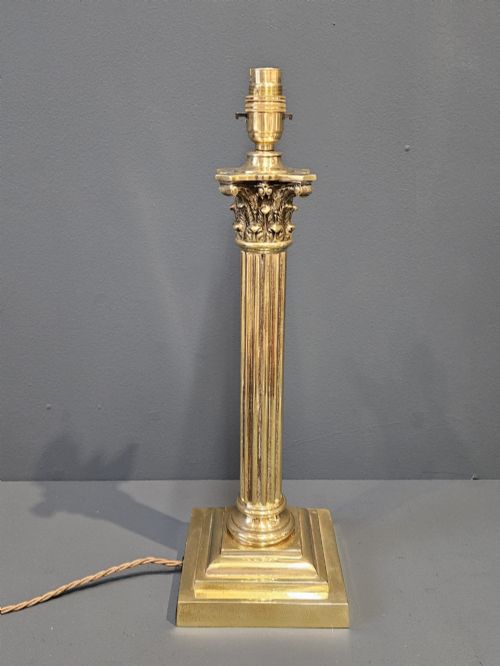
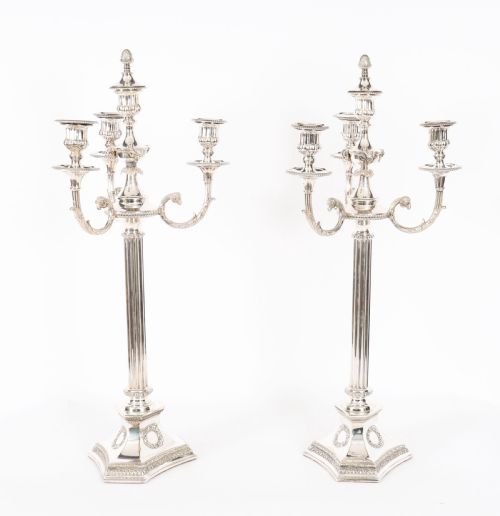
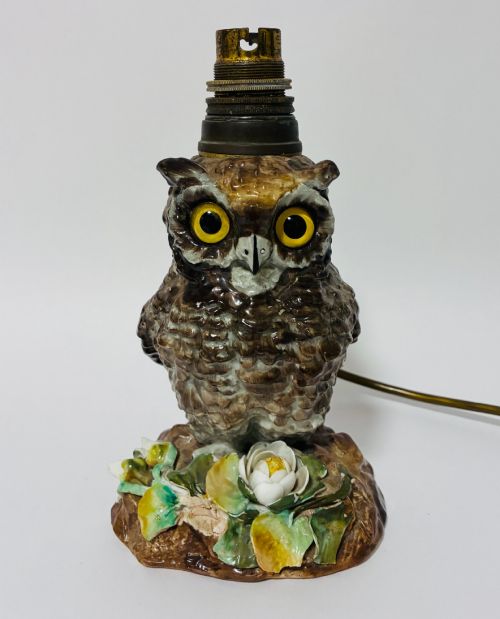
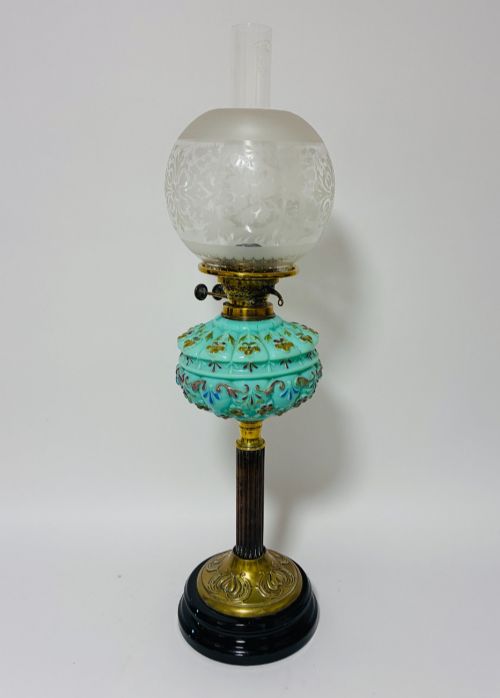
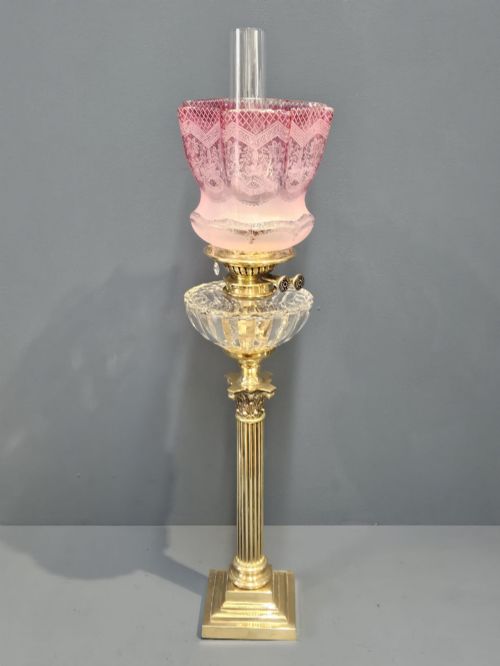
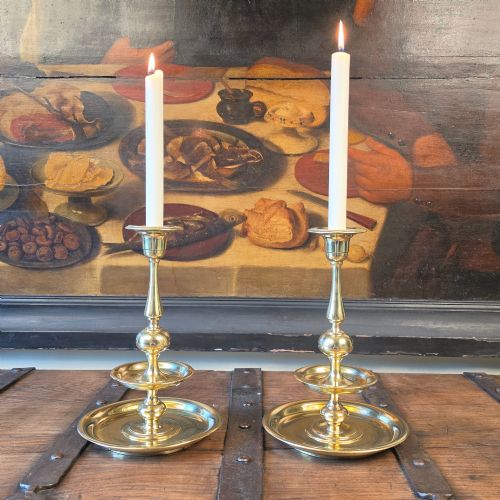
Brass Corinthian column table lamps and silver-plated candlesticks appear frequently among the listings, often accompanied by glass shades in cranberry or opaline tones. The selection also includes ceramic owl bases, porcelain designs with gilt bronze trim, and adjustable reading lamps.
Makers such as Mappin and Webb and W.A.S. Benson contributed metalwork items to this period, whilst various workshops produced oak lamp bases and ormolu pieces. Buyers find both single lights and matched pairs suited to domestic illumination.
Materials and Techniques
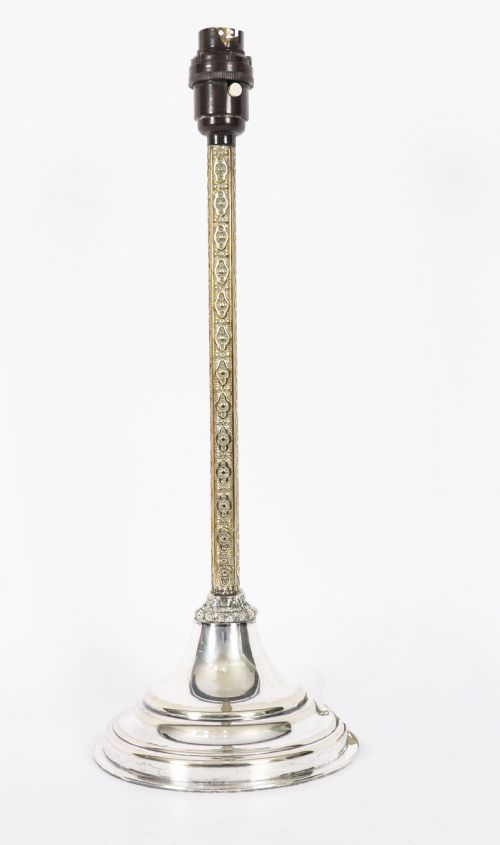
Metals form the structural core of these items, utilising cast brass, silver plate, gilt bronze, and sterling silver shaped into columns, reeded stems, and hexagonal baluster forms. Makers employed fine casting and plating techniques to achieve durable finishes on structural hardware.
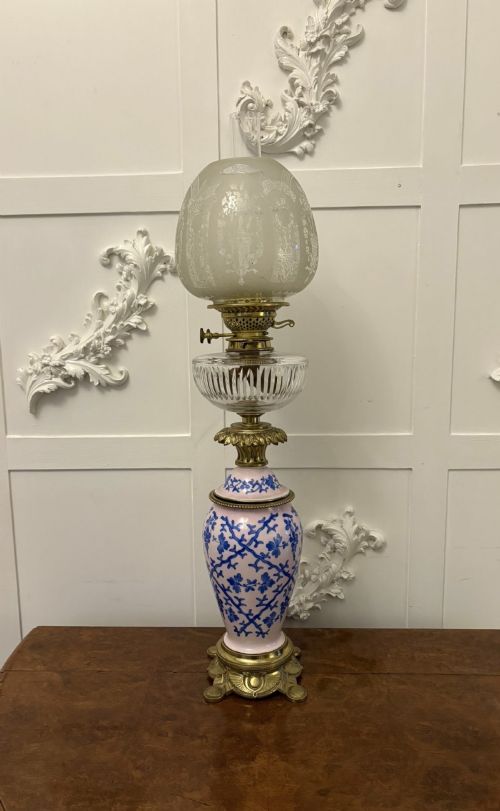
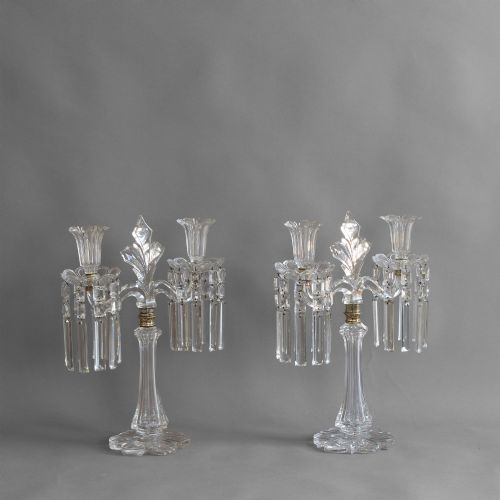
Glass and ceramics provide the decorative and functional components, featuring cut crystal, vaseline glass, and porcelain bodies paired with fabric elements. Oil lamp reservoirs and shades utilise coloured and painted glass to diffuse light effectively.
An architectural ceramic owl watches silently from the base of a nineteenth-century lamp.
Judging Quality
The refinement of the casting in brass or bronze separates standard production items from finer examples, visible in the crispness of Corinthian capitals and column fluting. Heavier gauge metalwork and robust silver plating indicate superior original manufacture.
The integrity of paired components determines desirability, particularly when matched sets retain original glass shades and burner mechanisms without later replacement parts.
Mappin and Webb·W.A.S. Benson
The Victorian Table Lights Glossary
- Corinthian column
- A classical architectural column style featuring ornate acanthus leaves on the capital, frequently utilised for nineteenth-century metal lamp bases.
- Vaseline glass
- A type of glass containing uranium dioxide that exhibits a distinctive yellow-green fluorescence under ultraviolet light.
- Opaline glass
- An opaque, pale glass used for lamp shades to soften and diffuse light efficiently.
- Candelabra
- A branched candlestick holding multiple candles or light fittings, seen in silver-plated and brass configurations.
- Ormolu
- Gilt bronze ornamentation applied to furniture and lighting bases, popular in decorative arts.
Victorian Table Lights: Frequently Asked Questions
What fuels did original victorian table lights use?
Many nineteenth-century lighting pieces operated on paraffin or other oils stored in glass or metal reservoirs beneath burners. Others functioned simply as candleholders before later conversion to electricity.
Fittings and burners often bear patents or maker marks that indicate their original fuel system and operational mechanics.
How do I identify a Victorian lamp?
Indicators include period manufacturing techniques like heavy brass casting, hand-cut crystal, and traditional hallmarks on silver elements. Styles frequently draw upon Gothic or Neoclassical revivals popular during the reign.
Date ranges typically span the nineteenth century up to the Edwardian era, matching the periods recorded in the material evidence.
Are glass shades original to the bases?
Shades in cranberry, vaseline, or opaline glass frequently accompany period metal bases, though collectors check for precise fit and matching wear patterns. Replacement shades remain common due to the fragile nature of nineteenth-century glassware.
Examining the fitter rim helps determine if the shade matches the gallery size of the burner or holder.
How should I clean antique brass lights?
Dusting with a dry, soft cloth preserves the aged patina that collectors value on nineteenth-century metalwork. Abrasive polishes should be avoided because they strip original surface characteristics and finishes.
Checking connections and wiring is recommended if the piece has been converted for modern electrical use.