


Victorian Style Metal Bed
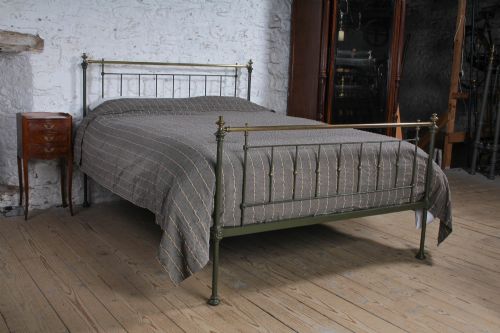
A victorian style metal bed brings sturdy iron, warm brass, and classic French shaping directly into a bedroom.
Victorian Style Metal Bed
A victorian style metal bed combines the heavy presence of nineteenth-century frames with familiar styles like French Provincial and Victorian Art Nouveau. The listings feature full-size, king, super king, and single beds built from robust metal structures.
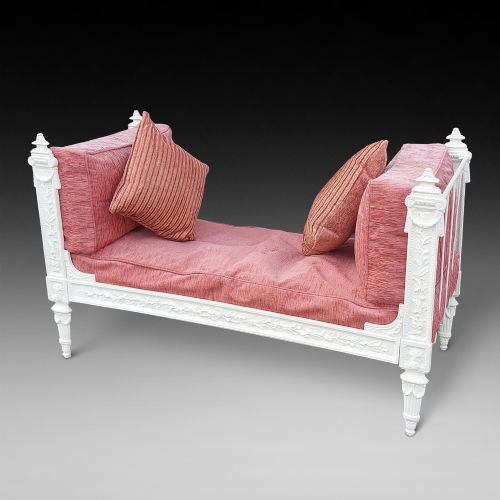
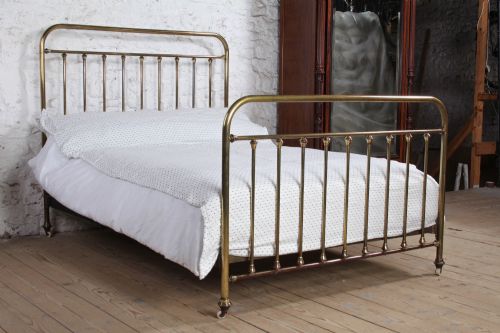
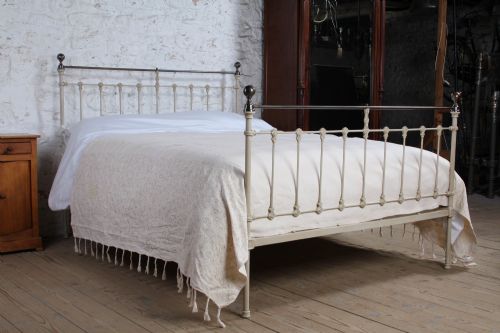
Most examples merge cast iron or wrought iron with gleaming brass details, though all-brass frames and painted metal versions also appear. Buyers encounter various formats, including daybeds, four poster beds, half tester beds, and hospital style frames.
Many of these iron and brass beds originate from the late nineteenth century, spanning periods from the 1880s through to 1910. They range from simple single platforms to grand king sizes with ribbon reed details and Celtic motifs.
What varies in quality
The distinction between standard examples and superior pieces rests on the complexity of the brass detailing and the crispness of the iron shaping. Elaborate ribbon reeds, Celtic styling, and art nouveau curves demonstrate greater artisan effort than plain utilitarian frames.
Proportion and scale also define the upper tier of these metal beds, especially in grander king and super king sizes. The refinement of the cast joints and the depth of the applied paint or polished brass surfaces dictate the overall visual weight.
Current listings demonstrate a strong presence of cast iron and brass materials spanning from the 1880s through to 1910.
The Victorian Style Metal Bed Glossary
- Cast iron
- A strong, heavy material poured into moulds to create rigid bed frames with decorative Victorian patterns. This metal forms the solid backbone of many nineteenth-century sleeping quarters.
- Brass
- A copper and zinc alloy used for bright finials, rails, and decorative mountings on iron beds. It adds a warm metallic contrast to dark painted ironwork.
- Daybed
- A versatile piece of furniture functioning as both a seat by day and a bed by night. These iron frames often feature raised backs and open ends suitable for sitting.
- Half tester
- A bed featuring a canopy extending only partway over the head of the mattress rather than covering the full length. This style provides a dramatic focal point without overwhelming smaller rooms.
- Platform bed
- A low-profile frame designed to support a mattress directly without traditional deep springs. They offer a streamlined silhouette compared to towering four-poster designs.
Victorian Style Metal Bed: Frequently Asked Questions
How do I fit a modern mattress?
Many nineteenth-century frames utilise non-standard dimensions or older sizing conventions that differ from contemporary mattress measurements. Careful measuring of the internal width and length ensures a proper drop-in fit.
Modern bed bases or custom slats often need to be introduced to support contemporary mattresses safely within antique iron side rails.
Are these beds easy to dismantle?
Most iron and brass bedsteads utilise wedge-lock joints or side-rail bolts that allow the headboard, footboard, and side rails to separate completely. This modular construction made transport straightforward during the Victorian era.
Reassembling them typically requires only a soft mallet to tap the tapered iron wedges securely into their corresponding slots.
Can I paint an iron bed?
Original painted surfaces on Victorian metal frames carry historic patination that many collectors prefer to preserve. Stripping and repainting remain possible if the current finish does not suit your interior scheme.
Proper metal primers and durable enamel paints ensure a smooth, lasting coat when updating black, cream, or charcoal ironwork.
How do I clean brass details?
Polished brass components accumulate tarnish over decades of exposure to air and handling. Gentle cleaning with a dedicated metal polish restores the bright golden lustre without scratching the underlying alloy.
Avoiding abrasive pads protects the delicate junctions where brass tubing meets cast iron framing elements.