


Black Metal Double Bedstead
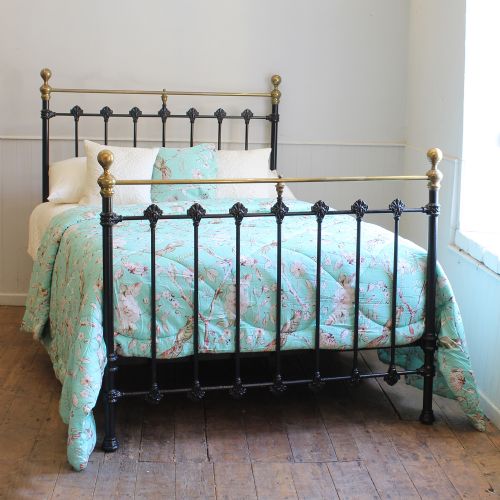
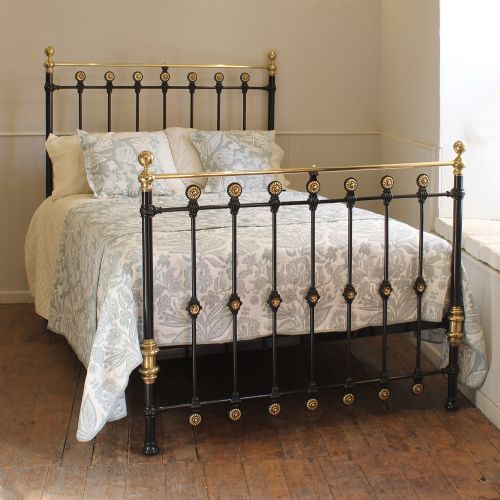
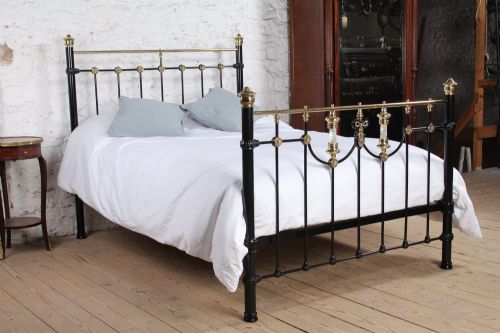
These black metal double bedstead examples offer solid iron frames and brass mounts that anchor a traditional bedroom with historic character.
Black Metal Double Bedstead
A black metal double bedstead brings industrial weight and Victorian presence to a sleeping space. Buyers search this phrase to find sturdy iron frameworks finished in dark paint, often paired with contrasting metal details.
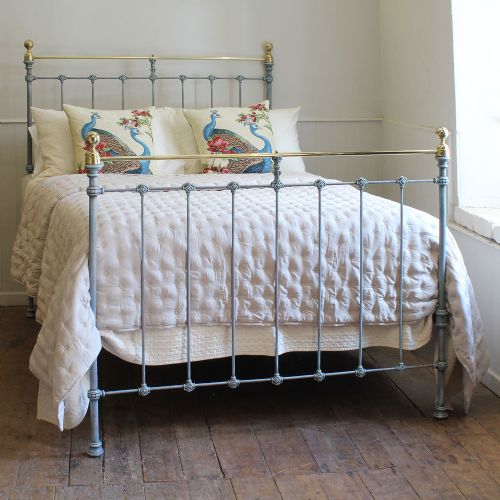
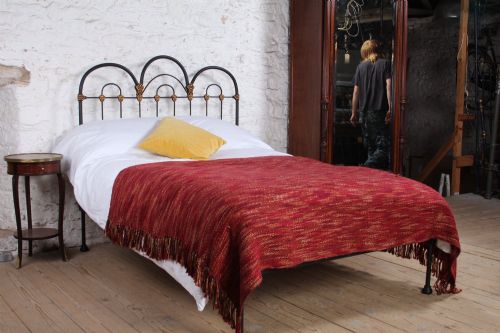
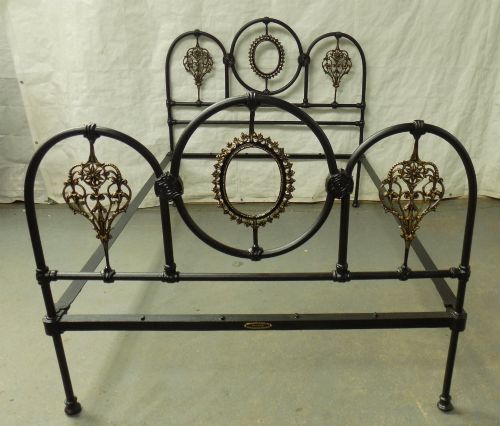
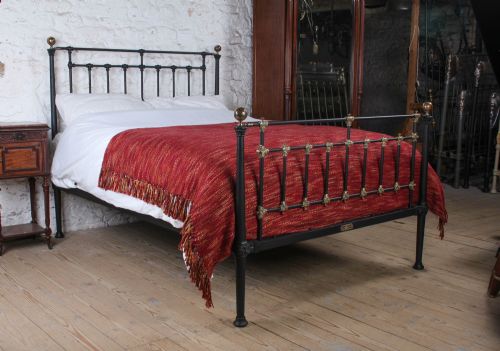
The pieces listed here date from the Victorian and Edwardian eras, spanning the latter half of the nineteenth century into the early twentieth century. Examples include ornate curly designs, straight rail configurations, and French country styles.
Most items on this page utilise cast iron and wrought iron, frequently accented with brass components and occasionally mother of pearl inlays. Sizes range from standard double beds to larger formats, offering robust sleeping platforms.
How they were made
Foundries cast iron into sturdy structural members and decorative headboard components, utilising moulds that created repeating patterns and elaborate scrolls. Skilled workers joined these heavy metal sections using mechanical fasteners and specialised joints.
Brass elements such as top rails, knobs, and tapered posts add metallic contrast to the dark iron structure. Artisans polished these brass sections to a bright finish that complemented the painted black surfaces of the main frame.
Listings feature periods spanning from the 1860s Victorian era through to Edwardian pieces from 1910, constructed in cast iron, wrought iron, and brass.
What varies in quality
The sophistication of the ironwork dictates much of the visual appeal, ranging from simple straight rail constructions to highly ornate, curly Victorian castings. Better examples display crisp detailing in the scrollwork and well-proportioned brass mounts.
Makers such as Maple & Co. and Winfield produced pieces where the integration of brass and iron demonstrates superior design and structural balance. The presence of original decorative elements like mother of pearl inlays also elevates a piece above standard utility items.
Maple and Co·Winfield
The Black Metal Double Bedstead Glossary
- Bedstead
- The complete framework of a bed, including the headboard, footboard, and side rails. This term historically distinguishes the structural support from the mattress and bedding.
- Cast iron
- Iron melted and poured into a mould to form complex shapes and decorative patterns. It provides the heavy, rigid structure essential for nineteenth-century bed frames.
- Wrought iron
- Iron beaten or bent into shape by hand, known for its fibrous texture and tensile strength. It appears in structural rails and curved decorative bracing.
- Brass mount
- Decorative fittings made of brass attached to the iron frame, such as corner knobs and top rails. These components provide a bright visual contrast to the dark painted iron.
Black Metal Double Bedstead: Frequently Asked Questions
Will a modern double mattress fit these antique bedsteads?
Many nineteenth-century bed frames were built to historical sizing conventions that differ slightly from modern standard mattress dimensions. Buyers often check the exact internal rail measurements before sourcing a mattress.
Modern custom or slightly adjusted mattresses can be accommodated with appropriate modern slat systems or supportive bases placed within the historic iron frame.
How do I assemble a metal bedstead?
Most iron and brass bed frames use a wedge-and-socket system where the side rails drop directly into slots on the headboard and footboard posts. Gravity and the weight of the components lock the structure securely together.
Care must be taken during assembly to protect painted iron surfaces and ensure the brass mounts are not scratched or dented by heavy tools.
How should I clean the black painted finish?
The dark painted surfaces require gentle dusting with a dry or slightly damp cloth to prevent accumulation of grit. Abrasive cleaning agents must be avoided to preserve the original or historic paint layer.
Brass components can be polished lightly with a suitable metal cleaner, provided care is taken not to transfer cleaning fluids onto the surrounding black iron.
How do I date an iron bedstead?
Dating relies on stylistic clues such as the complexity of the iron scrollwork, the shape of the brass knobs, and the presence of maker stamps. Victorian pieces from the 1860s and 1880s often display heavier castings and ornate detail.
Edwardian and later examples from around 1900 to 1910 tend toward cleaner lines, French country influences, or simpler straight rail configurations.