
Victorian Style Lamp
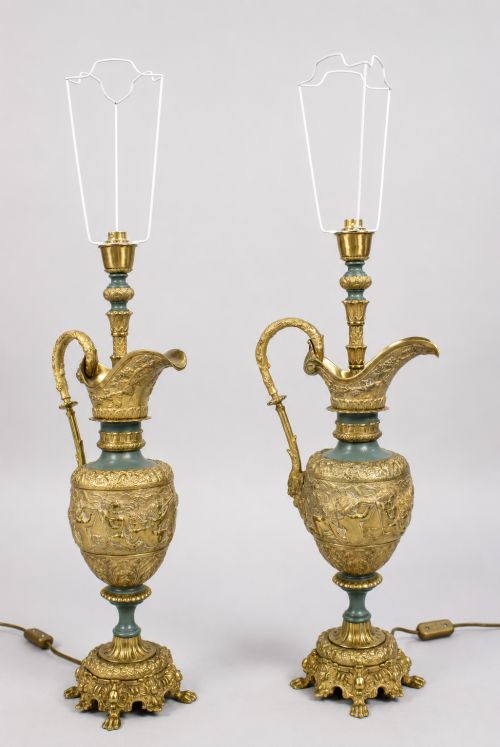
A victorian style lamp brings character to a room through cast brass, porcelain, and rich mahogany forms.
Victorian Style Lamp
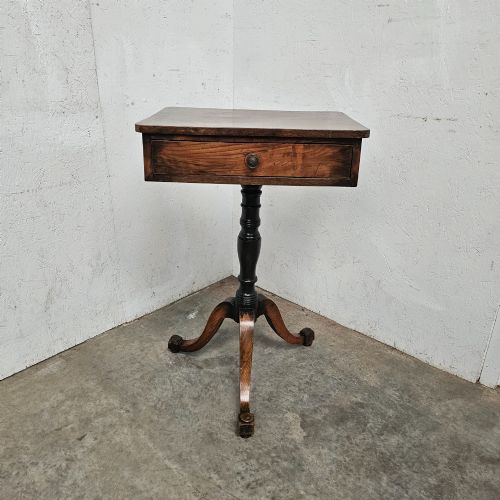
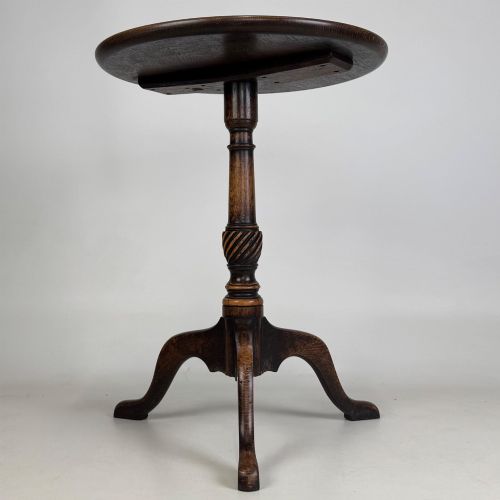
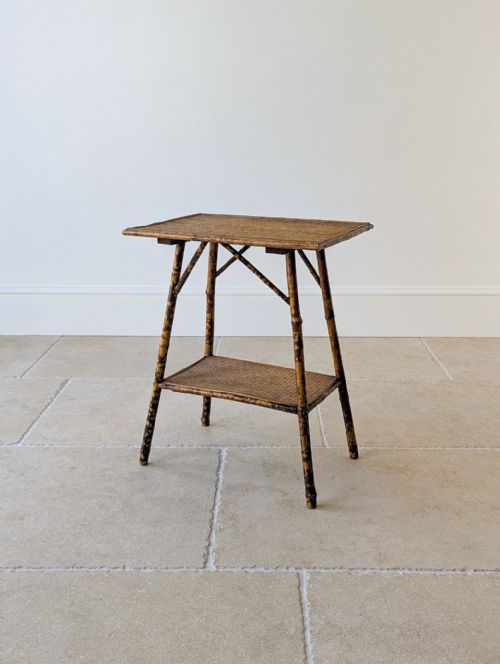
When searching for a victorian style lamp, buyers encounter a mix of functional lighting and adaptable occasional tables designed to hold them. The selection spans robust brass illumination and intricate wood furniture intended for nineteenth century domestic spaces.
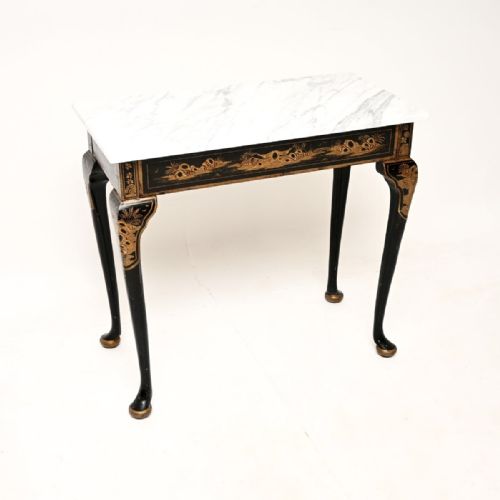
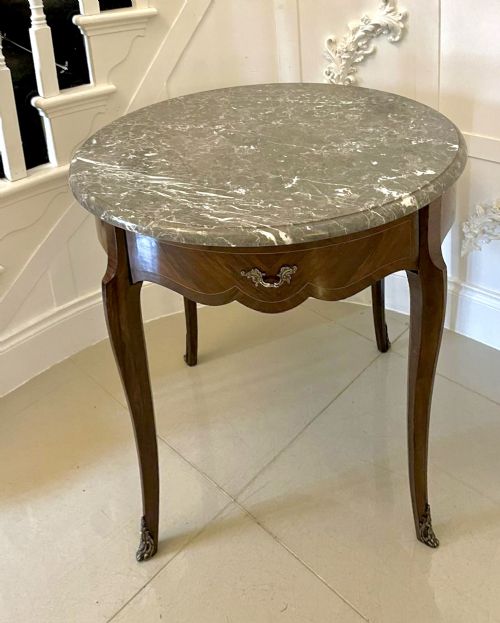
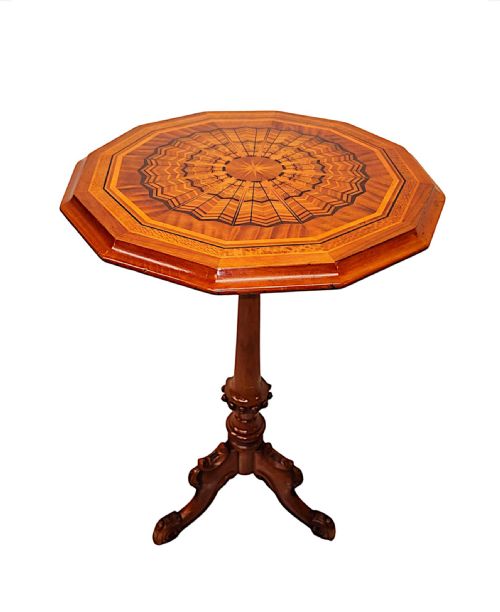
Most examples originate from the nineteenth century and the decades immediately following, drawing on revival aesthetics such as Rococo, Louis XV, and Gothic styles. Tables frequently double as lamp stands, featuring marble inserts or inlaid satinwood.
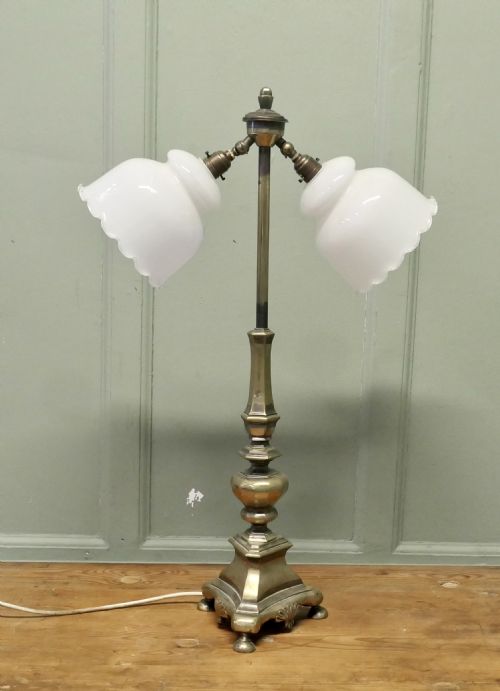
Lighting options range from converted candelabra and gilt bronze figures to porcelain oil lamps and standard floor fixtures. These pieces reflect the varied output of Victorian makers who integrated diverse historical references into everyday household objects.
How they were made
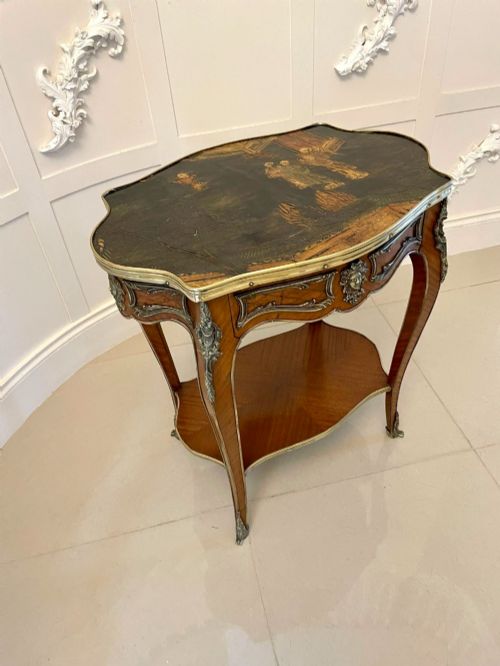
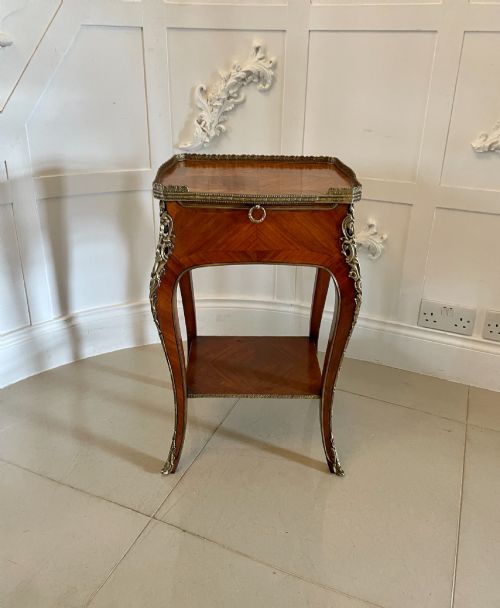
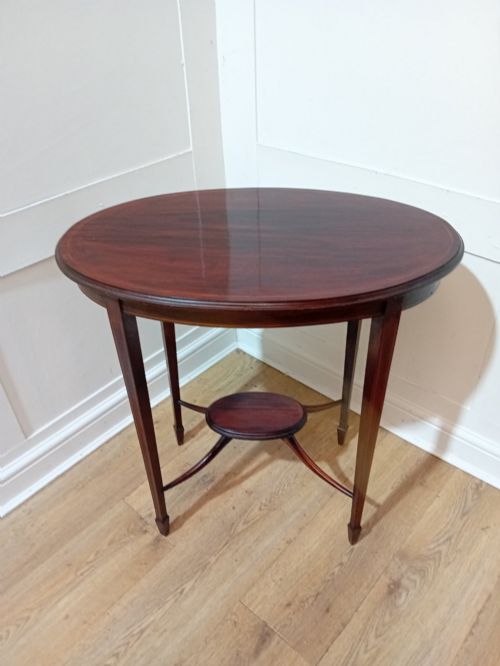
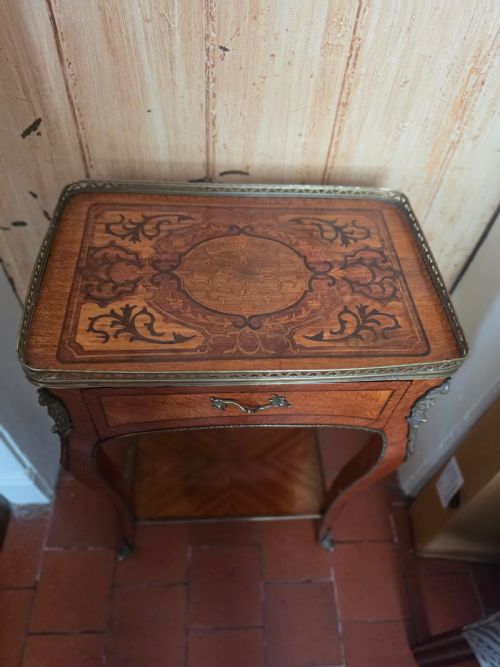
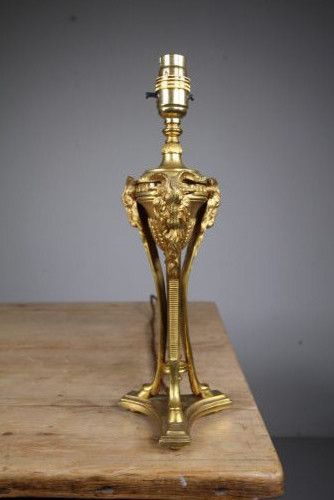
Craftsmen utilised heavy metals like brass and bronze, often casting them with floral or figural details before applying gilt finishes. Wood furniture relied on solid mahogany, walnut, and kingwood, frequently enhanced with marquetry inlay or marble tops.
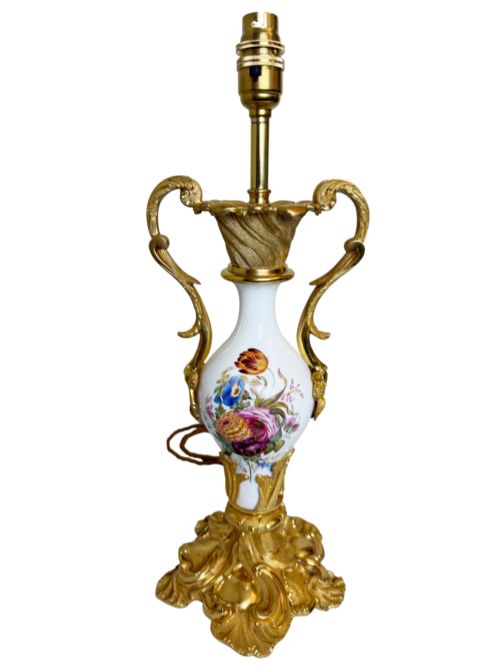
Porcelain elements from makers such as Sitzendorf were incorporated into lamp bases alongside hand painted satinwood and ebonised timber. Structural stability was achieved through traditional joinery and sturdy tripod or pedestal bases.
The listings span the nineteenth and early twentieth centuries, featuring materials such as brass, mahogany, marble, and ormolu across various side table and lamp forms.
What varies in quality
The standard of execution separates everyday utility objects from finer sculptural pieces, particularly in the crispness of brass casting and ormolu mounts. Finer tables exhibit superior timber selection, precise marquetry, and substantial genuine marble inserts rather than painted slate.
Proportion and decorative restraint dictate the desirability of a piece, with balanced proportions and original patination commanding greater attention. The integration of electrical conversions also varies, requiring careful handling to preserve historic metalwork and porcelain.
The Victorian Style Lamp Glossary
- Ormolu
- Gilded bronze applied as a decorative mount on furniture and lamp bases. This technique was favoured by nineteenth century cabinet makers to add metallic contrast to dark woods.
- Champlevé
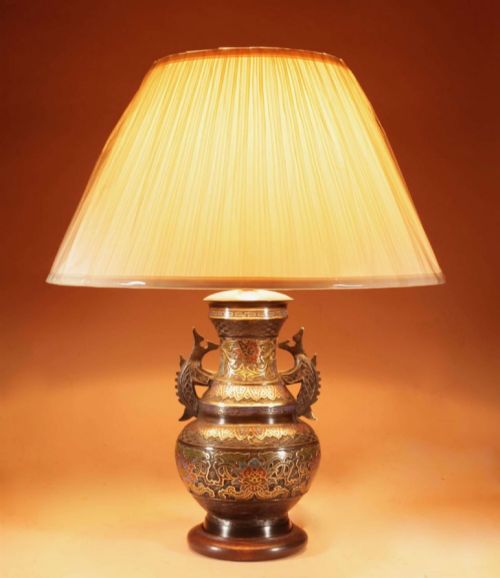
- An enamelling technique where troughs are dug into a metal surface and filled with vitreous enamel before firing. It appears frequently on decorative bronze lamp bodies from the period.
- Marquetry
- The art of applying pieces of veneer to a structure to form decorative patterns. Craftsmen utilised various woods like satinwood and mahogany to create intricate table tops.
- Aesthetic Movement
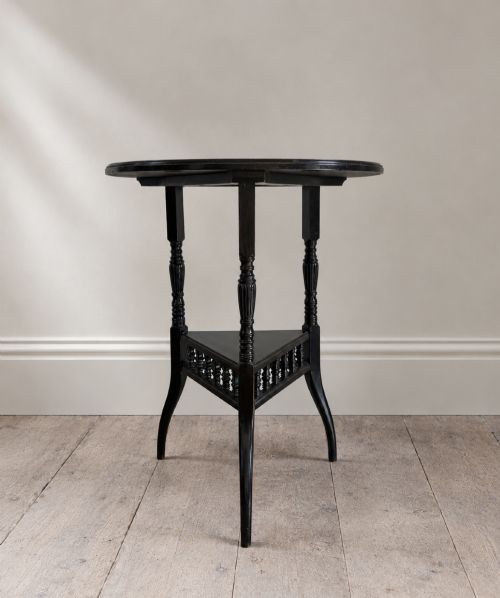
- A late nineteenth century design style emphasising visual beauty over narrative content. Pieces in this style often display Japanese influences and ebonised finishes.
- Tripod
- A three legged support structure commonly found on nineteenth century lamp and occasional tables. This configuration ensures stability on uneven floor surfaces.
Victorian Style Lamp: Frequently Asked Questions
What is a victorian style lamp?
A victorian style lamp encompasses lighting fixtures and supportive furniture produced during or inspired by the nineteenth century. These items include cast brass bases, porcelain oil lamps, and inlaid wooden tables.
They reflect the eclectic design revivals of the era, combining utility with decorative ornamentation suitable for period interiors.
How do I use these lamps?
These lamps function effectively as accent lighting on side tables, desks, or pedestals in traditional and contemporary settings. Their distinct materials add warmth and historical texture to a room.
Care should be taken to use appropriate low heat bulbs to protect vintage shade fabrics and historic metal finishes.
How do I date a piece?
Dating relies on examining construction methods, wood types, and decorative motifs characteristic of the nineteenth century. Revival styles often borrow freely from earlier periods, requiring attention to joinery and material ageing.
Makers' marks or registration numbers, where present, help narrow down the decade of production.
Are these pieces fragile?
While constructed from durable materials like brass, mahogany, and marble, antique lamps and tables require sensible handling. Delicate porcelain components and gilt finishes benefit from gentle cleaning without harsh chemicals.
Floor standing models and heavy marble top tables remain structurally stable for everyday domestic use.