



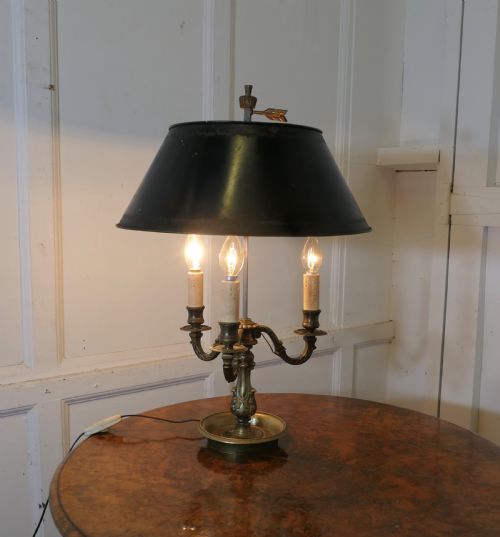
Antique Library Lamp
An antique library lamp brings focused light and period presence to a desk, reading table or writing corner.
Antique Library Lamp
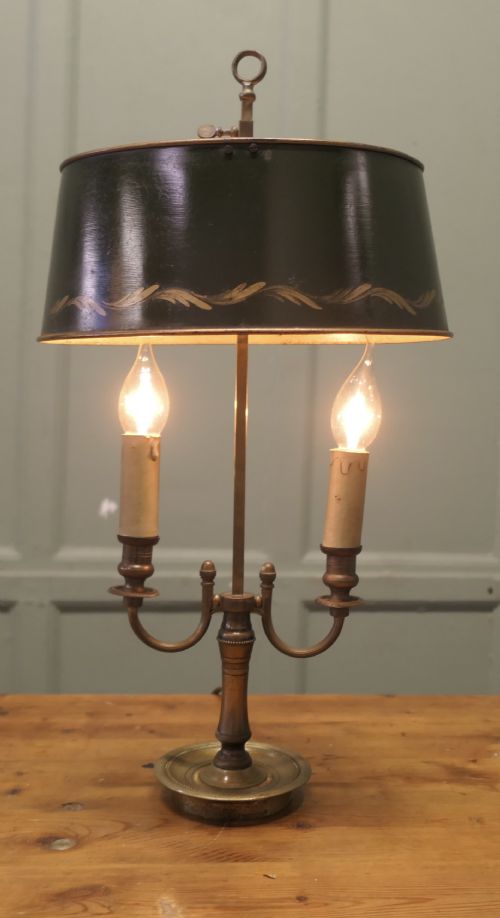
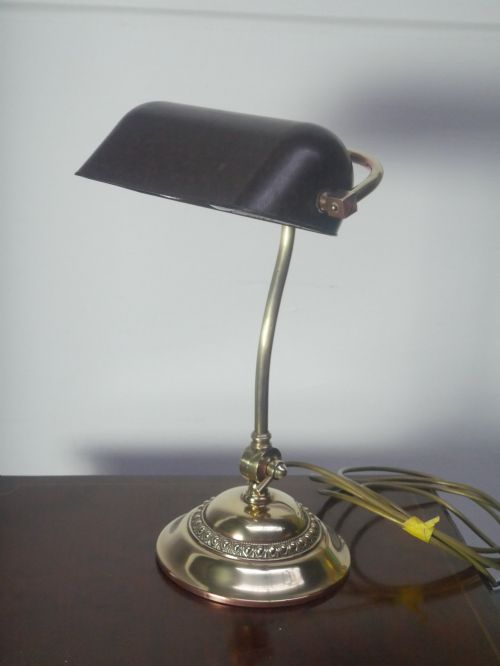
An antique library lamp serves as a functional desk light, reading lamp or adjustable table illumination for workspaces and studies. When searching for an antique library lamp, buyers encounter various forms including brass bankers lamps, adjustable swan neck designs, student lamps with implements, and twin or triple bouillotte lamps.
The pieces span periods from the nineteenth century through the Edwardian era and the 1920s, reflecting Victorian, French Empire, Art Deco, and Jugendstil styles. Materials range from brass and bronze to toleware, opaline glass, and occasional combinations with oak and leather.
Desk lamps and table lamps dominate the selection, alongside standard lamps and specialised student or Pullman models. Makers and manufacturers such as Faraday and Sons and Wild & Wessel appear among these functional desk and table pieces.
Materials and construction methods
Brass and bronze form the structural backbone of these pieces, frequently cast or spun to create adjustable arms, weighted bases, and decorative columns. Metalwork is often paired with contrasting elements such as green toleware shades, cranberry glass, and opaline glass.
Secondary materials include oak and leather, utilised in associated tables or novelty book forms, while burners and mechanical adjustments reveal period engineering. Surface finishes range from polished brass to painted metal and patinated bronze.
Listings feature brass as the dominant material, accompanied by opaline glass, toleware, and bronze across Victorian and Edwardian periods.
Judging quality and craftsmanship
Quality rests upon the weight and integrity of the metal casting, the precision of adjustable joints and fittings, and the originality of the components. Heavier gauge brass, robust bronze figures, and intact glass shades distinguish superior pieces from lighter, mass-produced alternatives.
The presence of maker attribution, such as signed burners or marked bases, elevates the standing of a lamp. Finer examples retain original surface patination and specialised mechanisms without modern replacement parts.
Faraday and Sons·Wild & Wessel·Messenger
The Antique Library Lamp Glossary
- Bouillotte lamp
- A traditional desk or table lamp featuring a central shaft, a saucer-shaped base to catch wax in earlier eras, and an adjustable painted metal shade. They are frequently found with twin or triple candle-style light fittings.
- Student lamp
- A nineteenth-century adjustable desk lamp designed with an offset oil reservoir and burner arm to cast light over paperwork. These often incorporate complete sets of original trimming implements.
- Pullman lamp
- A specialised reading light style often associated with railway carriages or maritime use, adapted for domestic desks with adjustable brass framing.
- Toleware
- Enamelled and painted sheet metal, commonly finished in deep green, used to fabricate durable and reflective lamp shades.
- Opaline glass
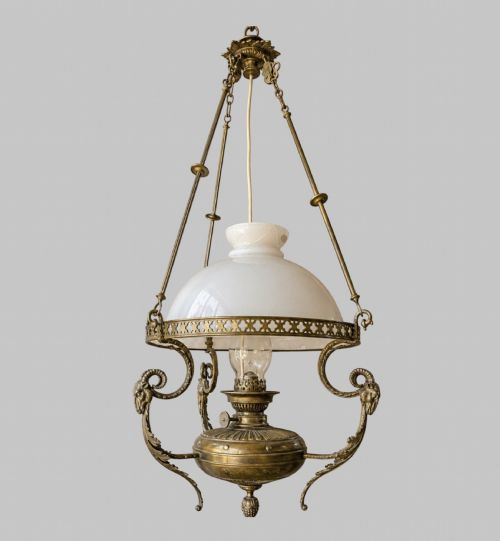
- A milky, translucent glass type utilised for lamp shades to diffuse light softly across a workspace.
Antique Library Lamp: Frequently Asked Questions
How do I operate an old oil lamp?
Period oil and paraffin lamps utilise internal wick mechanisms controlled by thumbscrews or burners such as the Hinks system. Users raise or lower the cotton wick inside the metal gallery to manage the flame height.
Most surviving examples are now wired for electricity to permit safe daily use in modern settings, though the original burner components often remain attached for visual authenticity.
Where should I place a desk lamp?
These lamps suit writing desks, reading tables, side tables, and library surfaces where focused downward illumination is required. Their adjustable arms and shades allow light to be directed precisely over paperwork or reading material.
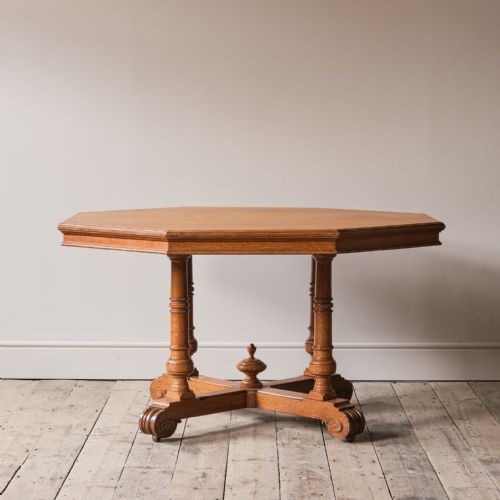
Pairing a brass or toleware desk lamp with period oak or walnut furniture enhances the traditional workspace aesthetic.
How do I date a brass lamp?
Dating relies upon examining manufacturing techniques, switch types, burner styles, and period design characteristics such as Victorian proportions or Art Deco geometric lines. Nineteenth-century pieces typically display heavier sand-cast brass and hand-finished components.
Makers' marks stamped onto the metal base or burner gallery provide definitive clues regarding the workshop of origin and decade of production.
What maintenance do metal lamps need?
Brass and bronze surfaces benefit from occasional dusting with a soft dry cloth to preserve their natural patination. Aggressive metal polishes should be avoided to retain the historic finish built up over decades.
Electrical wiring requires periodic inspection by a qualified professional to ensure safety compliance when integrating vintage lighting into a home.