

Victorian Style Dining Chairs
These victorian style dining chairs bring solid timber construction and historic forms to the modern dining table.
Victorian Style Dining Chairs
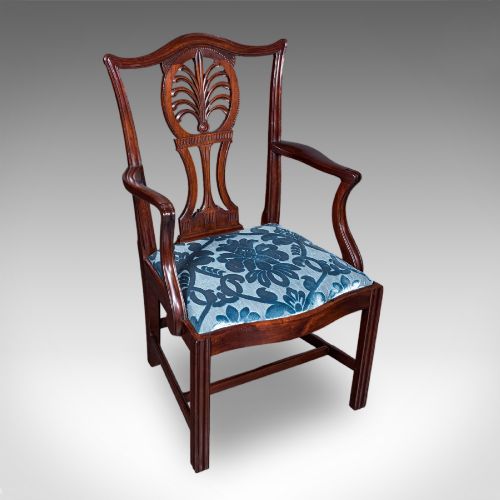
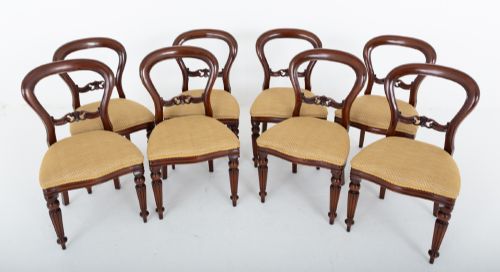
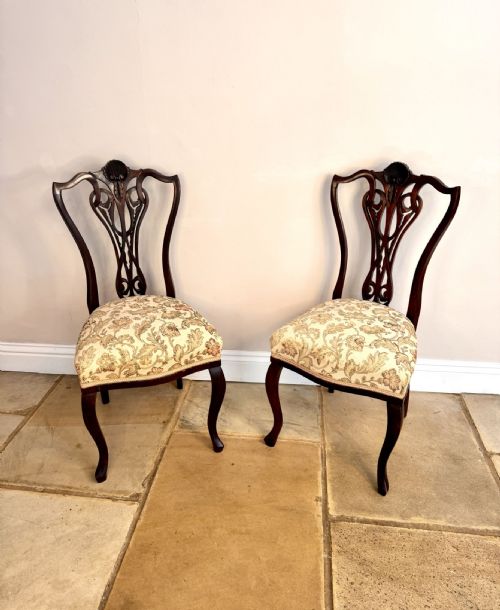
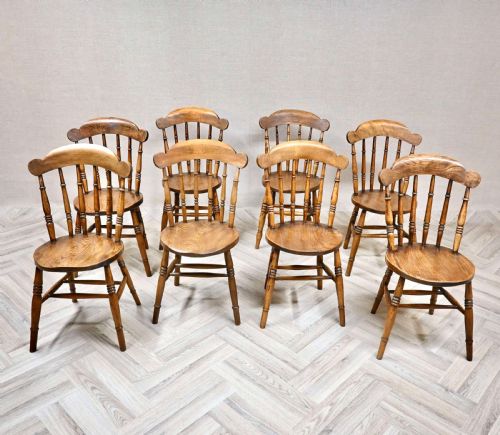
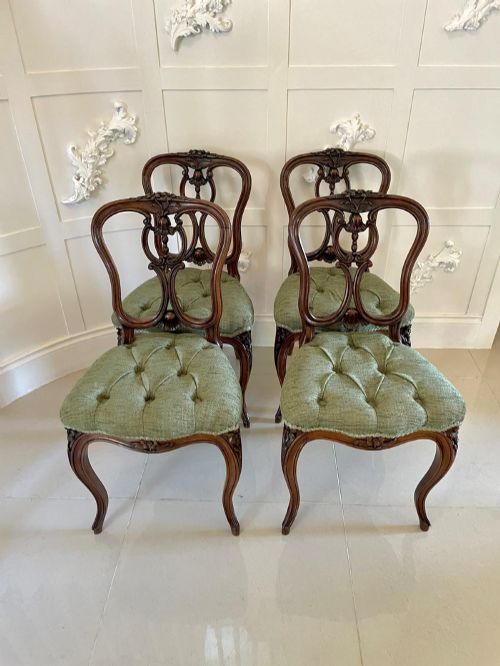
When searching for victorian style dining chairs, you encounter seating designed for formal dining rooms across the nineteenth century and subsequent revival periods. These pieces include balloon backs, shield backs, and carver chairs alongside simpler kitchen and side chair formats.
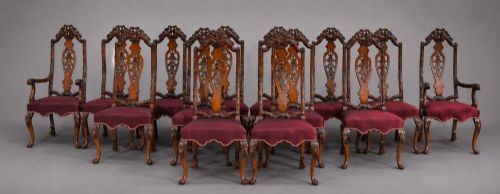
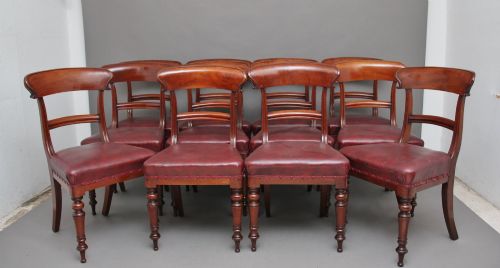
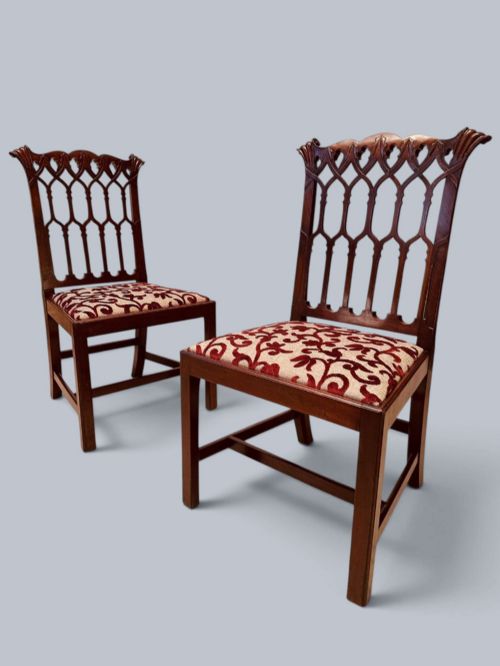
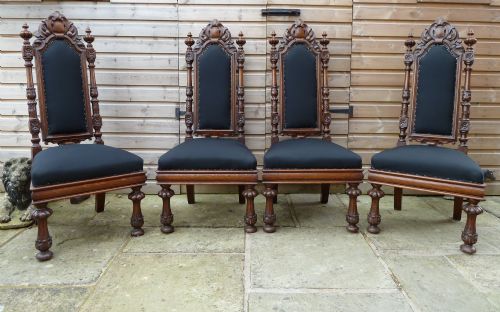
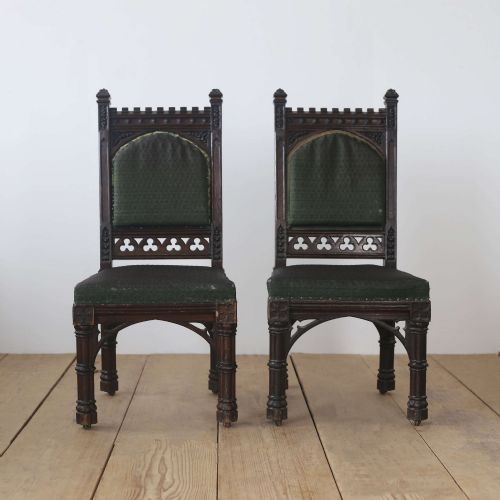
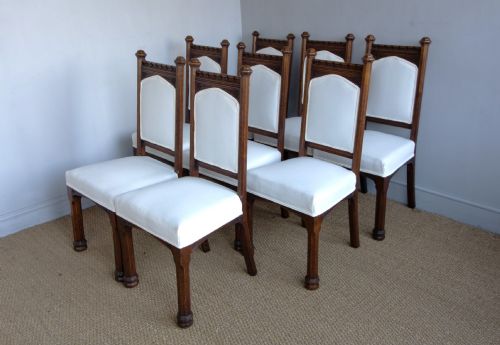
Mahogany and walnut form the backbone of the selection, shaped into carved frames that often draw on earlier Chippendale or Gothic Revival influences. Sets frequently appear in groups ranging from pairs up to twelve or fourteen matching seats.
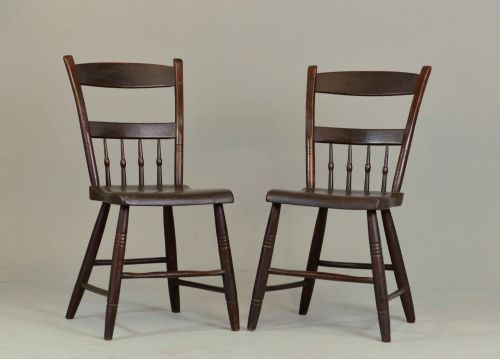
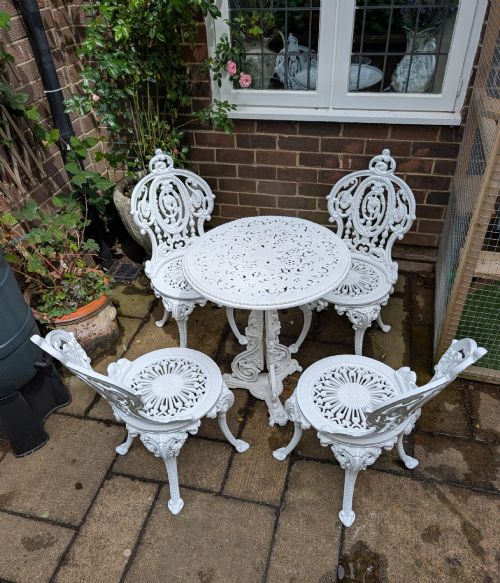
Origins span standard domestic dining suites to regional kitchen windsors and occasional garden sets in cast iron. The aesthetic relies on substantial timber framing and classical joinery rather than flimsy construction.
Materials and construction methods
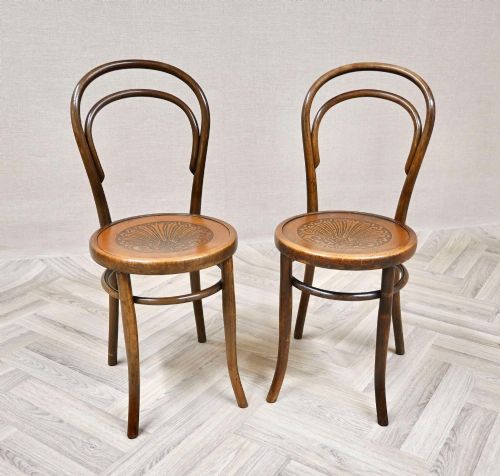
Makers utilised dense hardwoods such as mahogany, walnut, and oak to construct durable frames capable of withstanding daily dining use. Beech and elm also appear in vernacular kitchen seating.
Joinery depended on traditional mortise and tenon techniques, supported by hand-carved details along the crest rails and splats. Upholstery, where present, was secured over webbing and horsehair stuffing using durable fabric or leather.
Victorian Style Dining Chairs Retail Price Guide 2026
Typical asking prices for victorian style dining chairs among the pieces listed under this phrase on Sellingantiques today, from the lower quarter to the upper quarter. They describe what is for sale here now, not the wider market.
Some Victorian dining chairs hide secret maker stamps deep beneath their seat rails, acting like tiny signatures left behind for curious collectors.
Distinctions in quality
The standard of carving distinguishes standard production seating from exceptional workshop output, with crisp relief work indicating superior craftsmanship. Timber selection also dictates grade, with figured burr walnut and dense mahogany sitting at the higher end.
Structural integrity of the joints and the retention of original timber patination determine the overall merit of a set. Uniformity across larger sets of twelve or fourteen chairs requires careful matching of grain and proportion by the original maker.
The Victorian Style Dining Chairs Glossary
- Balloon back
- A rounded, oval-shaped backrest popular on mid-nineteenth-century dining chairs. This curved timber form provides ergonomic support.
- Carver
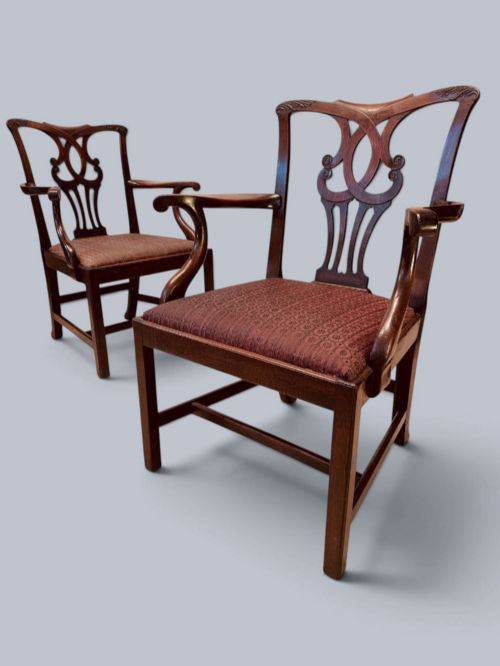
- An armchair designed to match a set of smaller side chairs, traditionally placed at the heads of a dining table. These feature supportive side arms.
- Shield back
- A chair back shaped like a heraldic shield, frequently associated with eighteenth-century revivals produced during the Victorian era.
- Windsor
- A traditional wooden chair featuring turned spindles inserted into a solid saddle seat. These vernacular pieces rely on robust peg joinery.
Victorian Style Dining Chairs: Frequently Asked Questions
How do I clean antique dining chairs?
Dust timber frames regularly with a dry cloth and feed aged wood with a traditional beeswax polish to protect the finish. Avoid modern silicone sprays that can penetrate and damage historic grain.
For upholstered panels, use gentle vacuum attachments or professional cleaning services depending on the fabric type. Leather sections benefit from specialised balms to prevent cracking.
Are these chairs suitable for daily use?
Solid hardwood construction makes these seats robust enough for everyday dining when joints are secure. Many surviving sets remain fully functional after routine maintenance.
Heavier use may require checking that the glue blocks and stretcher joints remain firm. Periodic professional tightening preserves stability over years of sitting.
How can I date a Victorian dining chair?
Examine the timber species, screw types, and construction marks underneath the seat rail for clues to the period. Mahogany and rosewood dominate mid-century examples, while later revival pieces often incorporate walnut or oak.
Tool marks and hand-cut joinery indicate earlier nineteenth-century production methods. Machine-sawn elements typically point towards the later decades of the era.
What is the difference between a side chair and a carver?
Side chairs lack armrests and have narrow profiles designed to fit compactly around the sides of a dining table. They offer straightforward upright support for guests.
Carvers include integrated armrests and slightly wider proportions, traditionally reserved for the host at the table end. A matching set usually combines two carvers with several side chairs.