
Victorian Style Bench
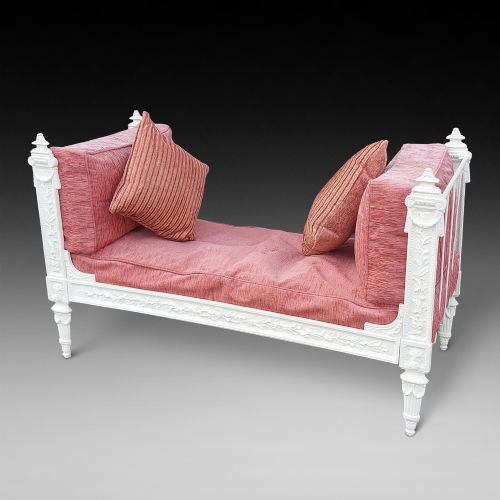
A victorian style bench brings historical character and robust utility to an interior, bridging seating and display with distinct period craft.
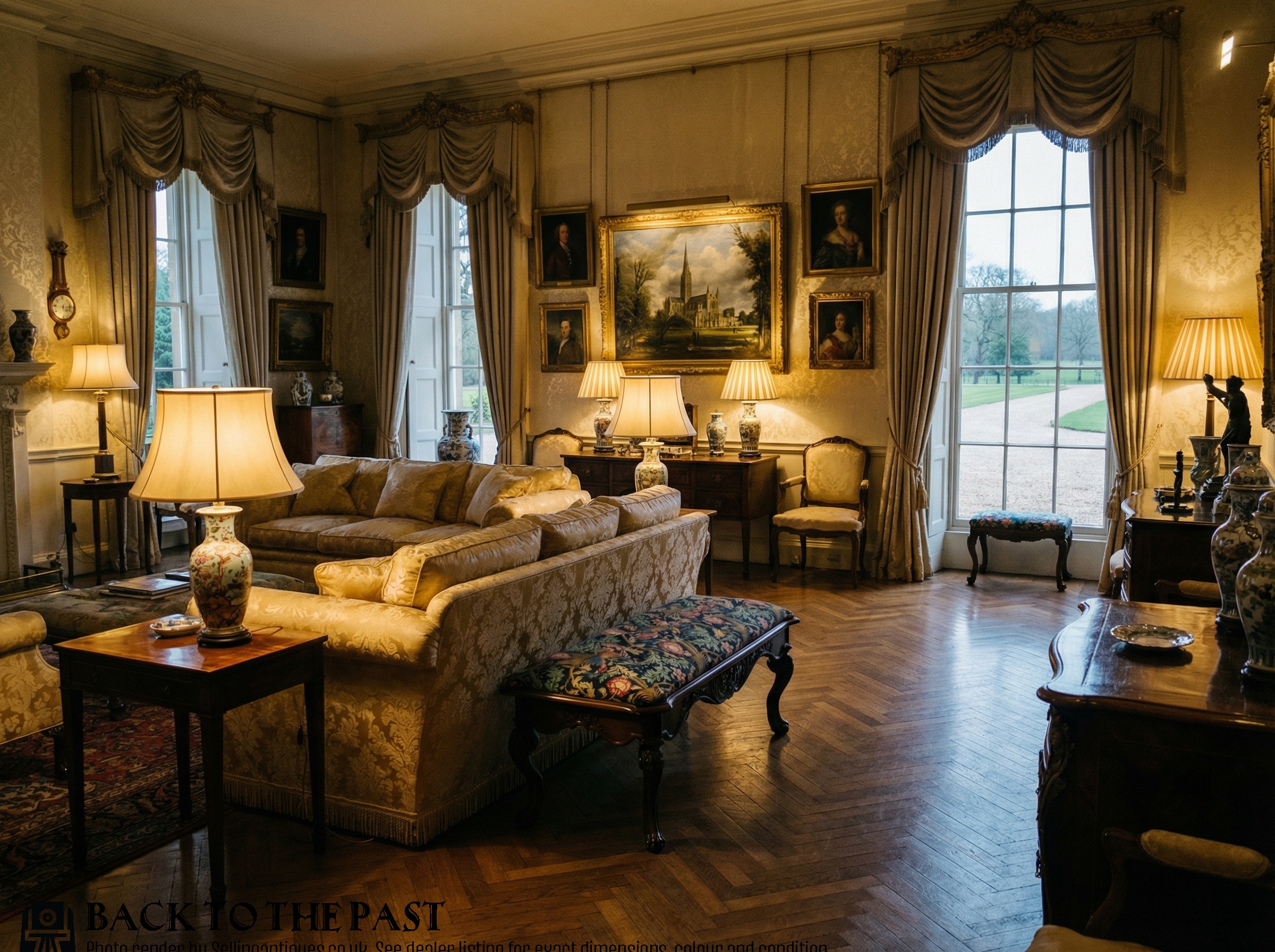
Victorian Style Bench
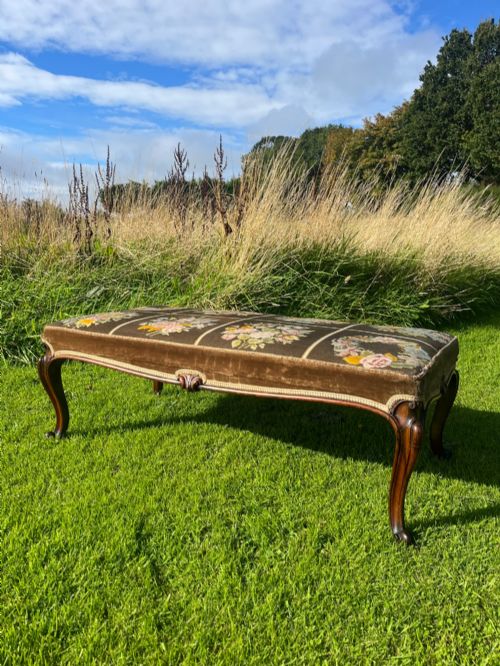
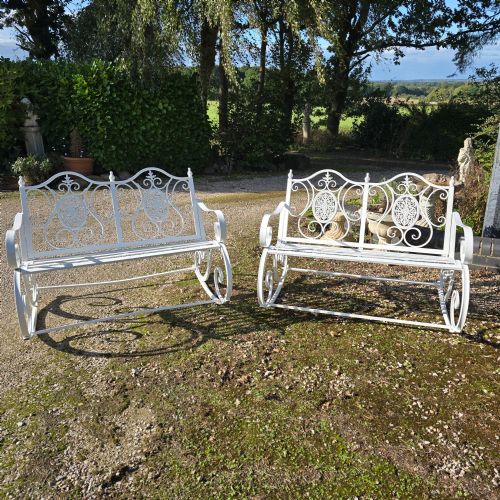
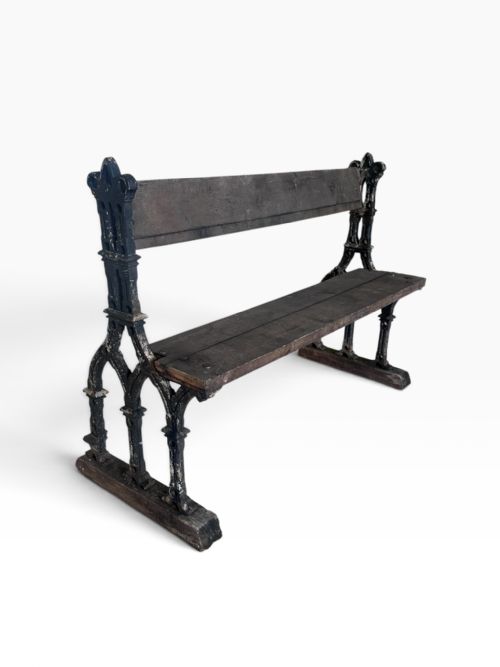
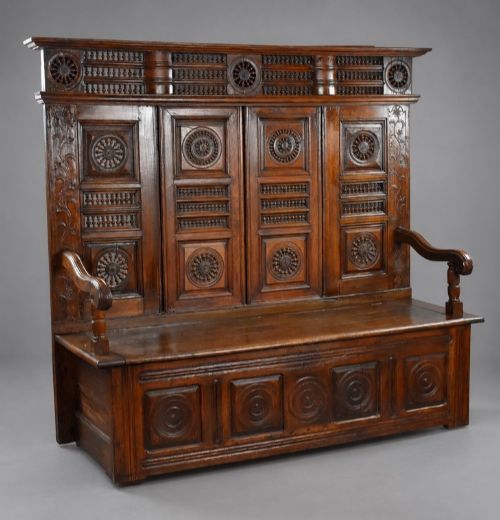
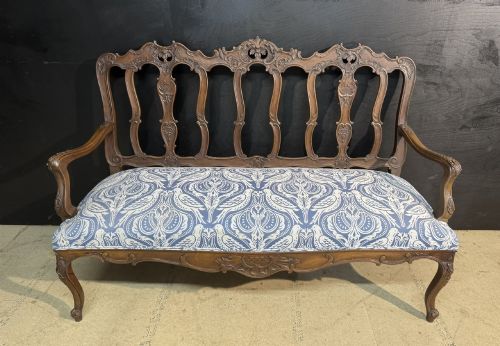
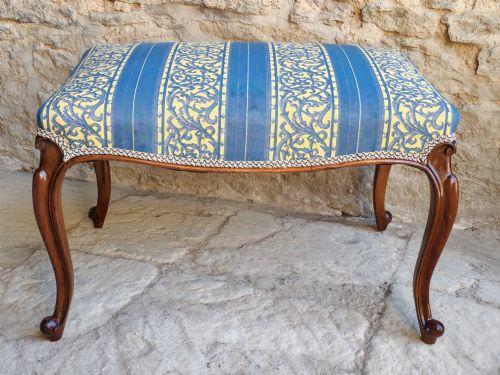
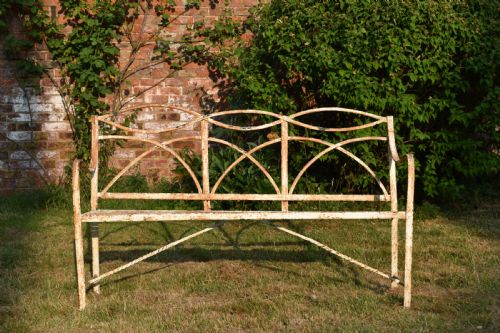
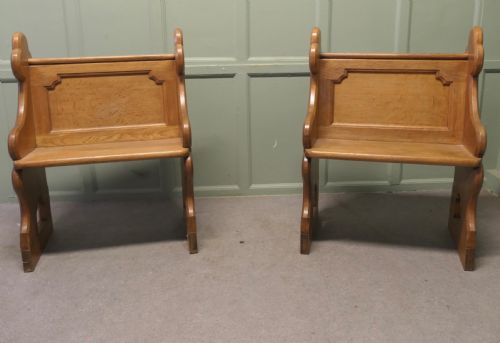
When searching for a victorian style bench, buyers encounter a diverse selection ranging from robust cast iron garden seats to carved oak hall settles and walnut window seats. These pieces reflect the eclectic revivalism of the nineteenth century, drawing on Gothic, Jacobean, and Rococo precedents.
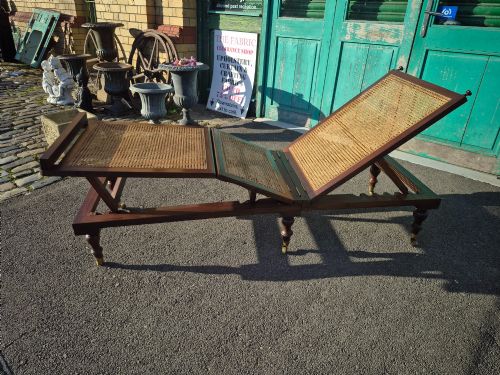
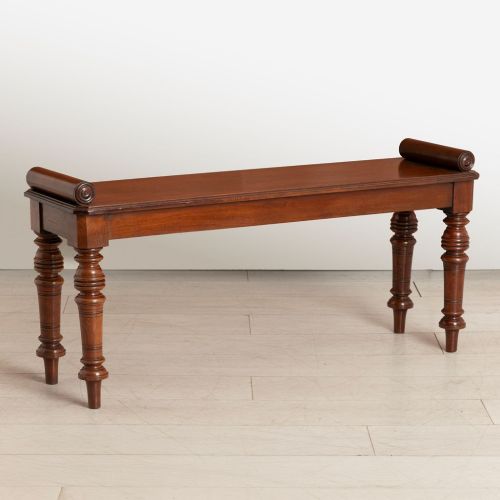
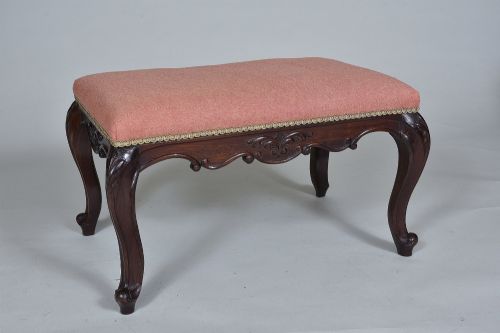
The versions most commonly met on this page include walnut and mahogany window seats, upholstered footstools, and heavy cast iron garden furniture. They appear across various periods, from mid-century examples to later reinterpretations, serving functional seating roles in hallways, gardens, and living spaces.
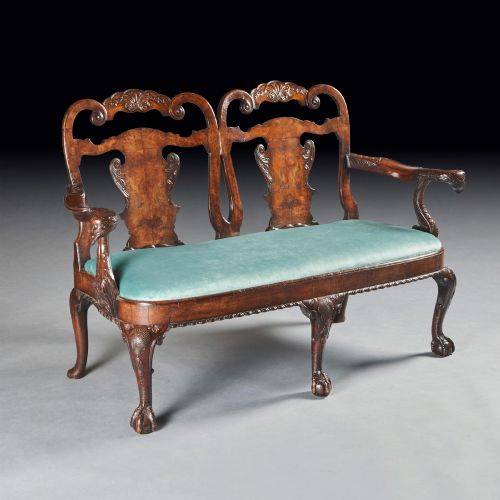
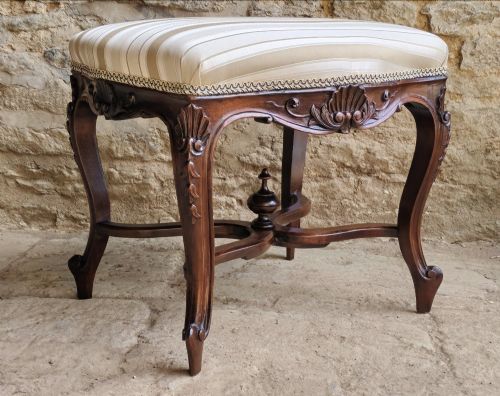
Makers and designers of the period often looked backward to earlier reigns, producing strapwork, cabriole legs, and panelled timber work. Buyers find both indoor upholstered daybeds and weather-resistant outdoor seating bearing the hallmarks of nineteenth-century craftsmanship.
How they were made
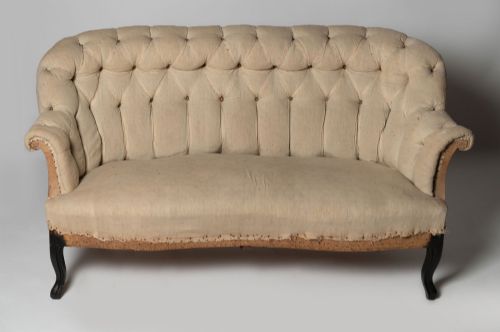
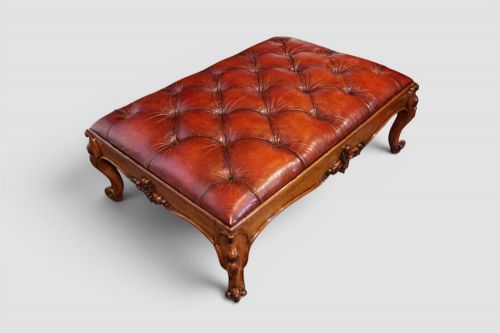
Makers utilised solid timbers such as mahogany, walnut, oak, and satinwood, frequently employing carved details and turned legs to define the structure. Upholstered variants relied on traditional stuffing, horsehair, and webbing, finished in fabrics, velvet, or hand-dyed leather.
Outdoor pieces predominantly relied on cast iron or wirework, offering structural durability for garden arbours and park seats. Indoor seating incorporated brass castors, intricate marquetry, and pegged joints to ensure stability across heavy daily use.
Gothic Revival and Rococo Revival styles appear frequently across nineteenth-century seating forms.
What varies in quality
The distinction between standard commercial production and finer work lies in the crispness of the timber carving and the selection of figured veneers such as burr maple or walnut. Superior examples display tighter joinery, thoughtful proportions, and original hardware rather than later replacements.
Upholstered forms vary according to the integrity of the internal frame and the quality of the covering materials, whether period leather or freshly applied linen. Cast iron garden variants differ in the fineness of the foundry work and the retention of clean, unpitted surface detail.
Howard and Sons·Butlers of Dublin
The Victorian Style Bench Glossary
- Cabriole leg
- A furniture leg that curves outward at the knee and tapers inward to an ankle, popular in revivalist seating.
- Settle
- A wooden bench with a high back, solid arms, and often a storage compartment beneath the seat.
- Window seat
- A long, low bench designed specifically to sit within the recess of a window frame.
- Daybed
- An elongated piece of furniture functioning as both a seat and a bed for daytime resting.
- Cast iron
- A strong, hard alloy of iron and carbon poured into moulds to create decorative outdoor garden benches.
Victorian Style Bench: Frequently Asked Questions
How do I care for antique leather?
Historic leather benefits from gentle cleaning and occasional specialist conditioning to prevent drying and cracking.
Keep upholstered pieces away from direct sunlight and strong heat sources to preserve the original dye.
Are cast iron benches weather resistant?
Cast iron garden seats withstand outdoor conditions well, though periodic inspection helps manage surface oxidation.
Applying appropriate protective treatments preserves the metal through damp winter months.
How do I identify a revival style?
Revival pieces combine nineteenth-century manufacturing methods with decorative motifs borrowed from earlier periods like Gothic or Rococo.
Examine the secondary timbers, fixings, and tool marks to distinguish authentic period production from later copies.