
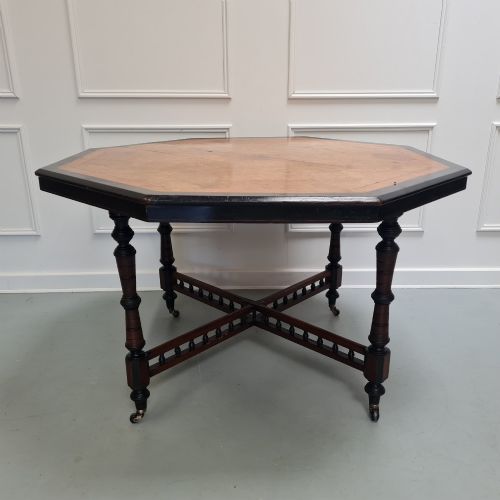
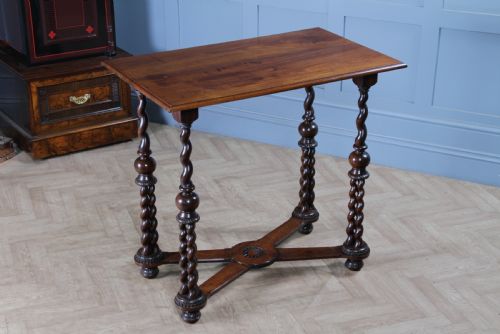


Victorian Stretcher Side Table
A victorian stretcher side table brings sturdy character and useful surface space to a room, drawing on nineteenth-century design.
Victorian Stretcher Side Table
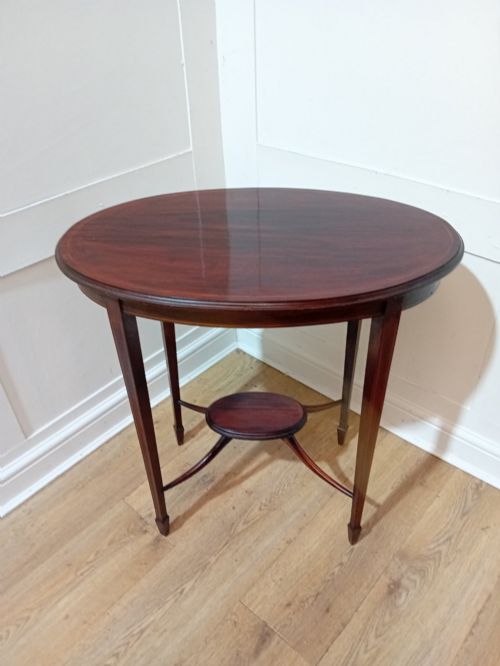
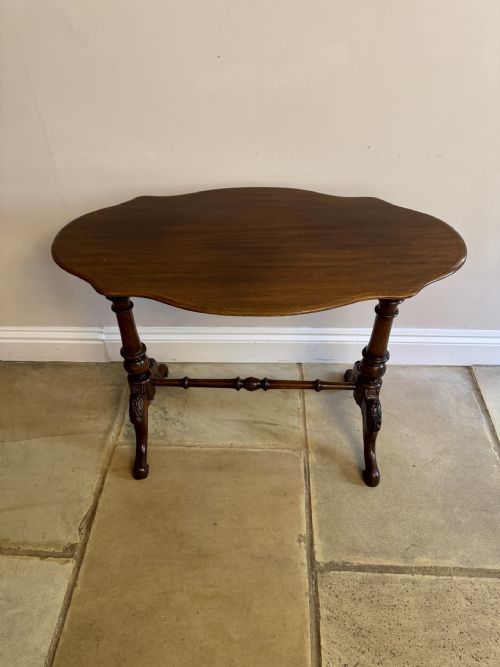
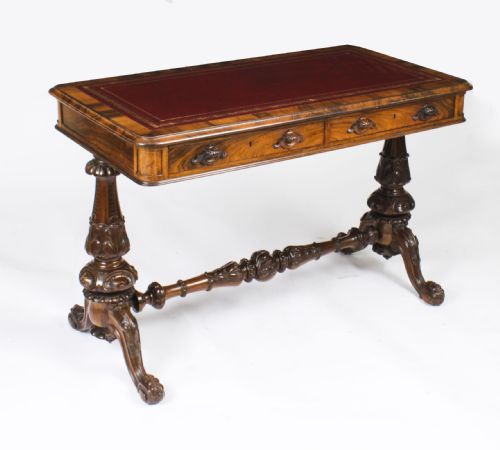
A victorian stretcher side table combines a compact surface with a supportive lower rail frame, appearing in forms such as occasional, lamp, and writing tables. These pieces date from the nineteenth century, with walnut, oak, and mahogany acting as the primary timbers.
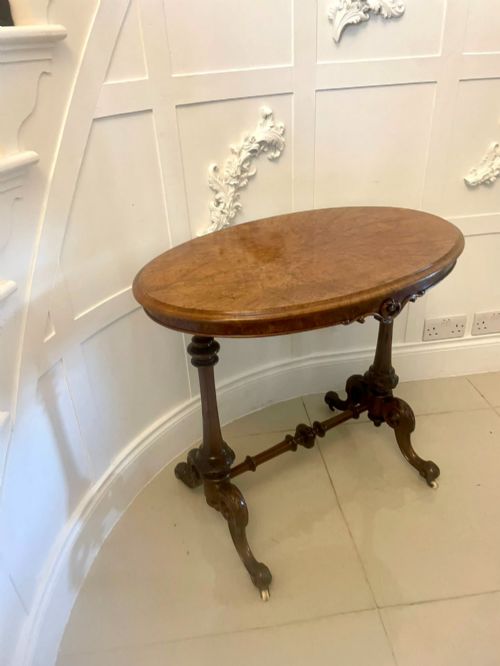
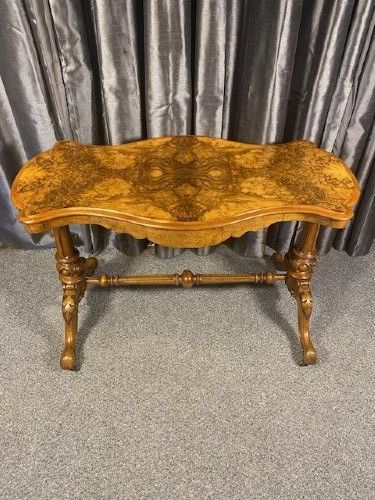
Makers and workshops of the period produced these tables in various revivals, including Aesthetic Movement, Sheraton Revival, and Gothic styles. Walnut versions often display burr veneers, while oak and mahogany variants lean towards turned legs and structural stretcher bars.
How They Were Made
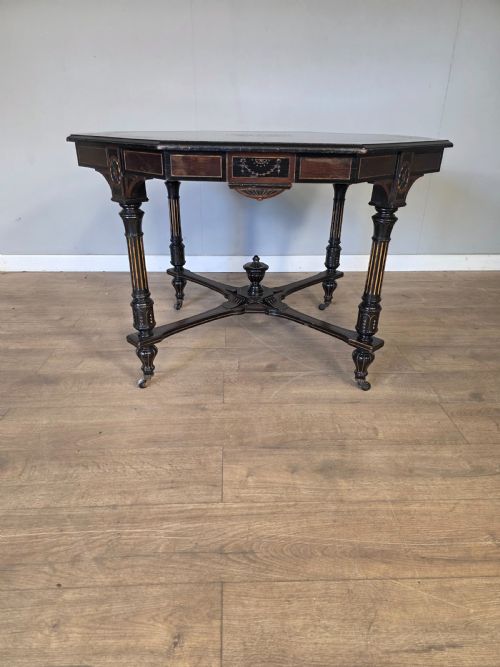
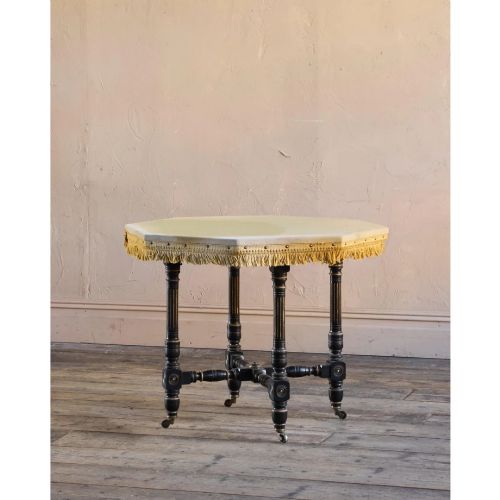
Cabinet makers utilised dense hardwoods like walnut, oak, and mahogany, frequently applying burr walnut veneers to tabletops for decorative grain patterns. Ebonised wood and rosewood also appear alongside ceramic and brass components.
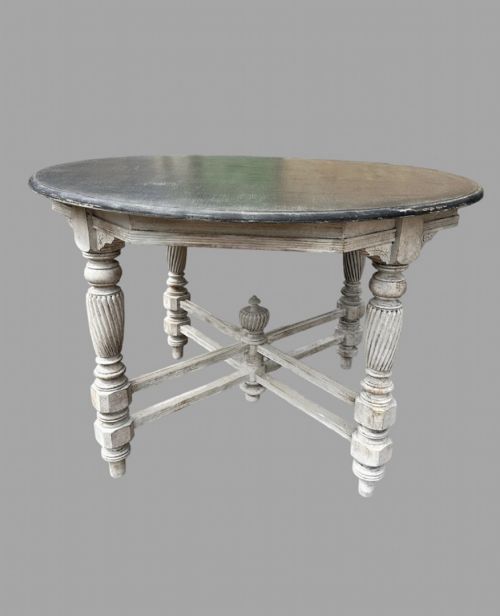
Construction relied on traditional joinery methods, incorporating turned supports such as barley twist or bobbin legs linked by structural stretchers for added stability. Marquetry and inlaid details frequently decorate the timber surfaces.
Listings demonstrate a strong presence of burr walnut and mahogany, alongside oak and ebonised wood across nineteenth-century examples.
What Varies in Quality
The refinement of the timber selection dictates much of the visual appeal, where choice burr veneers and finely figured fiddleback mahogany command attention. Plain secondary woods contrast with expertly matched grain patterns across the top surface.
Execution of decorative elements, from inlaid marquetry to carved woodwork and turned stretchers, separates standard utility items from pieces bearing maker attributions. Precision in joinery ensures structural integrity remains sound across the lower frame.
Edwards & Roberts·W J Mansell·A Hindley & Sons
The Victorian Stretcher Side Table Glossary
- Stretcher
- A horizontal support connecting the legs of a table to increase rigidity and strength. These cross rails often feature shaped turnings like barley twists.
- Burr Walnut
- A mottled wood grain obtained from growths on walnut trees, prized for decorative veneering. Cabinet makers valued this material for tabletops.
- Marquetry
- The art of applying pieces of veneer to a structure to form decorative patterns. Floral and geometric designs appear on nineteenth-century surfaces.
- Ebonised Wood
- Timber treated to resemble ebony through a staining or painting process. This dark finish gained popularity during the Aesthetic Movement.
- Barley Twist
- A carved wooden column resembling a spiralling rope. This decorative turning frequently appears on table legs and stretchers.
Victorian Stretcher Side Table: Frequently Asked Questions
What is a victorian stretcher side table used for?
These tables served as versatile surfaces for lamps, writing, or displaying decorative objects in nineteenth-century interiors. Their compact proportions allowed placement in hallways, libraries, and drawing rooms.
The lower stretcher rail provided structural bracing while keeping the footprint modest. Today they function practically as lamp or side tables in modern living spaces.
How do I identify a nineteenth-century piece?
Examination of timber, construction methods, and hardware reveals the period of manufacture. Nineteenth-century examples typically employ solid hardwoods, hand-cut joinery, and specific veneer thicknesses.
Stylistic cues such as Aesthetic Movement ebonising or Sheraton Revival inlay help narrow the date within the Victorian era.
Are these tables sturdy?
The inclusion of a stretcher rail specifically enhances the structural stability of the base. This horizontal framing connects the legs to prevent wobble during daily use.
Heavier hardwoods like oak and walnut further contribute to the overall solidity of the piece.
What woods were commonly used?
Walnut and burr walnut appear frequently in the surviving examples, often paired with marquetry inlay. Mahogany and oak also feature prominently, particularly in earlier or more utilitarian formats.
Rosewood and ebonised finishes represent alternative treatments favoured during specific decorative movements.