
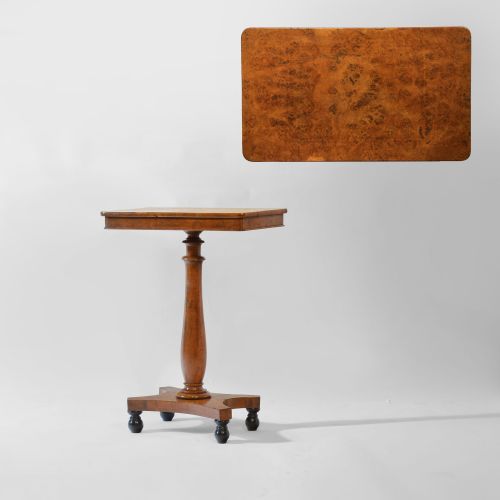


Burr Oak Side Table
Burr oak side table pieces offer exceptional figuring and warm timber tones, bringing character and practical surface space to any room.
Burr Oak Side Table
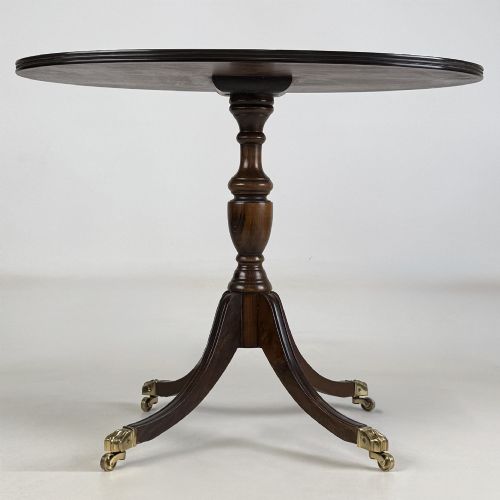
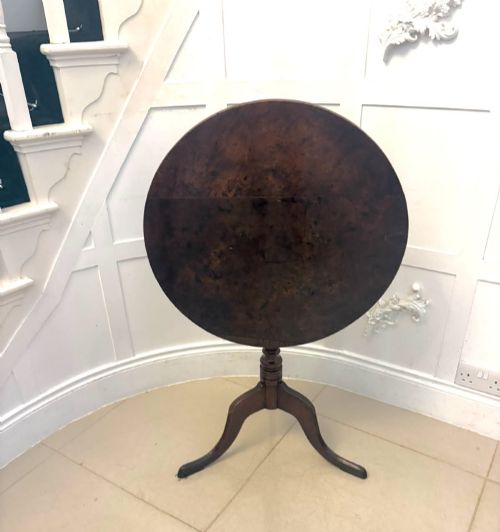
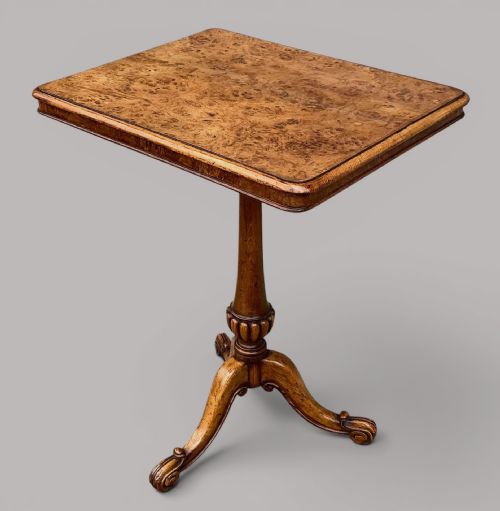
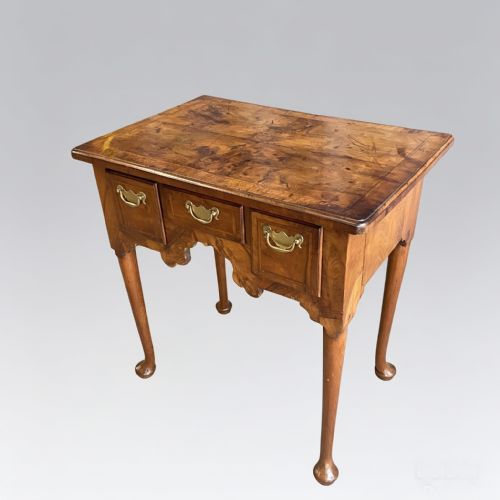
A burr oak side table brings distinctive swirling timber figuring and rich grain patterns into domestic spaces, functioning as a practical surface for lamps, books, or decorative objects. These forms span compact tripod wine tables and occasional pieces to larger partners desks and lowboys.
The pieces appearing on this page stretch from the eighteenth century through the Regency era and into the Victorian period, including revival pieces. Georgian and Regency examples sit alongside Edwardian interpretations, showcasing varied domestic utility across centuries.
Makers utilised related timbers alongside the primary wood, incorporating walnut, pollard oak, and satinwood within various styles like George II, Queen Anne, and William and Mary. These diverse forms share a reliance on the decorative impact of burr figure.
How they were made
Cabinetmakers selected burr oak veneer for its knotty, swirling grain patterns, applying these decorative slices over stable secondary timbers to create striking table tops. Solid oak formed structural elements like legs and stretchers, ensuring robust daily use.
Brass fittings appear as hardware details on drawers and mechanisms, while leather inserts feature on desk surfaces. Traditional joinery techniques secure the tripod bases, drop flaps, and tilt-top actions found across the various table forms.
Burr Oak Side Table Retail Price Guide 2026
Typical asking prices for burr oak side table among the pieces listed under this phrase on Sellingantiques today, from the lower quarter to the upper quarter. They describe what is for sale here now, not the wider market.
Object forms span lowboys, tripod tables, partners desks, and drop-flap occasional tables.
What varies in quality
The visual impact of the timber grain sets individual pieces apart, depending on the tightness and depth of the burr figuring across the top. Depth of colour and patination achieved through age and handling distinguish standard examples from finer works.
Proportion and the handling of secondary woods, such as walnut or satinwood stringing, influence the overall refinement of a table. The integration of functional elements like tilt-top mechanisms or drop flaps demonstrates the skill of the original workshop.
The Burr Oak Side Table Glossary
- Burr oak
- A growth deformity in the oak tree that produces knotty, highly figured wood highly prized by cabinetmakers for decorative veneers. This timber displays complex swirling patterns.
- Lowboy
- A small oak or walnut table with drawers, originating in the late seventeenth century and serving various domestic roles. These tables typically feature cabriole legs or straight turned supports.
- Tripod table
- A small occasional table supported by a central pillar and three legs, frequently designed with a tilt-top mechanism. This form became popular during the eighteenth century for flexibility in living spaces.
- Pollard oak
- Timber taken from trees that were pollarded, creating dense, bundled grain patterns closely related in appearance to burr wood. Cabinetmakers often utilised pollard oak interchangeably with burr sections.
- Patination
- The surface sheen and colour acquired by wood over centuries through light, oxidation, and handling. Good patination reveals the warm depth of the underlying timber.
Burr Oak Side Table: Frequently Asked Questions
What is a burr oak side table used for?
These tables provide a decorative and functional surface in halls, living rooms, and bedrooms. They suit holding lamps, small objects, or serving drinks.
Larger variants like partners desks or lowboys offer workspace and storage through integrated drawers. Their distinct grain patterns ensure they function as focal points in a room.
How do I date an 18th century table?
Dating relies on examining construction methods, timber choices, and hardware alongside stylistic cues from periods like George II or William and Mary. Hand-cut dovetails and timber shrinkage indicate older periods.
Secondary woods and structural joinery reveal the era of manufacture. Consulting the specific design characteristics of legs and aprons narrows the date further.
What distinguishes burr oak from pollard oak?
Burr oak comes from growths on the tree that create random, swirling knot clusters. Pollard oak results from pruning the top branches of the tree, which forces dense and clustered grain growth.
Both timbers offer highly decorative surfaces that cabinetmakers favoured for table tops. The visual effects appear similar, though their botanical origins differ.
How do I care for antique oak furniture?
Maintain the timber by keeping pieces away from direct heat sources and strong sunlight, which can dry out the wood and fade the finish. Regular dusting with a dry cloth protects the surface.
Avoid silicone-based polishes that build up over time. Natural waxes preserve the patination without harming the historic finish.